





Looking for another Cruise?
Tours in Salerno



Cruising to Salerno in a group?
Skip the crowded ship excursion bus. One dedicated planner will design a private shore experience around exactly what your group wants — coordinated from first enquiry to the moment you're back on board. More memorable, more flexible, and more affordable than you might expect. Spend less time organising, more time enjoying.
Explore Group Travel →Cruising to Salerno
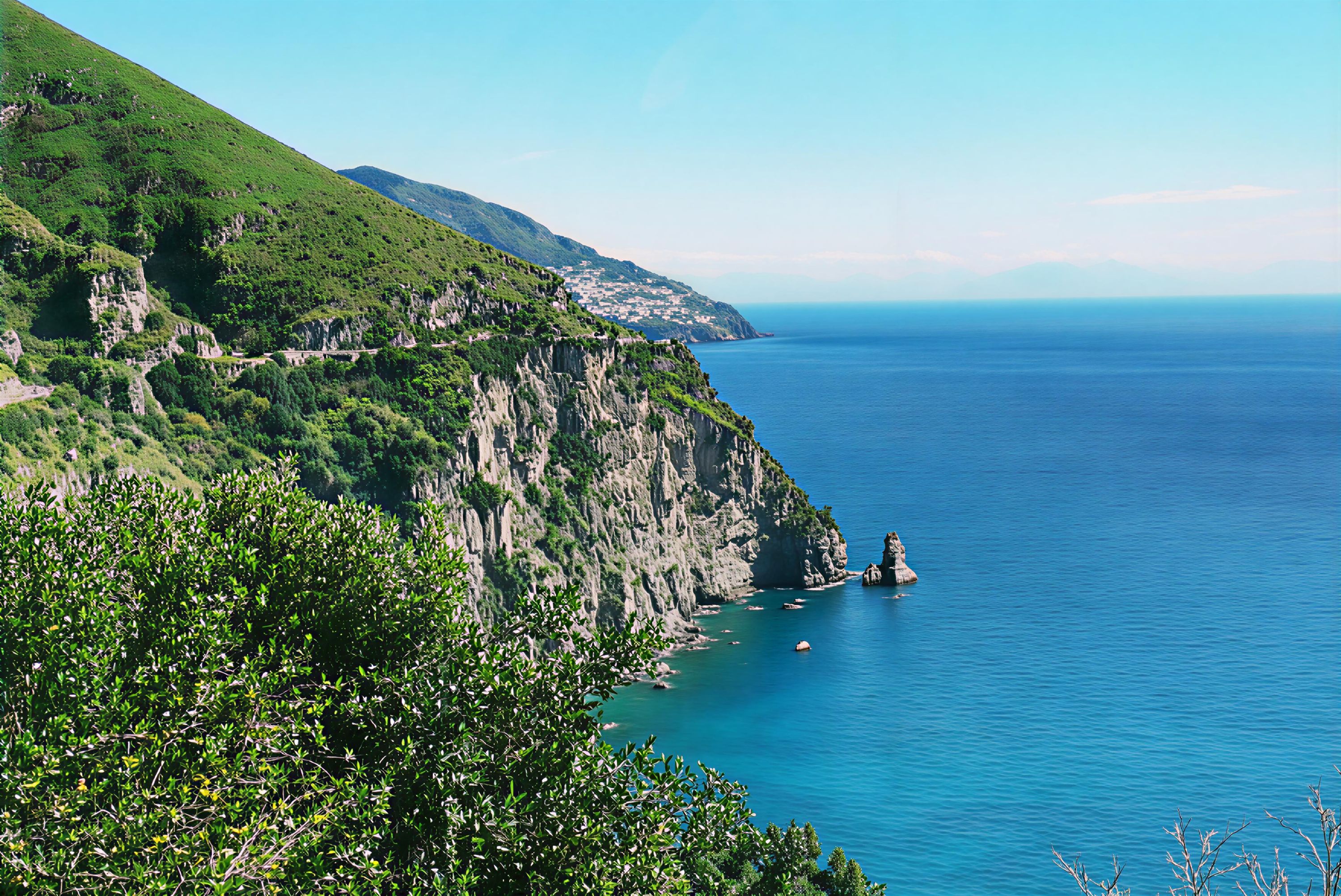
Salerno stands at a geographical crossroads of rare distinction. To the north, the Amalfi Coast curves away in a succession of vertiginous cliffs, pastel-coloured villages, and terraced lemon groves that have made this 50-kilometre stretch of shoreline one of the most recognisable landscapes on earth. To the east, the Campanian interior holds the volcanic drama of Mount Vesuvius and, beneath its slopes, the preserved ruins of two Roman cities — Pompeii and Herculaneum — that together represent the most complete window onto everyday ancient life anywhere in the world. Offshore, across a shimmer of blue, the island of Capri rises from the Tyrrhenian Sea in a profile unchanged since emperors chose it as their retreat.
The city of Salerno itself has a character that differs markedly from the tourist-dense ports further up the coast. Medieval streets in the historic centre lead to a magnificent Norman cathedral containing relics of St Matthew; the Lungomare Trieste waterfront promenade stretches for two kilometres along the Gulf of Salerno, lined with palms and looking directly toward the mountains of the Amalfi Coast. Salerno is a working southern Italian city that tourists pass through more than they linger in, but that quality gives it an authenticity that the more visited coastal towns have largely traded away.
The logistics of a Salerno port call are, in many respects, unusually favourable for the touring passenger. The pier's position at the southern end of the Amalfi Coast means that access to the coast's key destinations — Positano, Amalfi, Ravello — involves travelling in the same direction as the scenery grows increasingly dramatic. Pompeii lies approximately 45 minutes by road, well within range for a morning visit that can be combined with an afternoon on the coast. And the city's harbour provides a natural departure point for boat excursions that see the Amalfi Coast and the waters around Capri from their most revealing perspective: from the sea.
Salerno's food culture is embedded in the Campanian tradition — the region that gave the world Neapolitan pizza, buffalo mozzarella, and the tomato sauce that underpins much of what the world thinks of as Italian cooking. The city's markets and trattorias offer these in their most locally specific forms, from the distinctive anchovies of Cetara (a village just up the coast) to the sfogliatella pastries that originated in a nearby convent and have since become a symbol of Campanian pastry-making.
Top things to do in Salerno on a cruise stopover
Pompeii — The Roman City Frozen in Time
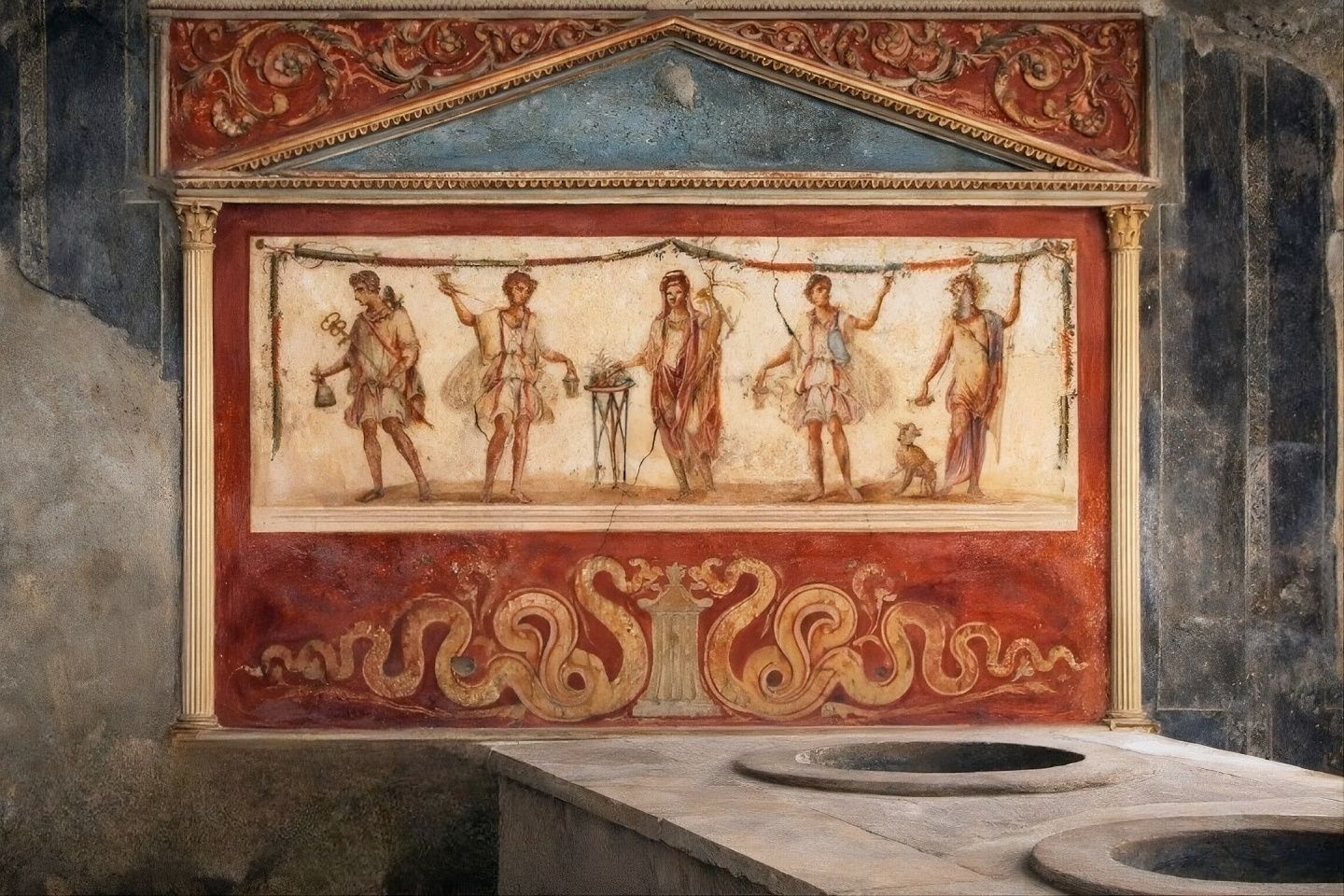
When Mount Vesuvius erupted on 24 August, 79 AD, it buried Pompeii under four to six metres of volcanic ash and pumice, preserving the city in extraordinary detail beneath the debris. Excavated over three centuries, Pompeii now reveals Roman streets, bakeries with carbonised loaves still in their ovens, elegant villas with intact frescoes, a forum surrounded by temple ruins, bathhouses with their decoration preserved, and plaster casts of the city's inhabitants in the postures of their final moments. The site covers approximately 66 hectares — too large to see completely in a single visit — which means good planning is essential. The key sites for first-time visitors include the Pompeii Forum, the House of the Vettii with its spectacular wall paintings, the House of the Faun, the thermopolium (Roman fast food counter) of Regio V, the Amphitheatre, and the Via dell'Abbondanza, the main street of the ancient city. Pompeii is approximately 45 minutes from Salerno by road and represents one of the most significant archaeological sites on earth.
The Amalfi Coast — Positano, Amalfi, and Ravello
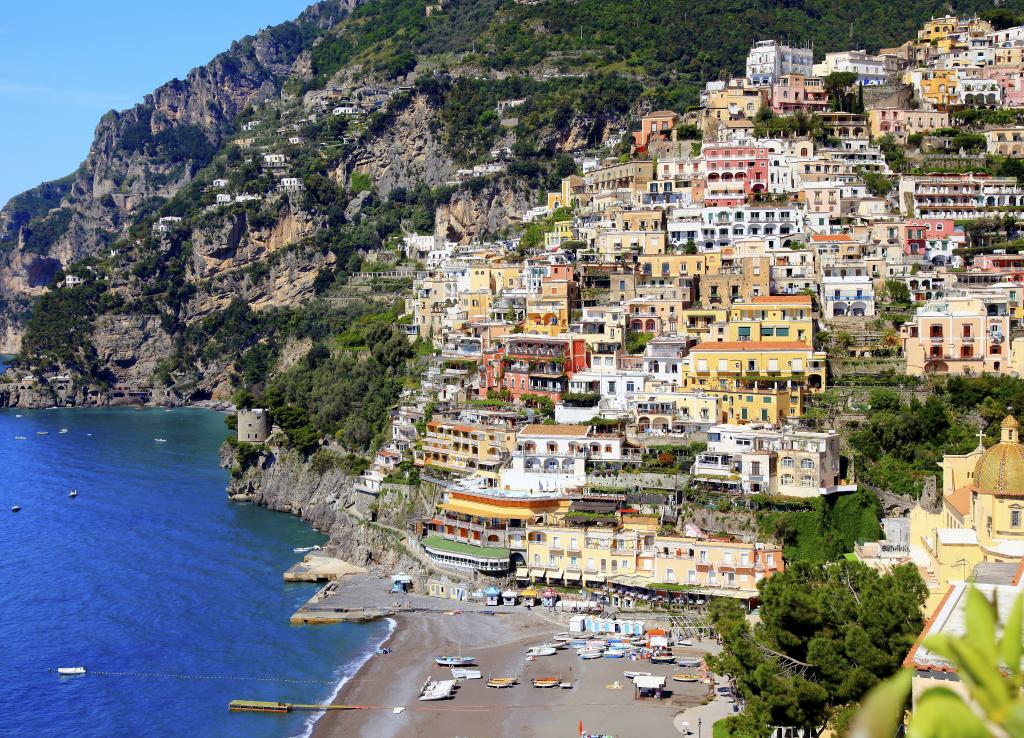
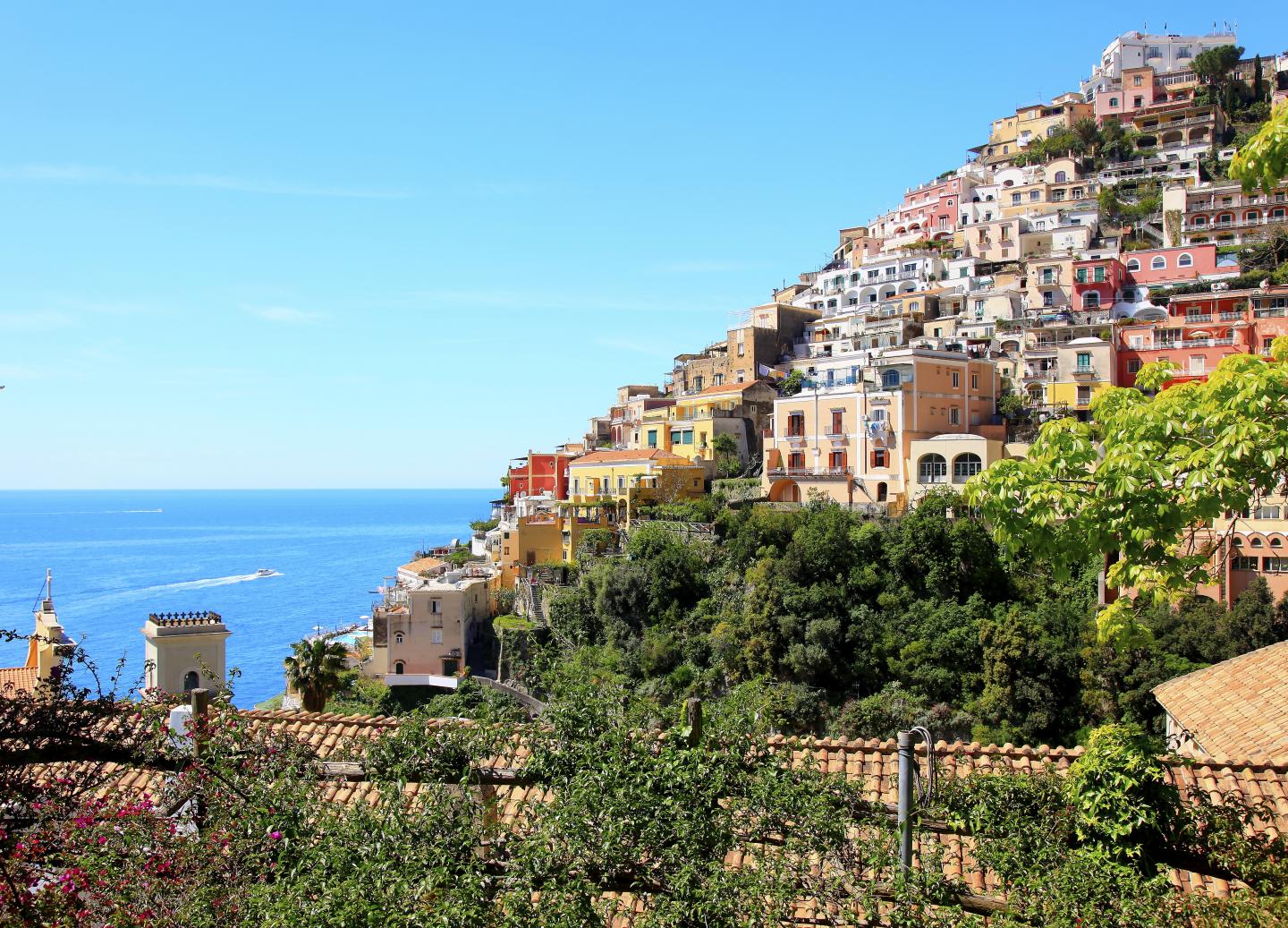
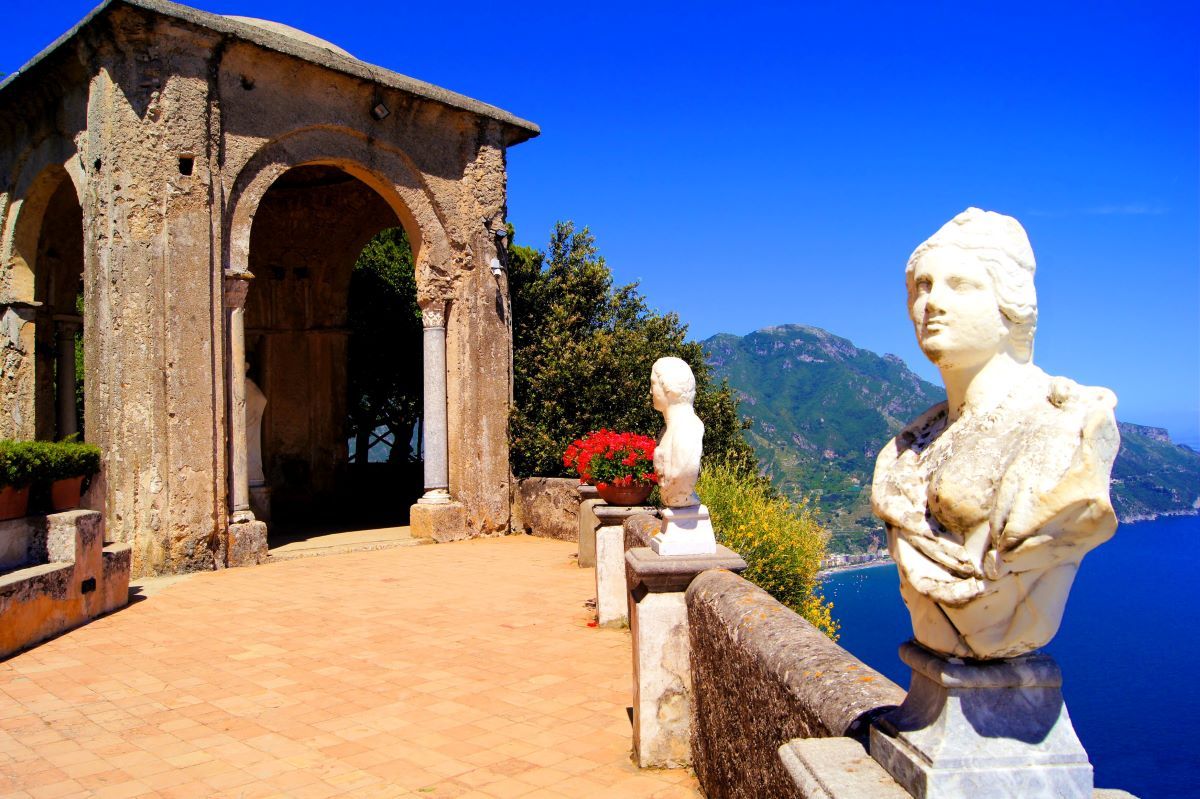
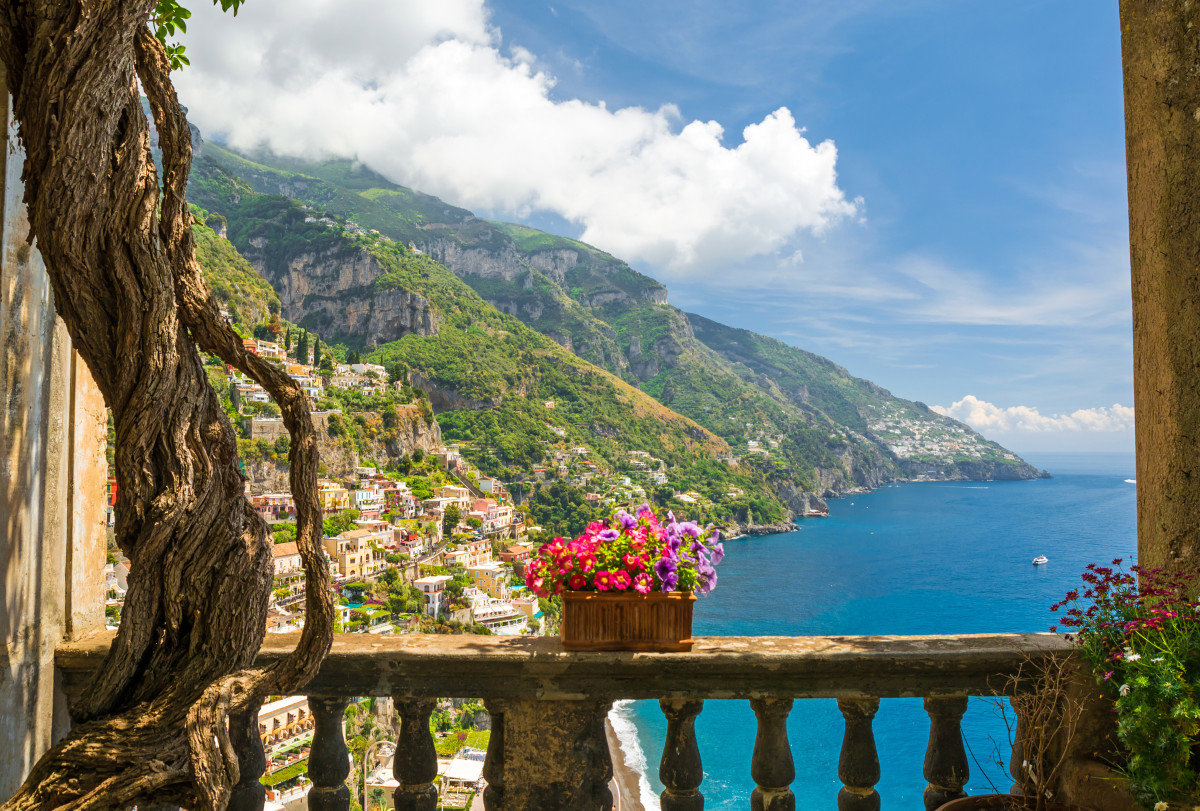
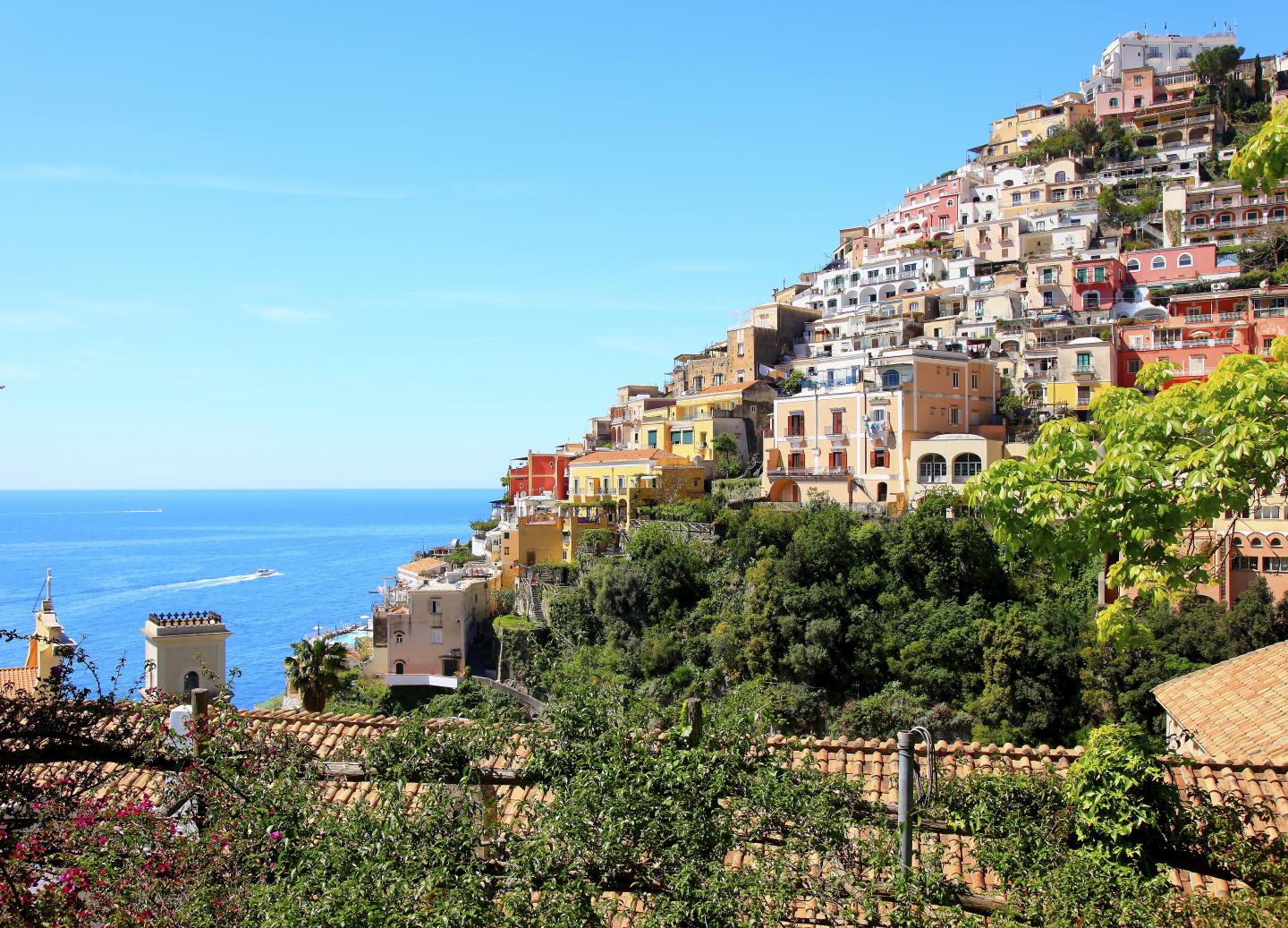
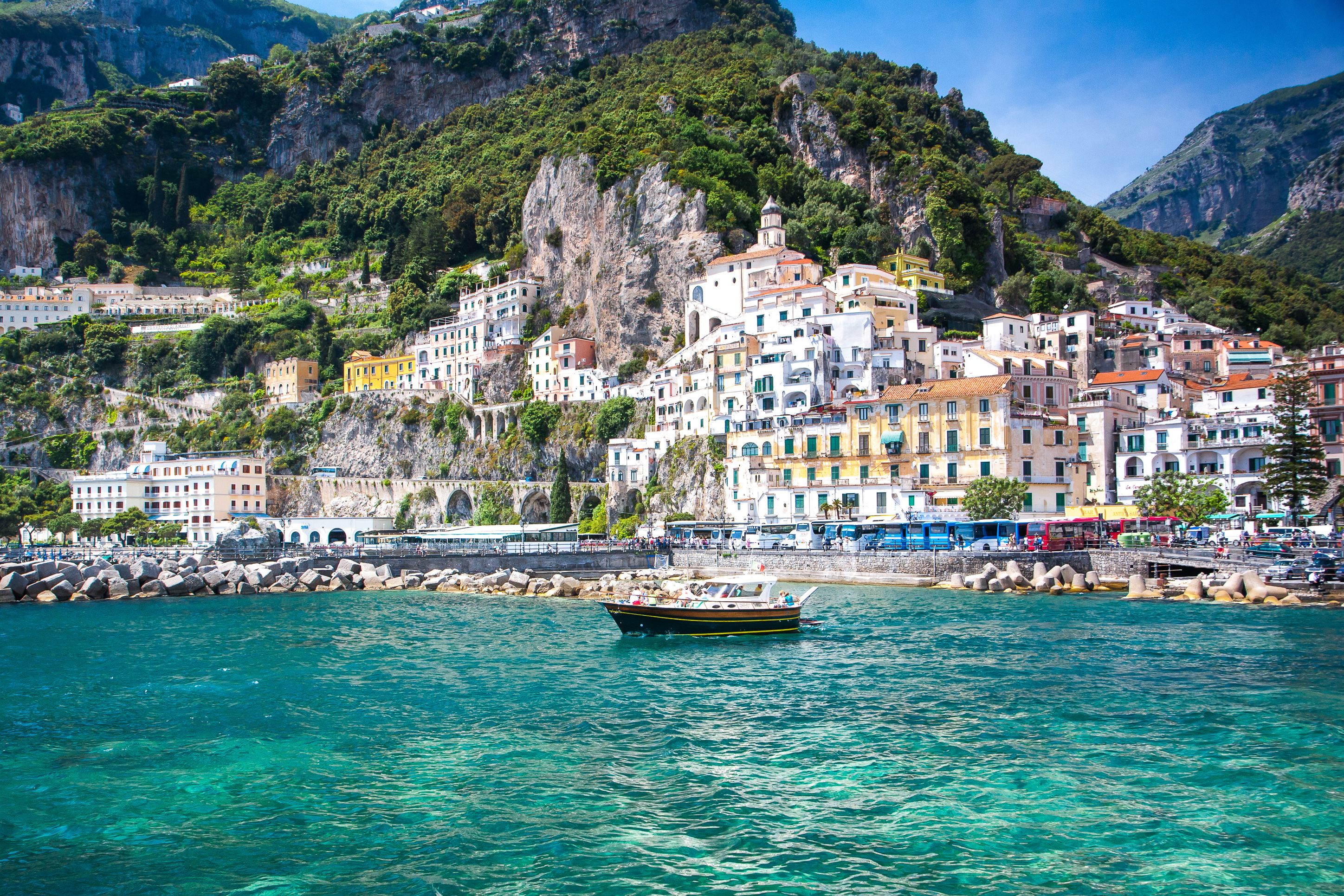
The 50-kilometre Amalfi Coast between Positano in the west and Vietri sul Mare above Salerno in the east is a UNESCO World Heritage Site that compresses an improbable quantity of scenery, history, and architectural character into a single coastal road. Positano, the most photographed village on the coast, cascades in pastel tiers down a near-vertical cliffside to a small beach hemmed by fishing boats and boutiques; its narrow pedestrian lanes reward slow exploration but crowd quickly. Amalfi itself, the medieval maritime republic whose navigational tables (the Tavole Amalfitane) once governed seafaring across the Mediterranean, has a cathedral of extraordinary ambition — its golden Byzantine mosaic facade dominates a broad piazza at the head of the main street. Ravello, perched 350 metres above the sea on a ridge above Amalfi, operates in a different register entirely: quieter, cooler, and commanding views over the Gulf of Salerno from its famous Villa Cimbrone and Villa Rufolo gardens that have been described as among the most beautiful in the world.
The Amalfi Coast by Boat — The View That Changes Everything
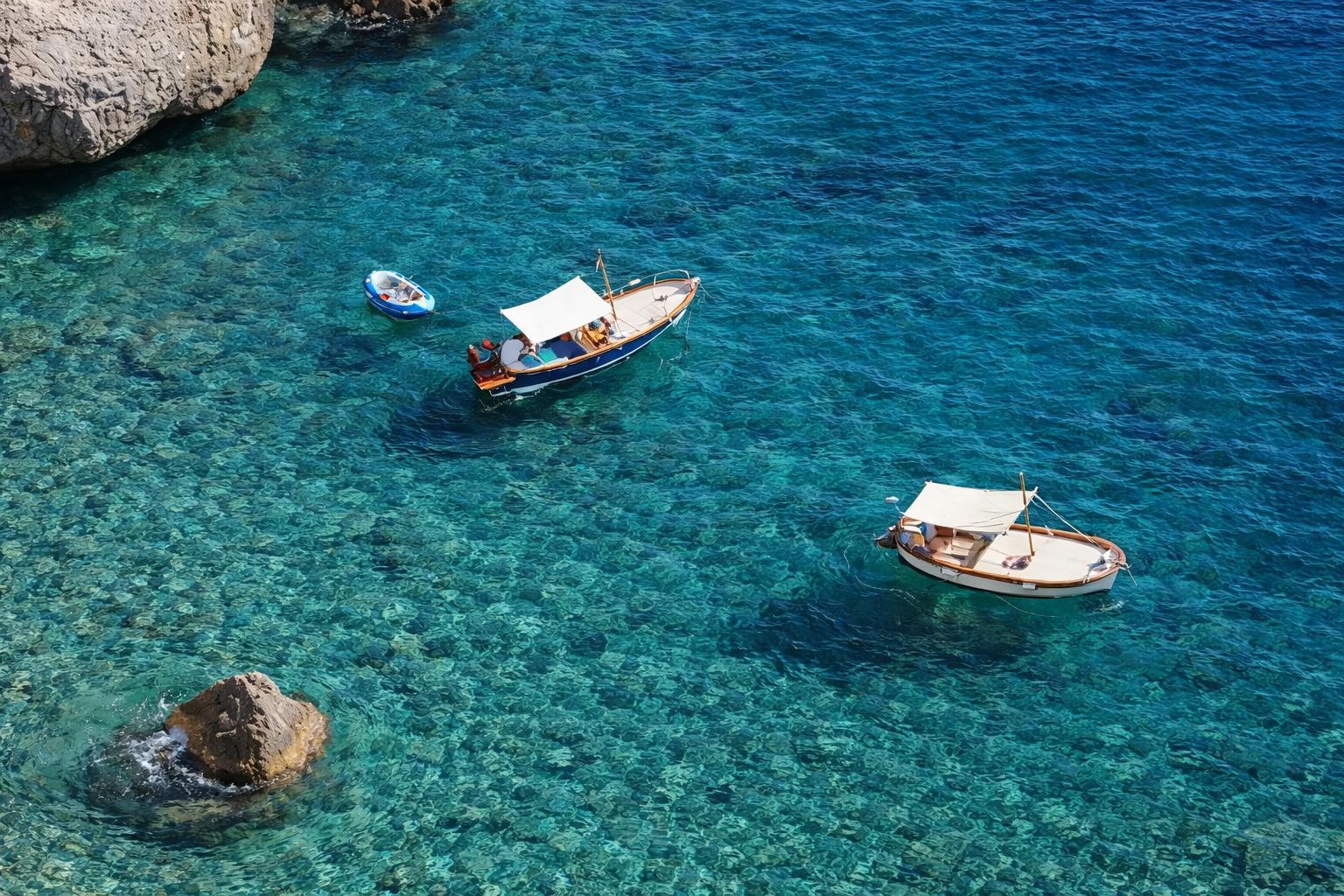
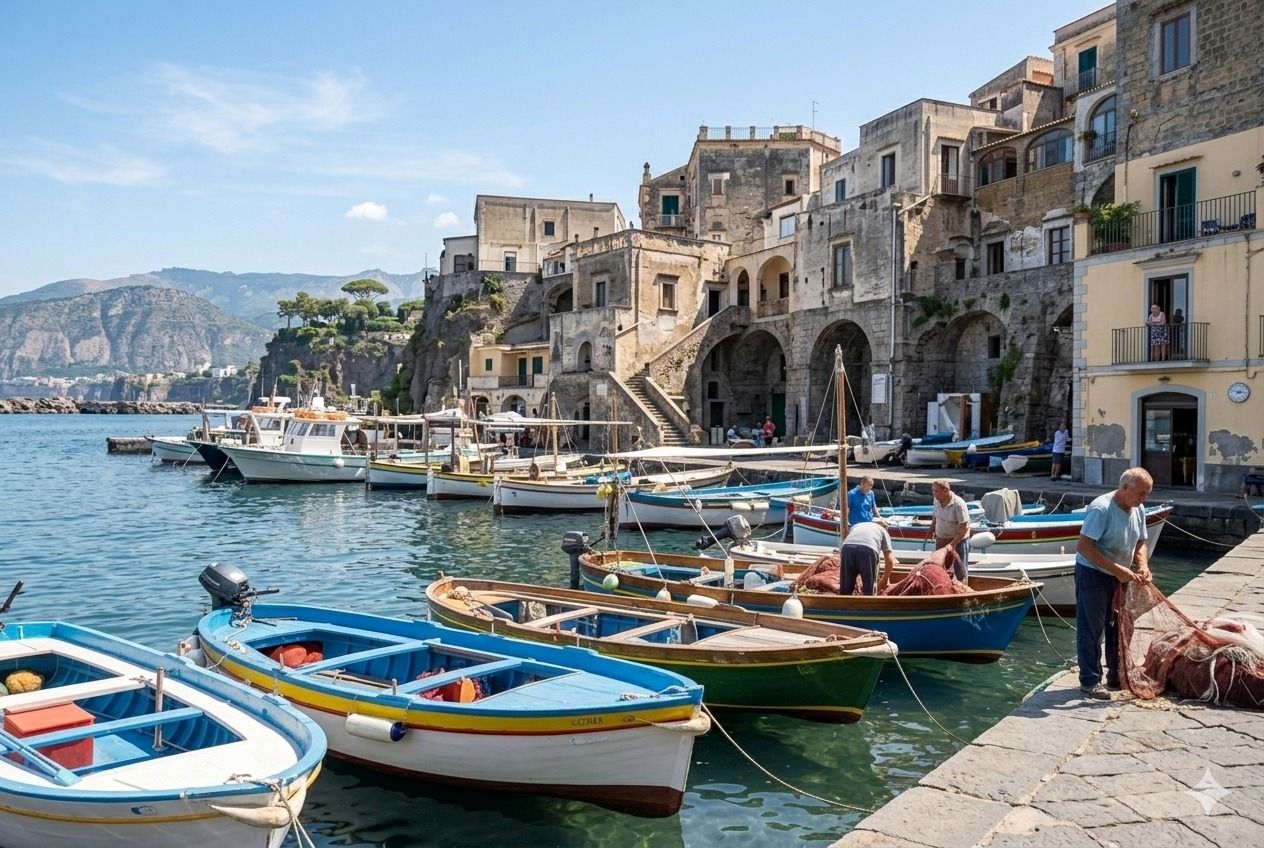
The Amalfi Coast road, however spectacular, offers only intermittent glimpses of the full coastal drama — the cliffs, sea stacks, grottos, and villages seen from land are incomplete without the perspective from the water. A boat excursion from Salerno harbour allows the entire coast to be seen as it was always meant to be seen: from the Tyrrhenian Sea, with the full sweep of cliff and village and lemon terrace visible at once. The boat route north from Salerno passes Cetara's fishing harbour, the dramatic rock of the Faraglioni di Furore set in its narrow gorge, the bay of Praiano, and then the full facade of Positano before reaching the town of Amalfi. From the sea, the scale of the Amalfi Coast becomes comprehensible in a way it never quite does from the road: cliffs that appear modest from above reveal themselves as hundred-metre walls of dolomite plunging directly into deep water, with fishing villages clinging to ledges that seem barely wide enough to support them.
Herculaneum — Pompeii's Smaller, Better-Preserved Neighbour
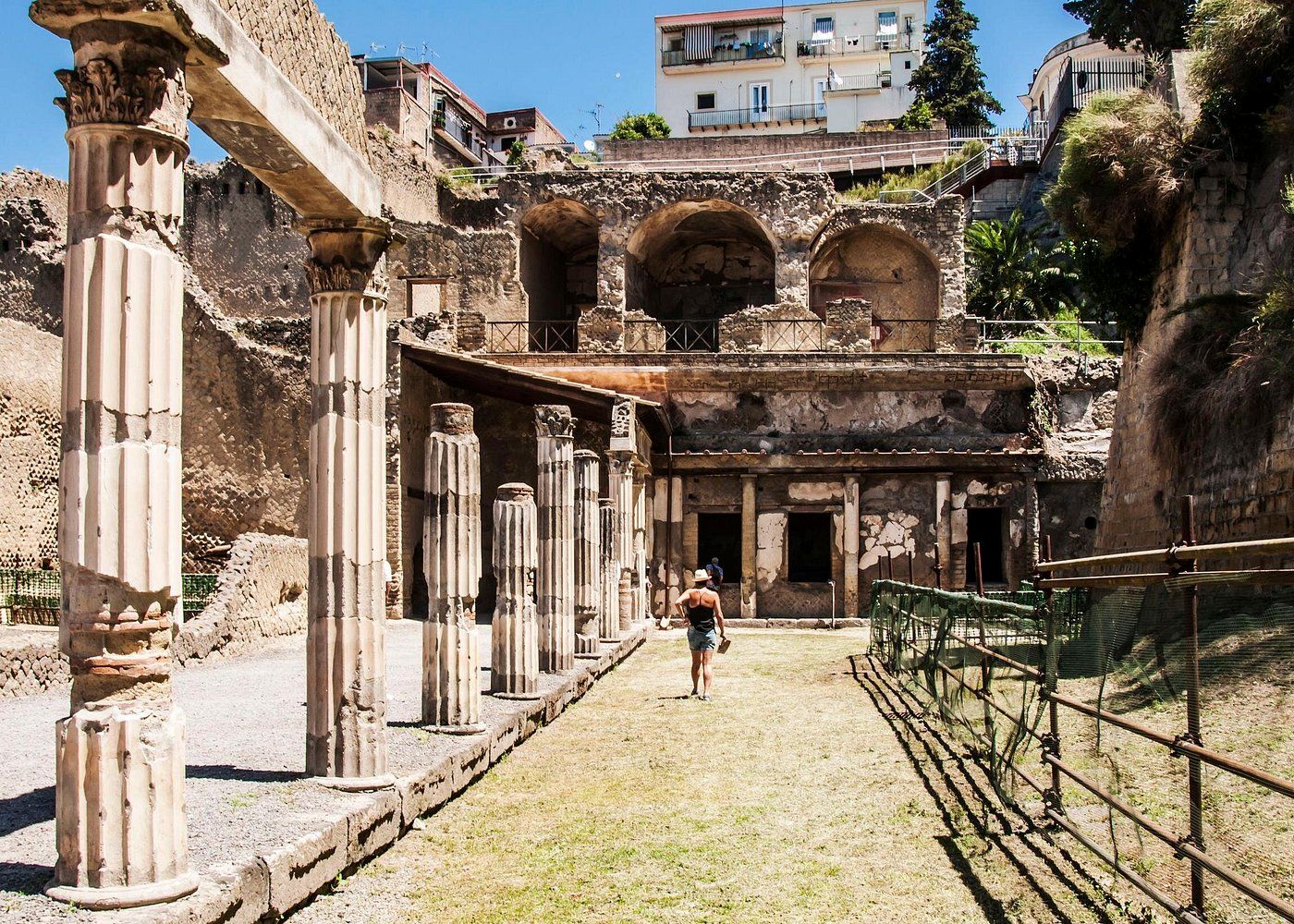
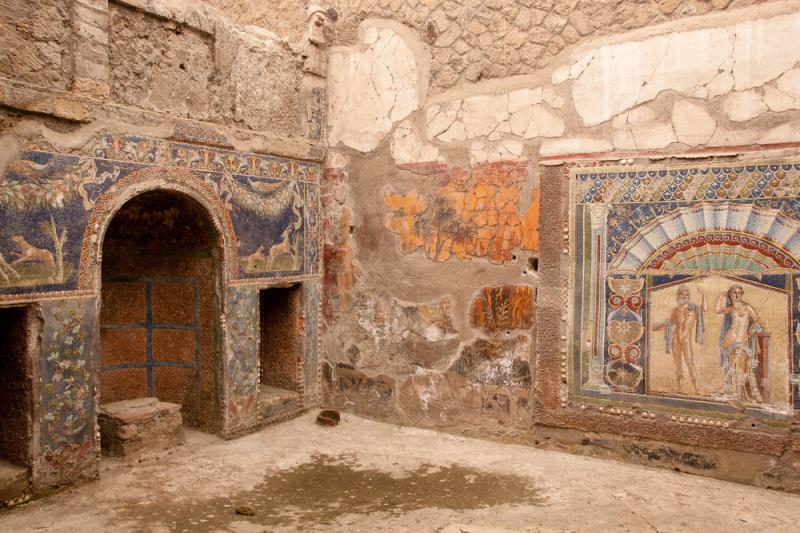
While Pompeii attracts the majority of visitors, Herculaneum — buried by the same eruption under a different type of deposit, a pyroclastic surge that hardened into solid rock rather than loose ash — preserves its ancient fabric in even greater detail. Wooden furniture, doors, and structural elements that would have decayed in Pompeii's ash survived in Herculaneum's harder matrix. The site is smaller and more manageable than Pompeii, and because fewer visitors make the effort to reach it, Herculaneum retains a quality of quiet contemplation that its more famous neighbour has lost. The ancient shoreline, where the residents of the wealthy resort town had crowded into boat sheds during the eruption, has been excavated to reveal dozens of individuals who did not survive. The House of the Mosaic Atrium, the House of the Stags with its striking sculpture, and the remarkably intact terraced houses of the Via dei Decumani give an unusually vivid sense of Roman domestic architecture and life.
Mount Vesuvius — Inside the Volcano That Shaped History
The volcano that destroyed Pompeii and Herculaneum remains the only active volcano on the European mainland and continues to be closely monitored by Italy's volcanological observatory. A road ascends most of the way up its flank, from where a well-maintained path leads to the rim of the crater at approximately 1,281 metres above sea level. Standing at the crater's edge and looking down into the smoking, sulphurous depths — and simultaneously looking out over the entire Bay of Naples, from Capri in the south to the urban sprawl of Naples and Caserta in the north — provides a visceral understanding of why this particular landscape has accumulated so much history. The ascent from road to crater rim takes approximately 30 minutes of moderate walking. Vesuvius is typically combined with a visit to Pompeii or Herculaneum in the same day; the sites lie on the same road approaching the volcano from different directions.
Capri — The Island That Has Captivated Visitors for Two Millennia
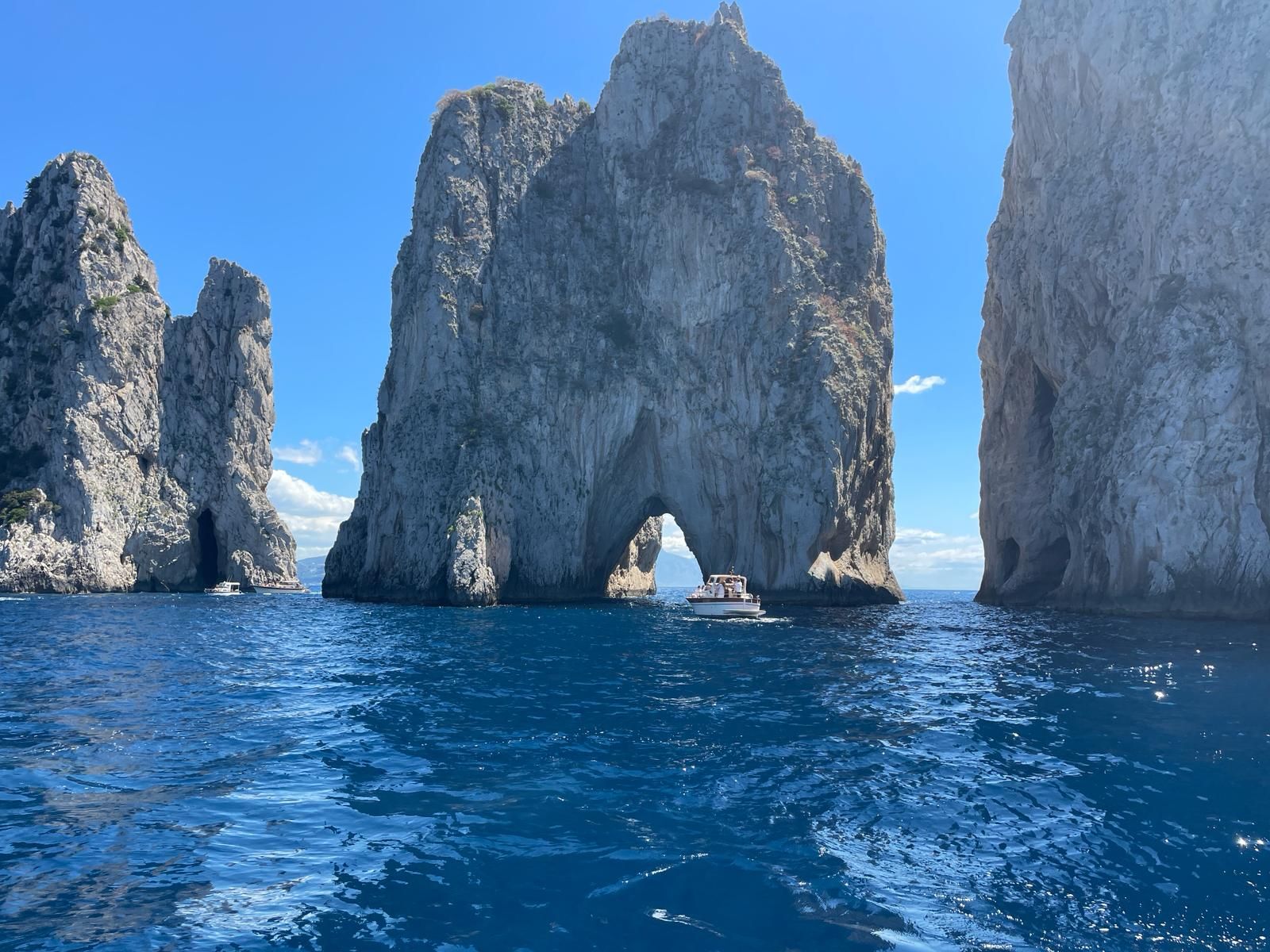
The island of Capri, approximately 25 kilometres offshore from Salerno across the Gulf of Salerno, has been drawing the wealthy, the creative, and the merely curious since the Roman Emperor Tiberius built his principal residence here — Villa Jovis — and governed his empire from its clifftops. Today Capri's reputation as a playground of the very sophisticated is backed up by genuine physical drama: the Faraglioni rock stacks rising from turquoise water, the Blue Grotto sea cave with its eerily illuminated blue light, the stepped lanes of Capri town lined with boutiques and bougainvillea, and the quieter village of Anacapri higher up the island where the crowds thin and the views across the Tyrrhenian broaden. Arriving by boat from Salerno allows the approach to the island to be experienced at sea level, with the full verticality of Capri's limestone cliffs rising ahead. The sea around Capri, particularly near the Faraglioni, is among the clearest in the Mediterranean and is the main reason many visitors come.
Salerno travel tips
Pre-Book Pompeii Tickets to Avoid Entry Queues. Pompeii is one of the most visited archaeological sites in the world, and the entry queues at the main Porta Marina gate can be substantial during peak season. Tickets purchased in advance online allow access through a separate queue that significantly reduces waiting time. The site has a timed-entry system during peak periods; booking a specific entry window in advance is strongly advisable for anyone visiting between May and September.
Wear Sun Protection and Carry Water at Ancient Sites. Both Pompeii and Herculaneum are outdoor sites with very limited shade. The excavated streets and ruins offer almost no natural shelter from the sun, and summer temperatures in southern Italy frequently exceed 35 degrees Celsius. Sunscreen, a hat, sunglasses, and a substantial water supply are not optional in warm weather — dehydration and sunstroke are genuine risks for visitors who underestimate the exposure. Water refill points exist within Pompeii; entry at Herculaneum has a small cafe.
The Amalfi Coast Road Requires Patience in Summer. The SS163 Amalfi Drive is a genuinely narrow two-lane road that passes through tunnels, over single-lane bridges, and around blind hairpin bends, while simultaneously carrying a full share of buses, delivery vehicles, and tourist coaches. In July and August, traffic can reduce speeds to walking pace for extended periods. Anyone travelling this road should factor substantial buffer time into their schedule and approach the journey as part of the experience rather than an inconvenience.
Sea Conditions Affect Boat Excursions — Check Before Departure. The Tyrrhenian Sea between Salerno and Capri, and the waters around the Amalfi Coast, can be choppy in certain wind conditions — particularly when the libeccio (southwest wind) is blowing. Boat excursions are generally comfortable in calm conditions but can be challenging for those prone to seasickness when the sea is rough. Checking sea conditions and operator guidance before departing is worthwhile, especially if visiting in spring or autumn when weather is more variable.
Ravello Is Worth the Detour from the Coast Road. Most visitors travelling the Amalfi Coast focus on Positano and Amalfi and skip Ravello on the assumption that the detour up the mountain road is not worth the time. This is a mistake. Ravello's altitude and relative quietness give it a completely different character from the coast below, and the views from Villa Cimbrone's terrace over the Gulf of Salerno are genuinely extraordinary. The town itself is small enough to explore in an hour, making it a practical addition to a coastal day even with limited time.
Try Cetara's Colatura di Alici — A Condiment Unlike Any Other. The small fishing village of Cetara, located on the Amalfi Coast between Salerno and Amalfi, is the source of colatura di alici — an aged anchovy sauce produced by the slow fermentation of local anchovies in wooden barrels. It is to Italian cooking what Thai fish sauce is to Southeast Asian cuisine: a liquid concentrate of umami that transforms simple dishes. Available in small bottles at Cetara's shops and in Salerno's better delicatessens, colatura makes an exceptional and genuinely distinctive food souvenir.
Port Facts Every Cruiser Needs To Know
Salerno shore excursion FAQs
It is physically possible to do both in a single day, but not both in depth. A thorough visit to Pompeii takes two to three hours minimum just at the site, and the Amalfi Coast villages each reward slower exploration. Combining a meaningful Pompeii visit with time in Positano, Amalfi, and Ravello in one day is very rushed and involves significant travel time between the two directions. Most visitors choose one as the day's main focus: either the ancient ruins or the coastal villages. A third option is a full-day Amalfi Coast boat excursion from Salerno harbour, which covers the coast without the road traffic.
Both sites are exceptional, but they offer different experiences. Pompeii is larger, more comprehensive, and more famous, making it the obvious choice for a first-time visitor with sufficient time. Herculaneum is smaller, better preserved in terms of organic materials (wood, fabric), and significantly less crowded. Visitors with particular interest in Roman domestic architecture and daily life sometimes find Herculaneum more rewarding precisely because its smaller scale makes it more intimate. For a cruise passenger with limited time, Herculaneum can be seen more completely in two hours than Pompeii.
Pompeii is approximately 40 to 50 kilometres north of Salerno, depending on the route. By road, the journey takes approximately 45 to 60 minutes each way under normal traffic conditions. The Circumvesuviana railway, accessed from Salerno's main train station (approximately 1.5 kilometres from the cruise port), also connects to Pompeii's dedicated station (Pompei Scavi) in around 40 minutes, though the train service has variable punctuality.
There are two main options: by road along the SS163 Amalfi Drive, or by boat from Salerno harbour. The road journey is the more common approach and allows stops at Positano, Amalfi town, and Ravello. The boat approach reveals the full coastal scenery from the sea — the perspective that the clifftop road cannot provide — and allows swimming in the clear coastal waters. Many visitors who have done the road journey on a previous visit prefer the boat option on subsequent calls, as it shows the coast in an entirely different and often more spectacular way.
Capri is approximately 25 kilometres offshore from Salerno, and a regular hydrofoil service operates from Salerno's Molo Manfredi ferry terminal during the warmer months (typically April to October), taking around 60 to 80 minutes. Organised boat excursions from the harbour offer a more leisurely approach with flexible timing for stops along the route. The crossing can be choppy in certain wind conditions; checking sea conditions before departure is advisable.
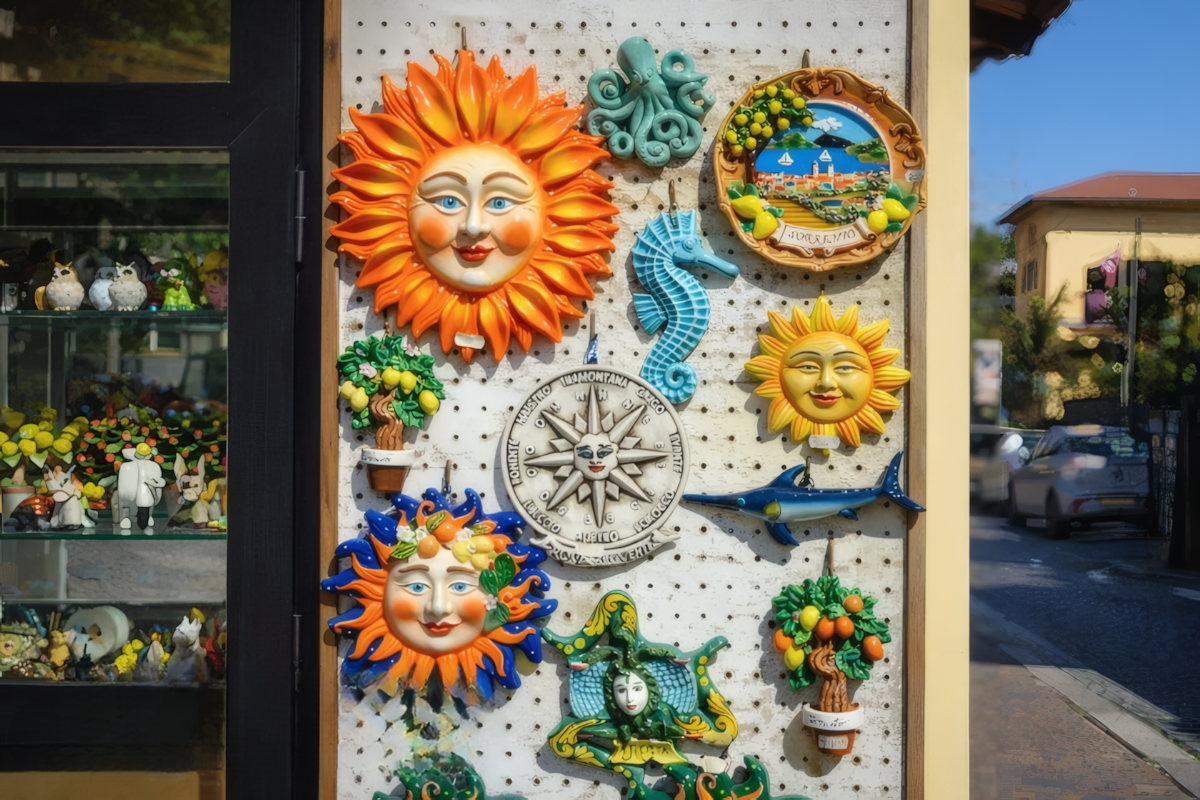
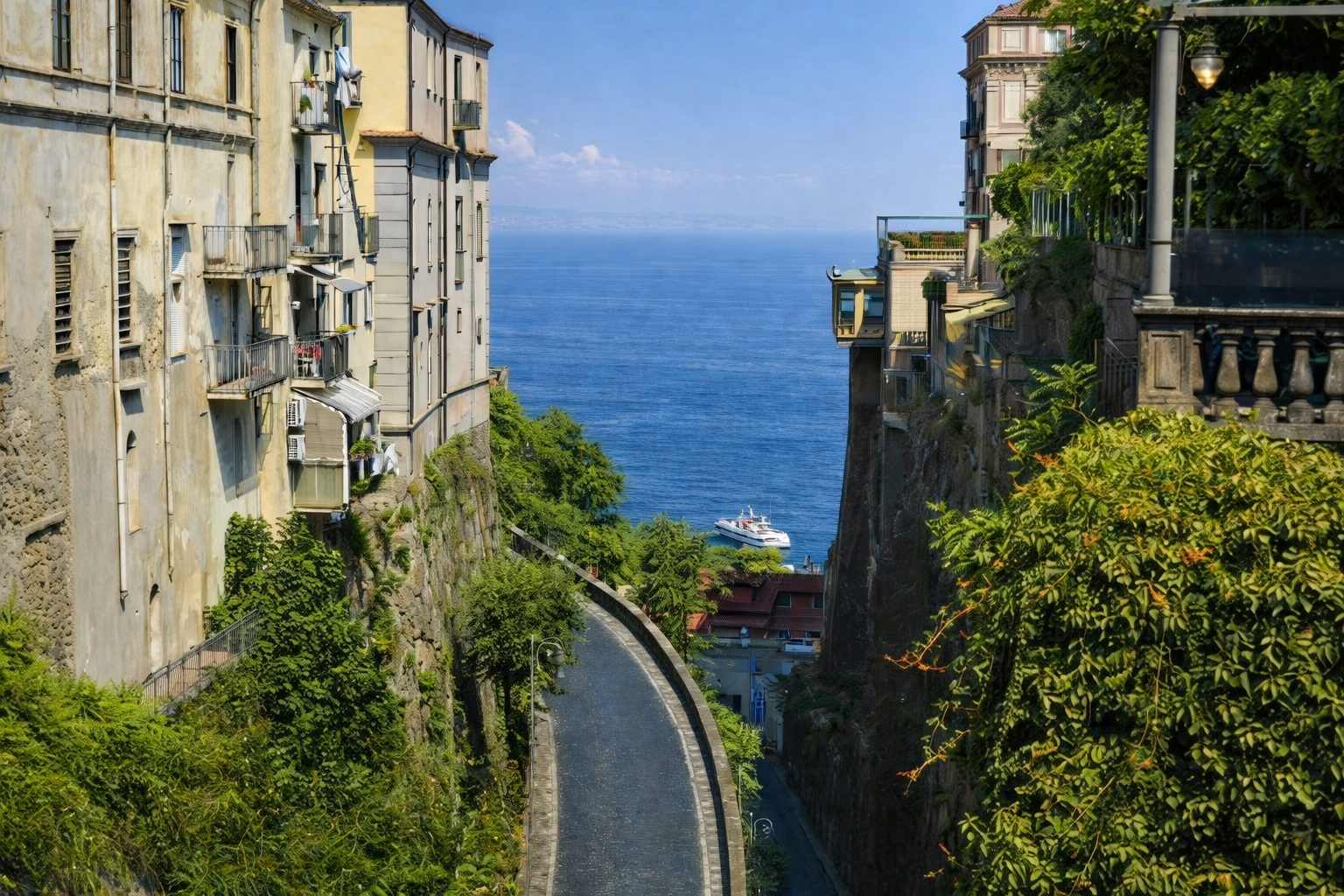
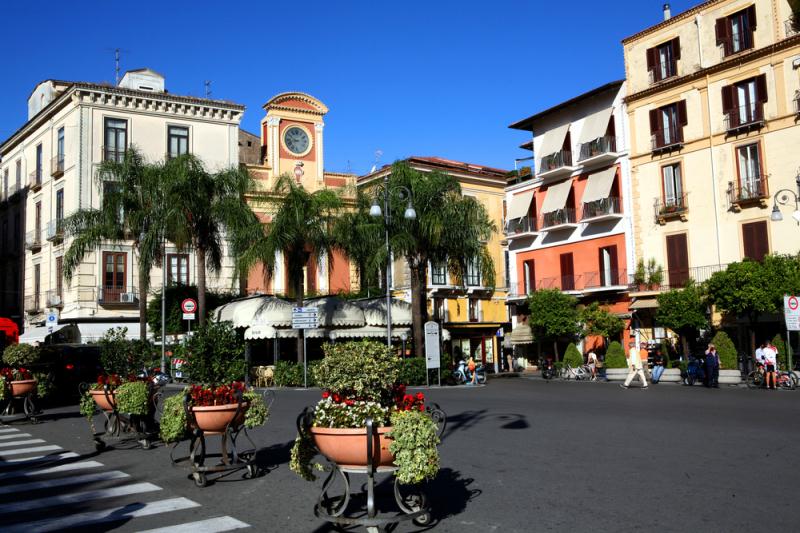
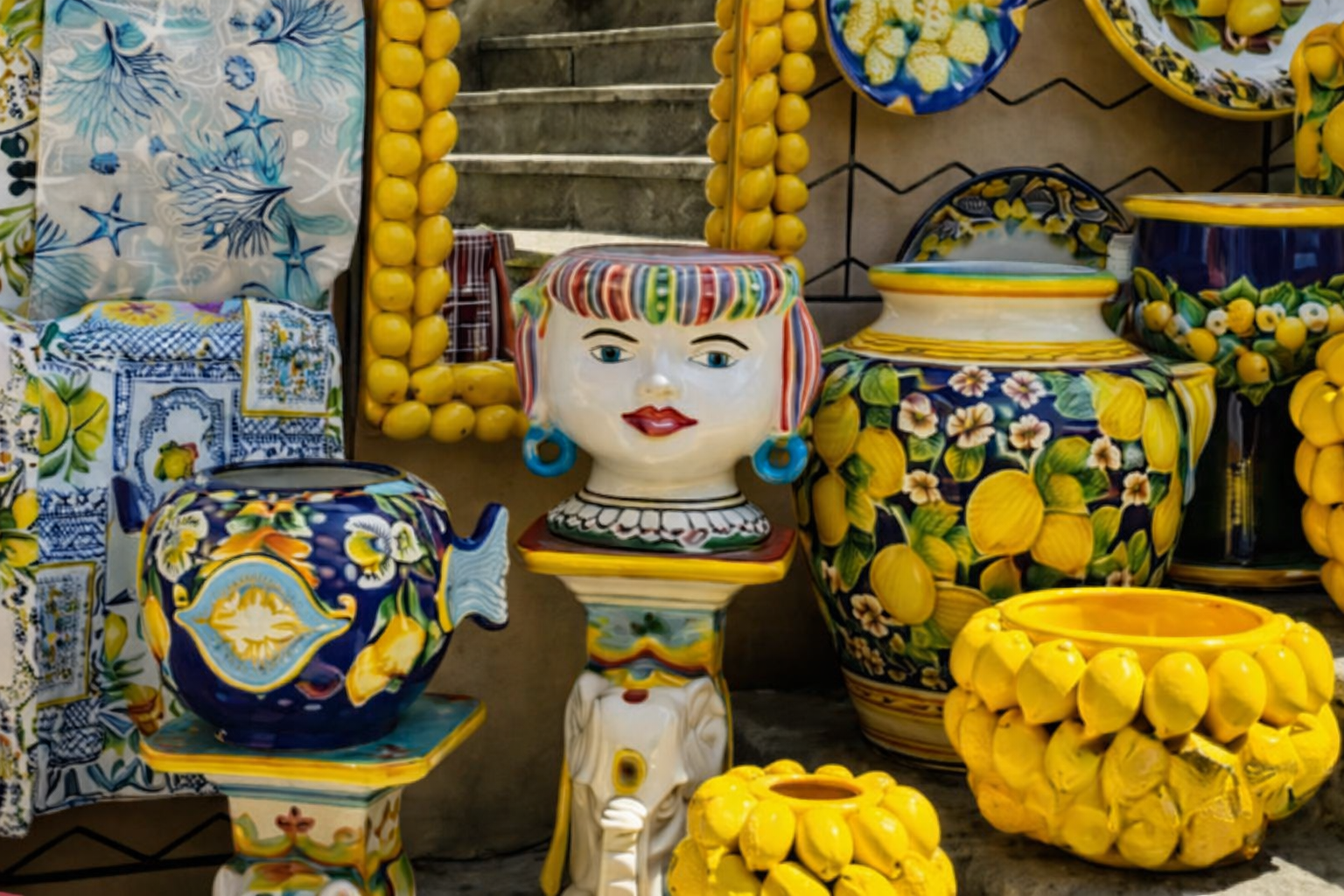
Sorrento is located on the other side of the Sorrentine Peninsula from Salerno, approximately 60 to 70 kilometres by road. The journey takes roughly 90 minutes in each direction, making it a significant time commitment. Sorrento itself is a handsome clifftop town with a pleasant historic centre, good shopping for local limoncello and ceramics, and excellent views across the Bay of Naples toward Vesuvius. It works well as a combination with Pompeii, given the proximity on that side of the peninsula, but is less easily combined with an Amalfi Coast day from Salerno.
Salerno's own highlights include the Cathedral of San Matteo (St Matthew), an exceptional Norman structure built in the 11th century with magnificent bronze doors, a Romanesque interior, and the tomb of the Apostle Matthew. The Via Mercanti pedestrian street is the main historic thoroughfare, lined with churches and medieval buildings. The Lungomare Trieste waterfront promenade stretches for two kilometres and offers direct views across the Gulf of Salerno toward the Amalfi mountains. Salerno city can be explored thoroughly in two hours and makes a good combination with a boat trip departing from the harbour.
The Amalfi Coast has very few sandy beaches; most bathing areas are shingle or stone. The main beach options are at Positano (shingle), Amalfi (small shingle area), and the more extensive beaches at Minori and Maiori further toward Salerno. The water is clear and warm in summer, and the coastal swimming experience is generally excellent despite the absence of sand. Many boat excursions stop in sheltered bays along the coast for swimming directly from the boat, which is often the best way to access the clearest water.
The Amalfi Coast presents significant accessibility challenges. Positano is particularly steep, with most access to the beach and main areas involving extended stairways; it has very limited accessibility for passengers using wheelchairs or with significant mobility limitations. Amalfi town's main square and cathedral area are more accessible, with the main street being relatively flat. Ravello involves some steps and uneven terrain. A boat excursion from Salerno allows passengers to see the coast scenically from the sea without the physical demands of the coastal villages.
The Campania and Amalfi Coast region produces some of Italy's most iconic foods. Mozzarella di bufala from the plains south of Salerno (around Paestum and Battipaglia) is the world standard for buffalo mozzarella. The sfusato amalfitano lemon — larger, thicker-skinned, and more aromatic than ordinary lemons — underlies the region's limoncello and is used fresh in cooking throughout the coast. Scialatielli (a thick, short pasta) with seafood is the classic coastal preparation. The anchovies of Cetara, preserved in salt or processed into colatura di alici sauce, are a regional speciality with centuries of history.
Filters
Select a filter to refine results.
Tour Type
Tour Activity
 Cart
Cart
 USD
USD GBP
GBP AUD
AUD EUR
EUR CAD
CAD