





Looking for another Cruise?
Tours in Split


Cruising to Split in a group?
Skip the crowded ship excursion bus. One dedicated planner will design a private shore experience around exactly what your group wants — coordinated from first enquiry to the moment you're back on board. More memorable, more flexible, and more affordable than you might expect. Spend less time organising, more time enjoying.
Explore Group Travel →Cruising to Split
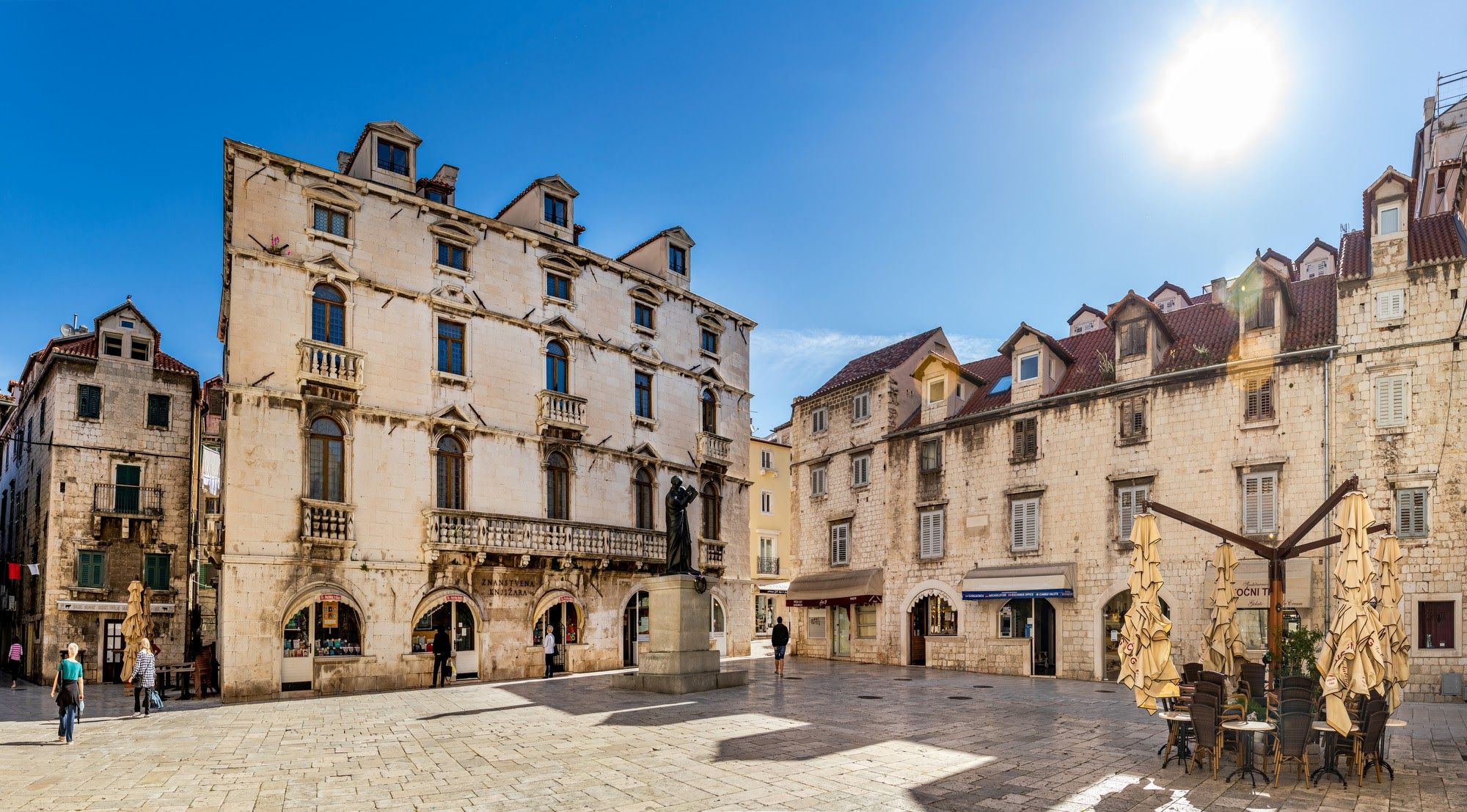
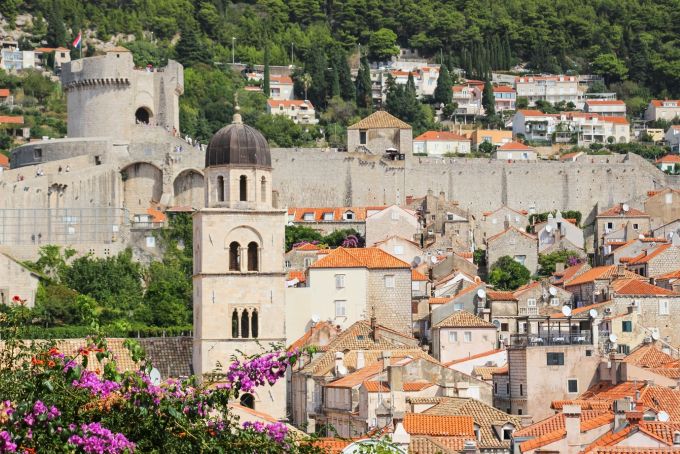
Split is one of the Mediterranean's most extraordinary cities — not because it possesses ancient ruins, but because it is one. The retirement palace of Roman Emperor Diocletian, completed around AD 305, covers seven acres of Split's waterfront, and for seventeen centuries the people of Dalmatia have not merely preserved it but inhabited it. Medieval chapels occupy Roman temples. Restaurants occupy Roman cellars. Families live in apartments tucked into imperial corridors. The result is something unique in the world: a UNESCO World Heritage Site that is simultaneously a living, breathing city centre, full of cafes, art studios, market stalls, and street musicians whose notes drift through colonnades that have stood since the fall of Rome.
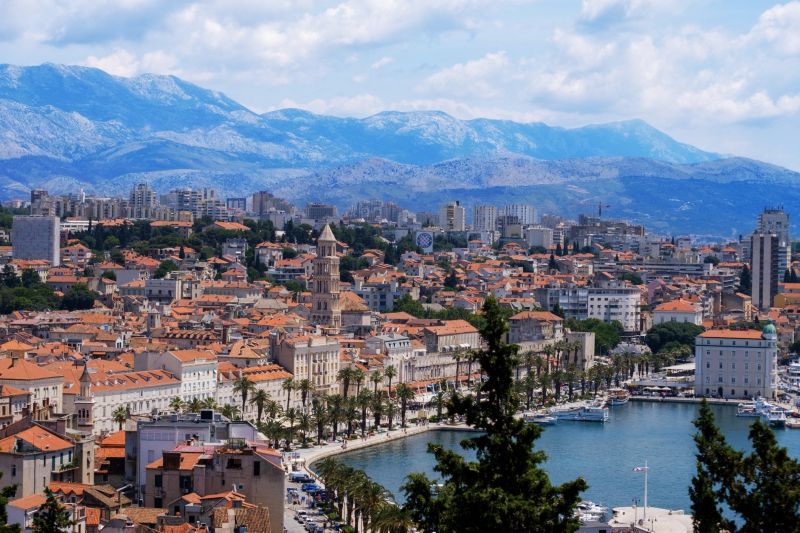
The Riva promenade, stretching along the waterfront just outside the palace's southern walls, is Split's great outdoor drawing room. Palm-lined and pedestrianised, it faces the shimmering Adriatic with an easy confidence that speaks to centuries of prosperity. Cruise ships dock just minutes from this promenade, which means that from gangway to Diocletian's Peristyle — the grand central courtyard at the palace's heart — is a walk of barely fifteen minutes. Few ports in Europe deliver you so immediately into something so remarkable.
Beyond the Old Town, the Dalmatian hinterland offers exceptional variety. Trogir, a UNESCO-listed medieval island town 27 kilometres to the northwest, can be explored in a morning or afternoon. The ruins of ancient Salona, once Rome's Dalmatian capital with a population of 60,000, lie just seven kilometres from Split's centre. Krka National Park, with its series of travertine waterfalls and brilliant turquoise lakes, provides a dramatic natural counterpoint to the region's cultural riches. Plitvice Lakes, though a longer drive, rewards those willing to commit a full day to what many consider Croatia's most spectacular natural landscape.
Split manages the challenge of mass tourism with more grace than many comparable Mediterranean destinations. The Old Town's maze of narrow lanes quickly absorbs even the largest crowds, and a short walk uphill to Marjan Hill or into the residential neighbourhoods above the palace delivers immediate tranquillity. The city's food scene, anchored in exceptional Adriatic seafood and Dalmatian wine, has matured considerably in recent years, making Split not just a waypoint for excursions but a destination worth savouring in its own right.
Top things to do in Split on a cruise stopover
Diocletian's Palace: A Roman Emperor's Retirement City
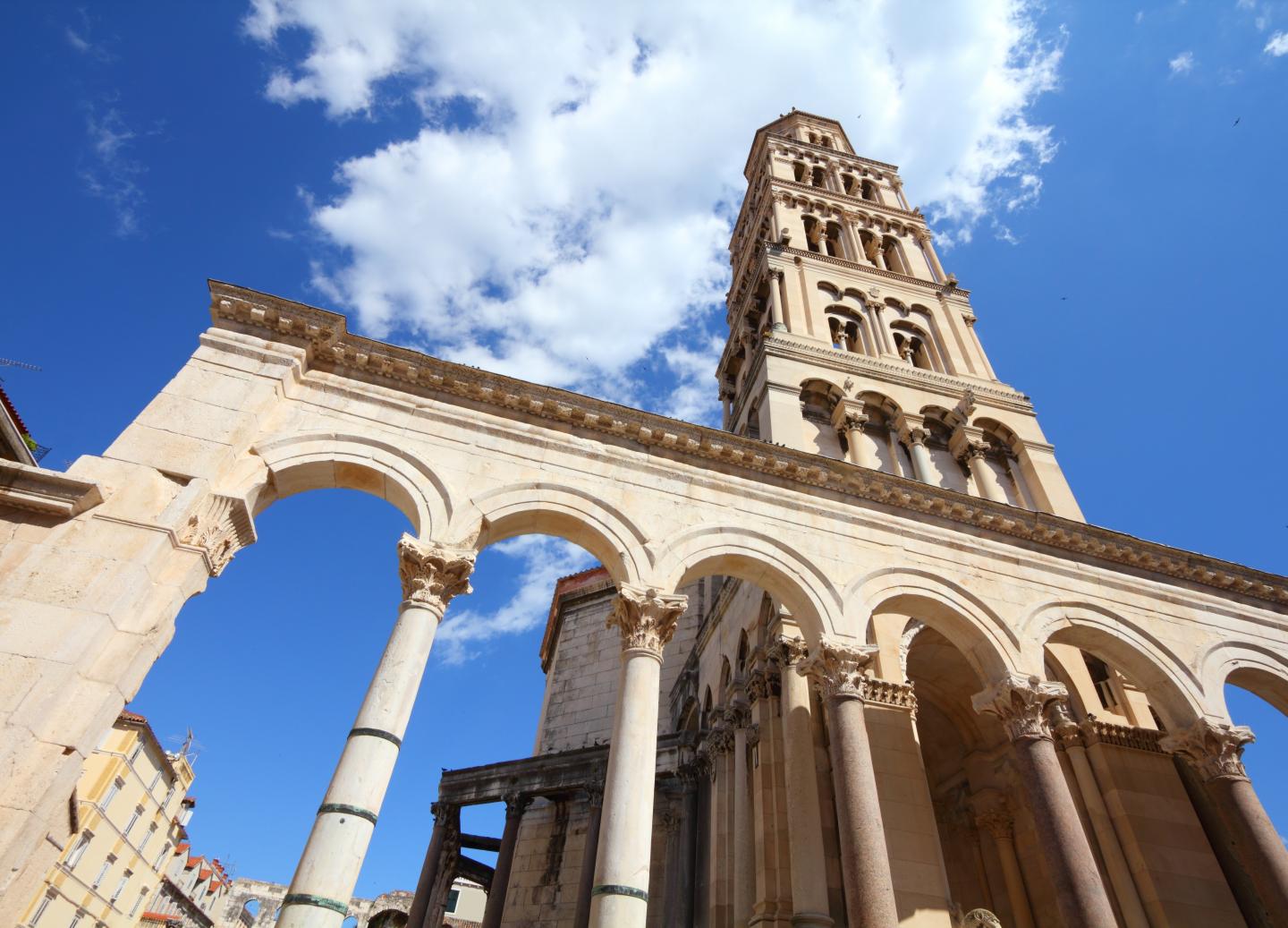
Built between AD 295 and 305 as a retirement residence for Emperor Diocletian, this vast complex covers roughly seven acres and originally housed the emperor's quarters, a mausoleum, temples, and a garrison of around 9,000 people. What makes it extraordinary is that it never became a ruin. After Diocletian's death, refugees from nearby Salona moved inside its walls and never left. Medieval churches were inserted into Roman temples. Renaissance palaces rose between imperial columns. Today, around 3,000 people still live within the palace precincts. The Peristyle — the grand columned courtyard at the heart of the complex — is one of the most atmospheric public spaces in Europe, ringed by ancient stonework and animated day and night by café tables, street performances, and the ceaseless flow of visitors from around the world.
Trogir: A UNESCO-Listed Medieval Island Town
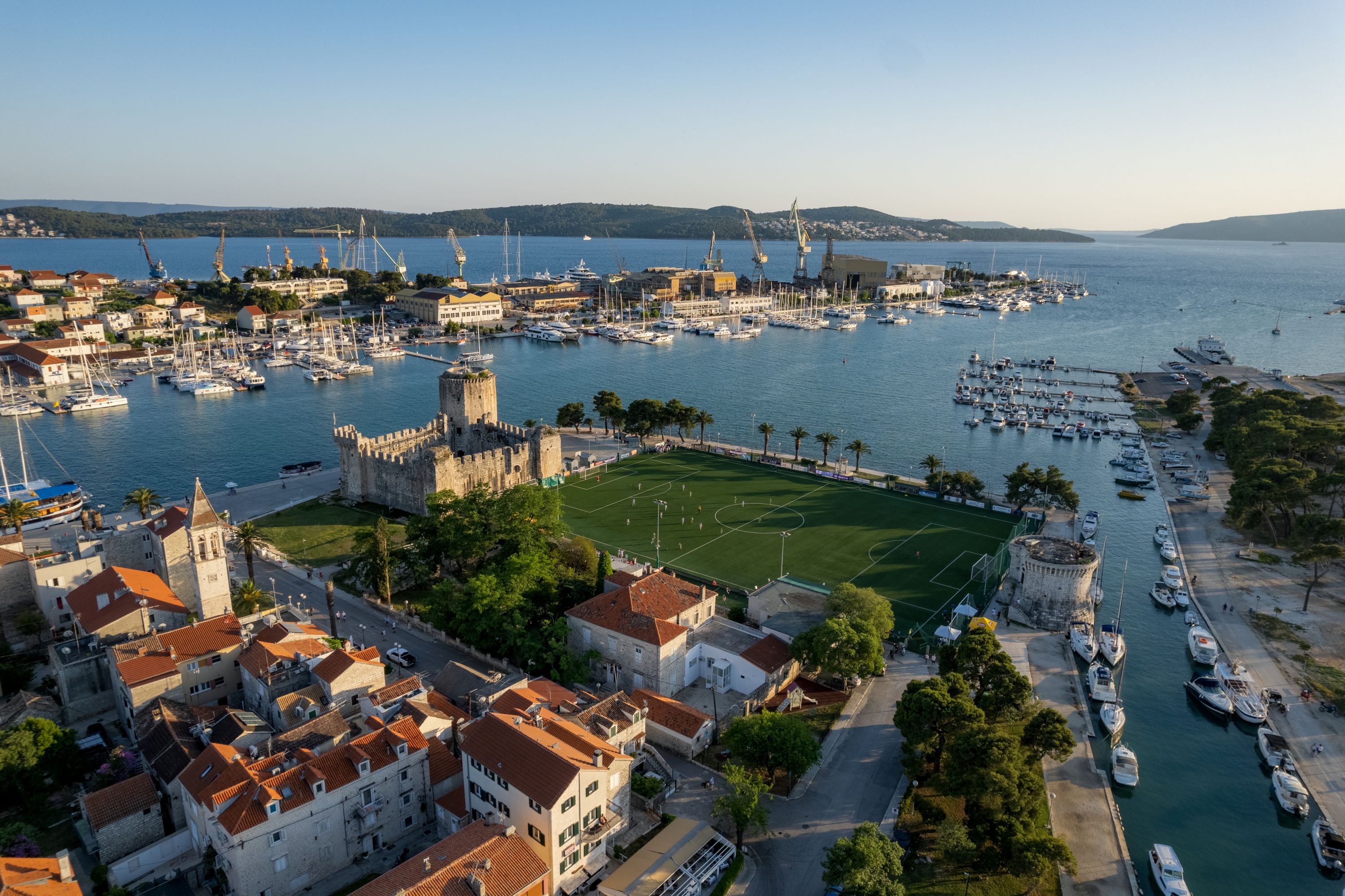
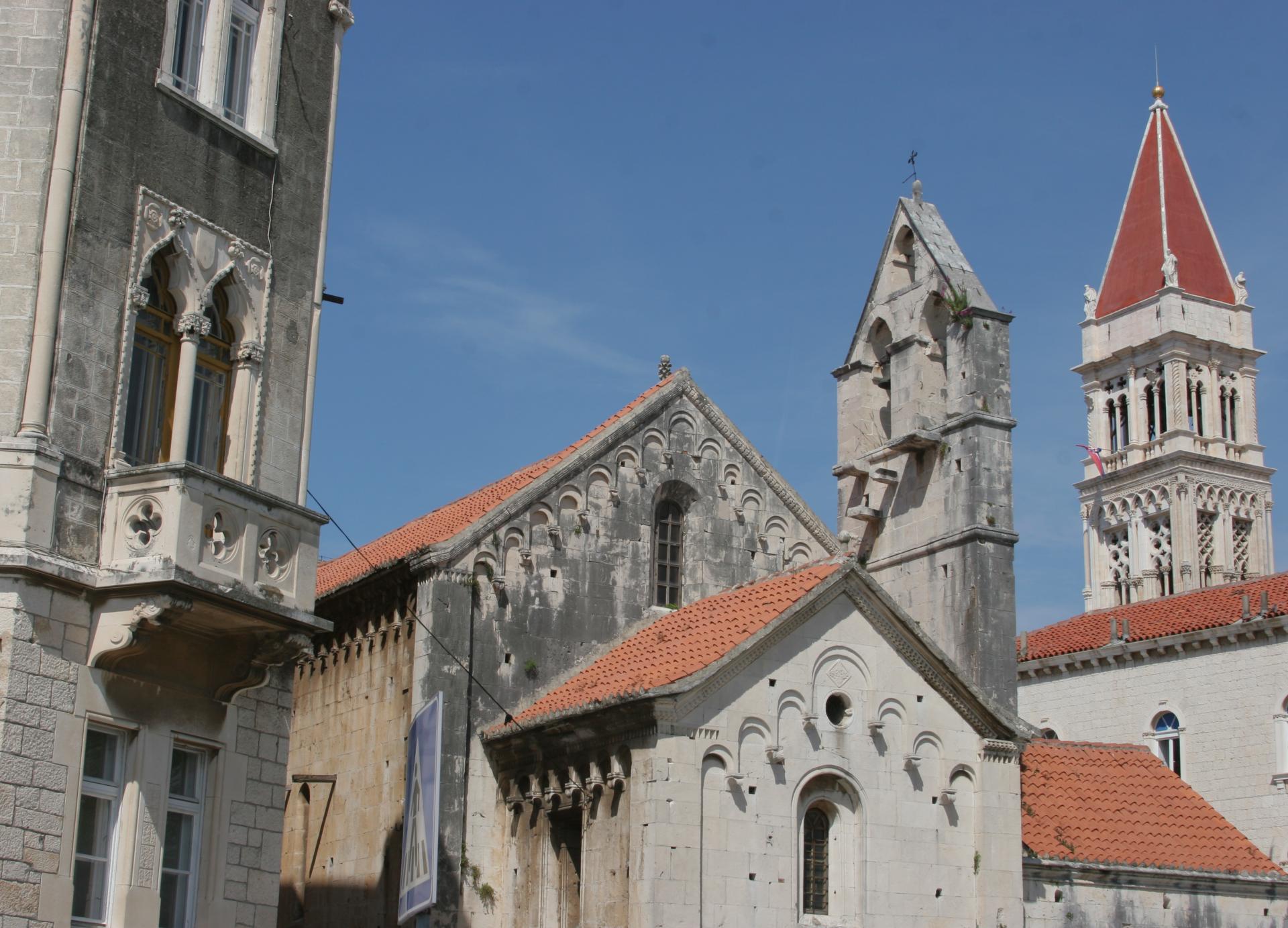
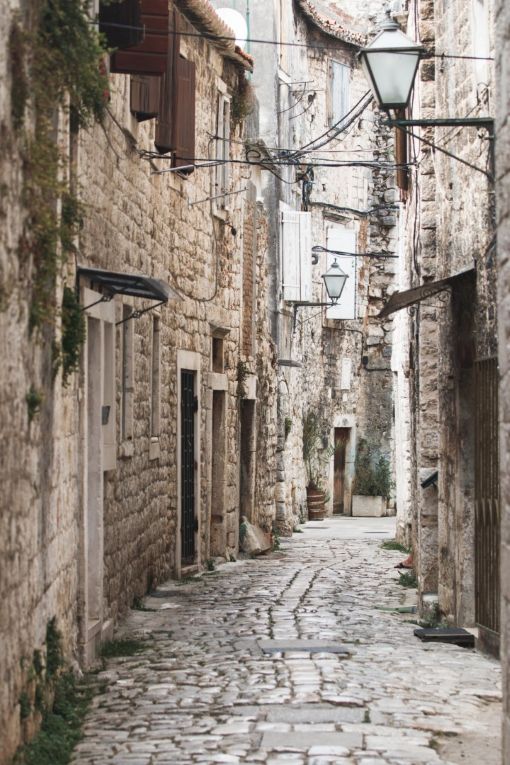
Connected to the mainland by a bridge and to the island of Ciovo by a second, Trogir is an entire medieval town preserved on a tiny island just 27 kilometres northwest of Split. Its Cathedral of St Lawrence — featuring an intricate Romanesque portal carved by master sculptor Radovan in 1240 — is one of the finest examples of medieval stone carving in the Adriatic. The narrow lanes, loggia, clock tower, and Kamerlengo fortress that surround the cathedral create a coherent medieval ensemble of exceptional quality. UNESCO inscribed the old town in 1997. Trogir also makes an excellent setting for lunch, with waterfront restaurants serving fresh Dalmatian seafood and local wines in a setting that feels entirely removed from the hustle of Split's larger old town.
Krka National Park: Waterfalls and Turquoise Cascades
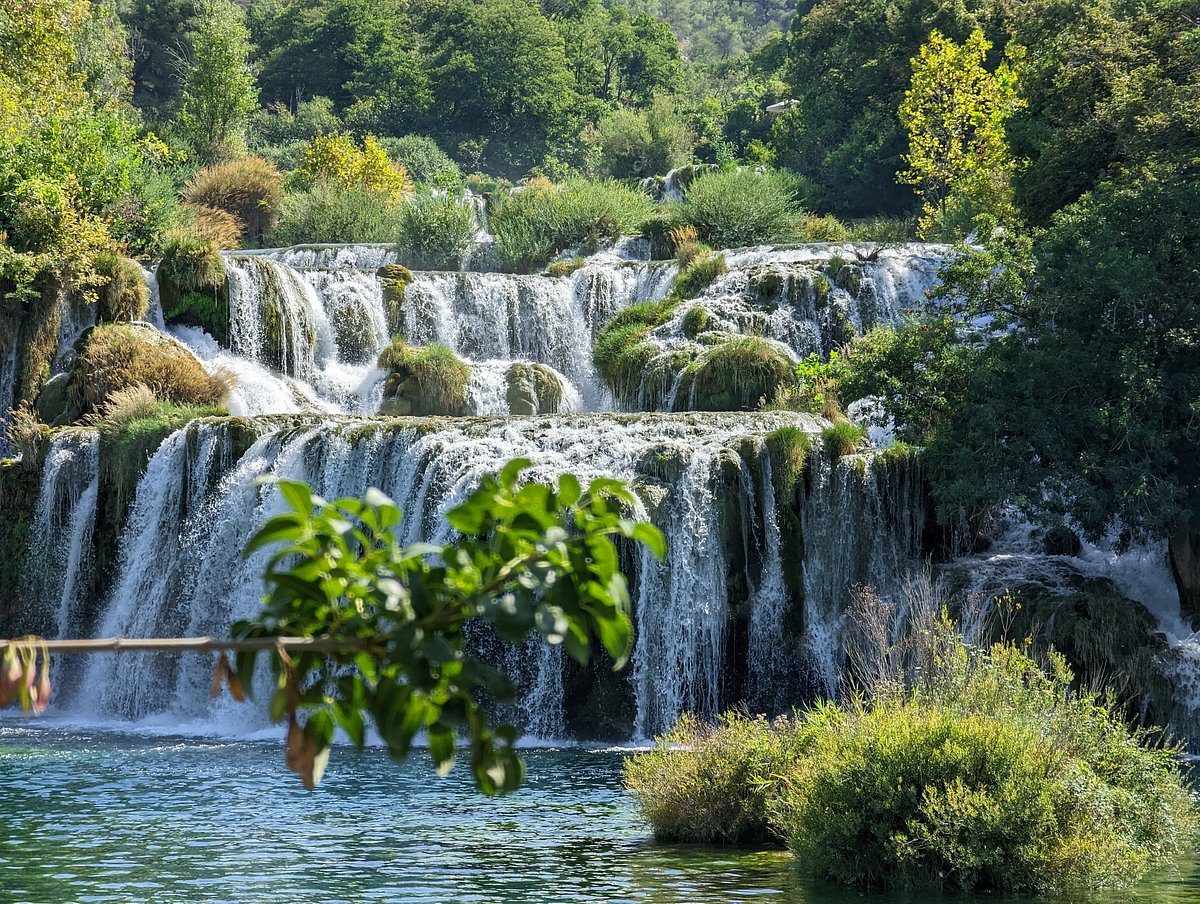
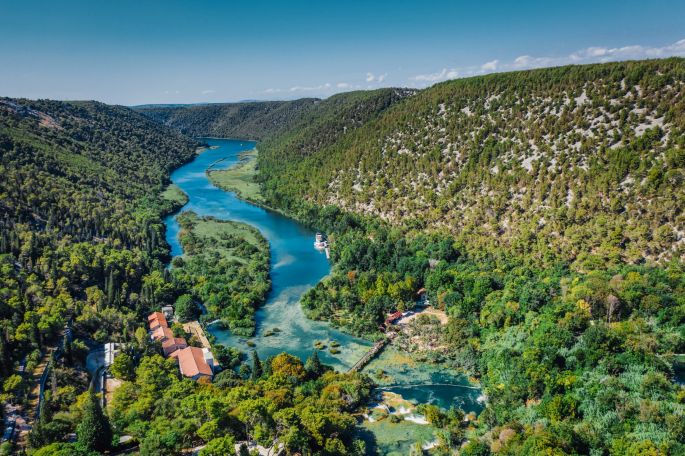
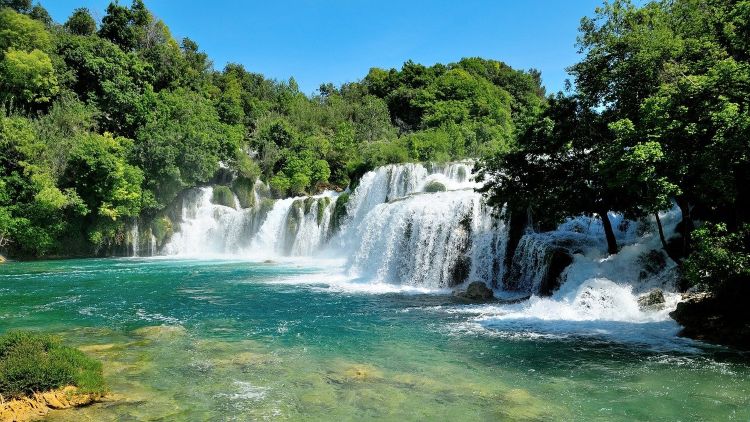
Krka National Park, centred on the Krka River canyon roughly 80 kilometres north of Split, offers one of Croatia's most spectacular natural experiences. The park's most famous feature is Skradinski Buk, a series of sixteen travertine waterfalls dropping 45 metres across a 800-metre stretch of river, creating pools of brilliant turquoise-green water fringed by mills, wooden walkways, and lush vegetation. The nearby Visovac island — reached by boat — holds a Franciscan monastery that has occupied its lake-bound position since the 15th century. The combination of ancient stone and rushing water creates a landscape of almost theatrical beauty. The park's wooden boardwalks allow close-up exploration at a gentle pace; count on at least three to four hours to do it justice.
Salona: The Ruins of Roman Dalmatia's Capital
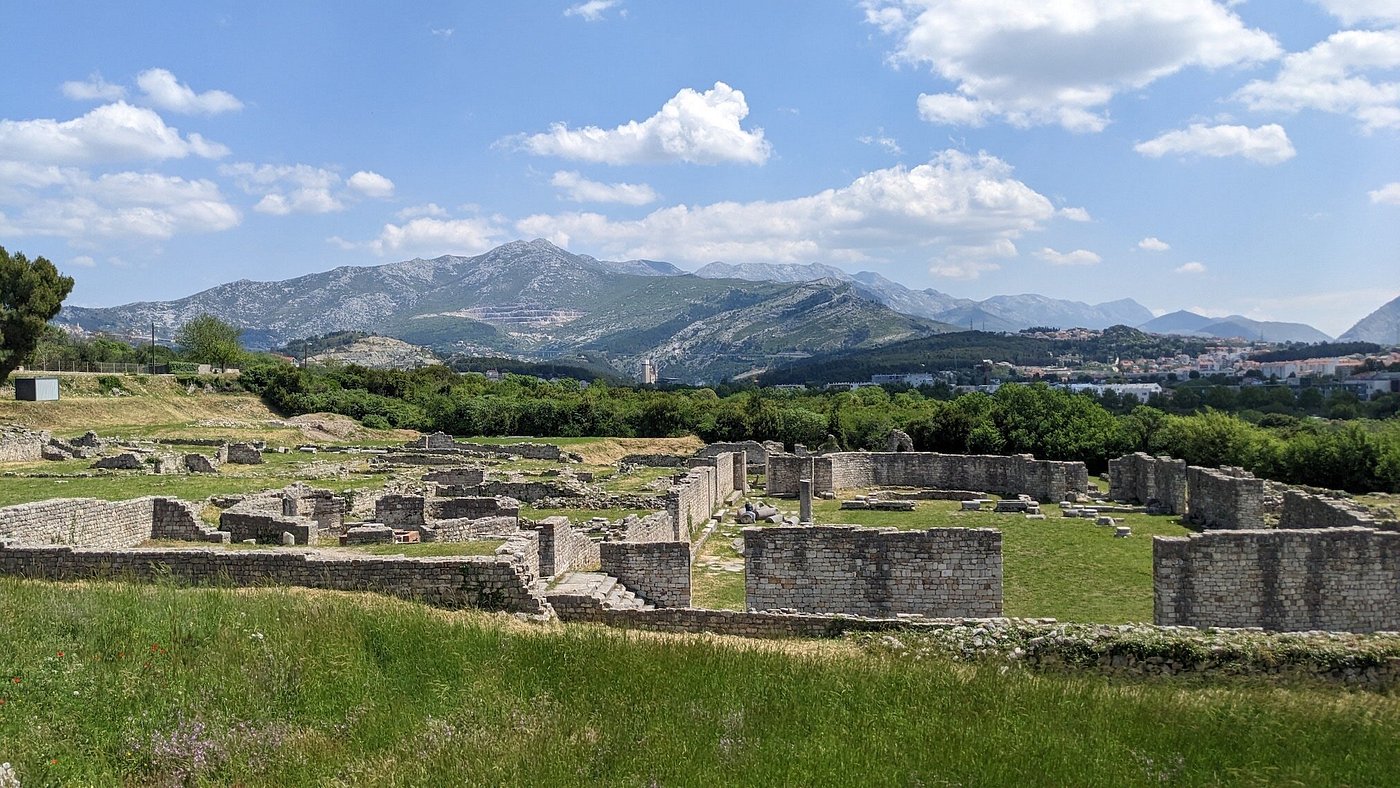
Barely seven kilometres from Split's city centre, the ruins of Salona represent one of the largest and most important Roman archaeological sites in the eastern Adriatic — yet they remain remarkably uncrowded, with the contrast to busy Diocletian's Palace striking. At its peak in the 2nd and 3rd centuries AD, Salona was a prosperous city of 60,000 inhabitants, the administrative capital of the Roman province of Dalmatia. Today its ruins sprawl across open fields: city walls, an amphitheatre that once seated 18,000 spectators, early Christian basilicas, colonnaded streets, baths, and an extensive necropolis. The setting is bucolic — olive trees grow between ancient columns, sheep graze among the ruins — and the combination of archaeological depth and unspoilt atmosphere makes Salona one of the genuine hidden gems of the Dalmatian coast.
The Riva Promenade and Split's Adriatic Waterfront
The Riva is Split's great public stage: a broad, palm-lined marble promenade running the length of the Old Town's southern face, where the city's social life plays out from morning coffee to midnight drinks with remarkable democratic energy. Locals and visitors mingle freely at the outdoor terraces of cafes and restaurants that line its landward side, while the harbour view — a scatter of ferries, sailboats, and the islands of Solta and Brac shimmering on the Adriatic horizon — provides one of the most pleasurable backdrops of any Mediterranean waterfront. The Riva connects directly to the palace's sea gate, the Porta Aenea, meaning the transition from Roman imperial corridor to sparkling Adriatic daylight takes seconds and never fails to deliver a sense of wonder.
Game of Thrones Filming Locations and the Fortress of Klis
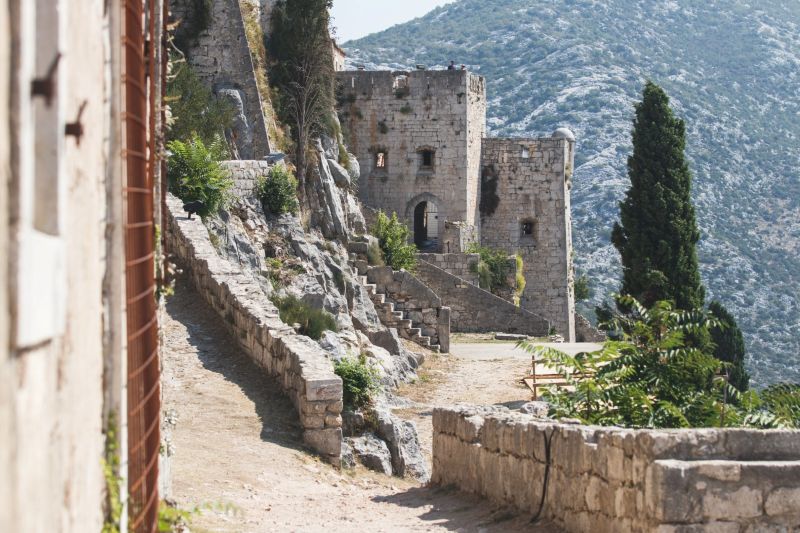
Croatia served as one of the principal filming locations for Game of Thrones, and the Split region provided the visual foundation for the fictional city of Meereen. Diocletian's Palace cellars — vast, atmospheric, and virtually unchanged since Roman times — doubled as the dragon catacombs beneath the Pyramid of Meereen. The medieval fortress of Klis, perched dramatically on a limestone ridge above Split, provided the exterior scenes of Daenerys's city. Standing at Klis on a clear day, the views over Split, the Kastela Bay, and the open Adriatic are extraordinary quite apart from any television connection. The fortress itself has a remarkable real history spanning Illyrian, Roman, medieval Croatian, and Ottoman occupation across three millennia.
Split travel tips
Enter Diocletian's Palace Through the Golden Gate. The palace has four main gates — the Golden Gate (north), Silver Gate (east), Iron Gate (west), and Bronze Gate (south, opening to the Riva). Most visitors enter from the south through the Bronze Gate, which opens directly from the waterfront. For a more theatrical arrival, walk around to the Golden Gate on the north side, which was the ceremonial entrance and remains the most imposing. The statue of 4th-century Bishop Grgur Ninski just outside the Golden Gate — with its famous extended big toe — is one of Split's most photographed landmarks; touching the toe is said to bring good luck.
Visit the Palace Cellars Early. Diocletian's Palace Cellars (Podrumi) are the subterranean foundations of the imperial quarters — a vast, barrel-vaulted space that mirrors the floor plan of the apartments above and gives the best sense of the original palace's scale. These spaces were used for storage through the Middle Ages and eventually filled with rubbish; systematic excavation began only in the 20th century. They are open for a modest admission fee and are best visited early in the morning before crowds arrive. The cellars also host a daily market selling Croatian crafts, lavender products, and Dalmatian foodstuffs.
Wear Suitable Footwear Throughout the Old Town. Split's Old Town is paved with polished limestone that becomes extremely slippery when wet. The Peristyle and the main lanes through the palace are particularly treacherous in leather-soled shoes after rain. Flat, rubber-soled walking shoes or trainers are the correct choice for any exploration of the old town and its surroundings. Trogir presents the same conditions. If rain is forecast, the potential for slipping underfoot is a genuine hazard that should not be underestimated.
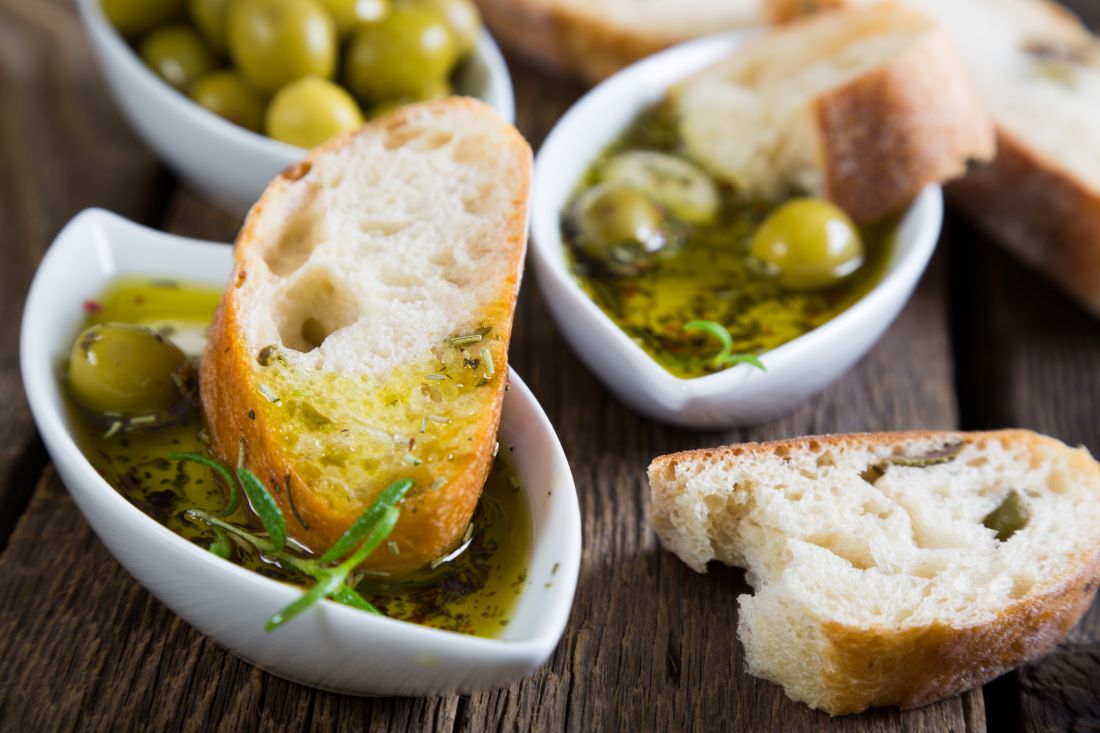
Try Croatian Olive Oil and Wine Before You Leave. Dalmatia produces some of Croatia's finest olive oils — notably from the Oblica and Levantinka varieties native to the Dalmatian coast — and a range of excellent wines that remain largely unknown outside the region. The white Pošip and Grk varieties from the island of Korcula are particularly distinctive; the red Plavac Mali, related to Zinfandel, produces powerful, full-bodied wines from the Peljesac peninsula. A split Old Town walk and olive oil tasting experience introduces both with knowledgeable local guidance; the bottles also make excellent and lightweight souvenirs for the journey home.
Trogir Rewards a Longer Stay Than Most Visitors Allow. Trogir is often treated as a brief add-on to Split, but the town rewards a slower pace. Beyond the famous Cathedral portal, the Church of St John the Baptist houses the carved sarcophagus of Blessed Ivan Orsini, considered a masterpiece of Romanesque sculpture. The small lanes behind the main square contain Renaissance palaces, medieval loggia, and quiet residential courtyards that most visitors never reach. Climbing the Cathedral bell tower provides the best overview of the island town and the surrounding waterway. Budget at least two hours in Trogir rather than the single hour that many group itineraries allow.
Marjan Hill Provides a Superb Alternative Perspective. Marjan Hill — a forested peninsula extending west from Split's old town — offers the best panoramic views over the city, its harbour, and the islands beyond, with the added appeal of being almost entirely free of mass tourism. The climb through pine-scented paths takes roughly 20 to 30 minutes from the edge of the old town and passes small medieval chapels cut into the rock face. At the summit, the view takes in Diocletian's Palace, the Riva, the Kastela Bay, and on clear days the profile of the island of Brac. It is an ideal early morning or late afternoon excursion for anyone who wants to understand Split's geography and escape the crowds within the palace walls.
Port Facts Every Cruiser Needs To Know
Split shore excursion FAQs
The cruise berths at Split's ferry port sit directly on the Riva waterfront, and Diocletian's Palace is at most a 10 to 15 minute walk along the promenade to the east. The Bronze Gate (Porta Aenea), the palace's southern entrance directly from the waterfront, is the closest point. This means you are effectively walking from ship to Roman emperor's palace without any transport — one of the most convenient arrangements of any port in the Mediterranean.
Diocletian's Palace is a living city centre and the streets and main spaces within it — including the Peristyle courtyard — are freely accessible at all times, day and night. Specific attractions inside the palace precinct charge admission: the Cathedral of Saint Domnius (built inside the emperor's mausoleum), the Palace Cellars (Podrumi), and the Baptistery (the former Temple of Jupiter) each have separate entry fees. These are all modest in cost and well worth paying. A combined ticket covering the main ecclesiastical and archaeological sites is typically available.
The drive from Split to Krka National Park's main entrance at Skradin typically takes between 60 and 90 minutes depending on traffic and the time of year. From Skradin, a short boat ride connects visitors to the Skradinski Buk waterfall area. Allow a full day for a comfortable visit — arriving early to avoid the peak midday crowds makes a significant difference to the experience. The park is open year-round, though the boat services operate seasonally.
Trogir is a small medieval island town connected to the mainland by a bridge, located 27 kilometres northwest of Split along the coastal road. The drive typically takes 30 to 40 minutes. Trogir's entire old town is a UNESCO World Heritage Site, centred on the 13th-century Cathedral of St Lawrence. It is one of the best-preserved medieval coastal towns in the Adriatic and pairs naturally with Split for a combined cultural excursion. The two sites together can be covered in a full day at a comfortable pace.
Salona was the Roman capital of the province of Dalmatia and, at its peak in the 2nd to 3rd centuries AD, a city of roughly 60,000 inhabitants. Its ruins — including an amphitheatre, city walls, early Christian basilicas, and extensive necropolis — are spread across open fields about 7 kilometres from Split city centre. The site is far less crowded than Diocletian's Palace and offers a more contemplative archaeological experience. Salona is also historically significant as the birthplace of Emperor Diocletian himself, making it the complement to his palace in Split. It is most comfortably visited as part of a guided tour that provides context.
Yes. Split's Diocletian's Palace provided several key filming locations for Game of Thrones, most notably the palace cellars (Podrumi), which served as the dragon catacombs of Meereen in Seasons 4 and 5. The cellars' vaulted stone corridors and atmospheric lighting made them ideal for the scenes. Additionally, the medieval Fortress of Klis — on a dramatic ridge about 13 kilometres from Split — provided the exterior establishing shots of Daenerys's city of Meereen. Dedicated Game of Thrones tours are available from the port that visit both locations and provide production context.
Croatia adopted the Euro (EUR) as its official currency on 1 January 2023, replacing the Croatian Kuna. All prices in shops, restaurants, and tourist attractions are now in Euros. Major credit and debit cards (Visa, Mastercard) are accepted in virtually all restaurants, shops, and larger establishments in Split's old town. Small market stalls, local bakeries, and some street vendors may prefer cash, so keeping a modest amount of Euros on hand is practical.
Plitvice Lakes National Park — Croatia's most visited natural attraction and a UNESCO World Heritage Site — is approximately 2.5 to 3 hours from Split by road, making it a long but entirely feasible full-day excursion. The park comprises 16 terraced lakes connected by waterfalls across a wooded canyon, with colour ranging from azure to emerald depending on minerals and light. The boardwalk trails take between two and four hours depending on the route chosen. Given the driving time involved, this excursion is best suited to passengers with a long port day and an early start.
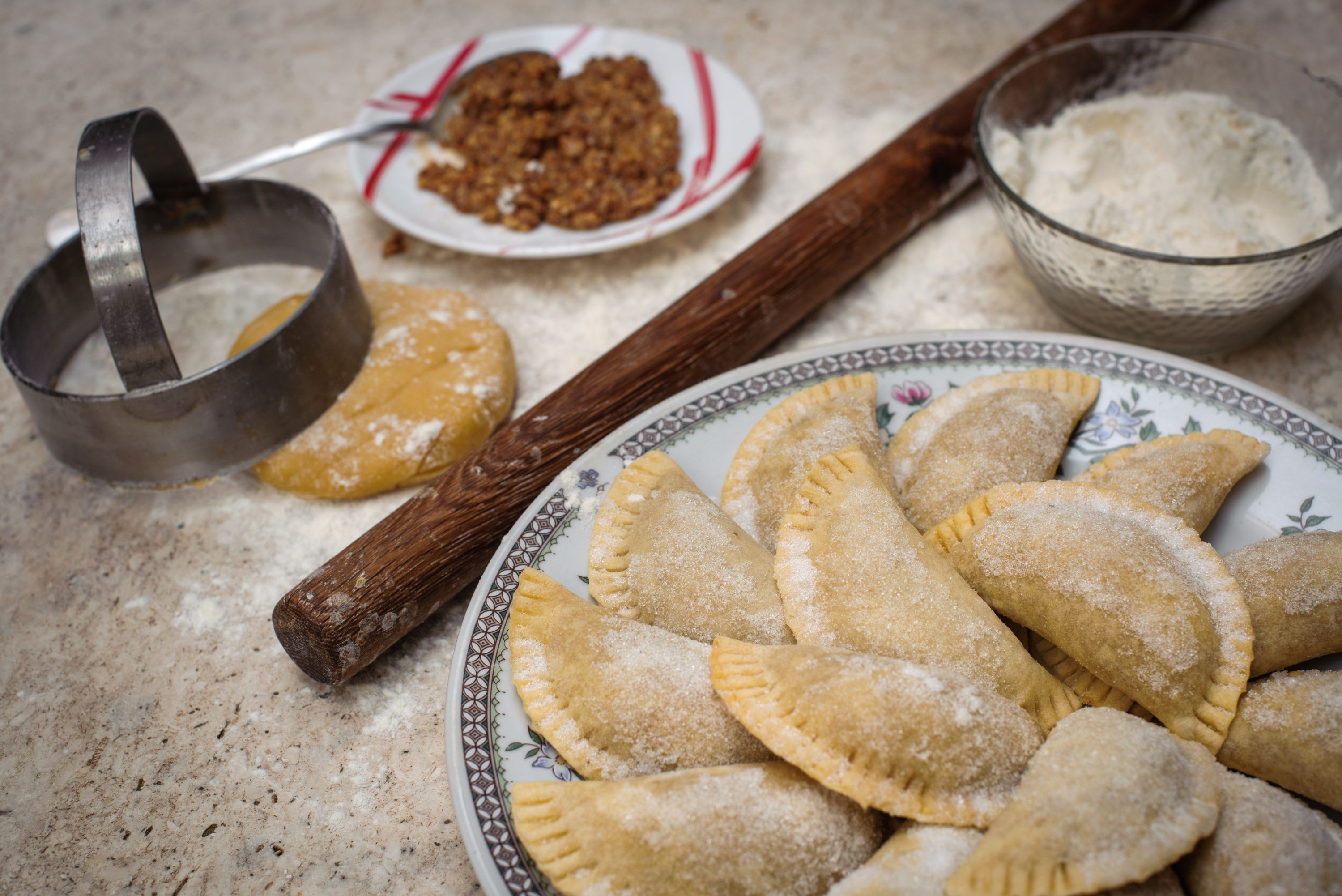
The essential Dalmatian eating experience is fresh Adriatic seafood — grilled sea bream (orada) or sea bass (brancin) seasoned simply with olive oil, lemon, and local herbs. Brudet (fish stew with polenta) is a traditional fisherman's dish found in most authentic restaurants. For something uniquely regional, peka is a preparation of lamb, veal, or octopus slow-cooked under a heavy iron bell covered in embers — deeply flavourful but must be ordered several hours in advance. Pair everything with local Plavac Mali red or Pošip white wine. The bustling Green Market (Pazar) outside the Silver Gate sells produce, local cheese, and prosciutto ideal for a picnic on Marjan Hill.
Regular ferry and catamaran services run from Split to the nearby islands of Brac, Hvar, Vis, and Solta. Hvar is the most popular day trip destination — the main town has a handsome Venetian harbour, a hilltop fortress, and a lively waterfront. The ferry to Hvar town (via Stari Grad on Brac with a connecting bus) takes about two hours; a faster catamaran is quicker. The island of Brac is closer and its famous Zlatni Rat beach, a distinctive shingle spit that shifts direction with the currents, is a Croatia icon. For cruise passengers, these options depend on available port time and departure schedules — verify your ship's all-aboard time carefully before planning an island excursion independently.
Filters
Select a filter to refine results.
Tour Type
Tour Activity
 Cart
Cart
 USD
USD GBP
GBP AUD
AUD EUR
EUR CAD
CAD