



Tours in Naples
66 tours


























Cruising to Naples in a group?
Skip the crowded ship excursion bus. One dedicated planner will design a private shore experience around exactly what your group wants — coordinated from first enquiry to the moment you're back on board. More memorable, more flexible, and more affordable than you might expect. Spend less time organising, more time enjoying.
Explore Group Travel →Cruising to Naples
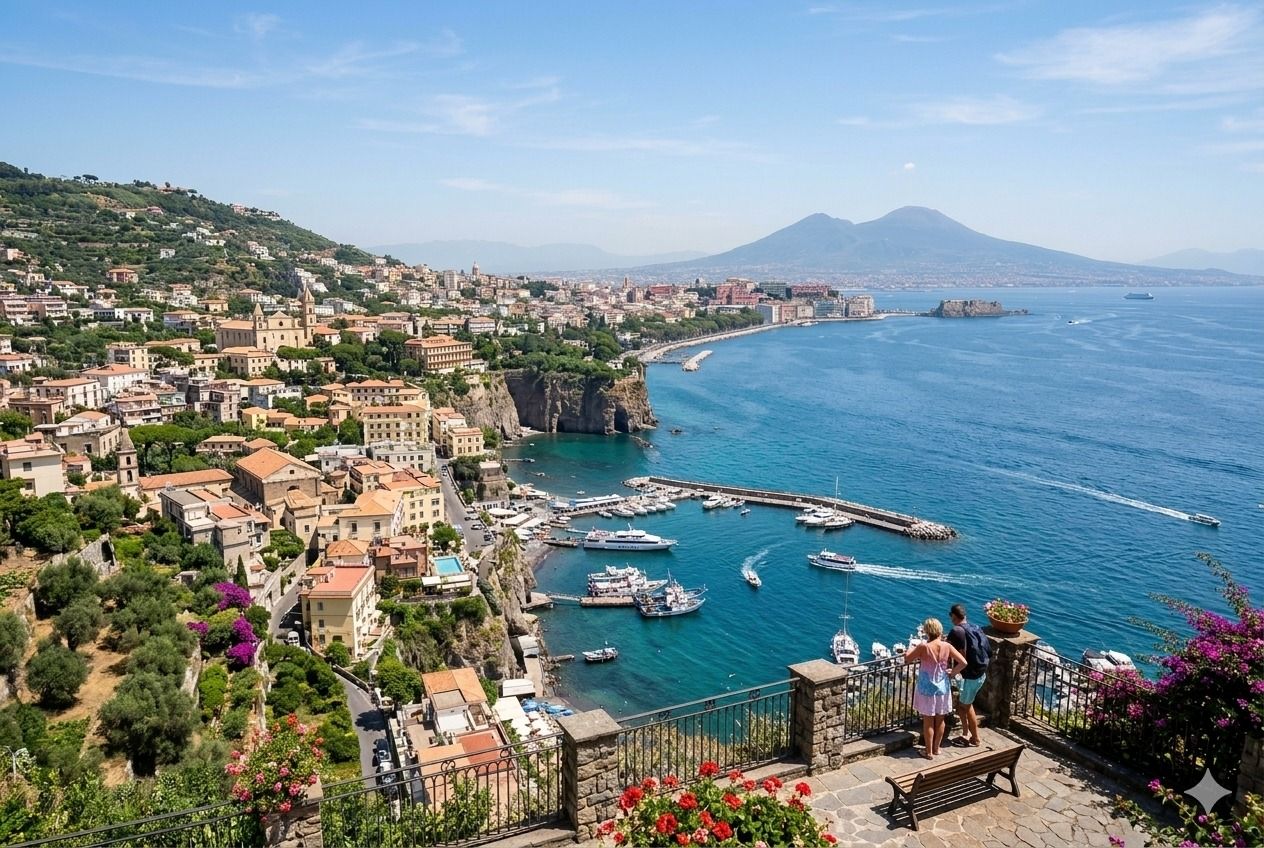
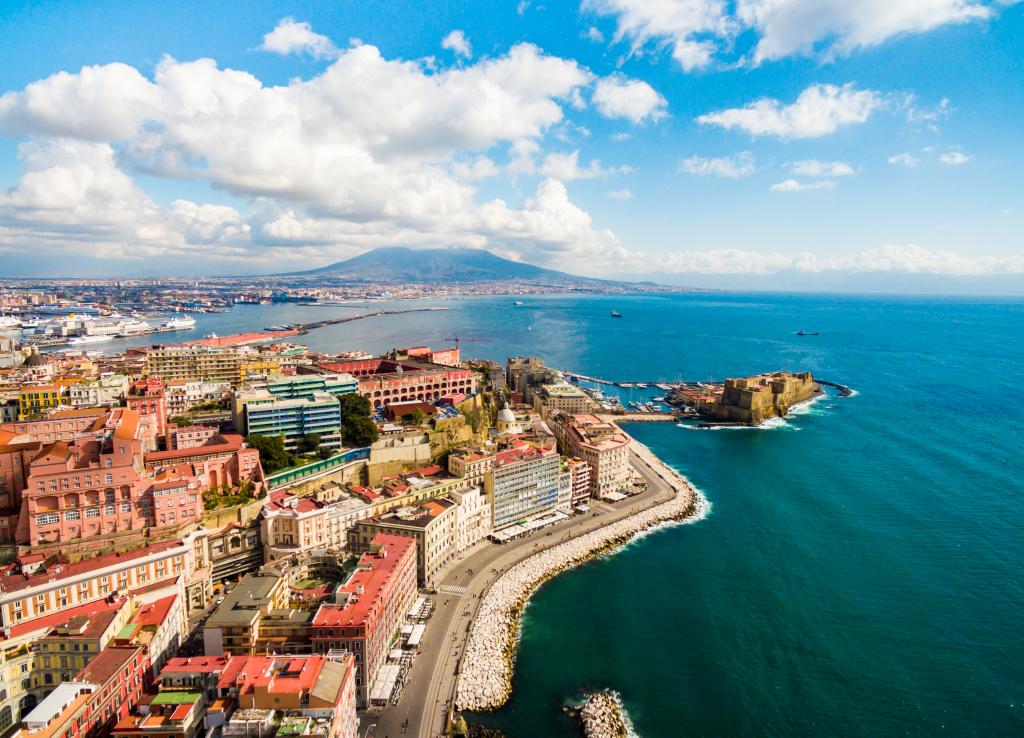
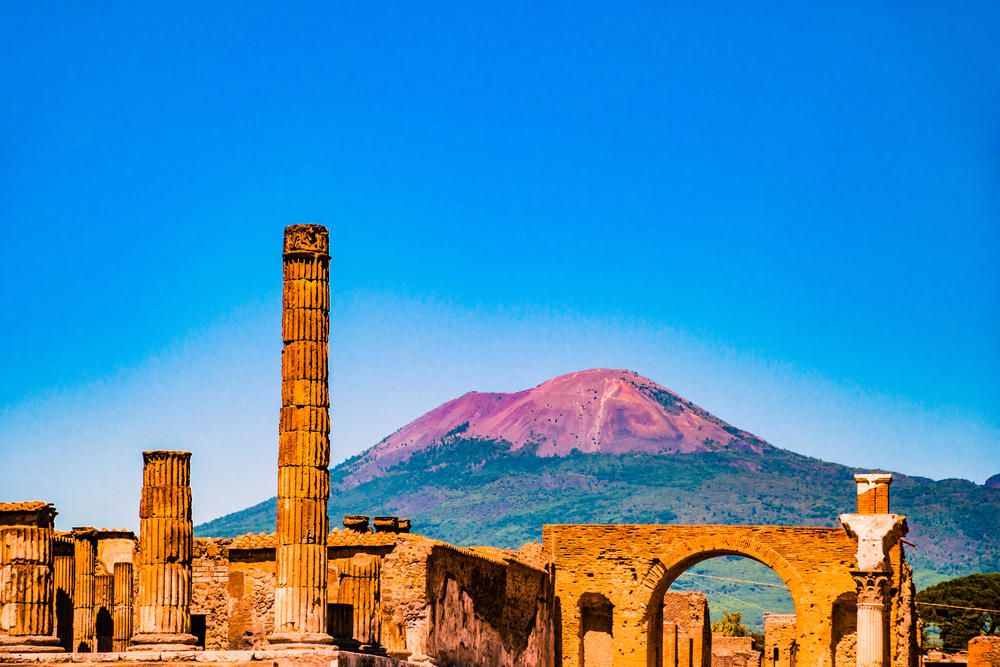
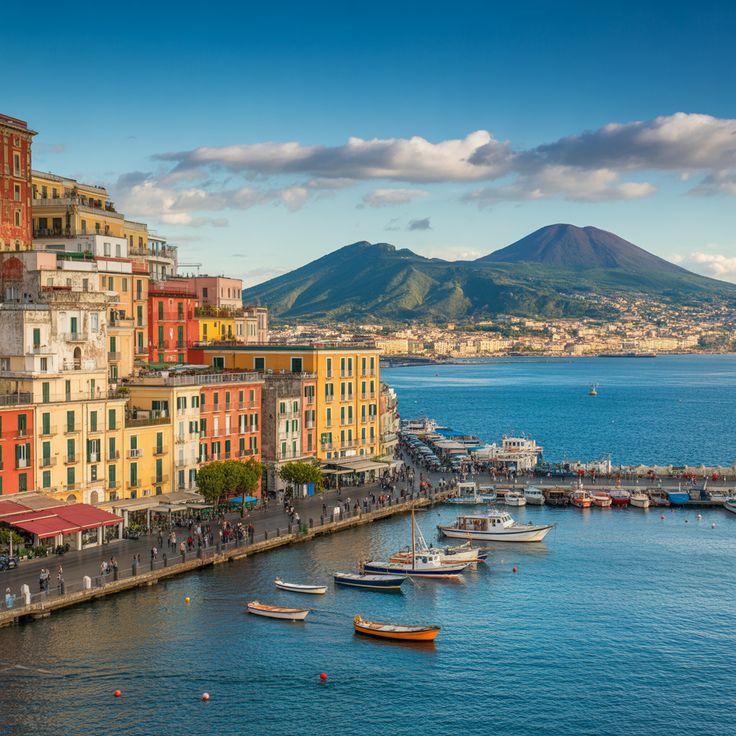
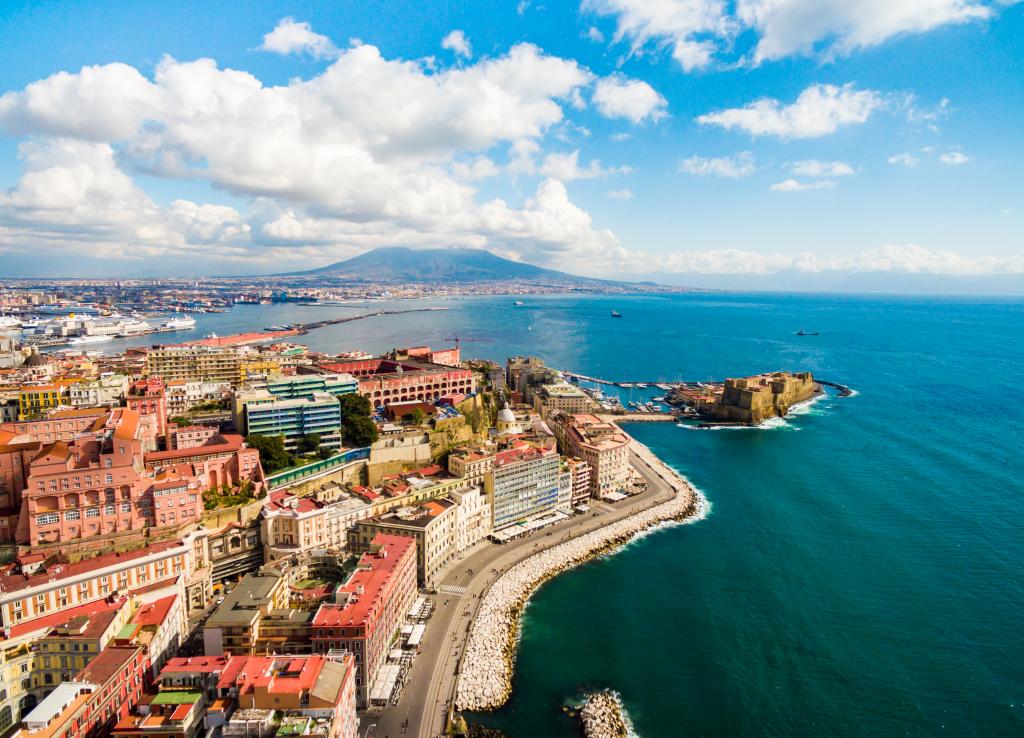
Few ports in the Mediterranean arrive with quite the density of possibility that Naples delivers. Set against the brooding silhouette of Mount Vesuvius, the city serves as the gateway to a region that has shaped Western civilization — and continues to dazzle travelers with an almost overwhelming concentration of natural beauty, ancient history, and culinary brilliance. Whether your ship gives you a single day or the better part of two, Naples rewards every hour you invest in understanding it.
Top things to do in Naples on a cruise stopover
Pompeii: The Ancient City Frozen in Time
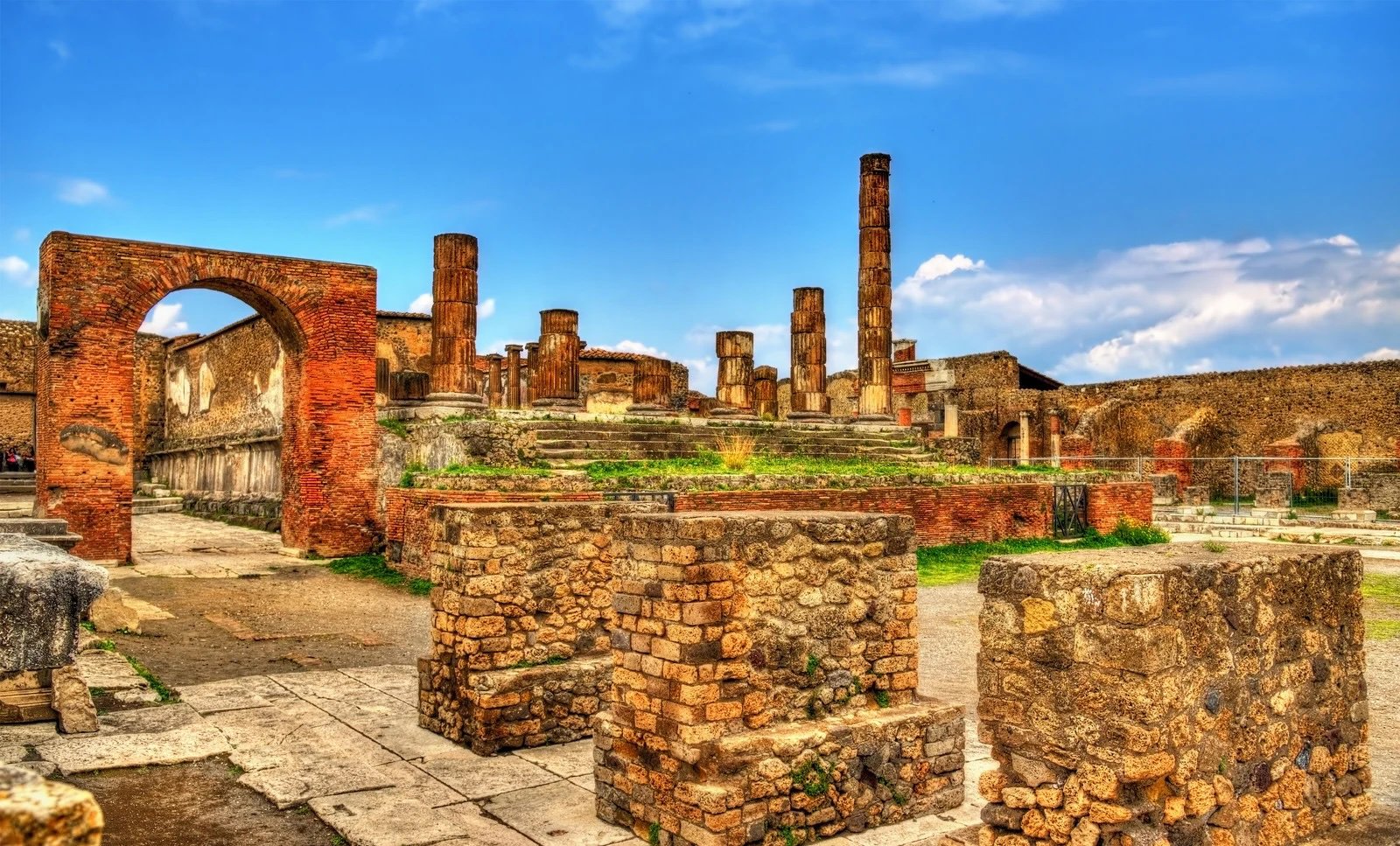
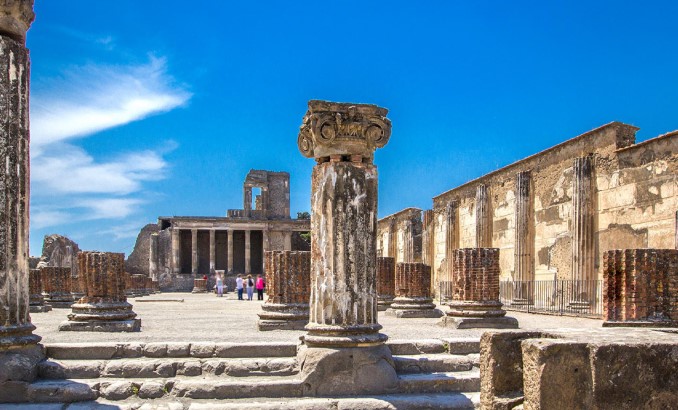
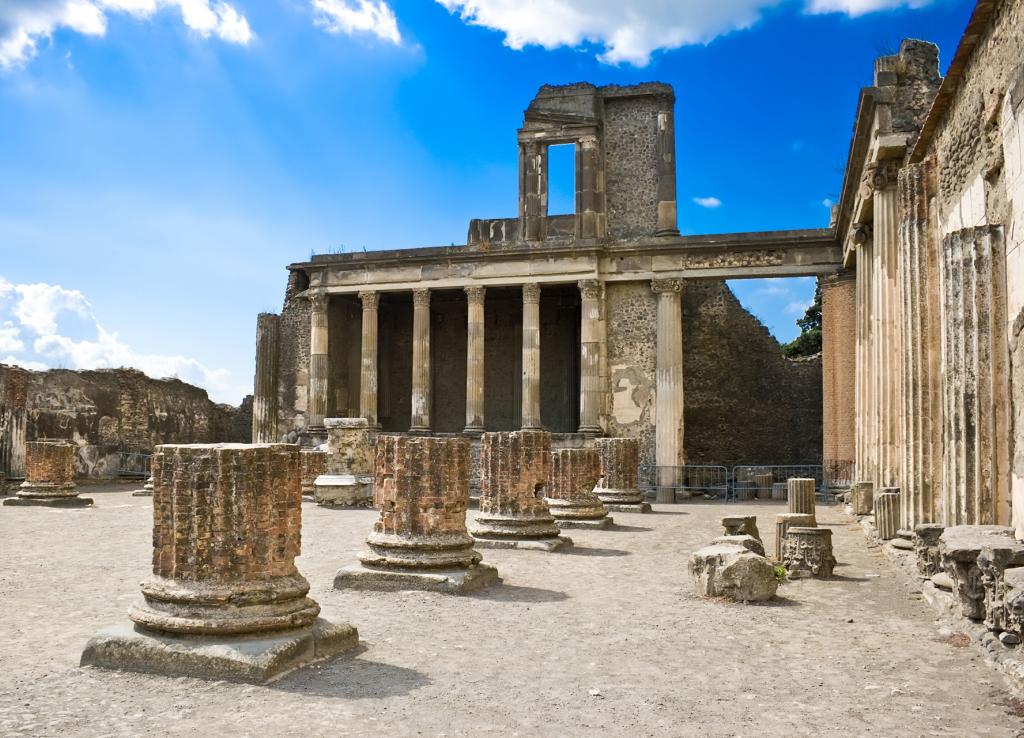
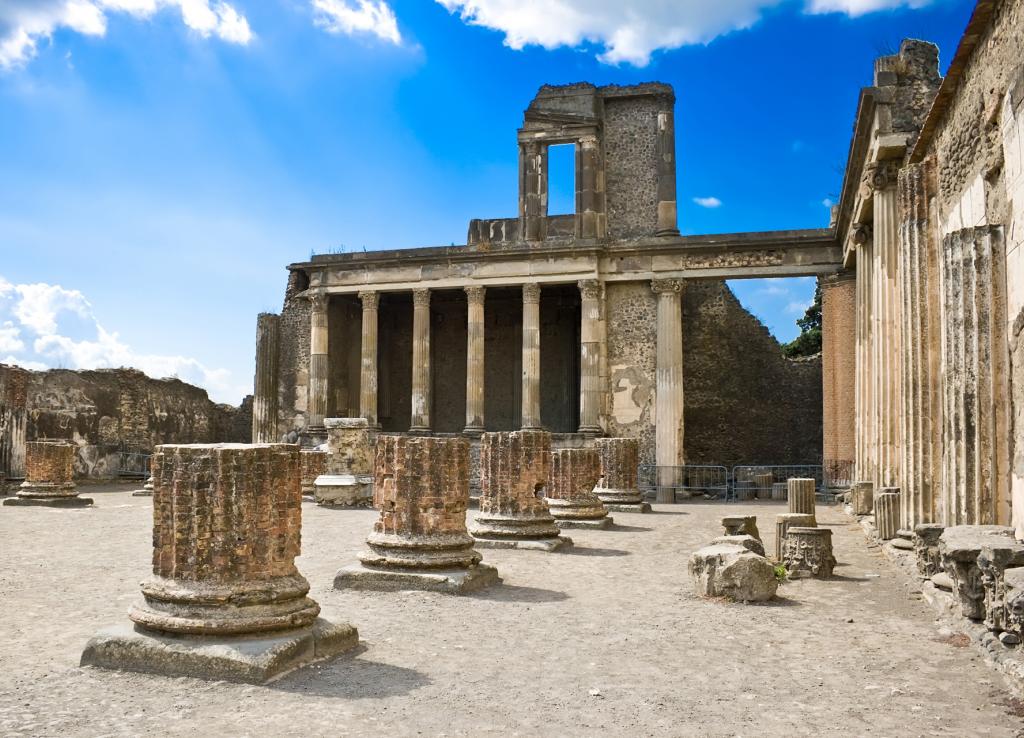
No shore excursion in the Mediterranean quite matches the visceral impact of walking Pompeii's excavated streets. Buried under volcanic ash when Vesuvius erupted in 79 AD, the city was preserved in extraordinary detail — bakeries, bathhouses, amphitheaters, and private homes still speak of a civilization caught mid-moment. The site covers 44 hectares, so a focused visit with a knowledgeable guide reveals far more than wandering alone. Venture Ashore offers both small-group and skip-the-line options, allowing guests to move efficiently through highlights like the Forum, the Villa of the Mysteries, and the haunting plaster casts of Pompeii's victims. Combined tours pairing Pompeii with the Amalfi Coast or Sorrento are among the most popular choices from Naples port.
Capri: Mediterranean Island Glamour and Natural Drama
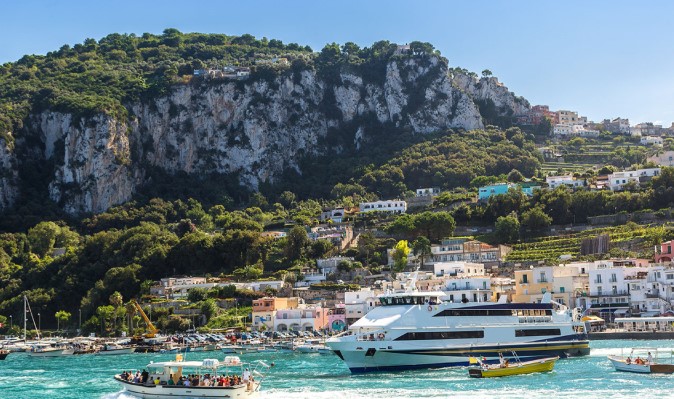
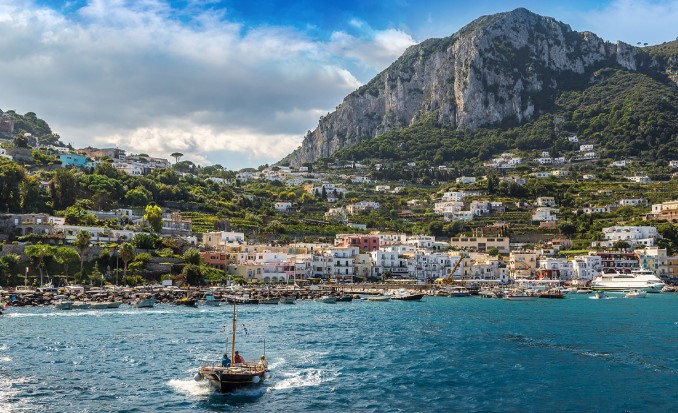
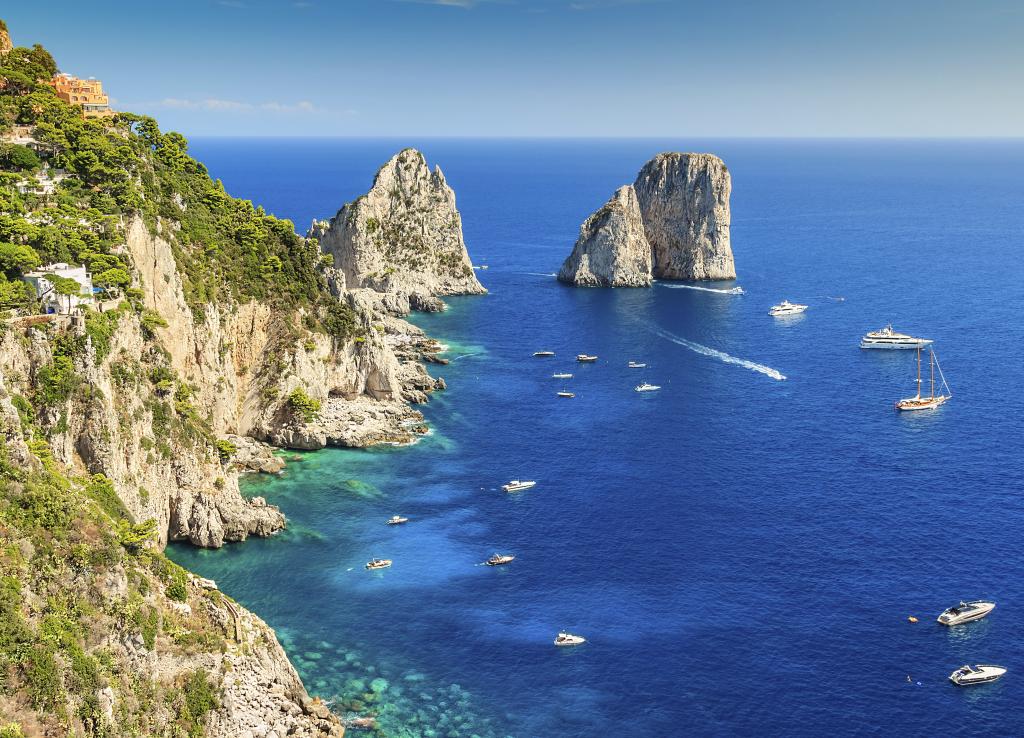
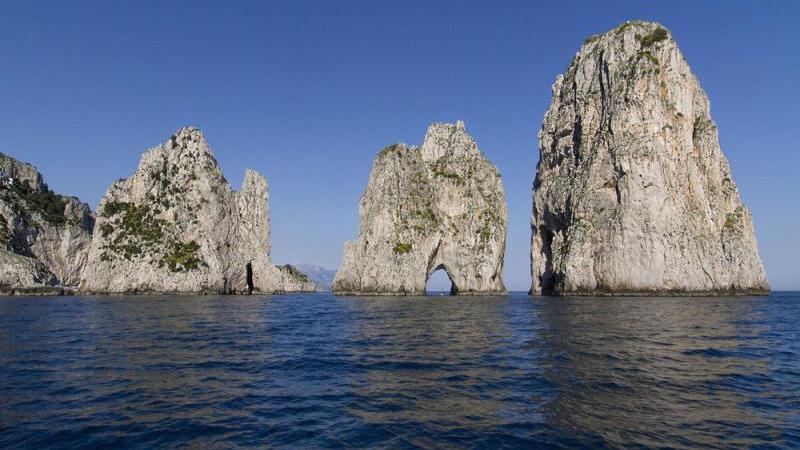
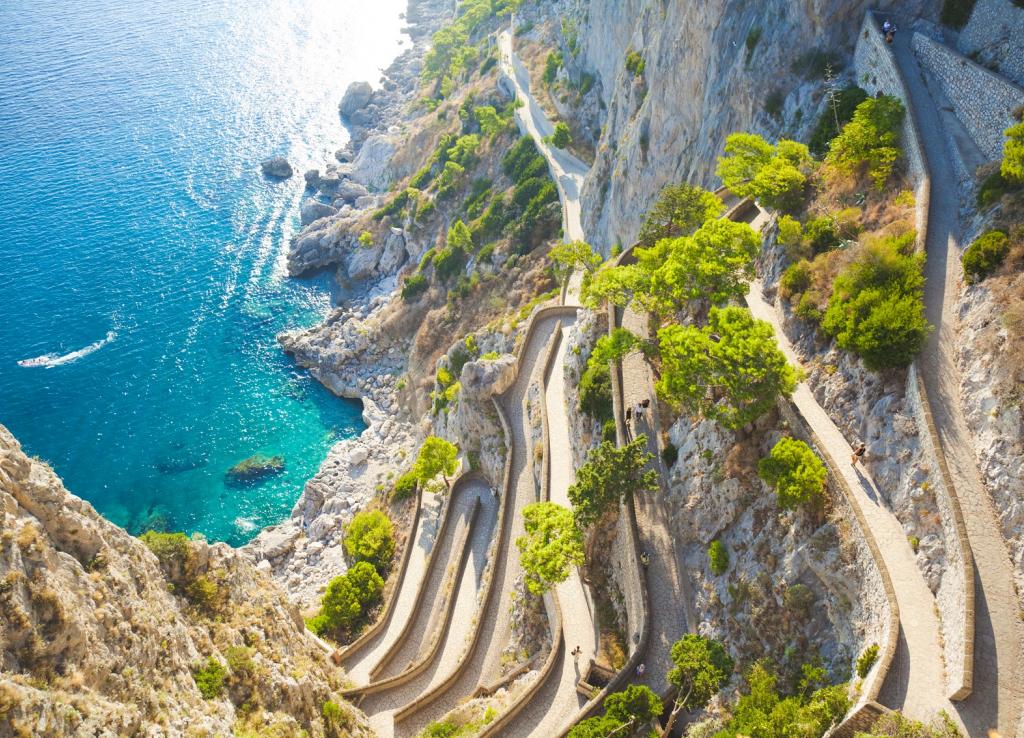
The island of Capri has captivated visitors since Roman emperors built their villas on its cliffs — and it shows no sign of losing that hold. The famous Blue Grotto, where seawater glows an extraordinary cobalt blue from reflected light, is one of Italy's most iconic natural sights. Above, the towns of Capri and Anacapri offer designer boutiques, whitewashed lanes, clifftop gardens, and panoramic views across the Tyrrhenian Sea. Venture Ashore offers ferry crossings to the island as well as private and shared boat experiences that let guests explore sea caves, hidden coves, and the dramatic Faraglioni rock stacks from the water. A Capri day rewards those who linger above the tourist bustle in quieter hilltop corners.
The Amalfi Coast: Positano, Amalfi, and Ravello
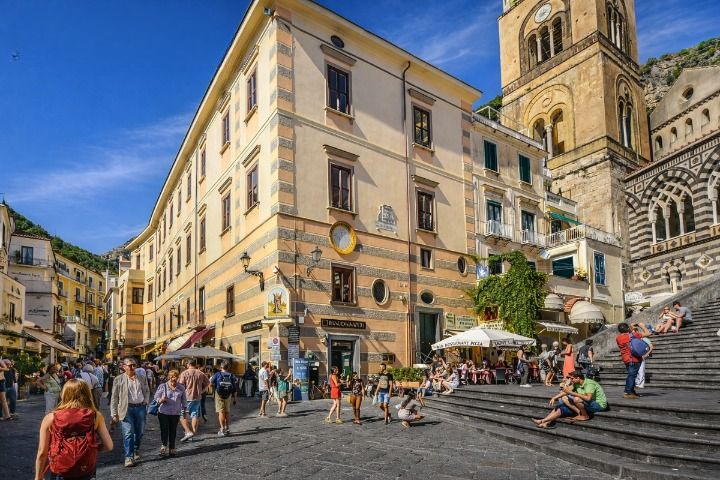
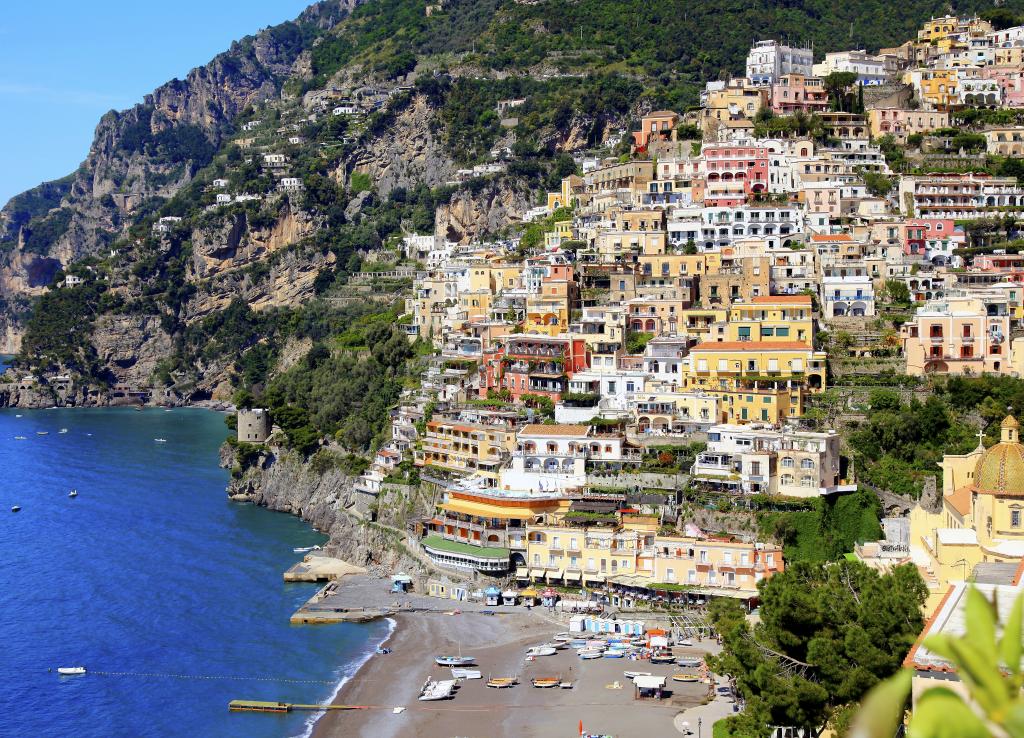
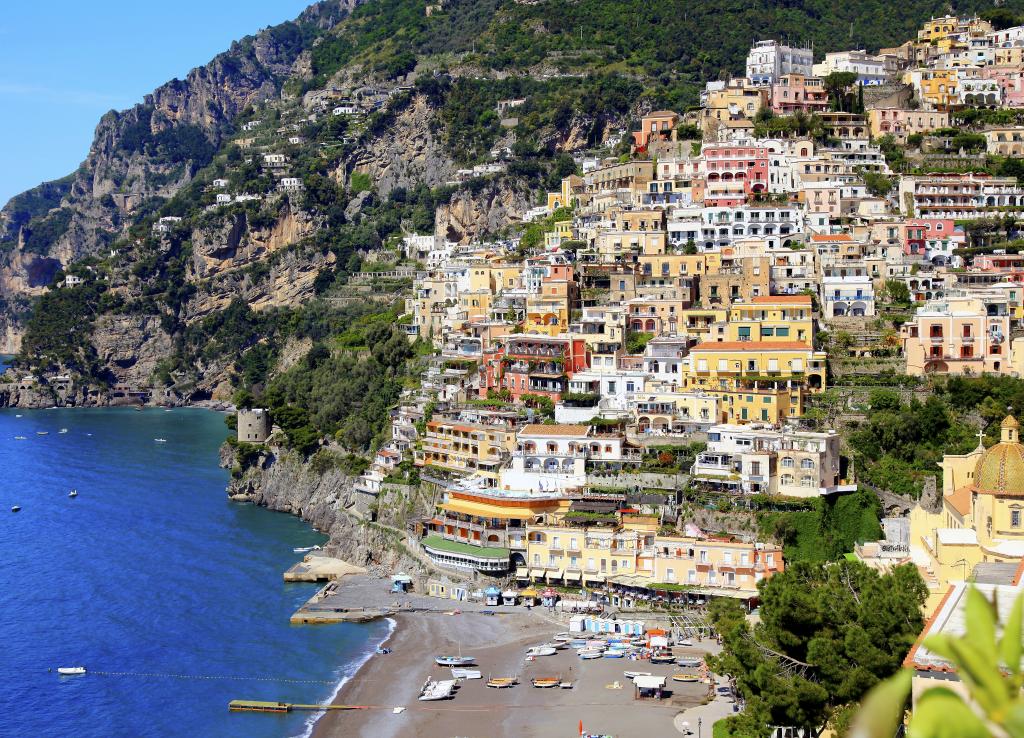
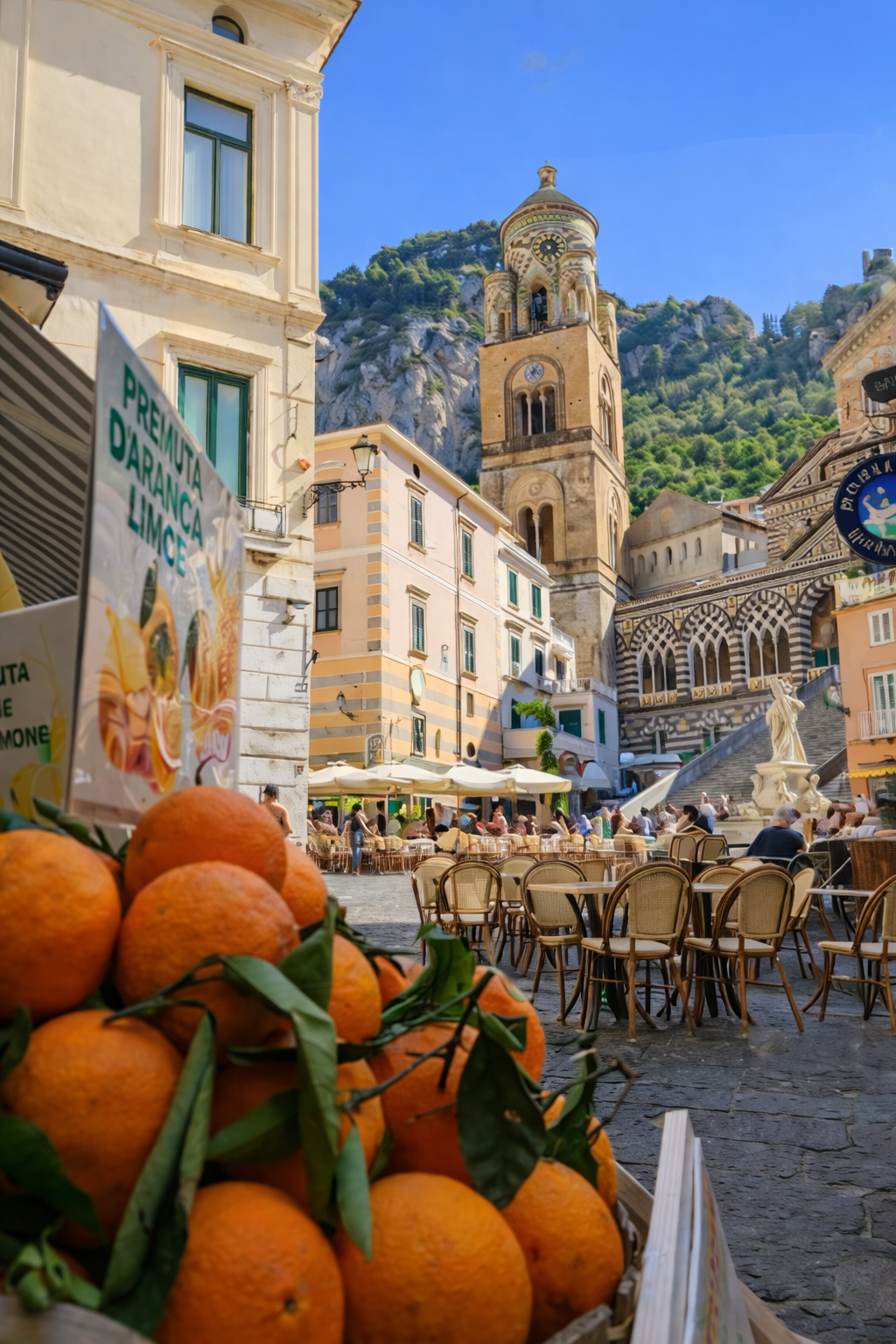
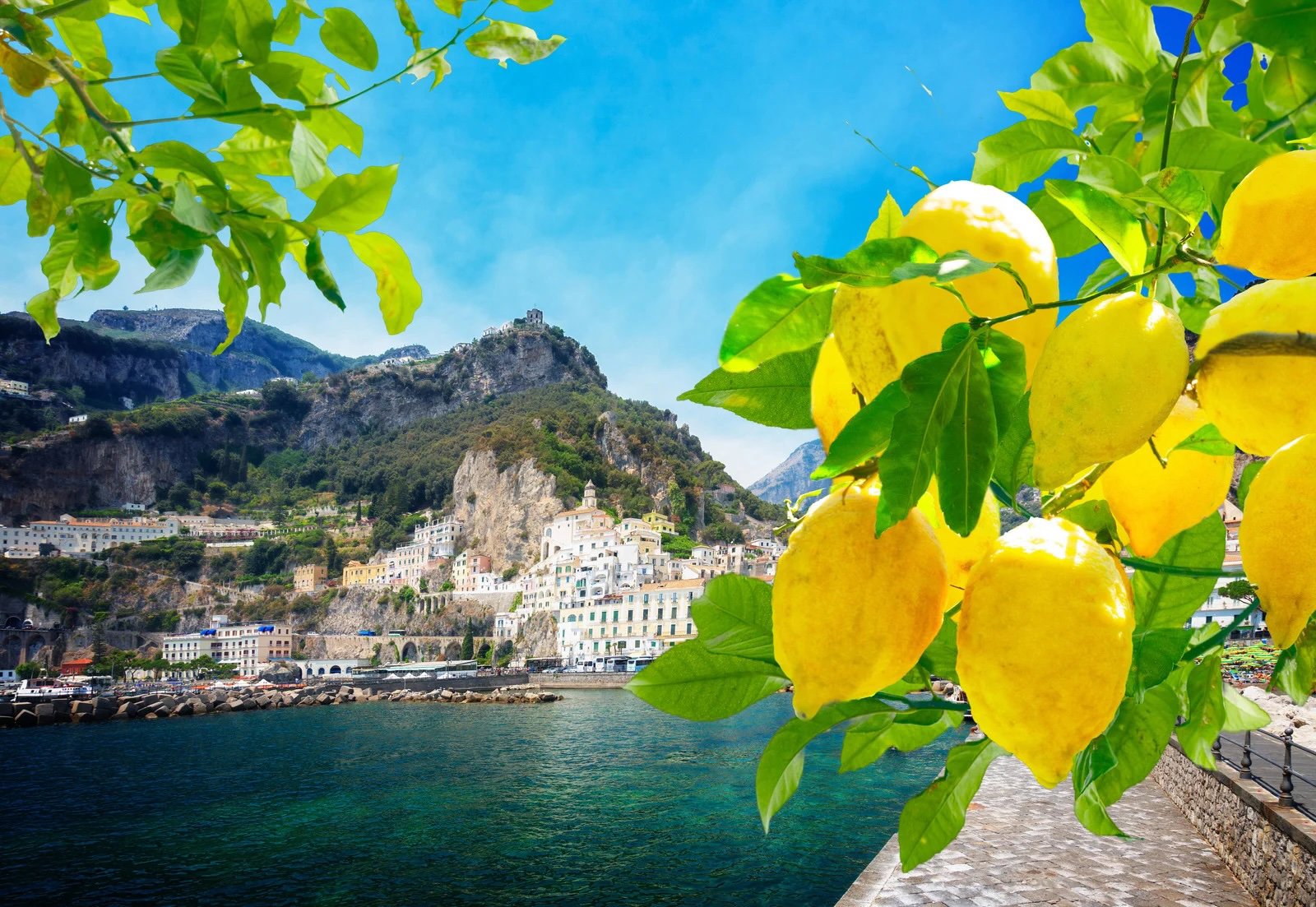
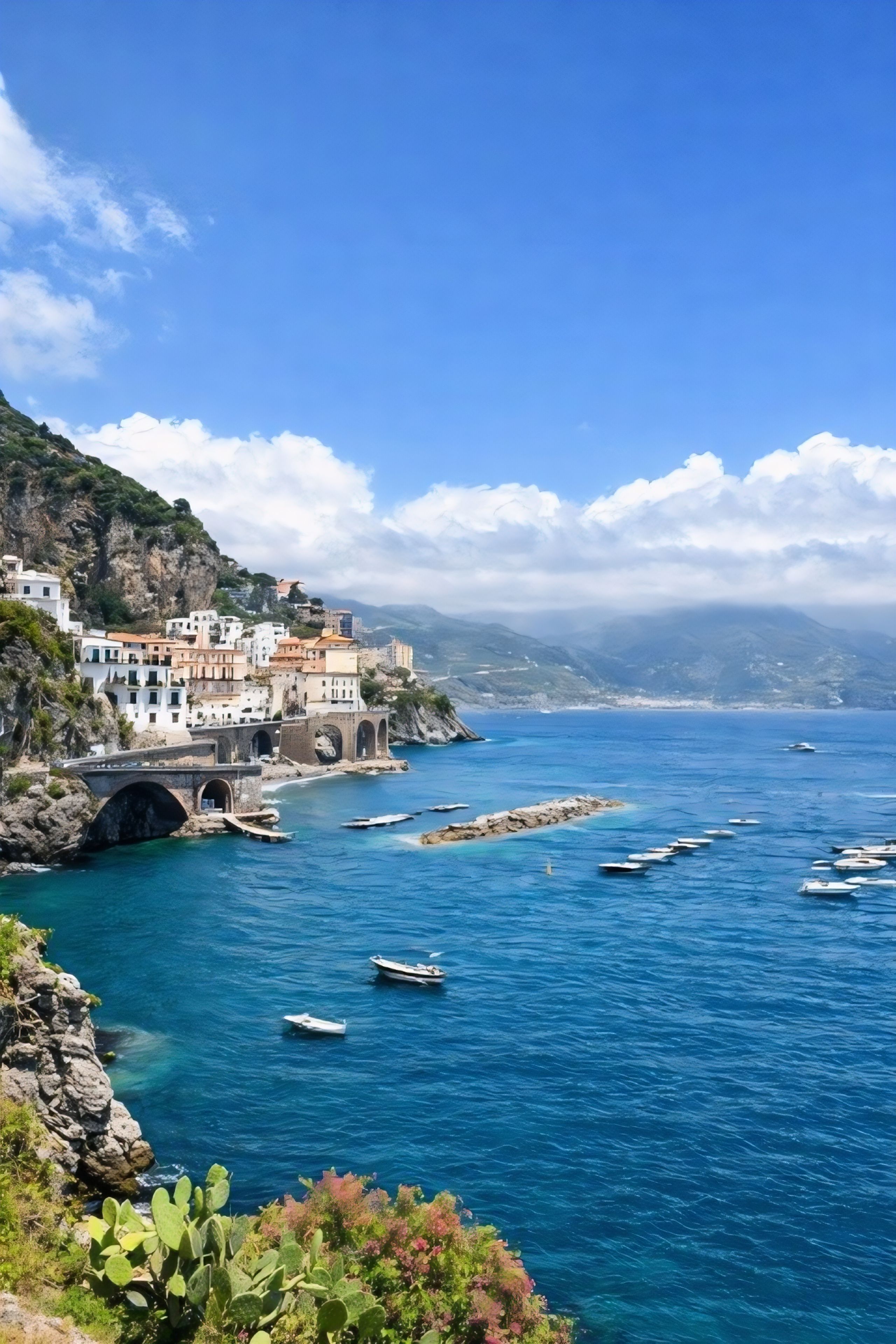
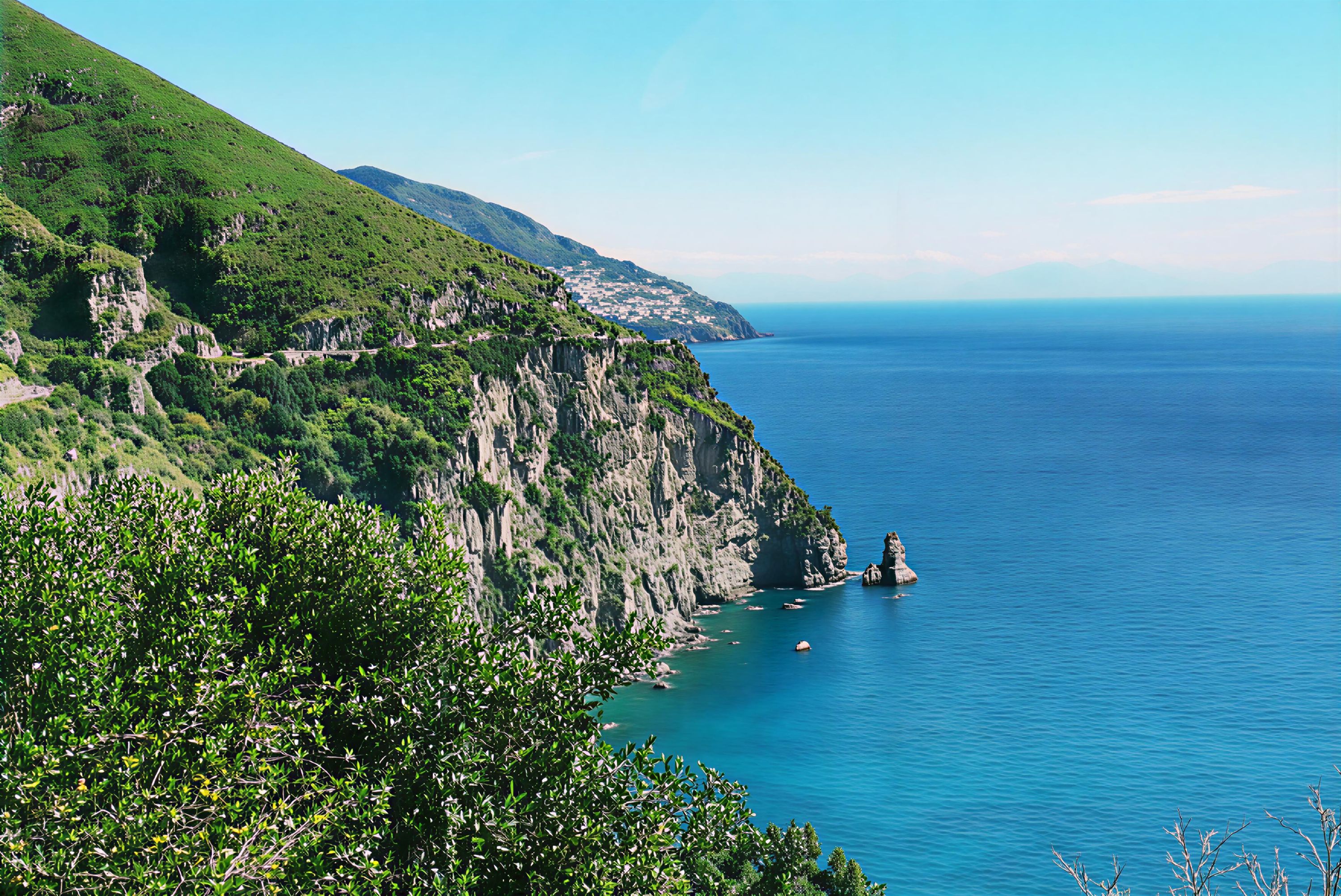
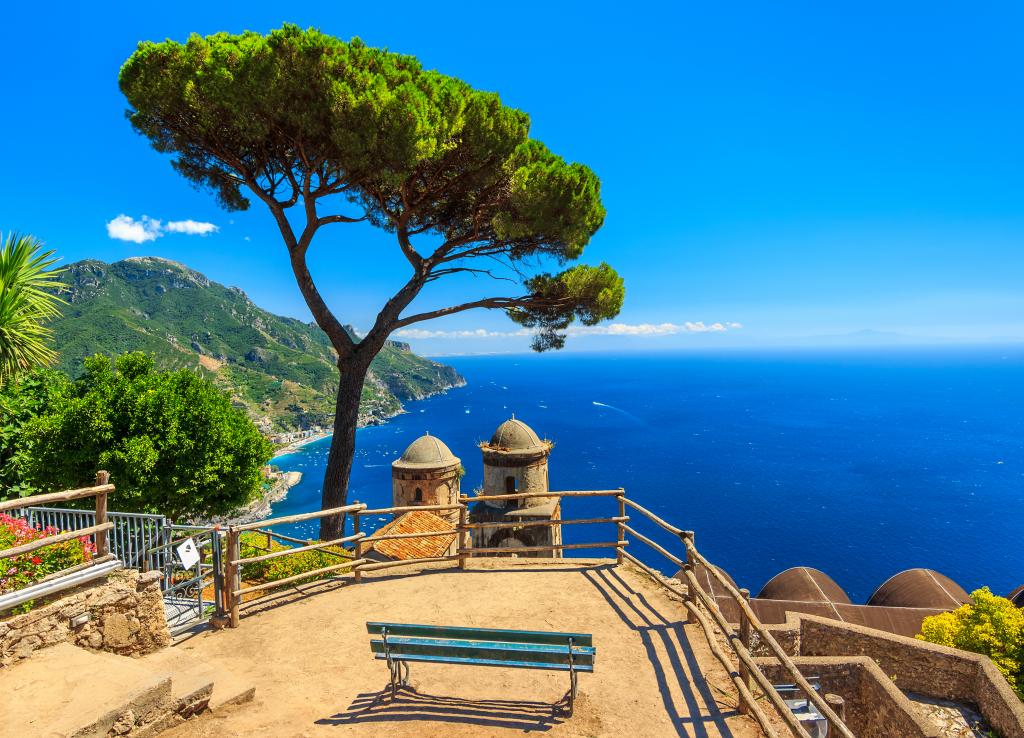
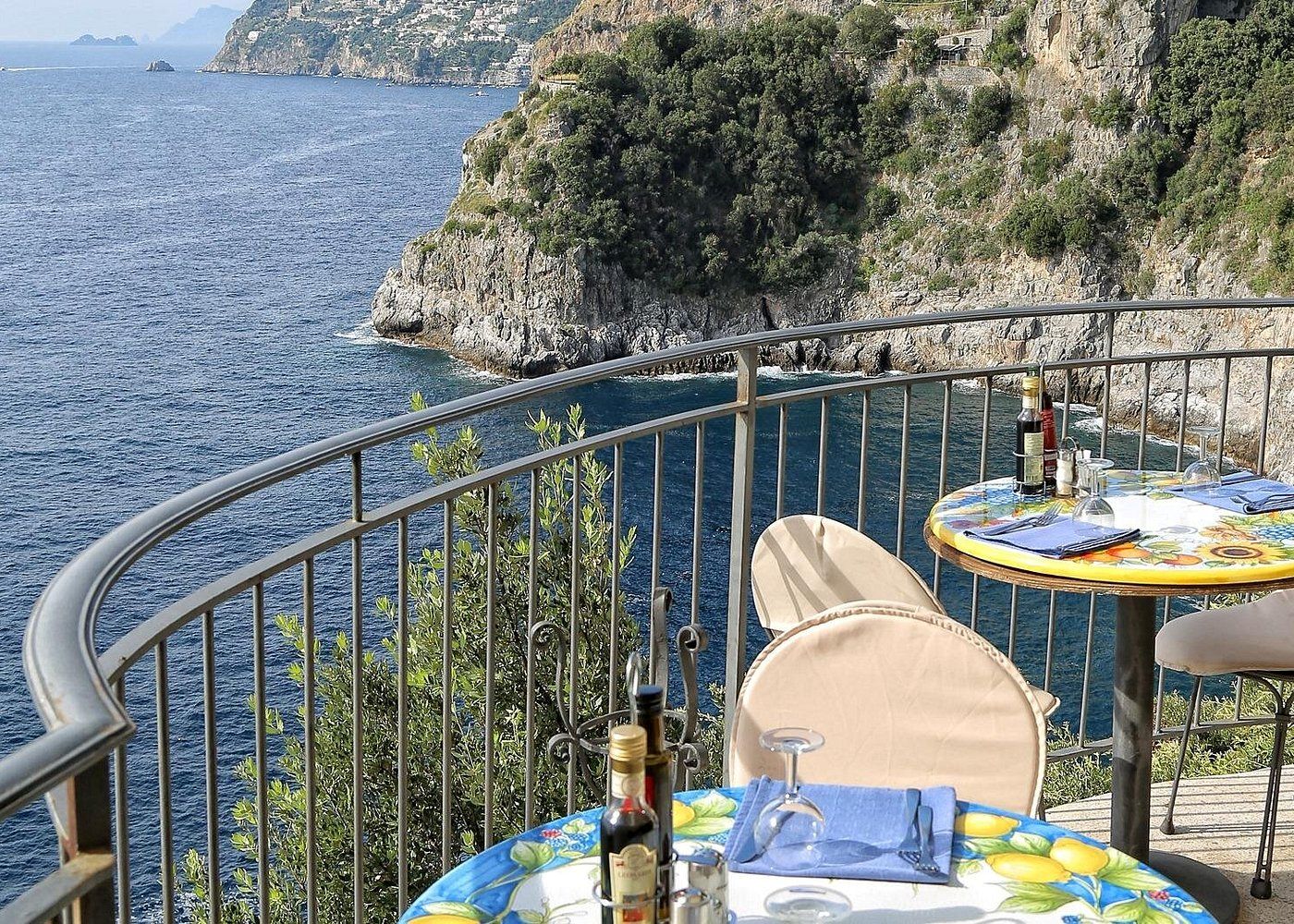
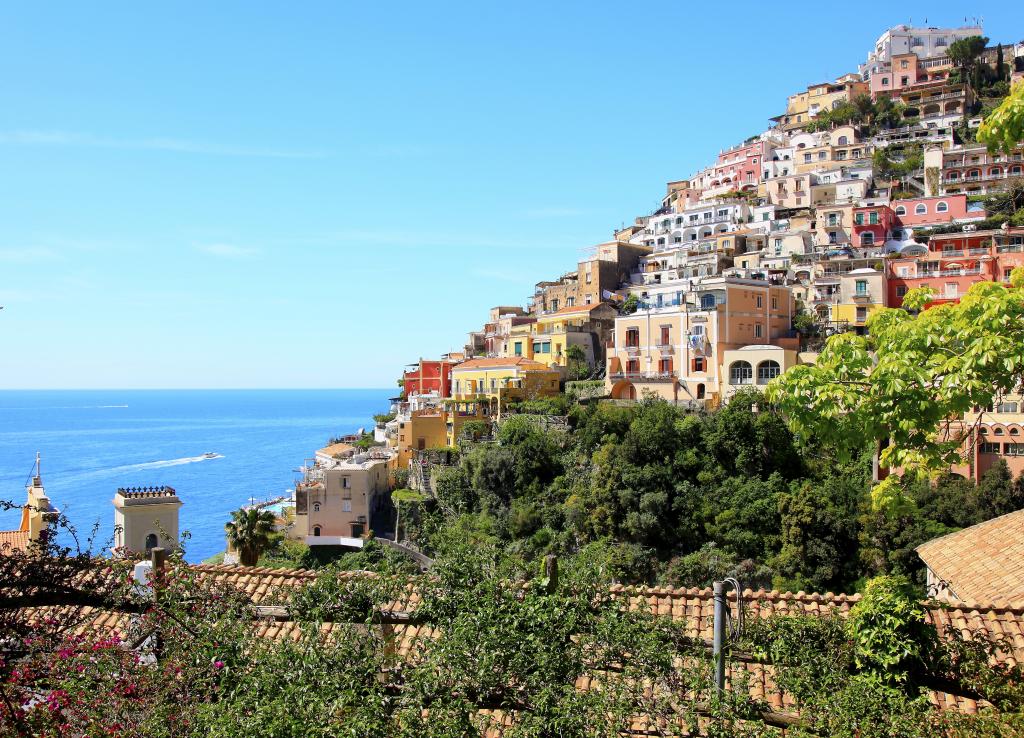
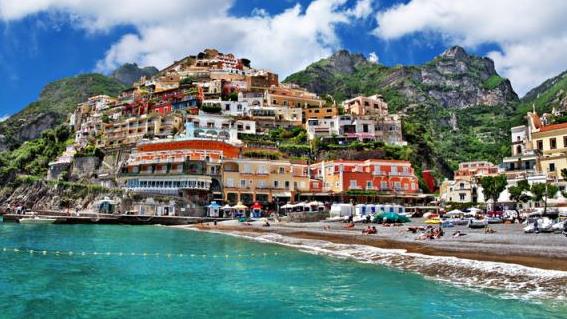
Stretching along a dramatic stretch of southern Italian coastline, the Amalfi Coast is one of Europe's most photographed — and most justified — scenic drives. Pastel-colored villages cling to cliffs above impossibly blue water, terraced lemon groves perfume the air, and each hairpin bend opens a new panorama. Positano is the jewel: a near-vertical cascade of bougainvillea-draped houses above a pebble beach. Amalfi offers its magnificent 9th-century cathedral and a maze of medieval lanes. Ravello, perched high above the sea, delivers breathtaking vistas from its hilltop gardens. Venture Ashore runs multiple Amalfi Coast itineraries — ranging from small-group half-day trips to combined full-day tours with Pompeii or Sorrento — giving guests several compelling ways to experience this UNESCO-listed coastline.
Herculaneum and Mount Vesuvius: Volcano and Ruins
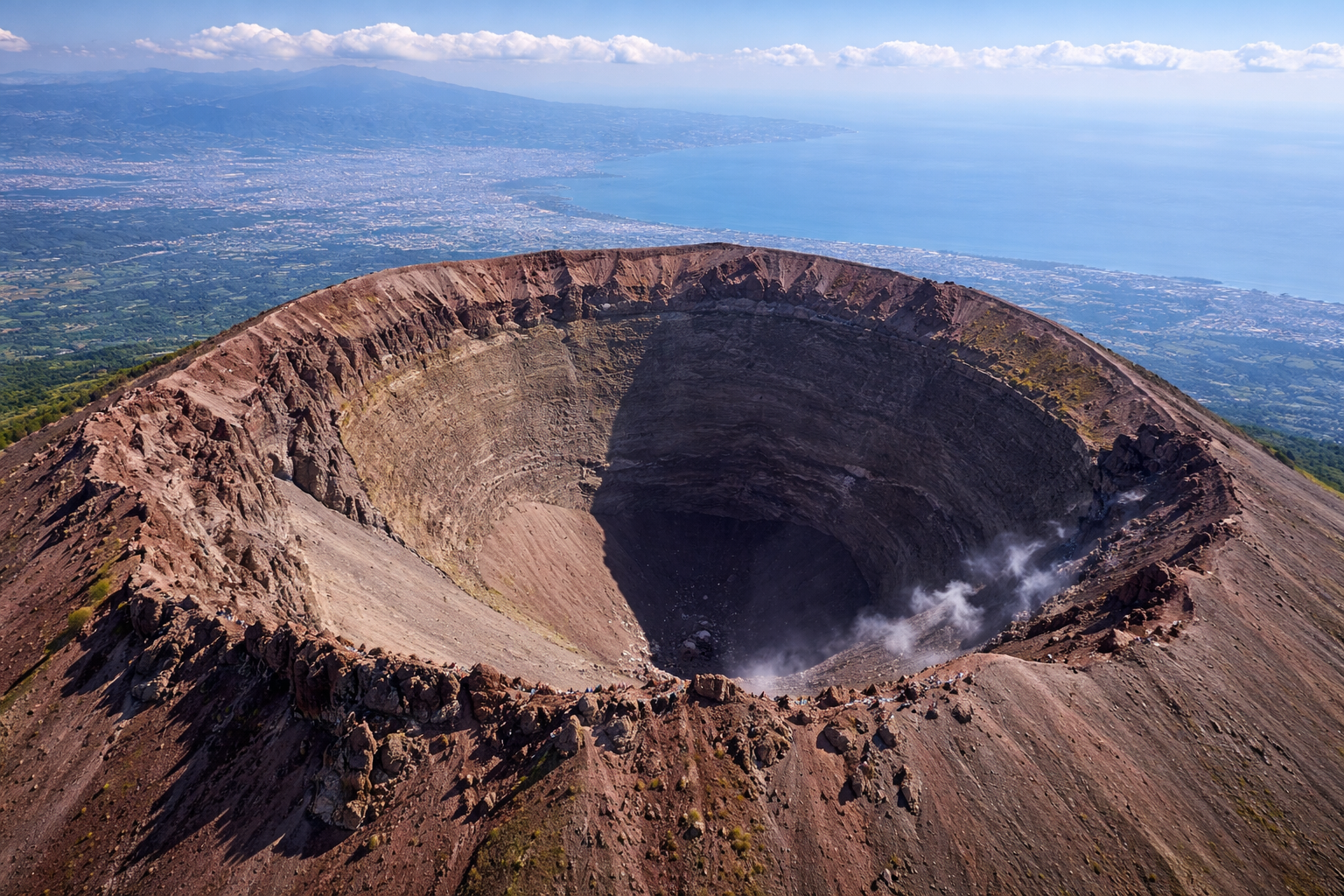
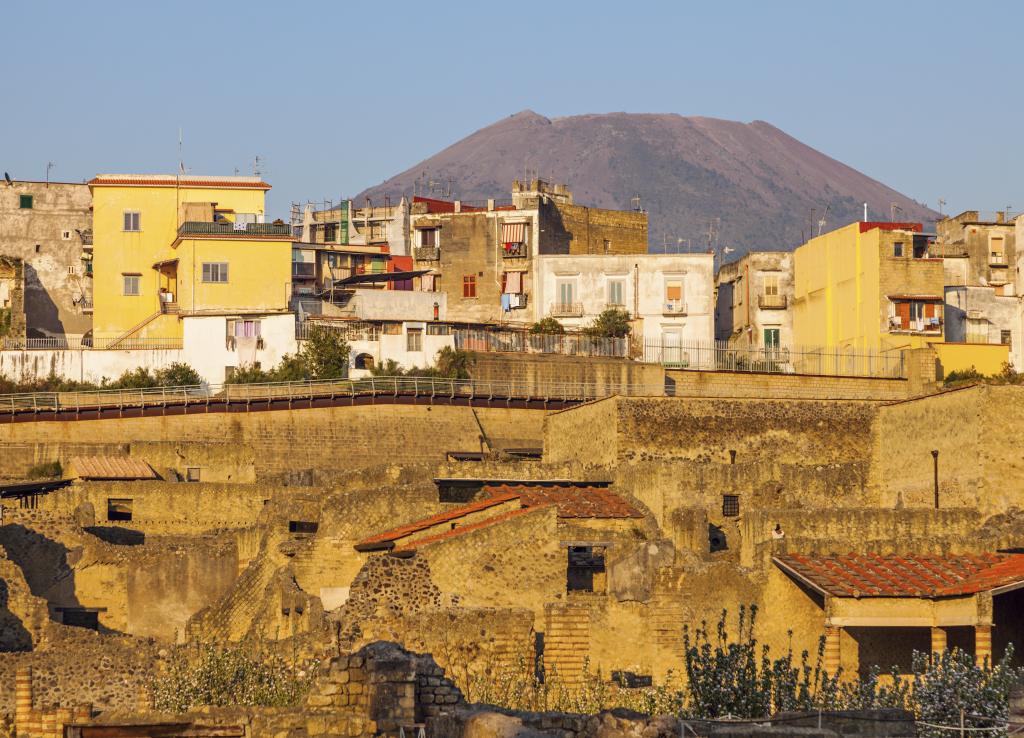
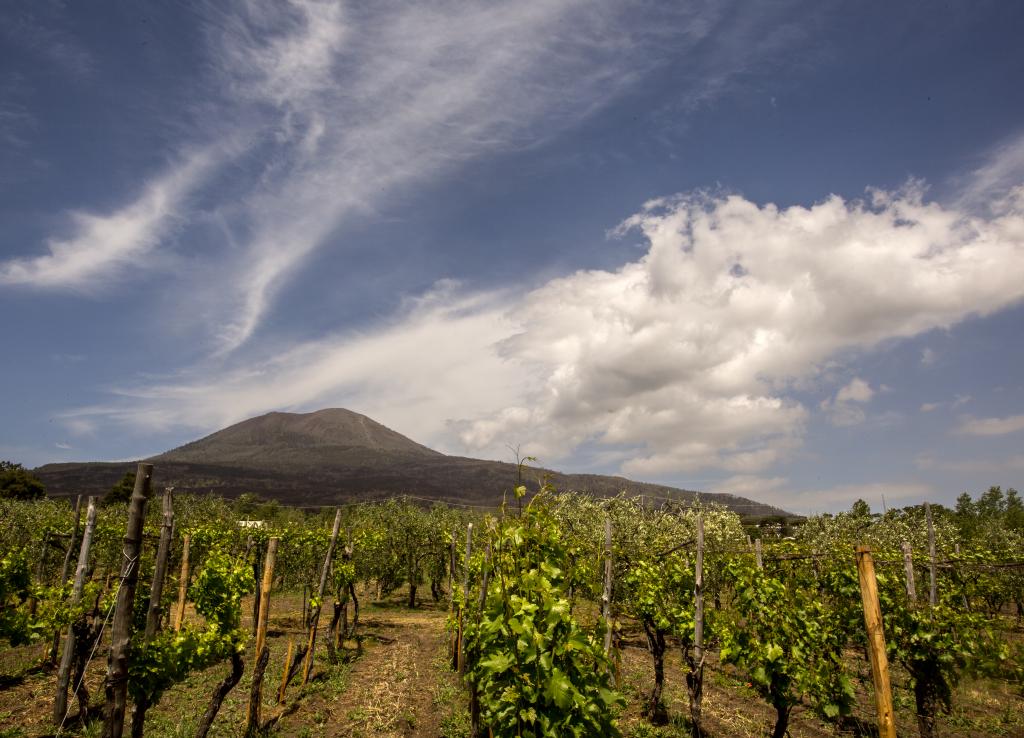
While Pompeii dominates the conversation, Herculaneum is arguably more remarkable — smaller, better preserved, and less crowded. Buried under a different type of volcanic material, it sealed wooden furniture, food, and even papyrus scrolls intact. Paired with an ascent of Mount Vesuvius — the only active volcano on mainland Europe — this excursion offers a genuinely extraordinary combination of geological power and archaeological wonder. Looking down into Vesuvius' crater while understanding what it unleashed on the cities below is a perspective few experiences can match. Venture Ashore offers combined private tours of Vesuvius with Pompeii, Herculaneum, or both, including in-depth archaeological itineraries across multiple ancient sites.
Naples: Street Food, History, and Underground Ruins
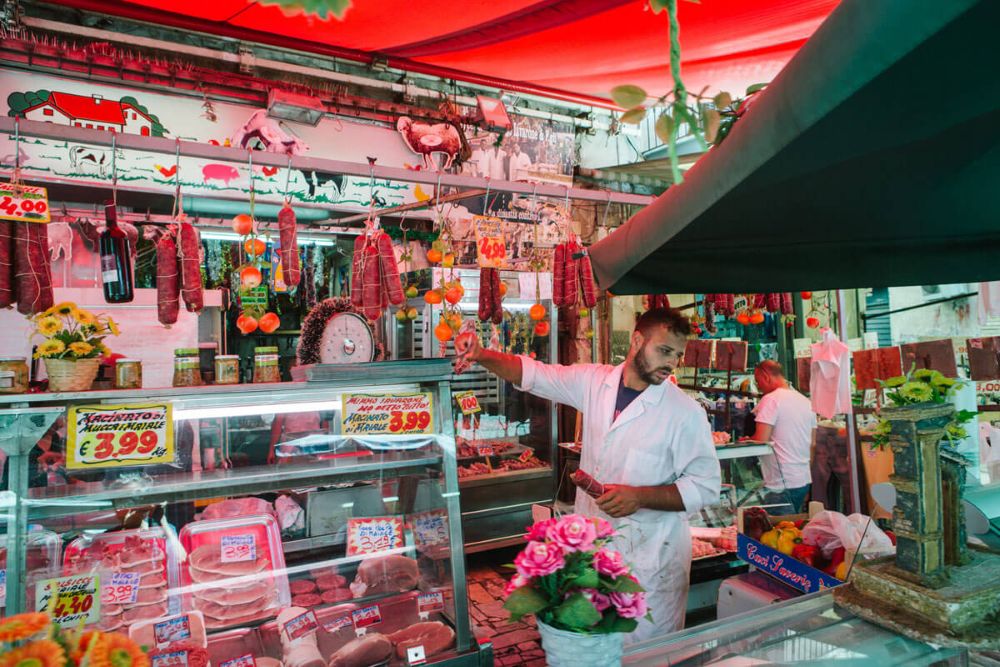
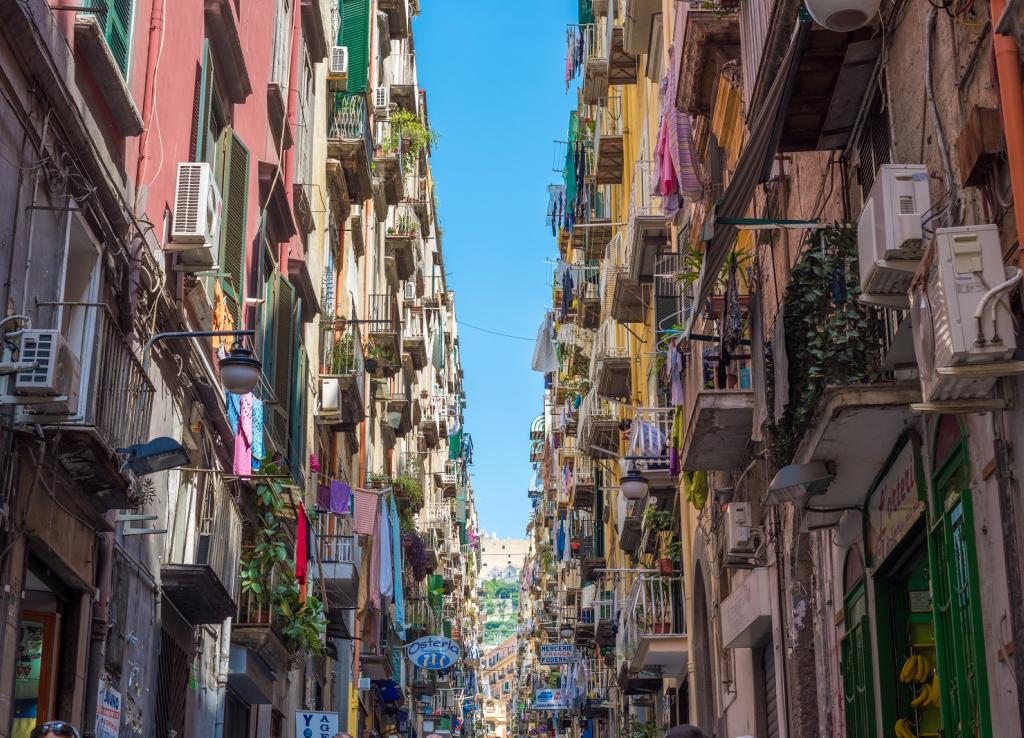
Naples itself is frequently overlooked by cruise passengers eager to reach the region's famous day-trip destinations — but the city deserves more credit. The UNESCO-listed historic center is one of the most densely layered urban environments in Europe, where Greek foundations sit beneath Roman structures, medieval churches, and Baroque palaces. Beneath street level, a labyrinth of ancient tunnels, cisterns, and catacombs tells thousands of years of continuous habitation. Above ground, the street food scene is world-class: legendary pizza from historic pizzerias, fried street snacks from corner shops, and pastry counter after pastry counter. Venture Ashore offers walking food tours and historical center excursions that reveal Naples as a genuine destination in its own right.
Sorrento, Wine, and Culinary Experiences
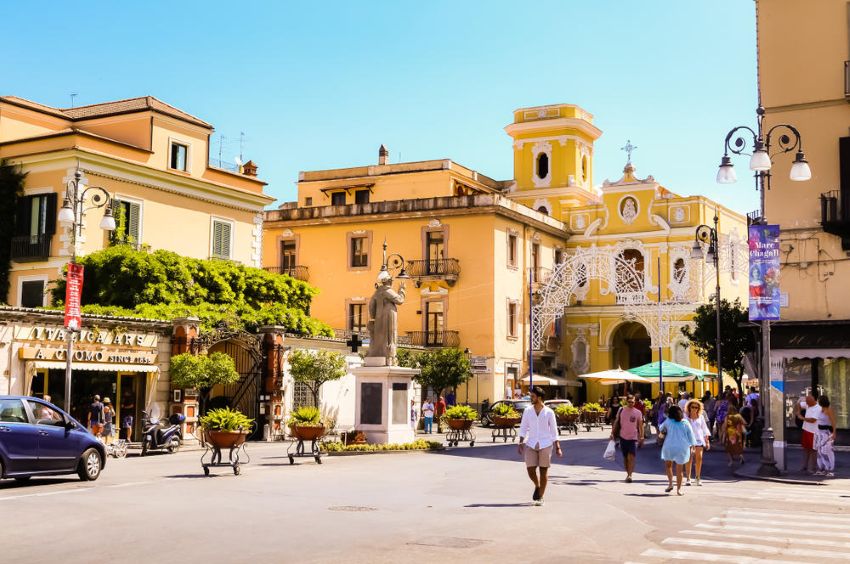
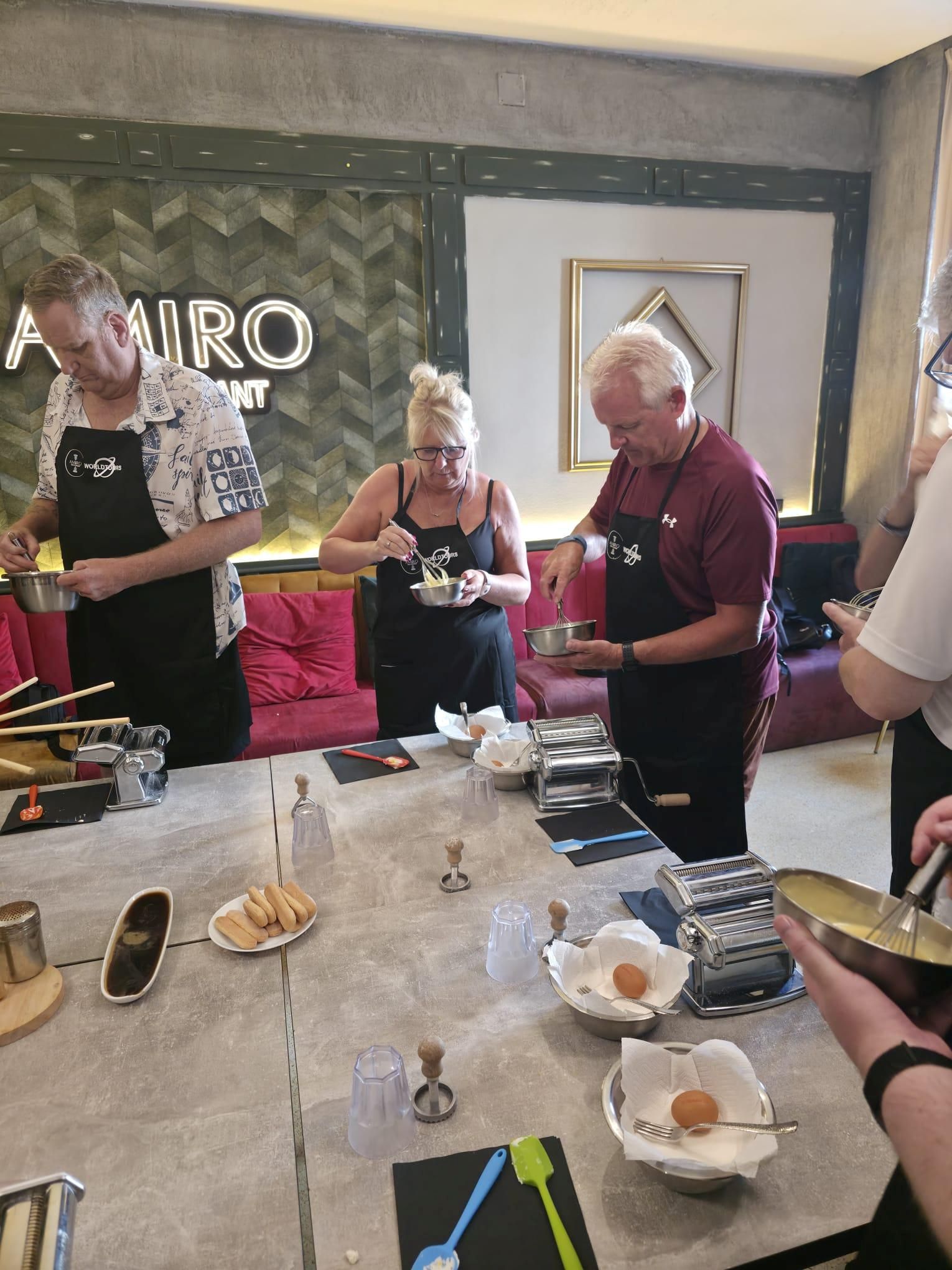
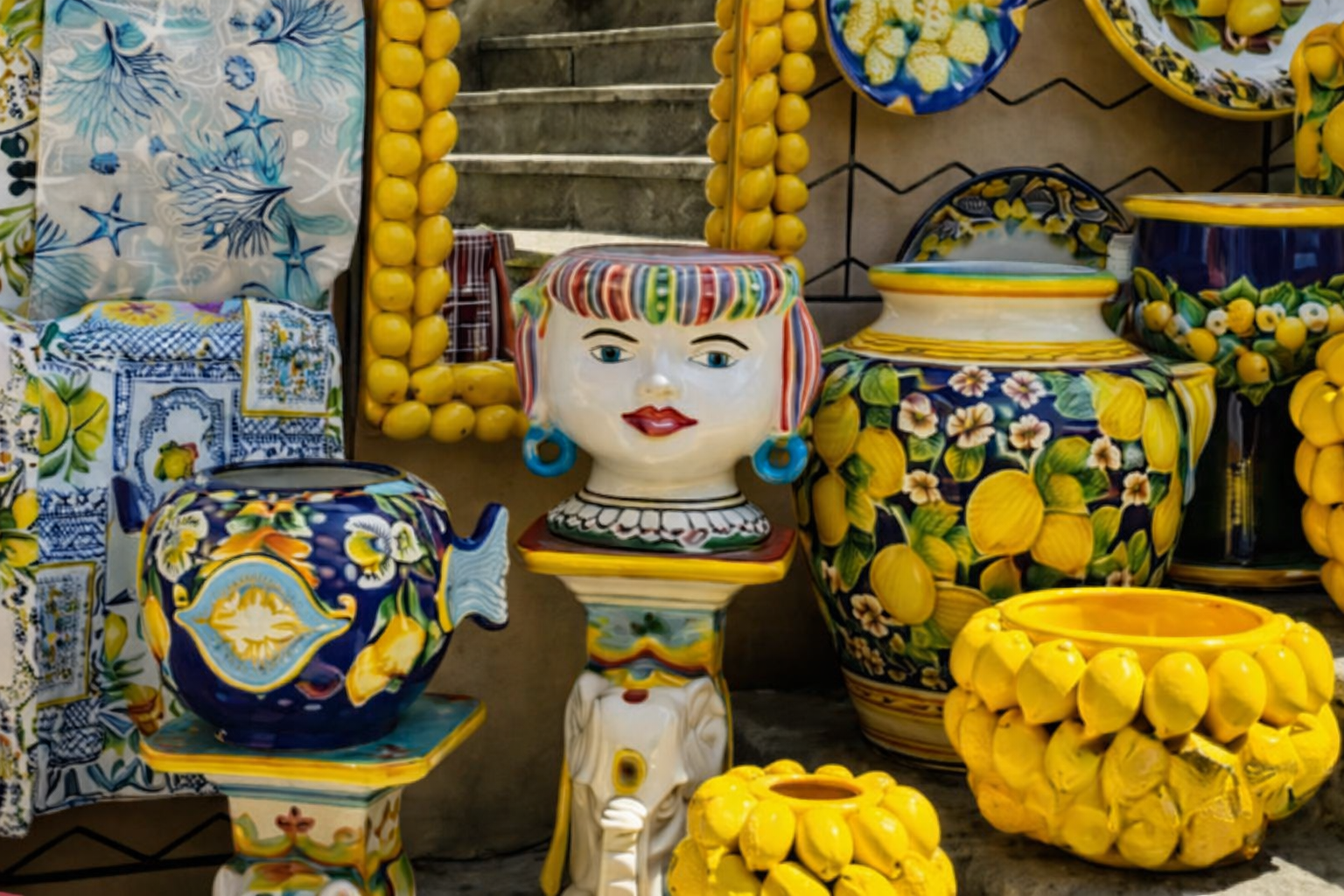
Perched on cliffs above the Bay of Naples, Sorrento is one of the Italian coast's most elegant resort towns — a natural base for Amalfi Coast exploration and a rewarding destination in itself. Its clifftop gardens, ceramic-tiled churches, and lemon-scented streets are quintessentially southern Italian. Beyond sightseeing, the Campania region has serious culinary credentials: Venture Ashore offers hands-on pizza and tiramisu making classes in Naples, pasta masterclasses, and wine experience tours that combine Pompeii visits with tastings at vineyards on the slopes of Vesuvius. The volcanic soil produces distinctive wines — particularly whites — that pair beautifully with the region's seafood-heavy cuisine.
Naples travel tips
Wear Comfortable, Closed-Toe Shoes. Pompeii's ancient basalt streets are uneven and can be treacherous in sandals or heels. Herculaneum presents similar challenges. Even Naples' historic center involves substantial cobblestone walking. Regardless of which direction your day takes from the port, comfortable, sturdy footwear will make the difference between a rewarding experience and an exhausting one. Lightweight trainers or walking shoes are ideal for any itinerary departing from Naples.
Pompeii Is Large — Focus Your Visit. Pompeii covers 44 hectares and many visitors underestimate its scale. Attempting to see everything in a half-day results in rushed impressions of the site's less remarkable areas. The most compelling sections — the Forum, the Villa of the Mysteries, the Garden of the Fugitives, the Stabian Baths, and the plaster casts — are widely distributed across the site. Knowing in advance which areas you want to prioritize, or joining a guided tour that plots an efficient route, dramatically improves what you take away from the visit.
The Blue Grotto on Capri: Timing and Conditions Matter. Capri's Blue Grotto is one of Italy's iconic natural experiences, but access depends entirely on sea conditions — high waves or strong winds can close it on any given day. The grotto is entered by small rowboat, with passengers lying flat, and waits can be lengthy during peak season. Visit early in the day when conditions are calmest and lines shorter. If the grotto is closed, Capri's other coastal formations and hillside scenery more than justify the journey across.
The Amalfi Coast Road Is Scenic but Slow. The SS163 coastal road connecting Positano, Amalfi, and Ravello is one of Europe's most spectacular drives — and one of its most congested. A single breakdown or tourist coach can create delays of 30-60 minutes. Build buffer time into any Amalfi Coast itinerary and resist overloading the day with too many stops. Three well-paced destinations — Positano, Amalfi, and Ravello — is a realistic maximum for a 6-10 hour day that also includes driving time from Naples port.
Naples' Historic Center Has Layers Worth Discovering. The Spaccanapoli axis — the long straight street that bisects the old city — is the starting point for one of Europe's most authentic urban environments. Side streets reveal Gothic churches, artisan workshops, street food vendors, and sudden piazzas with little tourist infrastructure. The underground archaeological sites, including the Napoli Sotterranea tunnels, provide genuinely unusual perspective on the city's 2,500-year history. Those with a few hours in the city itself will find Naples far more than just a transfer point to the wider region.
Sun Protection and Hydration Are Non-Negotiable. Southern Italy's summer sun is intense, and many of the region's most popular sites — Pompeii, Vesuvius' crater rim, Capri's clifftop paths — offer little shade. Sunscreen, a hat, and sunglasses are mandatory from May through September. Carry water, particularly at archaeological sites where walking distances between shaded areas are significant. Pompeii in July and August can feel punishing without adequate preparation; the exposed ascent of Vesuvius presents the same challenge.
Port Facts Every Cruiser Needs To Know
Naples shore excursion FAQs
Pompeii, Capri, and the Amalfi Coast consistently top the list for cruise passengers. Herculaneum, Mount Vesuvius, Sorrento, Positano, Ravello, and culinary experiences in Naples itself are also extremely popular. The region is exceptionally rich and the choice typically comes down to whether you prefer archaeology, coastal scenery, island exploration, or a combination of these.
It is technically possible but demanding. The Circumvesuviana train to Pompeii takes 35-40 minutes, and a meaningful visit requires at least 2-3 hours at the site. Ferry crossings to Capri add 50-80 minutes each way. Combining both in a single 6-10 hour port day leaves very limited time at each location and a high-pressure schedule. Most travelers find it more rewarding to dedicate the day to one destination and experience it properly.
Pompeii is approximately 25 kilometers from Naples' Stazione Marittima. The Circumvesuviana regional train from Naples Centrale station makes the journey in roughly 35-40 minutes, depositing you directly at Pompeii Scavi station at the site's main entrance. Allow additional time to travel from the port to Naples Centrale before boarding.
Absolutely — Capri is one of the Mediterranean's most celebrated island experiences and well worth a full shore day. The ferry crossing from Naples takes 50-80 minutes depending on vessel type, so factor at least 2 hours of round-trip travel. Once on the island, the funicular to Capri town, the chairlift to Anacapri, boat tours of the sea caves, and the clifftop gardens all reward those who arrive early and move efficiently.
The Circumvesuviana is a regional railway running from Naples through the towns beneath Vesuvius to Sorrento. For cruise passengers it is the most practical route to Pompeii (Pompeii Scavi station), Herculaneum (Ercolano Scavi station), and Sorrento. Trains run frequently during the day. The Naples Centrale station, where the Circumvesuviana departs, is reachable from the cruise terminal by city transport.
From Naples port, a comfortable Amalfi Coast day typically covers two to three towns. Positano and Amalfi together make a natural pairing. Adding Ravello — perched high above the coast — is possible with an early start and efficient movement. Trying to incorporate Sorrento as well as all three Amalfi towns generally results in rushed stops. The coastal road is slow, and the scenery between towns is very much part of the experience.
Vesuvius is an active volcano and the only such on mainland Europe. The summit crater rim sits at approximately 1,281 meters, and the final ascent from the car park is a 30-40 minute uphill walk on volcanic terrain. Wear sturdy shoes and carry water — the path is exposed and steep in places. Views from the rim on clear days extend across the Bay of Naples to Capri. Vesuvius is typically combined with Pompeii or Herculaneum to make a full archaeological and geological day.
Naples has one of the world's great culinary cultures. Pizza made in a wood-fired oven is the obvious starting point — the city's historic pizzerias have centuries of practice. Beyond pizza, frittatina, sfogliatella, and fried seafood from street vendors are all worth trying. Venture Ashore offers dedicated culinary excursions including pizza and tiramisu classes, pasta masterclasses, and Campanian wine tastings paired with visits to Vesuvius-area vineyards — a rewarding alternative to archaeology-focused days.
Most cruise lines recommend being back aboard at least 30-45 minutes before the published all-aboard time, and experienced travelers often aim for 60 minutes to allow for unexpected delays. Traffic on the Amalfi Coast road, ferry delays from Capri, and train congestion on the Circumvesuviana are all realistic sources of delay in high season. Always know your ship's all-aboard time before departing and build a realistic return buffer into your plan.
Naples has a reputation that does not always reflect the reality experienced by millions of visitors each year. The historic center, the waterfront, and the major tourist areas are generally safe during daytime hours. Standard urban travel precautions apply: be mindful of valuables in crowded areas, keep bags close, and avoid displaying expensive cameras or jewelry conspicuously. The vast majority of visitors have thoroughly positive experiences exploring the city's streets.
Filters
Select a filter to refine results.
Tour Type
Tour Activity
 Cart
Cart
 USD
USD GBP
GBP AUD
AUD EUR
EUR CAD
CAD