



Tours in Nordfjordeid


Cruising to Nordfjordeid in a group?
Skip the crowded ship excursion bus. One dedicated planner will design a private shore experience around exactly what your group wants — coordinated from first enquiry to the moment you're back on board. More memorable, more flexible, and more affordable than you might expect. Spend less time organising, more time enjoying.
Explore Group Travel →Cruising to Nordfjordeid
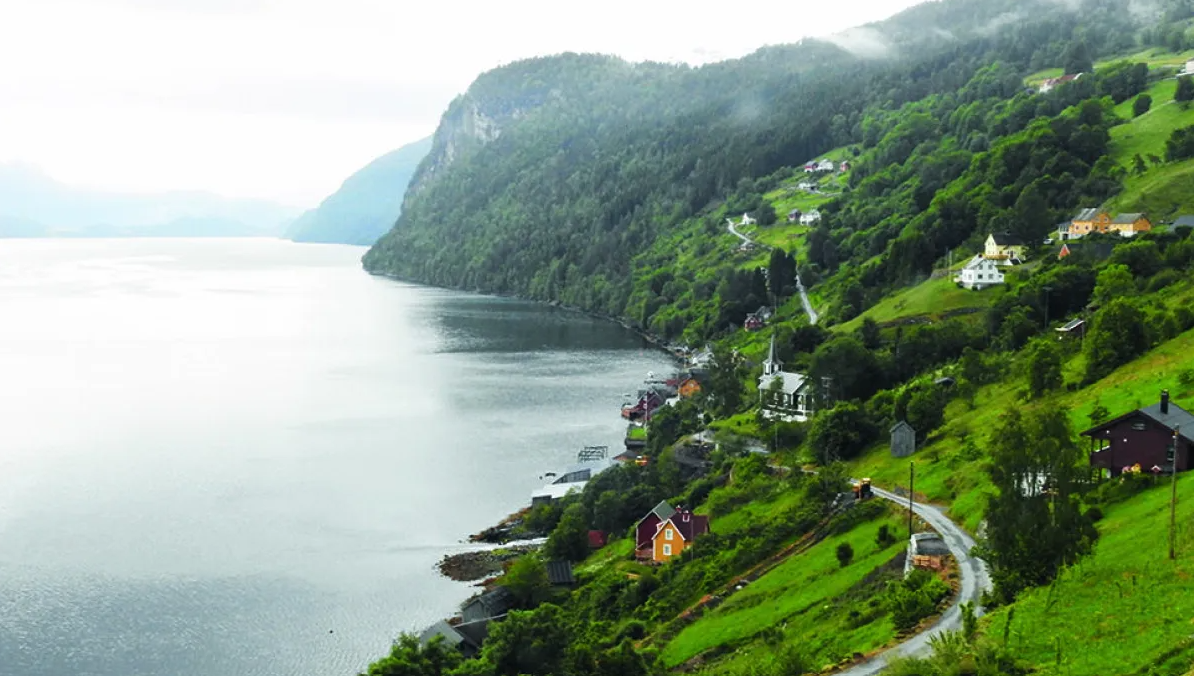
Nordfjordeid sits at the innermost reach of the Nordfjord, a slender arm of salt water that threads deep into the mountains of Western Norway before widening into a broad, still basin ringed by snow-capped peaks. It is a town of quiet, unhurried charm — a working Norwegian community rather than a polished resort — and that authenticity is precisely what makes it so rewarding as a cruise port. Ships dock directly at the town quay, and within moments of stepping ashore, passengers find themselves on a waterfront framed by reflections of the surrounding mountains, the air cool and clean with the particular clarity that defines this corner of Scandinavia.
What sets Nordfjordeid apart from other Norwegian ports is the extraordinary density of world-class natural experiences within reach of a single day ashore. The UNESCO-listed Geirangerfjord lies within scenic driving distance across dramatic mountain passes. Briksdal Glacier — a sweeping arm of Jostedalsbreen, the largest glacier on the European mainland — descends into a valley of birch forest and cascading meltwater just a short excursion away. The Loen Skylift ascends nearly a kilometre in minutes to deliver panoramas that stretch from fjord to glacier and back again. In a region that does not lack for superlatives, Nordfjordeid is positioned at the very heart of them.
The town itself carries a deeper history than its modest size might suggest. The Sagastad Viking heritage centre — home to a full-scale reconstruction of the Myklebust ship, the largest Viking vessel ever found on Norwegian soil — brings the Norse age to life with an immediacy that few comparable attractions can match. Selja Island, a short boat crossing to the north, holds the ruins of one of Norway's oldest monasteries, built in honour of St Sunniva, the country's first saint. The Nordfjord valley spreading out from town has sustained farming communities for centuries, its fertile land between the mountains and the water still dotted with dairy farms, orchards, and the kind of quiet pastoral landscape rarely glimpsed from a ship's deck.
For cruise visitors, Nordfjordeid represents a rare convergence: a port compact enough to absorb on foot in a morning, yet surrounded by some of the most celebrated natural scenery in Europe. Whether the draw is the thunderous waterfalls of Tvinnefossen, the vertiginous thrill of a RIB safari along the fjord, or simply the pleasure of a slow coffee beside the water as the mountains hold their reflection, this is a place that rewards every style of traveller. Arrive early, breathe deeply, and let the scale of Western Norway do the rest.
Top things to do in Nordfjordeid on a cruise stopover
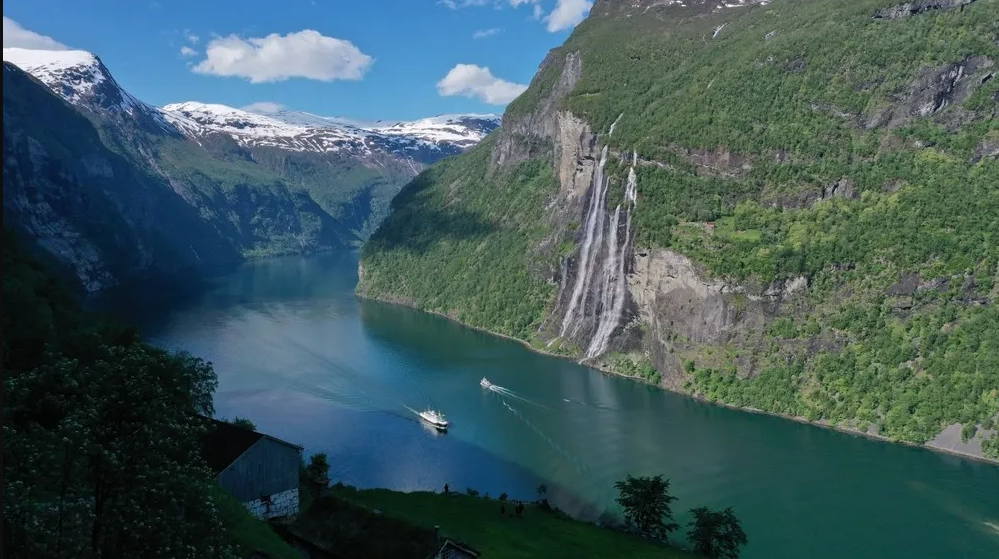
Geirangerfjord by Scenic Coach and Boat
Among Norway's most iconic natural spectacles, the Geirangerfjord is a UNESCO World Heritage Site of extraordinary drama — sheer cliff walls rising hundreds of metres from deep green water, laced with waterfalls bearing poetic names like the Seven Sisters and the Suitor. The journey from Nordfjordeid combines a scenic mountain road crossing with a boat passage along the fjord's most celebrated stretch, delivering perspectives that reward from both above and below. Whether experienced from a traditional sightseeing vessel or the pulse-quickening vantage of a RIB safari, this is one of Europe's defining natural encounters — the kind that reframes one's understanding of scale and wilderness in a single, unforgettable hour on the water.
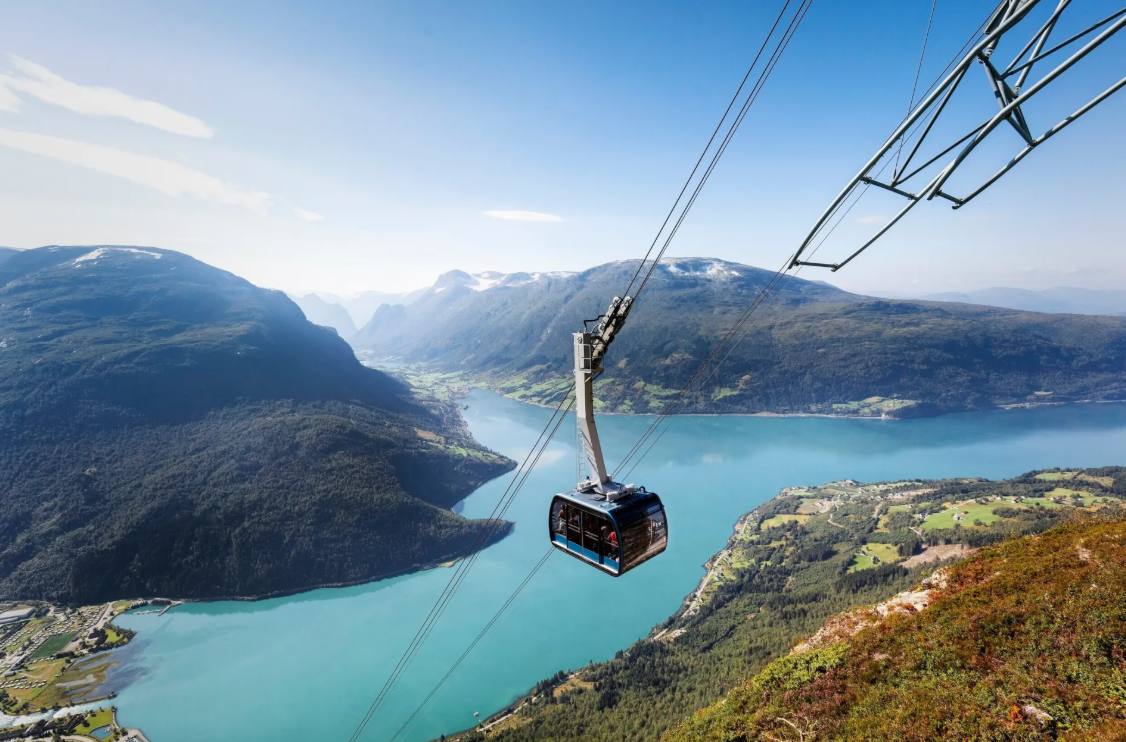
Loen Skylift to the Summit of Mount Hoven
Ascending nearly 1,000 metres in just over five minutes, the Loen Skylift is one of Europe's steepest cable cars — and the panorama it delivers is simply extraordinary. From the summit ridge of Mount Hoven, the Nordfjord stretches west toward the sea while snow-streaked peaks crowd the horizon in every direction. On clear days the view extends for dozens of kilometres, taking in glaciers, fertile valleys, and the silver thread of the fjord below. The mountain plateau offers marked walking paths and a clifftop restaurant, making the summit as rewarding to linger in as it is to reach. The combination of the valley drive and the Skylift ascent offers one of the most complete mountain-and-fjord experiences available from this port.
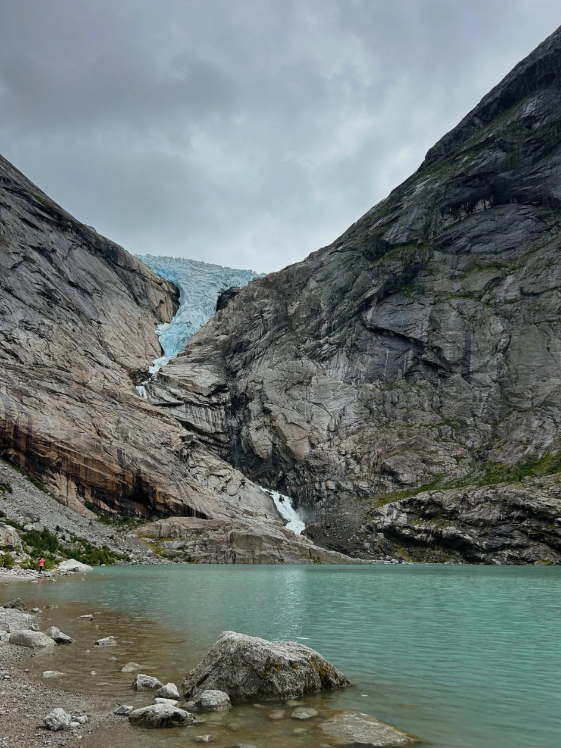
Briksdal Glacier
An arm of the vast Jostedalsbreen — the largest glacier on the European mainland — the Briksdal Glacier descends dramatically into a valley flanked by tumbling waterfalls and dense birch forest. The approach winds through some of western Norway's most photogenic countryside before revealing the glacier's distinctive blue-white tongue, a remnant of the ice age that has shaped this landscape for millennia. A walk to the viewpoint offers a visceral encounter with glacial scale and the ongoing processes of retreat and renewal reshaping the terrain. Few sights in Norway leave a more lasting impression, and the combination of valley scenery, rushing meltwater streams, and the glacier itself makes this one of the region's most complete natural excursions.
Selja Island and the Medieval Monastery
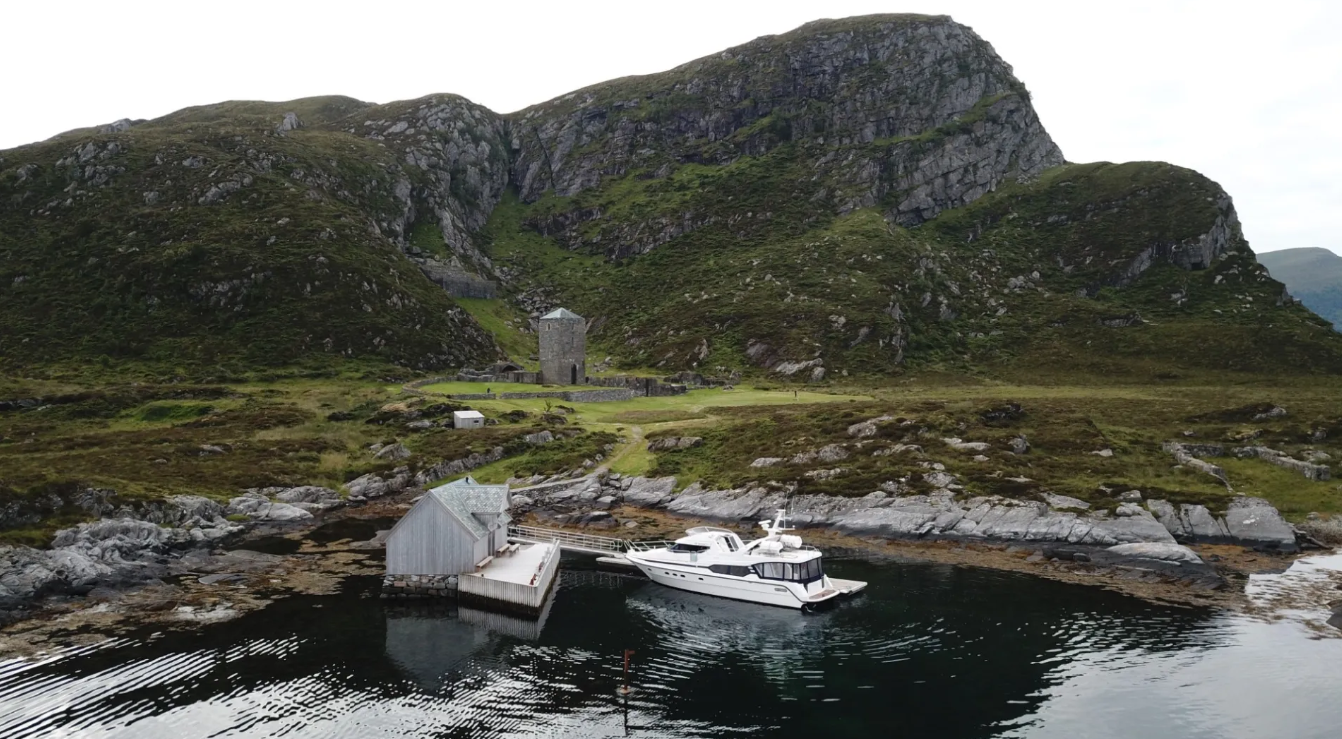
Lying just off the coast at the mouth of the Nordfjord, the small island of Selja carries one of Norway's most significant sacred histories. St Sunniva, Norway's first saint, is said to have sought refuge here in the 10th century, and the monastery ruins that subsequently developed in her honour represent some of the country's oldest surviving ecclesiastical architecture. A short boat crossing delivers visitors to the island, where a walk through the ruins — set against dramatic coastal scenery and crashing Atlantic waves — offers a meditation on Norse Christianity and medieval pilgrimage. The island's quiet isolation and the weight of its history create an atmosphere entirely distinct from the fjord and glacier experiences available elsewhere.
Tvinnefossen Waterfall Walk
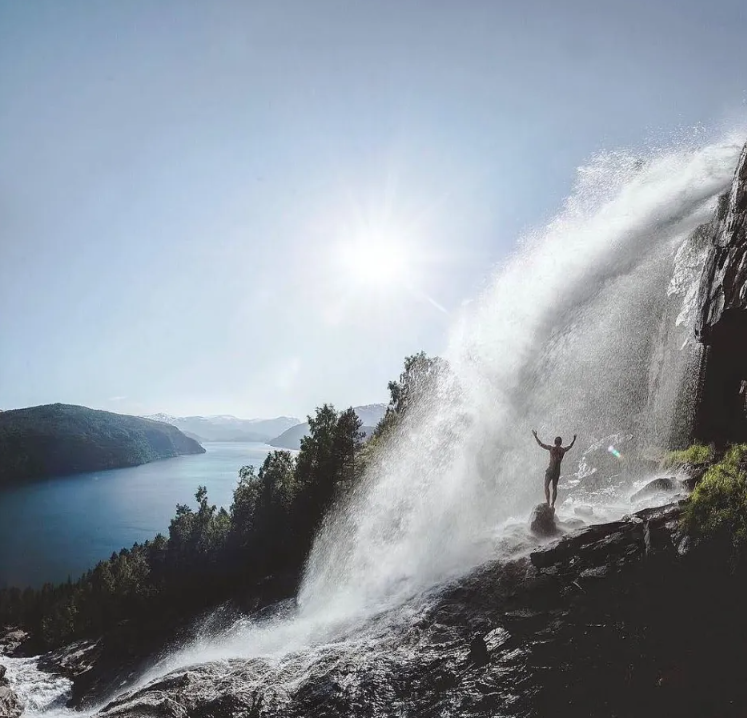
One of Norway's most distinctive and accessible waterfalls, Tvinnefossen cascades in two separate braided strands from a height of 152 metres, twisting together as they fall before dissipating into a fine mist at the valley floor. The surrounding landscape is intensely green, particularly in summer when snowmelt swells the flow to its most impressive. A well-marked path leads from the roadside to the base of the falls, rewarding a short, pleasant walk with close-up views of the churning water and the cool spray drifting across the approach trail. It is a peaceful, unhurried counterpoint to the region's grander spectacles — the kind of natural encounter that stays with visitors long after the more celebrated sights have blurred into memory.
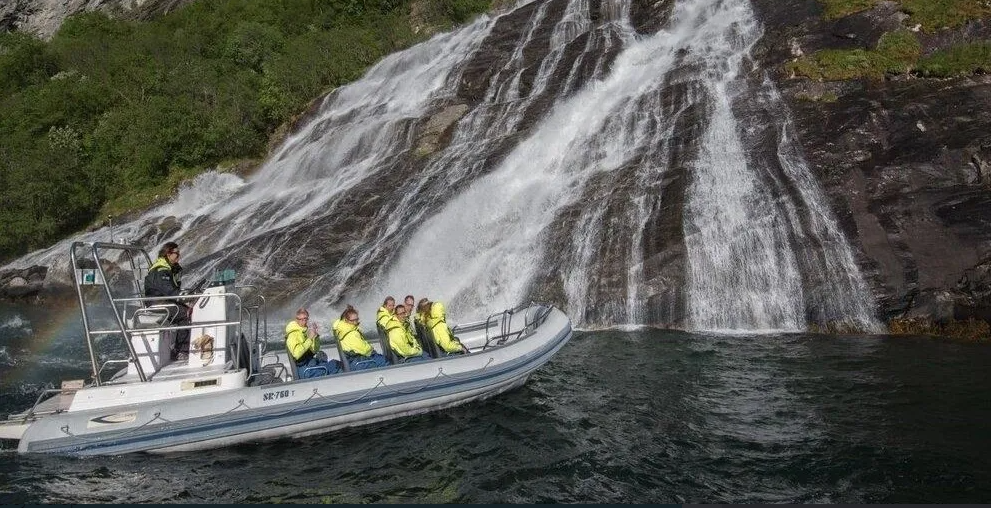
Adventure RIB Safari on the Nordfjord
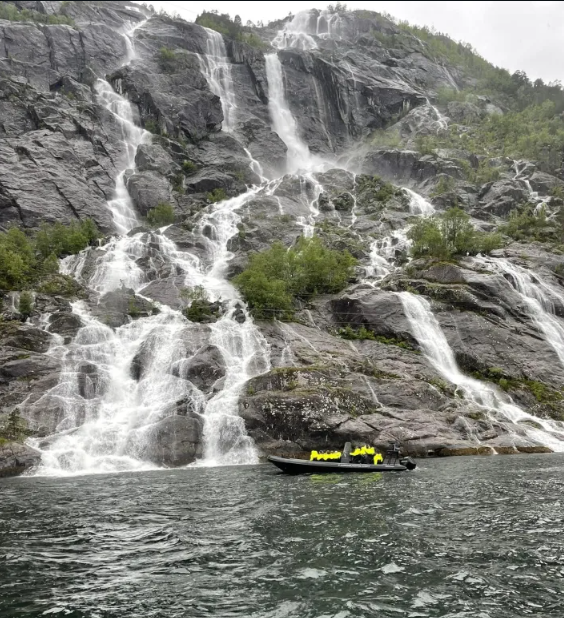
For those who prefer their fjord encounter with an edge of exhilaration, a RIB (rigid inflatable boat) safari along the Nordfjord delivers speed, spray, and spectacular close-up perspectives from the waterline. These powerful craft cut along the fjord at pace, hugging the shoreline and venturing beneath waterfalls, past hanging valleys, and alongside cliffs that rise sheer from the water. The fjord's scale is felt differently at water level — surrounding mountains appear even more imposing from below, and the sense of immersion in the landscape is total. Waterproof gear is provided, and the skipper's local knowledge brings the geology and history of the shoreline to life. A vivid, memorable way to begin or end a day ashore in Nordfjordeid.
Nordfjordeid travel tips
Layer Up — Norwegian Mountain Weather Changes Fast. Even in midsummer, western Norway's mountain and fjord environment can shift from warm sunshine to cool winds and rain within hours. Temperatures at glacier viewpoints and high-altitude destinations like Mount Hoven are markedly colder than at the waterfront — sometimes by 10 degrees or more. Packing a waterproof outer layer, a warm mid-layer, and comfortable walking shoes with good grip is essential regardless of the morning forecast. The region's mountains and glaciers reward those who prepare for them, and being underdressed at altitude can quickly turn a spectacular experience into an uncomfortable one.
Carry a Small Amount of Norwegian Krone. While card payments are accepted almost everywhere in Norway, a small amount of Norwegian Krone (NOK) can smooth the edges of the day — useful for a waterfront coffee, a local market stall, or a bakery that may not process international cards quickly. Norway is an expensive destination by most international standards, so having a realistic sense of local pricing avoids surprises. Currency exchange before departure is advisable, as ATMs in smaller Norwegian coastal towns are not always prominently located and queues can form when multiple ships are in port simultaneously.
Stay on Marked Paths at Natural Sites. Norway's approach to natural environments is built on the principle of Allemannsretten — the universal right of access — but this comes with corresponding expectations of care. At glacier sites, waterfall viewpoints, and coastal paths, always remain on marked trails and observe any barriers or warning signs. Glaciers in particular present genuine hazards away from designated viewpoints, where crevasses and unstable ice edges are not always visible. The landscape's exceptional quality is maintained by both authorities and visitors alike — staying within marked areas is both a safety measure and a mark of genuine respect for the environment.
Know What the Glacier Excursion Physically Involves. The walk from the coach drop-off to the Briksdal Glacier viewpoint is manageable for most fitness levels, though the terrain is uneven and occasionally steep. The glacier itself is viewable from a safe distance; access onto the ice requires specialist guided tours not typically included in standard excursions. Sturdy waterproof footwear and weather-appropriate clothing make a marked difference to comfort on the approach path, which can be wet and rocky regardless of the day's overall conditions. Pace yourself — the reward at the end more than justifies the effort.
Aim for Morning Departures to the Geirangerfjord. Early departure from Nordfjordeid tends to deliver cleaner morning light at the most photographed viewpoints and fewer crowds at the peak overlooks. The Geirangerfjord route includes multiple mountain road stages with sweeping vista points — having time at each without rushing significantly improves the experience. Early starts also allow a more relaxed passage along the fjord itself, with ample time to absorb the waterfalls and cliff scenery before the return journey through the mountains in the afternoon. Midsummer mornings in Norway are luminous and long — an ideal condition for both photography and sightseeing.
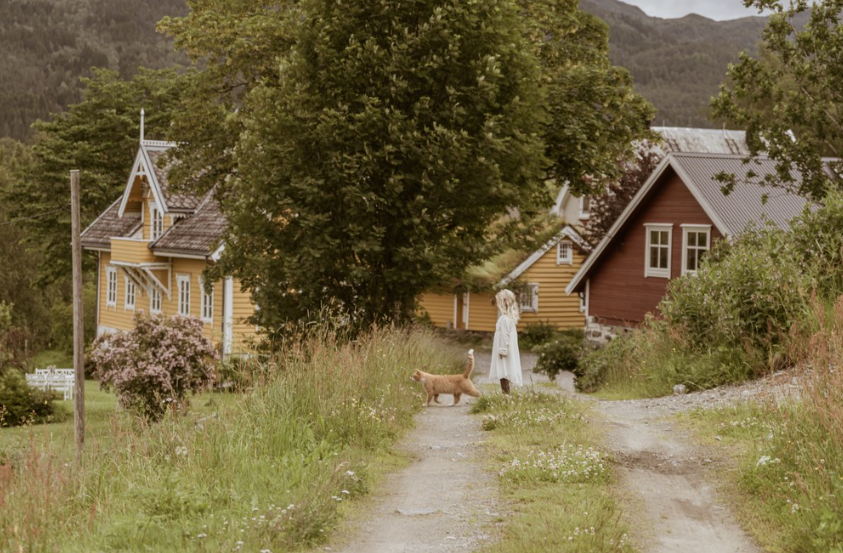
Explore the Agricultural Heart of the Nordfjord Valley. The valleys surrounding Nordfjordeid have sustained farming communities for centuries, with fertile land between the fjord and the mountains supporting dairy herds, orchards, and market gardens. Local farm shops occasionally offer seasonal produce, homemade jams, and traditional cheeses that represent a side of Norwegian life rarely seen from cruise decks. Even passing through the valley by coach reveals a pastoral landscape of quiet beauty. The region's farming heritage is woven into its food culture — tasting it, whether through a brunost slice at a local cafe or fresh berries from a roadside stall, is one of the most authentic experiences the area offers.
Port Facts Every Cruiser Needs To Know
Nordfjordeid shore excursion FAQs
Ships typically dock directly at Nordfjordeid's town quay, eliminating the need for a tender service. The pier is conveniently located within the town itself, putting passengers immediately close to the waterfront, local shops, and excursion departure points — making the transition from ship to shore quick and uncomplicated.
The drive from Nordfjordeid to Geirangerfjord via the scenic mountain road crossing takes approximately 1.5 to 2 hours each way. Excursions typically combine the road journey with a boat section along the fjord itself, making it a full-day commitment of around 7 to 8 hours — best suited to those with 8 or more hours ashore.
The cable car cabin itself is accessible, but the summit area involves uneven terrain on rocky paths. Visitors with significant mobility limitations may find extensive summit exploration challenging. The views from the cable car and the immediate arrival platform are outstanding without requiring extensive walking, making the ascent worthwhile even for those who cannot venture far from the upper station.
Brunost is Norway's iconic brown cheese — made from whey, cream, and milk slowly simmered until the sugars caramelise, producing a distinctively sweet, slightly salty, fudge-like flavour. It is eaten thinly sliced on crispbread or rye bread and found in every Norwegian supermarket, most cafes, and local bakeries. It is an essential taste of the country and well worth trying alongside Norwegian crispbread or as part of a simple open sandwich.
Yes. Nordfjordeid is a compact and walkable town. The waterfront promenade, local shops, the Sagastad Viking heritage centre (home to a reconstructed Viking ship), and the Nordfjord shoreline are all accessible on foot from the pier. Those choosing to remain in town can fill 1 to 3 hours comfortably and still have time to sit by the water and absorb the surroundings at leisure.
Yes. Norwegian tap water is among the cleanest and most rigorously monitored in the world. Drinking from the tap is entirely safe and preferable to purchasing bottled water. Many visitors carry a reusable bottle throughout the day, refilling it at any tap in town — a practical choice in a country that takes its natural water quality seriously.
Norway uses the Norwegian Krone (NOK). Card payments — including Visa, Mastercard, and contactless — are accepted almost universally, and many Norwegian businesses operate as fully cashless. Carrying a small amount of NOK is useful as a backup for market stalls or the rare cash-only establishment, but it is not strictly necessary for the majority of transactions during a day ashore.
Waterproof outer layers, moisture-wicking mid-layers, and sturdy footwear with good grip are recommended for both glacier and waterfall excursions. Temperatures at Briksdal Glacier are significantly cooler than at the fjord, and approach paths are frequently wet underfoot. For Tvinnefossen, spray from the falls can dampen clothing close to the base — a light, packable rain jacket is advisable even on otherwise sunny days.
The excursion involves a short boat crossing and a walk through uneven, sometimes rocky terrain to reach the monastery ruins. It is accessible to most able-bodied adults and older children. Younger children may find the terrain and length of the walk challenging. The ruins are open to the elements, so weather-appropriate clothing is recommended, and the boat crossing can be choppy in unsettled coastal conditions.
The Geirangerfjord by scenic coach and boat offers the most comprehensive single-day introduction to Norwegian fjord scenery and is widely regarded as one of the most spectacular natural experiences in Europe. For visitors with more active interests or less time ashore, the Loen Skylift combined with the valley drive delivers an equally memorable mountain-and-fjord panorama in a slightly more compact timeframe.
Filters
Select a filter to refine results.
Tour Type
Tour Activity
 Cart
Cart
 USD
USD GBP
GBP AUD
AUD EUR
EUR CAD
CAD