



Tours in Phu My (Ho Chi Minh City)


Cruising to Phu My (Ho Chi Minh City) in a group?
Skip the crowded ship excursion bus. One dedicated planner will design a private shore experience around exactly what your group wants — coordinated from first enquiry to the moment you're back on board. More memorable, more flexible, and more affordable than you might expect. Spend less time organising, more time enjoying.
Explore Group Travel →Cruising to Phu My (Ho Chi Minh City)
Phu My International Cruise Terminal sits roughly 80 kilometres southeast of Ho Chi Minh City on the Thi Vai River, a deep-water facility purpose-built to handle the largest ocean liners. The port itself is industrial — functional rather than scenic — but the journey toward the city rewards patience. Depending on traffic, the transfer runs 90 minutes to two hours each way, a factor that shapes every decision you make ashore.
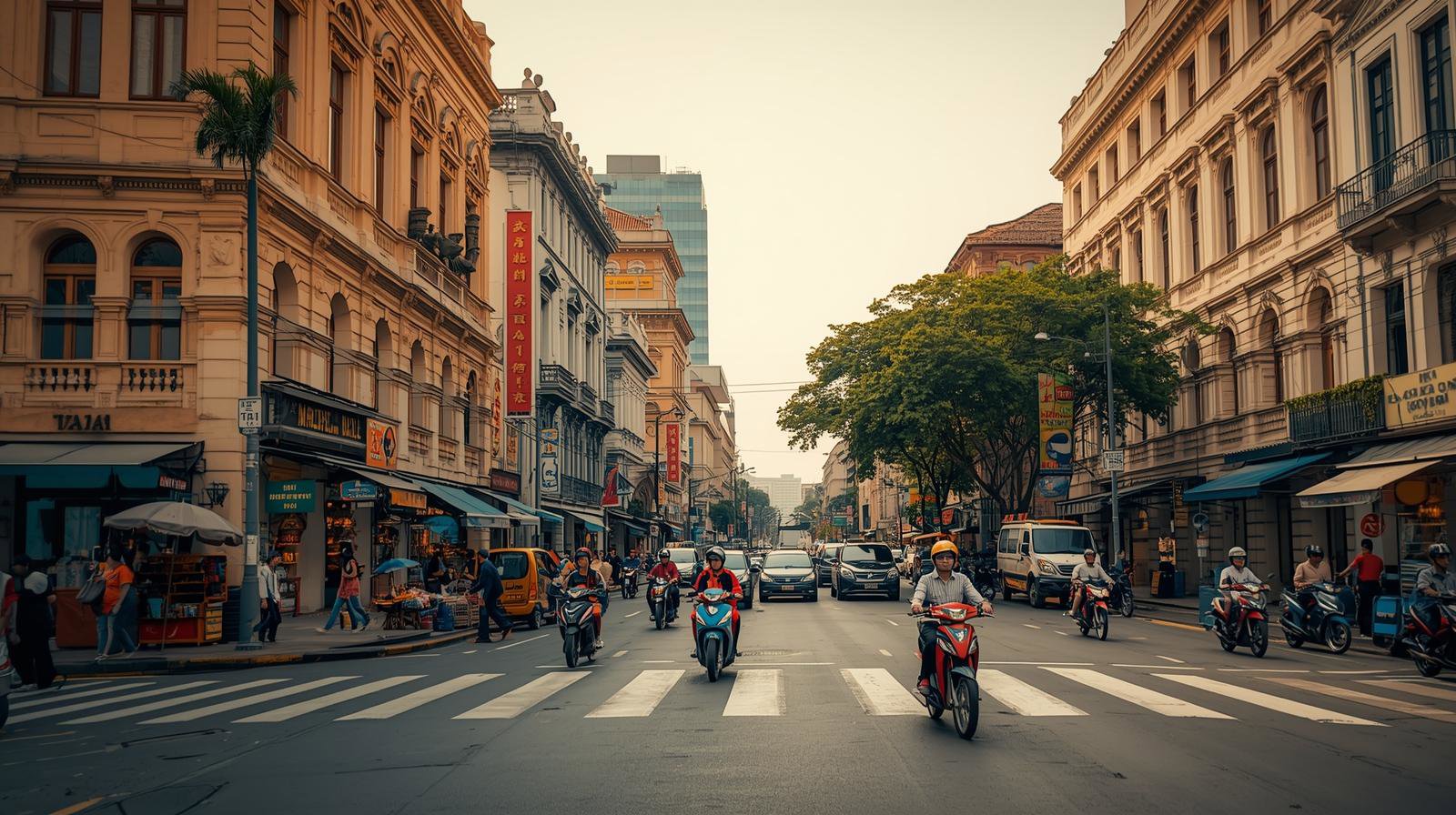
Ho Chi Minh City, still widely called Saigon by its residents, is a place of tremendous forward momentum. Tower cranes punctuate the skyline alongside French-era facades; motorbikes weave in formations that look chaotic until you realise they obey an unspoken logic. The city was the capital of South Vietnam until 1975, and its layers of colonial, wartime, and post-reunification history are impossible to separate — which is exactly what makes it worth the long transfer.
The War Remnants Museum and the Reunification Palace stand as the city's two most visited sites, and rightly so. Neither traffics in easy narratives. The museum's photographic archive of the American War is among the most affecting documentary collections in Southeast Asia; the palace freezes 30 April 1975 in amber, its war rooms and rooftop helicopter pad intact. Together they offer two hours of history that genuinely recalibrates perspective.
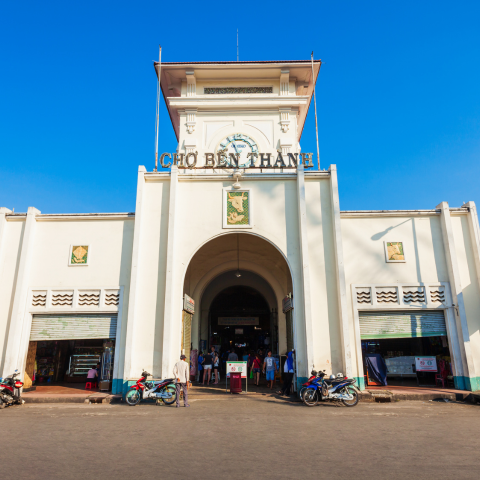
For those who prefer streets to institutions, the Ben Thanh Market quarter rewards slow walking — fabric vendors, coffee stalls serving ca phe sua da over condensed milk, and side lanes where bánh mì carts appear without fanfare. The Cu Chi Tunnels, though further afield at around 70 kilometres from the port, draw travellers willing to sacrifice the city entirely for an underground experience of the guerrilla network that defined the war's most difficult chapters.
Top things to do in Phu My (Ho Chi Minh City) on a cruise stopover
War Remnants Museum
Few museums in the world make the weight of history this immediate. The War Remnants Museum in District 3 houses an extensive archive of the American War through Vietnamese eyes — photographs by international journalists, detailed accounts of Agent Orange's generational effects, and a collection of captured US military hardware in the courtyard. The third floor's photographic galleries are the most powerful and require emotional preparedness. Plan at least 90 minutes; the context this building provides colours everything else you see in the city. Closed for midday lunch between noon and 1:30pm.
Reunification Palace
On the morning of 30 April 1975, a North Vietnamese tank broke through these gates and ended the Vietnam War. The palace — built in 1966 for South Vietnamese President Nguyen Van Thieu — has been preserved essentially as it was that day. The war command rooms in the basement still hold their original maps and radio equipment; the rooftop retains the helicopter pad from which the final evacuations departed. It is a place of deliberate stillness in a city that rarely pauses. Guided tours depart regularly and add substantial context to what you see.
Mekong Delta: The River That Feeds Vietnam
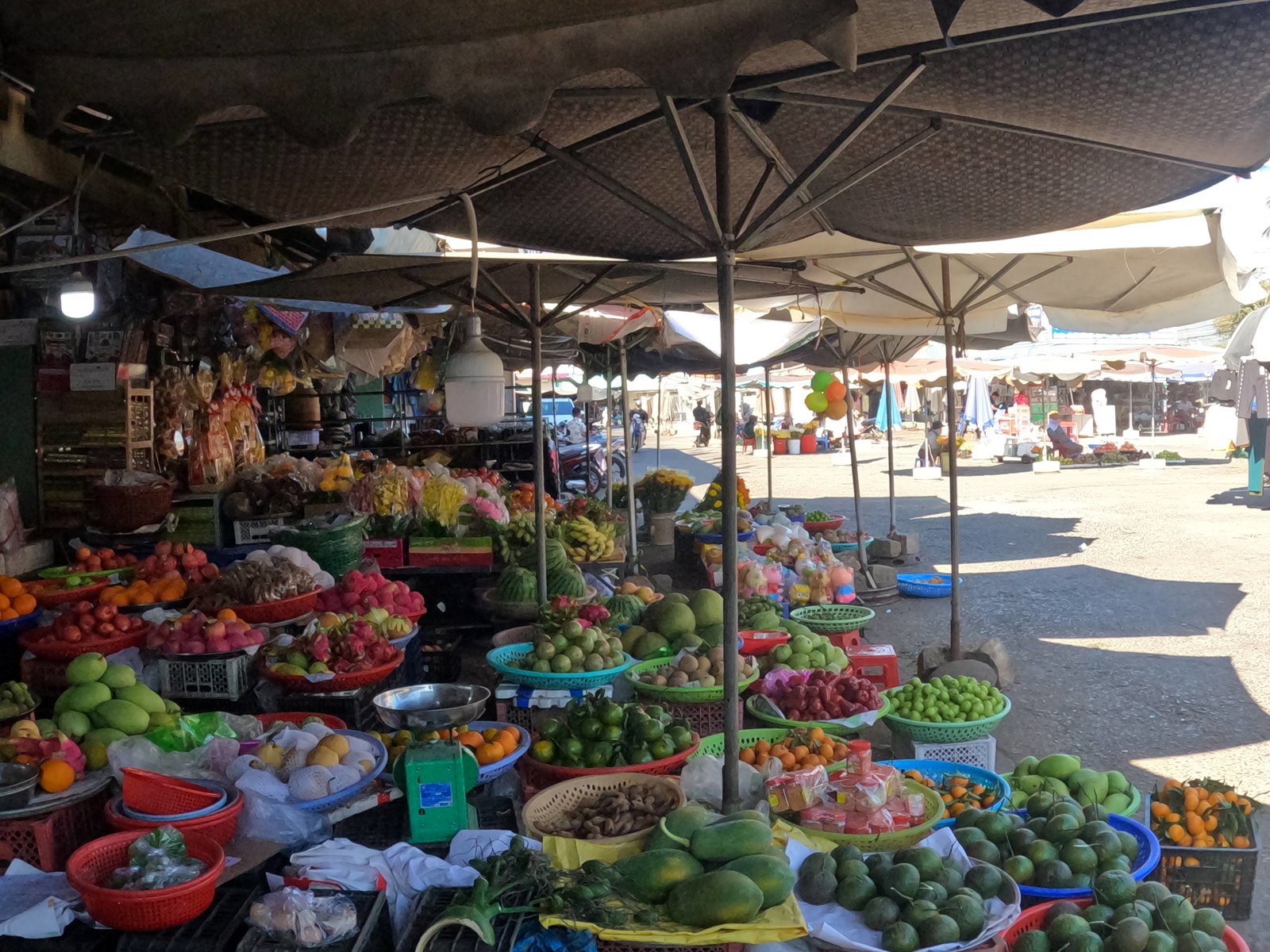
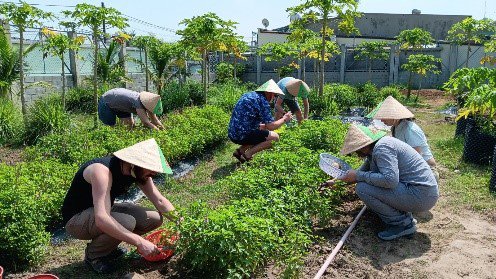
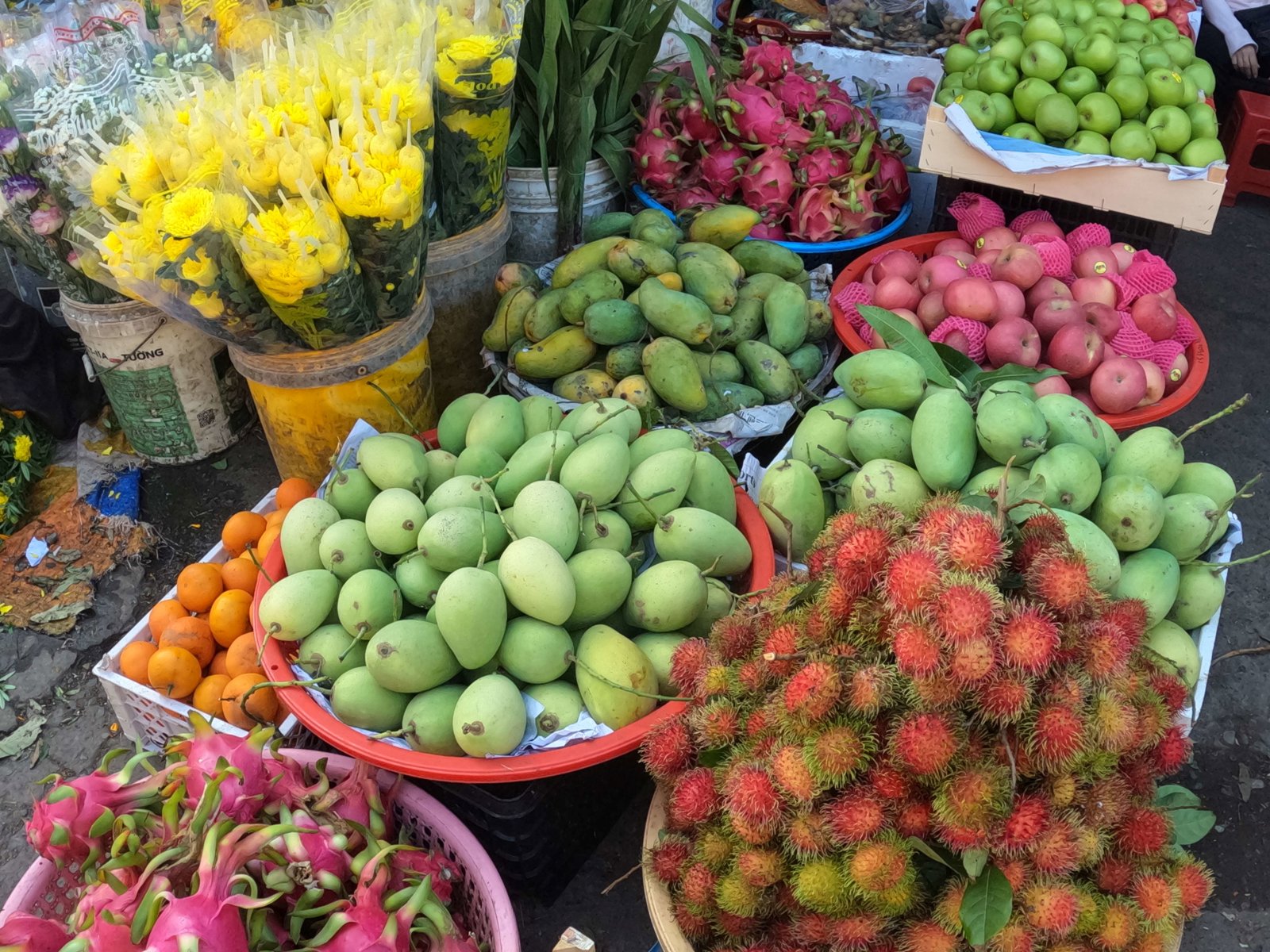
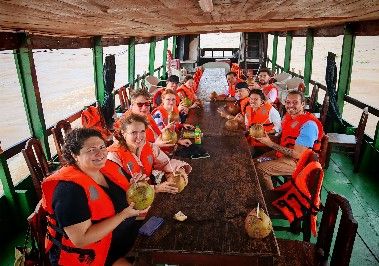
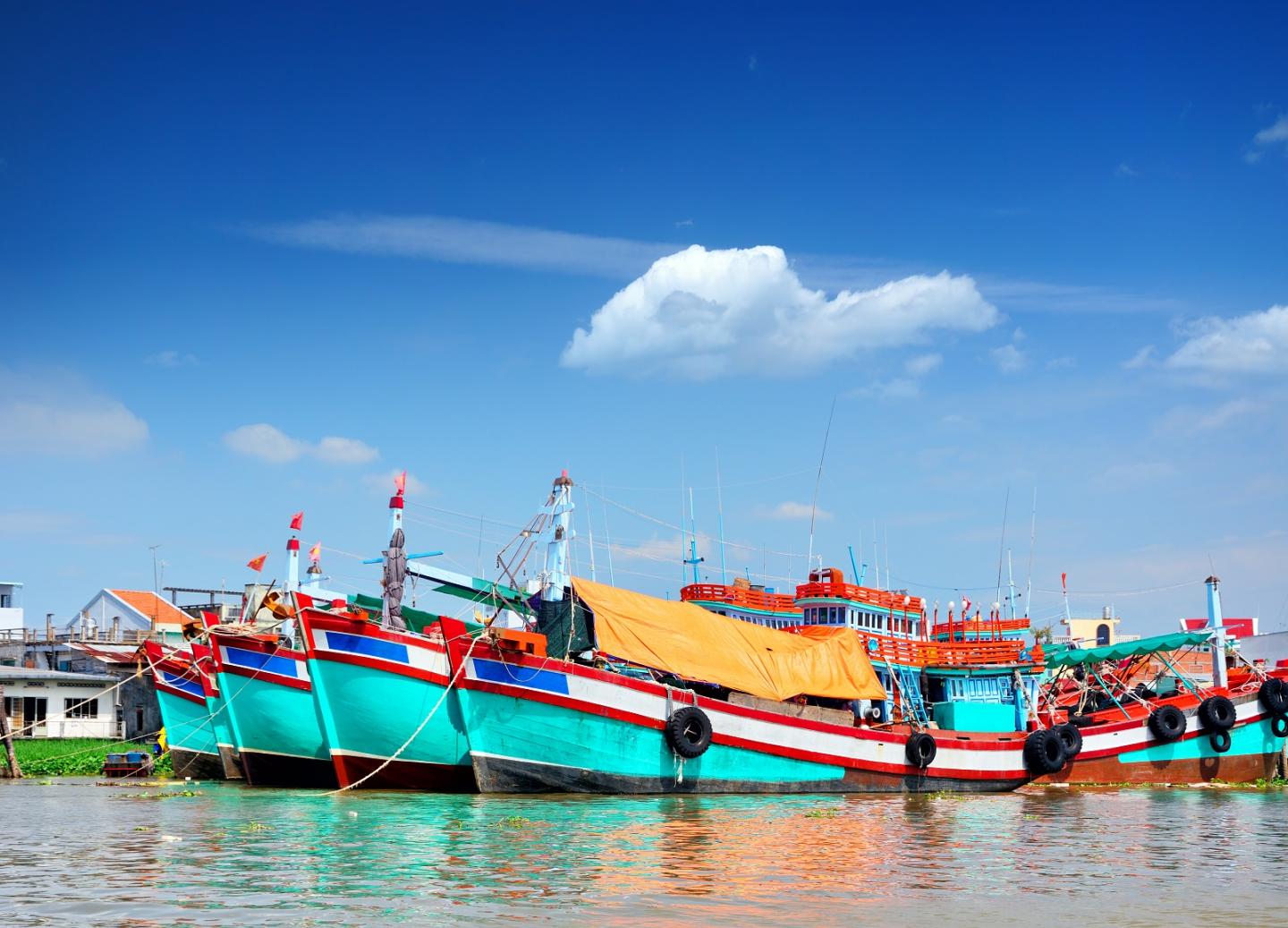
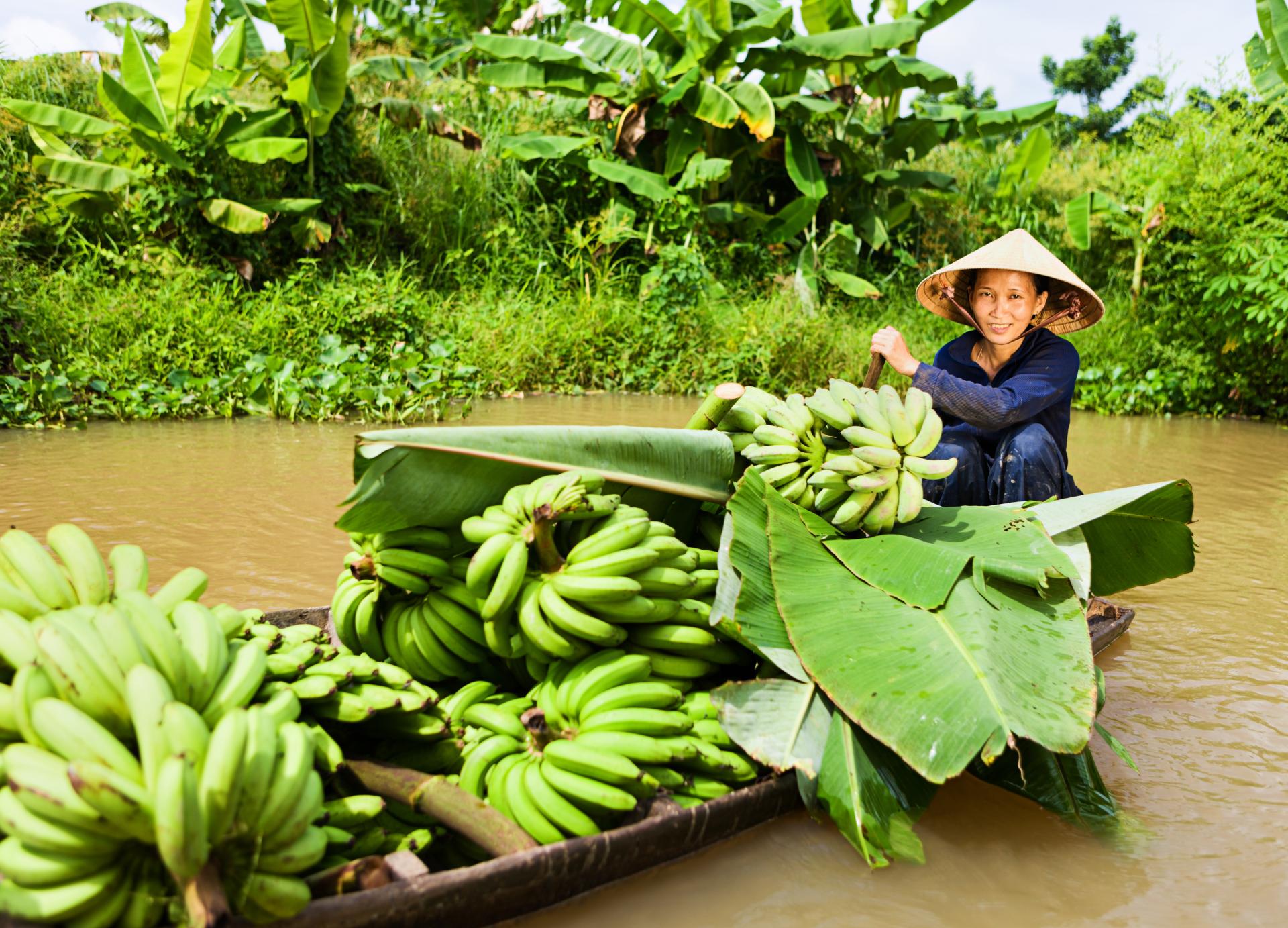
About 70 kilometres southwest of Ho Chi Minh City, the Mekong River fans into the network of channels, islands, and floodplains that produce roughly half of Vietnam's rice and the majority of its tropical fruit. The nearest entry point for day visitors from the city is My Tho, the capital of Tien Giang province, where the main channels are wide enough to feel oceanic and the river traffic — barges, fishing boats, and the flat-bottomed boats that serve as water taxis — gives a picture of a working waterway that has changed only incrementally over a century. Sampan (small wooden boat) trips into the narrower channels reach coconut candy workshops, honey farms, and orchid nurseries that operate from stilt houses above the water. The fruit markets of the delta — piled with dragon fruit, rambutan, pomelo, and star apple varieties rarely seen at export — represent the agricultural abundance that has made this floodplain one of the most productive river deltas on earth.
Cu Chi Tunnels
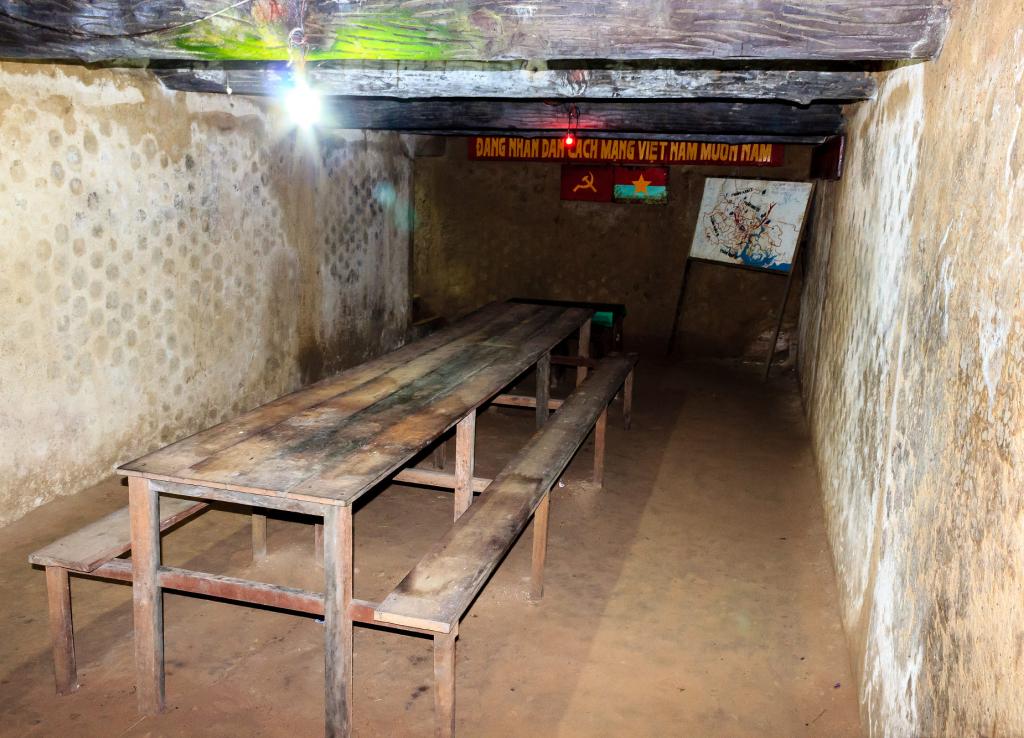
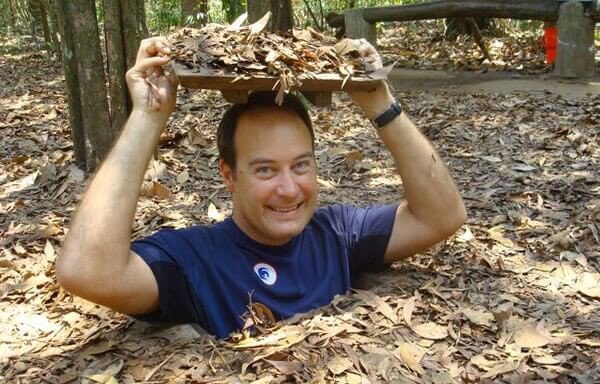
The Cu Chi tunnel network stretches over 250 kilometres beneath the Ho Chi Minh City suburbs — an engineering feat constructed by hand during the American War to shelter Viet Cong fighters and entire communities. Two main sites open to visitors: Ben Dinh (closer to the city, more heavily touristed) and Ben Duoc (further, quieter, more expansive). Visitors can descend into widened tunnel sections, examine trap mechanisms, and walk through recreated base camps. The journey from Phu My port takes around 2 hours each way — this is a full-day commitment best handled as a ship excursion.
Vung Tau: Coastal Town, War Remnants, and the Christ Statue
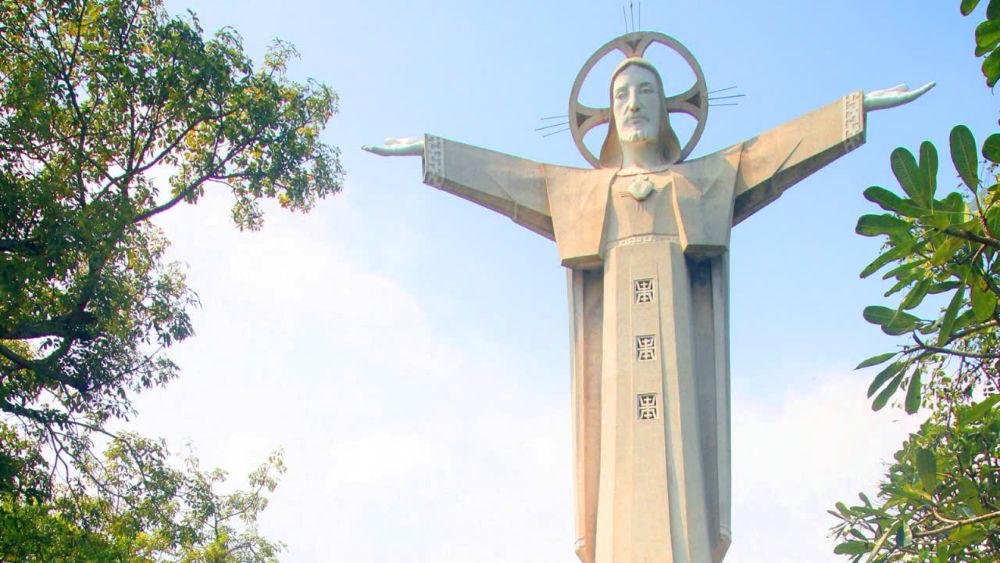
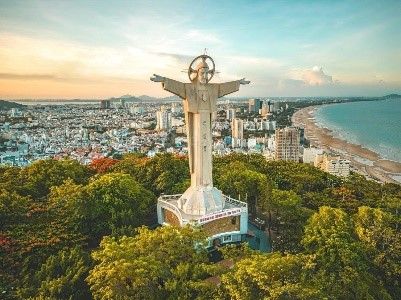
Approximately 120 kilometres southeast of the port, Vung Tau sits on a peninsula between two bays and serves as the traditional weekend escape for Ho Chi Minh City's residents — a role it played equally for French colonial Saigon, when it was known as Cap Saint-Jacques and functioned as a beach resort with a casino and villas on the hill roads. The giant Christ statue on Small Mountain (Nui Nho) — modelled on Christ the Redeemer in Rio de Janeiro and completed in 1994 after construction began in the 1970s — is visible from the sea and commands views across both bays and to the offshore oil platforms that now drive the local economy. The town's French colonial architecture — villas, a lighthouse, and the broad Front Beach promenade — sits alongside Vietnamese fishing community life in a juxtaposition that reads as genuinely unplanned rather than curated.
Long Tan and the Australian Vietnam War Experience
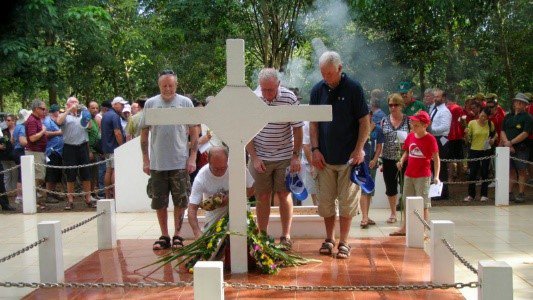
The rubber plantation town of Long Tan, about 80 kilometres southeast of Ho Chi Minh City, is the site of one of the most significant battles involving Australian forces during the Vietnam War. On 18 August 1966, Delta Company of the 6th Battalion, Royal Australian Regiment — 108 men — engaged an enemy force estimated at 2,500 in a three-hour battle during a tropical storm. The action resulted in 18 Australian deaths and an estimated 245 enemy killed; the rubber trees still show their age, and the cross memorial erected in 1969 stands in the grove where the fighting was heaviest. For Australian visitors particularly, the site carries a weight of national memory comparable to Gallipoli in the Western Front context. The surrounding Ba Ria province preserves additional evidence of the war's local geography: underground cave systems used for troop shelter, fortified villages, and the remnants of the Ho Chi Minh Trail logistics network that extended into this coastal zone.
Phu My (Ho Chi Minh City) travel tips
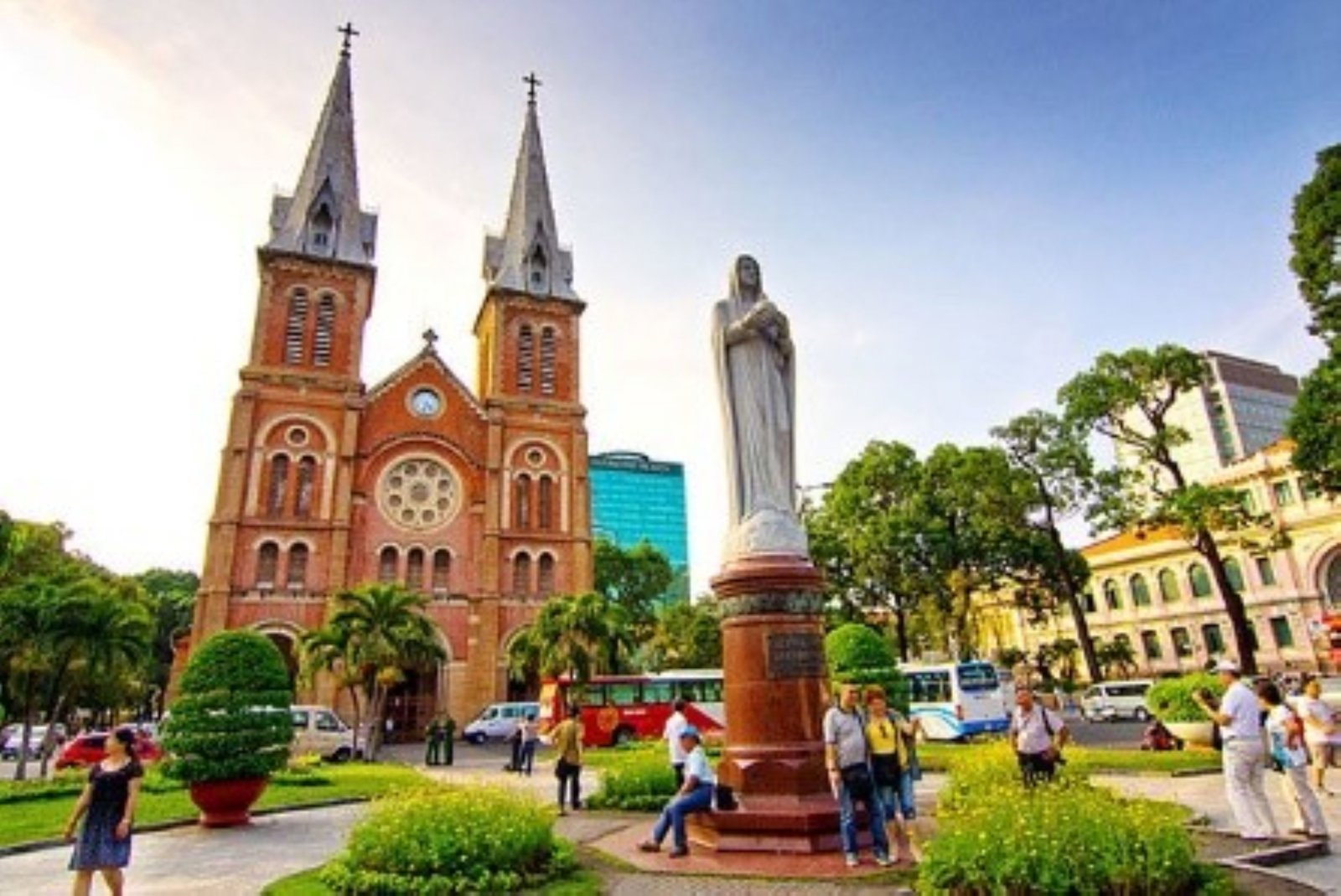
Understanding Ho Chi Minh City's Layout. Ho Chi Minh City is structured around numbered districts (quan) that radiate outward from the historic core. District 1 holds the major landmarks — Reunification Palace, Notre-Dame, Ben Thanh Market, and the riverside — and is where most visitors spend the bulk of their day. District 3 adjoins it to the northwest and contains the War Remnants Museum and many local cafes.Understanding this layout helps with time management: Districts 1 and 3 are walkable between major sights; anything beyond requires a ride. The city is large and dense — mentally budget 15-20 minutes' transit between major landmarks even when they look close on a map.
Traffic Timing Is Everything. Ho Chi Minh City's peak traffic hours (7–9am and 4:30–7pm) can turn the 80km journey into a 2.5-hour ordeal. If your ship arrives early and you can leave the port by 7am, you gain a precious hour in the city. Departing the city no later than 2pm (for a 5pm all-aboard) provides reasonable buffer. Discuss realistic departure times with your driver before you start sightseeing.
Dress for Museum Visits and the Heat. The War Remnants Museum and Reunification Palace both require covered shoulders and knees as a sign of respect, even though neither enforces it strictly. Lightweight, breathable clothing that covers these areas lets you move between air-conditioned museums and street food lanes without issue. Carry a small bottle of water — the city is genuinely hot, and dehydration compounds the emotional weight of the museum visits.
Ho Chi Minh City's Heat and Humidity Require Planning. Temperatures in Ho Chi Minh City regularly exceed 30°C with high humidity, even in the supposedly cooler dry season (November to April). Walking long distances between sites in full sun is tiring and draining in a way that isn't always obvious in the morning. Where excursions involve time outdoors — markets, historic sites, the Cu Chi tunnels — a hat, sunscreen, and a small bottle of water matter more than most visitors anticipate. Air-conditioned transport between sites makes a meaningful difference to how much energy you have by mid-afternoon.
Small Dong Notes for Markets and Street Food. ATMs in the city dispense 200,000 and 500,000 VND notes. Markets and street food stalls struggle to make change for large denominations — break notes at any 7-Eleven or Circle K convenience store (widely found in Districts 1 and 3) by buying something small. Having 10,000–50,000 VND notes available makes transactions at stalls and in markets considerably smoother.
Motorbike Crossings: Commit and Walk Steadily. Crossing major roads in Ho Chi Minh City intimidates nearly every first-time visitor. The technique: step off the kerb, make eye contact briefly with approaching motorbikes, and walk at a slow, consistent pace. The bikes flow around you when you move predictably. Hesitating, stopping, or retreating unexpectedly is what causes problems. Locals cross continuously; watching a few cycles before committing builds confidence.
Port Facts Every Cruiser Needs To Know
Phu My (Ho Chi Minh City) shore excursion FAQs
Phu My International Cruise Terminal is approximately 80 kilometres from central Ho Chi Minh City (District 1). Travel time varies significantly with traffic: 90 minutes in clear conditions, up to 2.5 hours during morning or evening peak hours. Most visitors should budget 2 hours each way for planning purposes. The road is well-maintained motorway for the majority of the route.
Yes, though it requires focused prioritisation. With 8 hours total, you realistically have 4–5 hours in the city after accounting for transfers. That is enough time for the War Remnants Museum (90 minutes), a walk through Reunification Palace (60 minutes), lunch and Ben Thanh Market area (90 minutes). The Cu Chi Tunnels are not practical on a short port call unless your ship organises a dedicated excursion with timed transport.
It is theoretically possible but not advisable independently. The Cu Chi Tunnels are 70km from the city centre — themselves a 90-minute drive from the tunnels site back to Phu My port. Doing both independently risks severe time pressure. Ship-organised excursions that cover only one destination and plan every transfer are the safest approach. If you want Cu Chi, commit to it fully and skip the city; if you want the city's museums and markets, stay there.
Vietnamese Dong (VND) is the local currency and preferred everywhere outside tourist-facing businesses. ATMs are plentiful in Districts 1 and 3 (look for Vietcombank, BIDV, Techcombank machines — reliable and low-fee). USD is accepted at many restaurants and attractions near tourist zones, but change is usually given in Dong at unfavourable rates. Carry VND for markets, street food, and local transport.
Yes, for standard tourist activity in daylight hours. The central districts — 1, 3, and Binh Thanh — are well-trafficked and generally safe. Bag-snatching from motorbikes occurs occasionally; carry bags on the building-side of the pavement and avoid displaying cameras or phones at kerbside. Keep a copy of your passport and ship details. The city is not uniquely dangerous by Southeast Asian standards — common-sense precautions suffice.
The War Remnants Museum opens daily from 7:30am and closes at 6pm, with a lunch closure from 12:00pm to 1:30pm. Admission is approximately 40,000 VND (around USD 1.50). Photography is permitted throughout. The museum is busiest between 9am and noon; arriving early reduces congestion significantly. Audio guides are available in English and add meaningful context to the photographic exhibitions.
Bánh mì (Vietnamese baguette sandwiches), pho (beef noodle broth), bun bo hue (spicier beef noodle soup), and com tam (broken rice with grilled pork) are all widely available and safe when served hot at busy stalls with high turnover. Choose spots with visible queues of locals — this indicates both freshness and quality. Avoid raw vegetables and ice at low-footfall establishments. The area around Ben Thanh Market and Pham Ngu Lao Street offers concentrated options with English menus.
For Phu My specifically, the distance makes ship excursions a rational choice for first-time visitors: timing is guaranteed, the logistics of the long transfer are handled, and you won't miss the ship. Independent travellers who have visited before and want flexibility can pre-book a private car with a reputable driver (ask your cruise line or use established agencies) for a fixed fee that typically runs USD 60–100 for the day. Independent Grab or taxi from the terminal is possible but not recommended — negotiate a price firmly beforehand.
The city's traffic — predominantly motorbikes moving in dense, flowing streams — operates differently from Western road systems. Traffic lights exist at major intersections but compliance is loose. The effective technique for crossing mid-block: wait for a gap that is manageable, step out, and walk at a slow, constant pace. Motorbike riders anticipate pedestrians who move predictably; stopping abruptly or rushing is what creates conflicts. Watch locals cross for a minute before attempting it yourself.
The Reunification Palace and War Remnants Museum request respectful dress (covered shoulders and knees) though enforcement is inconsistent. Buddhist pagodas and temples — if you visit Jade Emperor Pagoda in District 4, for example — do require covered shoulders and legs; scarves or light layers satisfy this easily. In the market and street food areas, no dress codes apply. In the heat, lightweight trousers and a short-sleeved shirt with a scarf in your bag is the practical solution.
Filters
Select a filter to refine results.
Tour Type
Tour Activity
 Cart
Cart
 USD
USD GBP
GBP AUD
AUD EUR
EUR CAD
CAD