



Tours in Bonaire (Kralendijk)


Cruising to Bonaire (Kralendijk) in a group?
Skip the crowded ship excursion bus. One dedicated planner will design a private shore experience around exactly what your group wants — coordinated from first enquiry to the moment you're back on board. More memorable, more flexible, and more affordable than you might expect. Spend less time organising, more time enjoying.
Explore Group Travel →Cruising to Bonaire (Kralendijk)
Bonaire operates by a different set of Caribbean rules. While other islands compete on beaches, nightlife, or duty-free shopping, Bonaire has staked its identity almost entirely on what lies beneath the surface of its surrounding waters — and the result is one of the most ecologically intact and visitor-rewarding marine environments in the entire Caribbean basin. The Bonaire National Marine Park, established in 1979, encompasses the entire island's coastline from the high-water mark down to 200 feet, protecting reefs that have been carefully stewarded for decades while other Caribbean ecosystems declined. For divers and snorkelers, this is not merely a destination. It is a pilgrimage.
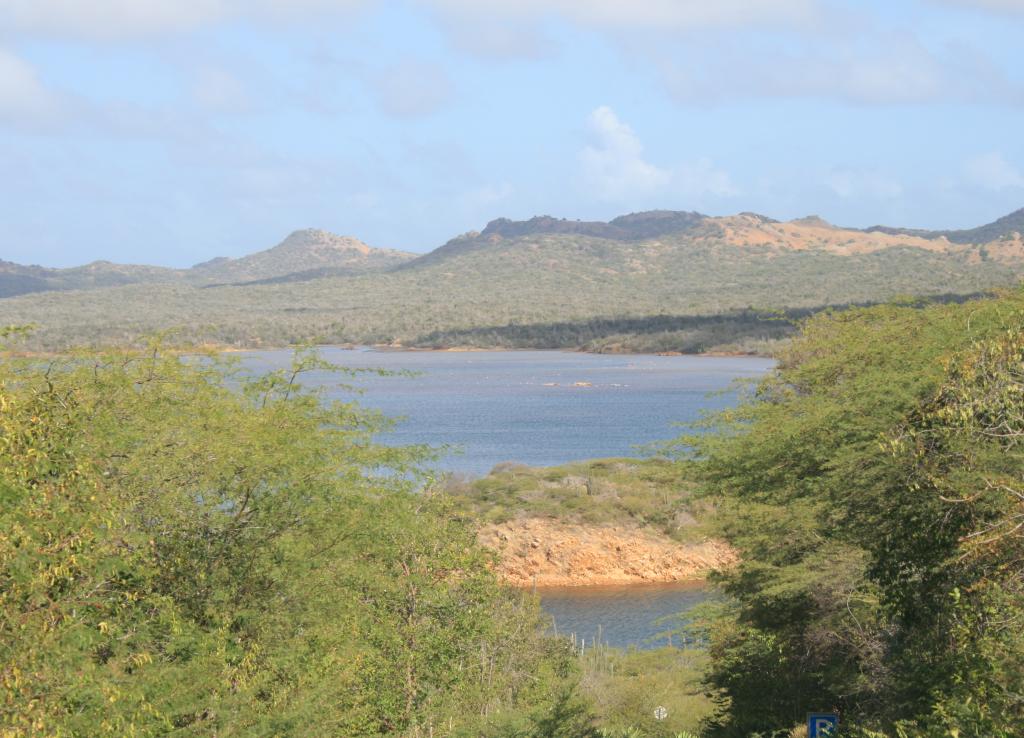
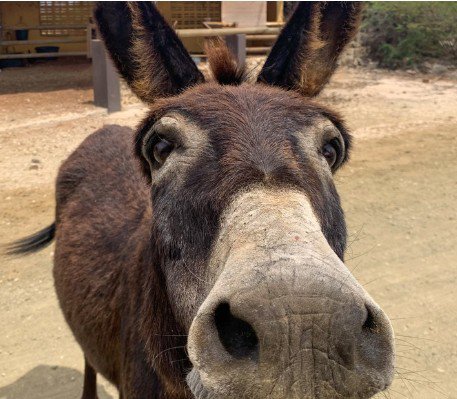
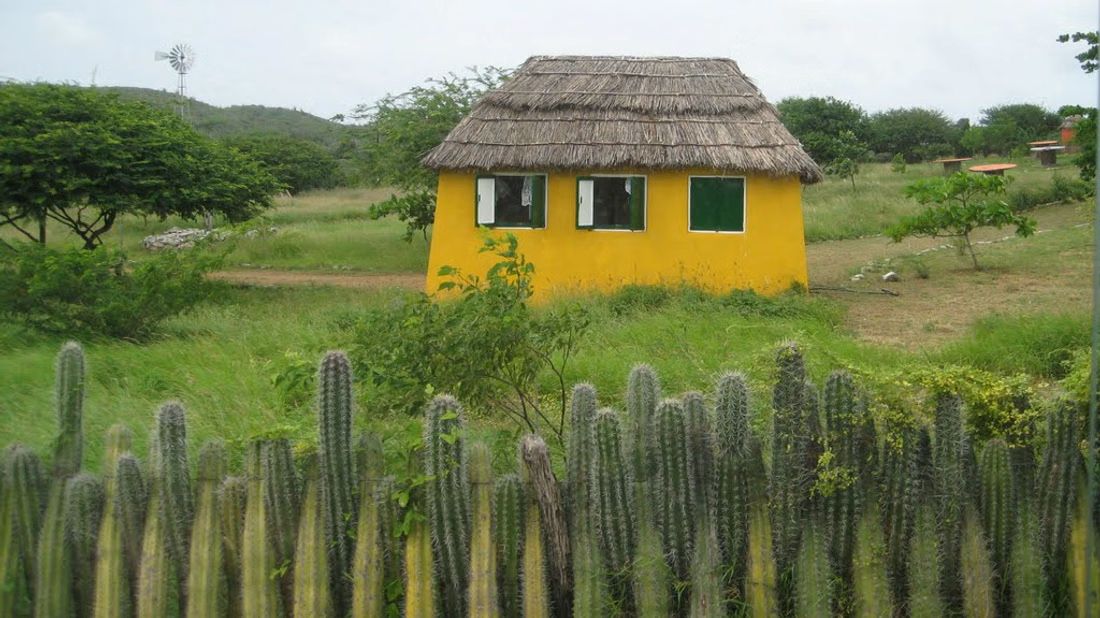
Above the waterline, Bonaire presents a pleasingly different character from the lush tropical islands most Caribbean itineraries feature. The landscape is arid and flat — cactus, divi-divi trees, and wild donkeys define the interior — with a stark, almost meditative beauty that contrasts sharply with the vivid life underwater. The southern end of the island harbors extraordinary pink salt pans worked by a modern salt company, their crystalline shores a feeding ground for hundreds of Caribbean flamingos. In the north, Washington Slagbaai National Park preserves wild terrain and seabird colonies. Lac Bay on the east coast is a world-class kitesurfing destination, its steady trade winds and shallow lagoon drawing riders from across Europe and beyond.
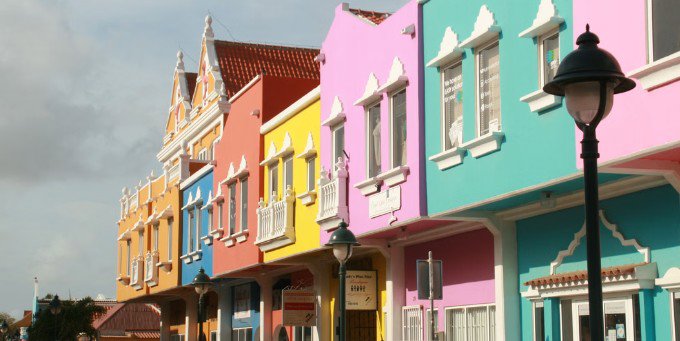
Kralendijk, the island's small, orderly capital, reflects Bonaire's Dutch heritage in its pastel-painted architecture, clean streets, and well-maintained waterfront promenade. It is a town that takes pride in itself without pretension, with good restaurants, independent dive shops lining every street, and a genuinely welcoming local culture. For cruise travelers with 6 to 10 hours ashore, Bonaire rewards purposeful planning — those who come knowing what they want (to dive, to snorkel, to cycle, to see flamingos) leave deeply satisfied. Those who simply wander will still find a remarkably pleasant, authentic Caribbean island quite unlike anything else on a typical itinerary.
Top things to do in Bonaire (Kralendijk) on a cruise stopover
Shore Diving the Bonaire Marine Park
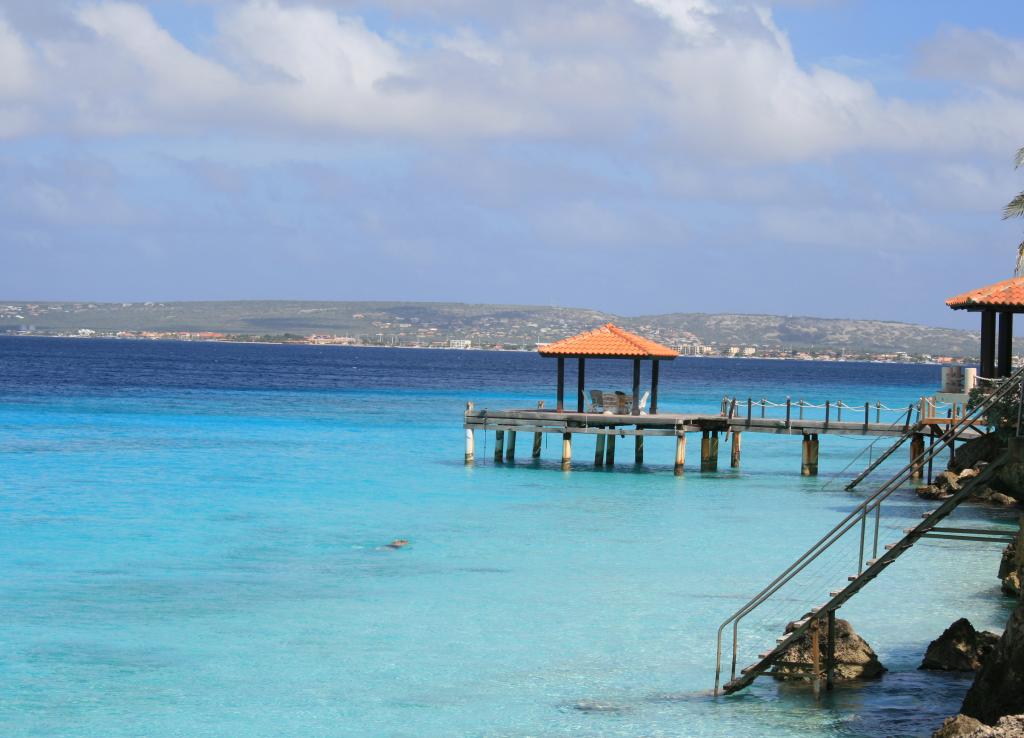
What sets Bonaire apart from every other Caribbean dive destination is not the quality of the reef — though that is exceptional — but the direct, unmediated access to it. Numbered yellow stones mark more than 80 designated dive sites around the island's perimeter, most accessible by simply wading in from shore with a tank on your back. No boat, no schedule, no waiting — just the reef, beginning at depths of 10 to 20 feet and dropping away in spectacular coral walls. Dive shops in Kralendijk rent tanks, equipment, and vehicles; the standard system is a fill and go, giving independent divers complete freedom to choose their sites and their own pace. For certified divers, a Bonaire port day is among the most efficient and rewarding dive experiences available anywhere in the Caribbean.
Snorkeling Reefs of Extraordinary Clarity
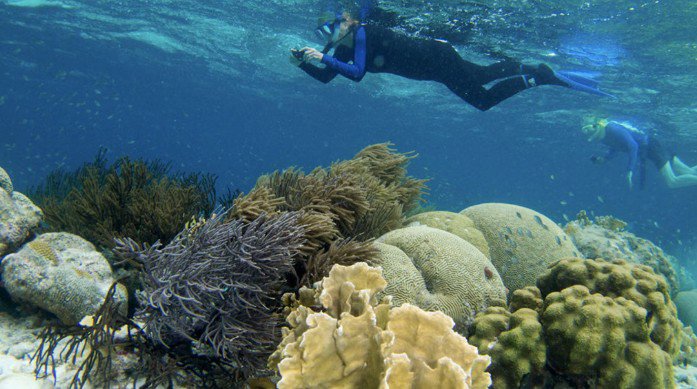
Non-divers need not feel left out in Bonaire — the snorkeling ranks among the Caribbean's finest, with healthy shallow coral gardens supporting dense populations of reef fish, sea turtles, and the occasional eagle ray. Klein Bonaire, a small uninhabited island a short boat ride from Kralendijk, offers particularly pristine snorkeling in a protected environment. Shore snorkeling at sites like 1000 Steps and Town Pier (with advance arrangements) provides remarkable access to healthy reef systems. Water clarity in Bonaire is genuinely exceptional — 100-foot visibility is common — making even shallow-water observations unusually vivid and rewarding.
Flamingo Viewing at the Salt Pans
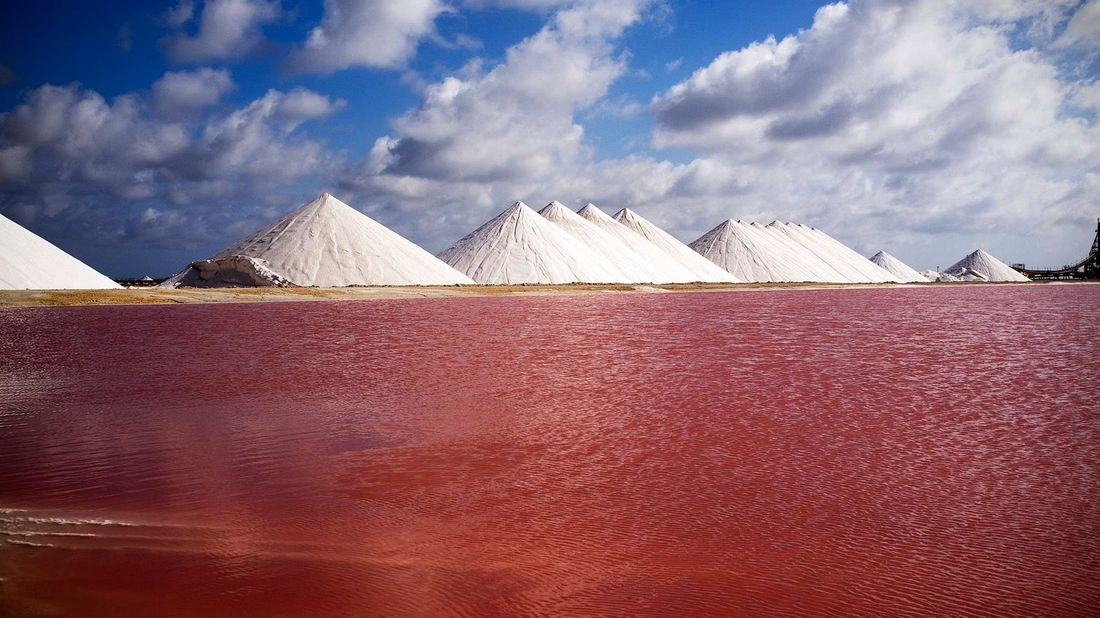
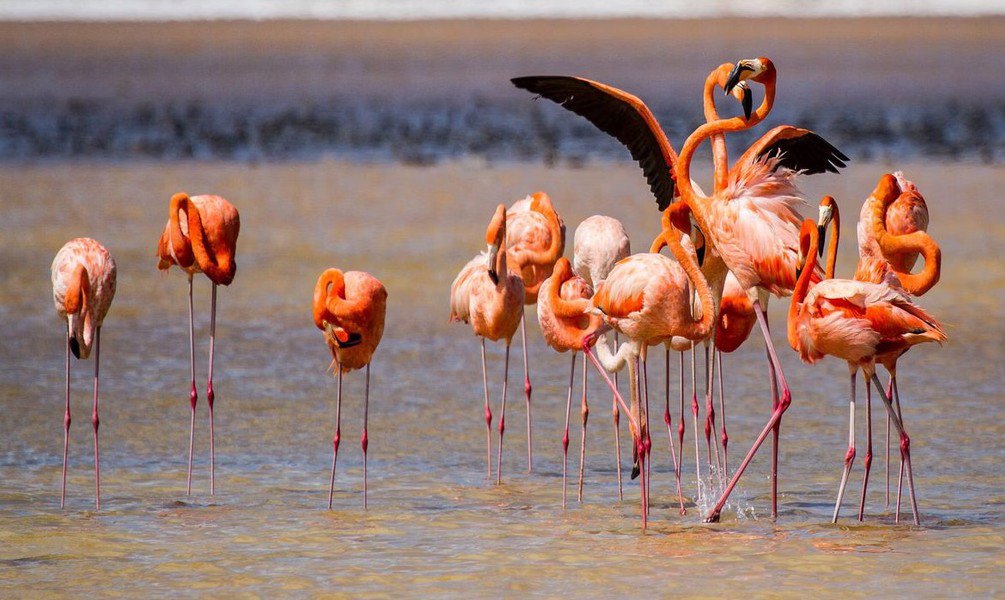
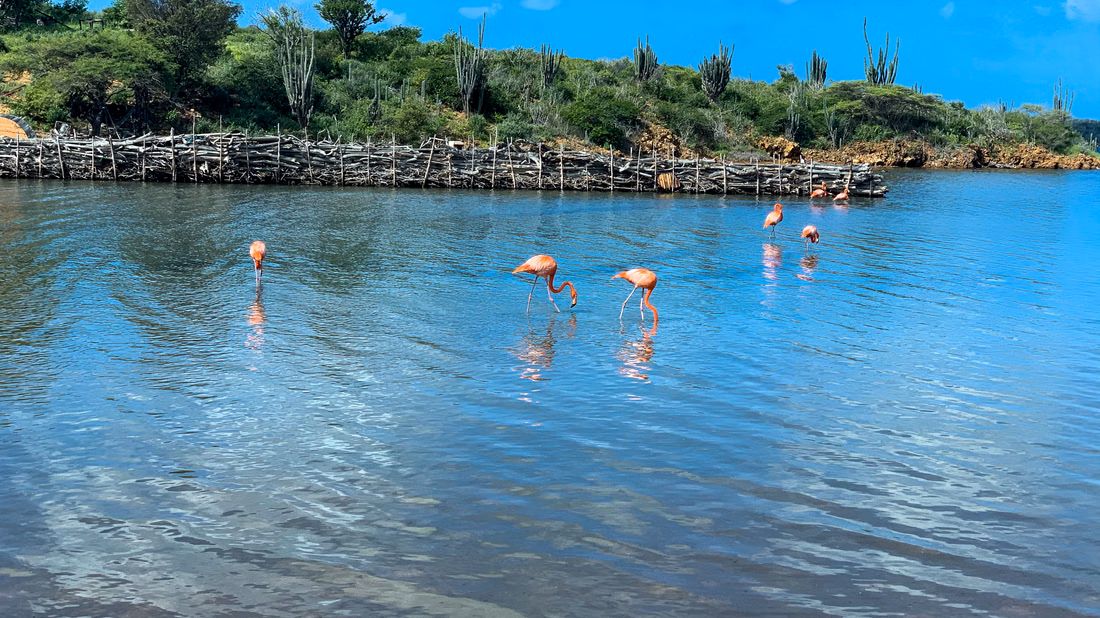
Bonaire's southern landscape is dominated by vast, gleaming salt pans — still actively worked by Cargill — that take on surreal shades of pink, white, and terracotta depending on the light and the season. The salt-tolerant brine shrimp that thrive in these hyper-saline waters are the foundation of a remarkable food chain that supports one of the Caribbean's largest flamingo populations. Hundreds of the improbably pink birds wade through the shallows, especially concentrated around Pekelmeer lagoon near the island's southern tip. The sight of flamingos against the backdrop of white salt mountains and the blue Caribbean sky is one of the Caribbean's most photographed and genuinely surprising wildlife encounters.
Kitesurfing and Windsurfing at Lac Bay
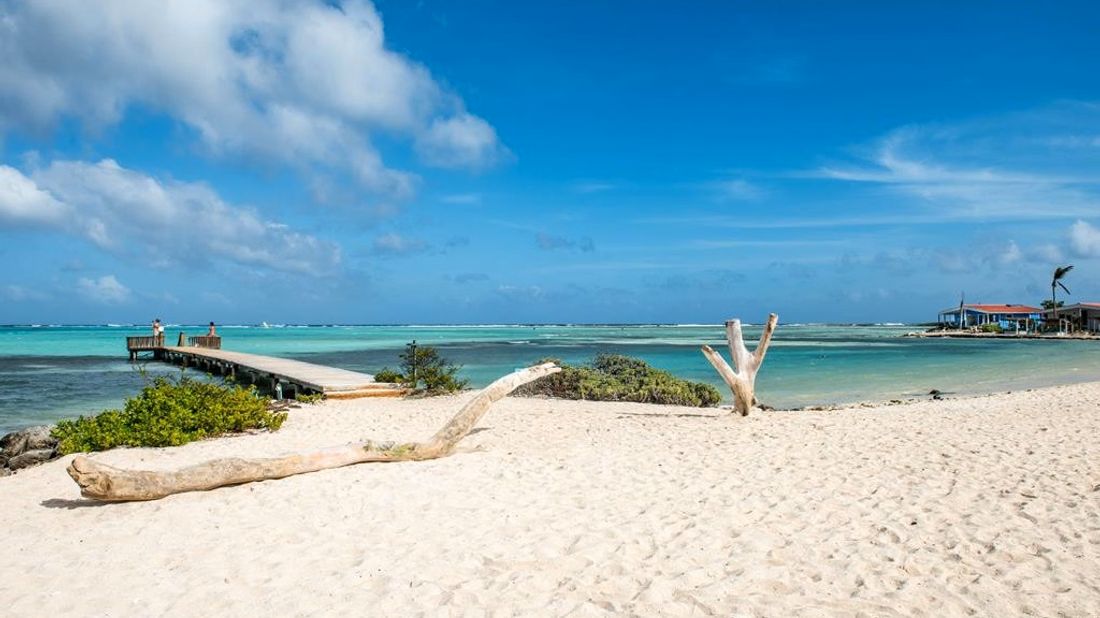
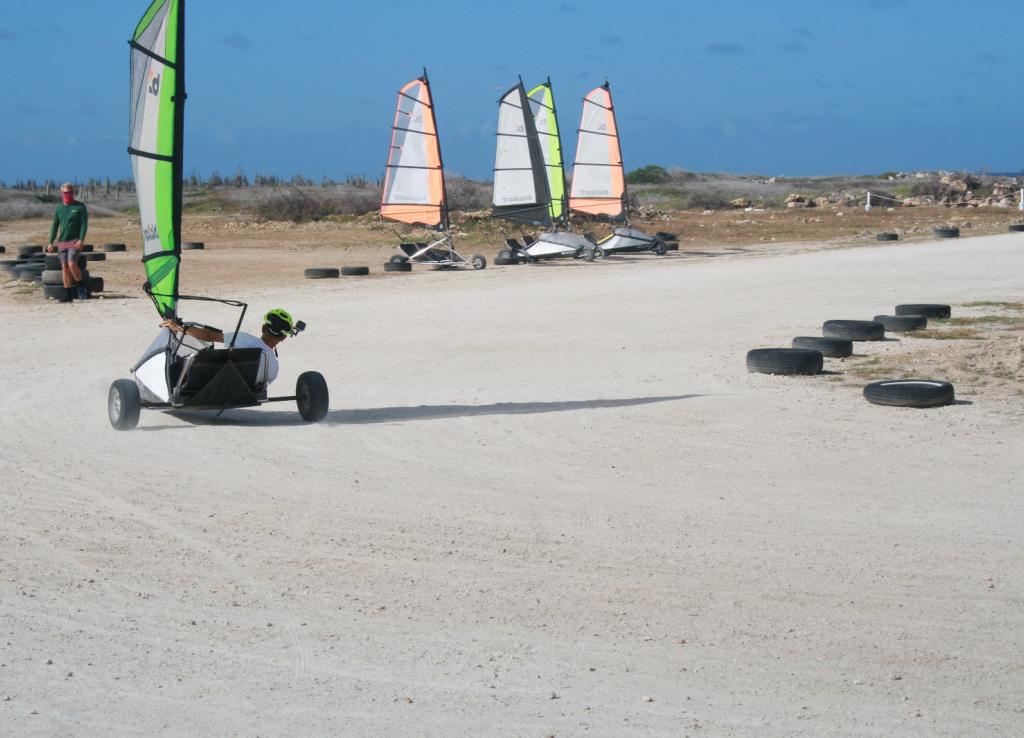
On Bonaire's eastern coast, the large protected lagoon of Lac Bay is internationally famous in the kitesurfing world. The combination of constant trade winds, shallow warm water, and a forgiving flat-water surface has made it one of the premier kitesurfing destinations on earth — ranked repeatedly in the sport's top five worldwide venues. Observers are as welcome as participants; the spectacle of dozens of colorful kites hovering above the bay while riders carve through the water is thrilling to watch. Beginner kitesurfing lessons are available for those interested in trying the sport, and windsurfing, kayaking, and stand-up paddleboarding round out the Lac Bay activity menu.
Kralendijk Waterfront and Dutch Colonial Architecture
Bonaire's small capital is a genuinely pleasant place to spend an hour or two ashore. The Bredestraat and the waterfront promenade are lined with pastel Dutch colonial buildings housing dive shops, restaurants, art galleries, and boutiques. The harbor itself is beautiful — moored sailboats, passing dive boats, and views across to Klein Bonaire. Fort Oranje, a small Dutch fortification dating to the 17th century, anchors the waterfront historically. The fish market near the small boat harbor sometimes offers a snapshot of the local catch. Kralendijk has none of the overcrowded, tourist-mill atmosphere that characterizes larger Caribbean cruise ports — it remains a functional, proud, small Dutch town that happens to welcome visitors.
Washington Slagbaai National Park
Covering the entire northern third of the island, Washington Slagbaai National Park preserves the most wild and rugged terrain Bonaire offers. Two interconnected driving routes (one shorter, one full-day) wind through a dramatic cactus-studded landscape of volcanic rock, dry forest, and hidden beaches. Birdwatchers come for the park's resident population of Caribbean parrots, hummingbirds, and nesting seabirds. Several snorkeling and diving entry points within the park offer some of the island's most pristine reef access, far from any development. For cruise visitors with a full day and access to a rental vehicle, the northern loop is an unforgettable contrast to the island's more visited southern sites.
Bonaire (Kralendijk) travel tips
Pre-Book Diving Equipment and Tanks. Bonaire's dive shops are well-organized and cater heavily to cruise visitors, but the most popular operators can reach capacity on busy ship days. If diving the marine park is the centerpiece of your port call, contact a reputable Kralendijk dive shop before your cruise departure to reserve tank fills, BCD, and regulator rental. Many shops offer package deals that include equipment, fills, and a vehicle for accessing shore sites — a highly efficient option for maximizing underwater time within a port day window.
Obtain Your Marine Park Tag. All divers and snorkelers accessing the Bonaire National Marine Park are required to purchase an annual nature tag. As of recent years this fee is approximately $40 USD and covers the full calendar year — so if you plan to visit Bonaire again, the tag remains valid. Tags are purchased through dive shops and some online resources. This is not optional; it is the mechanism through which the park's exceptional conservation work is funded. Dive shop staff will facilitate this as part of equipment rental or dive package checkout.
Rent a Vehicle for Southern and Northern Exploration. While Kralendijk itself is walkable and cyclable, the island's best wildlife and landscape attractions lie well outside town. The flamingo salt pans are 12 miles south; Washington Slagbaai National Park is 30 minutes north. A rental car or scooter (available from operators near the pier) dramatically expands what is achievable in a port day. Bonaire drives on the right side of the road and roads are generally well-maintained and easy to navigate. The island is small enough that getting lost is nearly impossible.
Bring Your Certification Card for Diving. Dive shops in Bonaire will require valid dive certification documentation before renting equipment or directing you to sites. The open, self-guided nature of Bonaire diving means there is no guide standing next to you underwater — operators take certification verification seriously as a result. Digital certification cards are generally accepted. Non-certified visitors can arrange a Discover Scuba experience or a guided intro dive through local operators, both of which provide a genuine taste of the reef without requiring prior training.
Protect the Reef: Zero Tolerance for Touching or Standing. The health of Bonaire's reef is the island's greatest asset — and a collective responsibility that local culture takes seriously. Never touch, stand on, or handle coral. Even a single contact can kill decades of growth. Divers should ensure neutral buoyancy before entering shallow reef areas. Fins that kick up sediment near the reef can smother coral; horizontal body positioning is essential. Many dive operators and waterfront signs reinforce these norms; incoming visitors who demonstrate awareness and care are universally welcomed.
Time Your Flamingo Visit for Morning Light. The flamingo population at the southern salt pans is most active and visible in the cooler morning hours, when the birds feed actively in the shallows. Midday light is harsh and birds tend to cluster more tightly, sometimes seeking shade near the salt mountains. If your ship arrives early and your schedule allows, prioritizing a southern drive in the first hours ashore will yield the best flamingo viewing conditions. A telephoto lens or good zoom on a camera phone makes a significant difference given the viewing distances involved.
Port Facts Every Cruiser Needs To Know
Bonaire (Kralendijk) shore excursion FAQs
Cruise ships dock directly at the Kralendijk cruise pier — no tendering is required. The pier is conveniently located adjacent to the town center, placing you within easy walking distance of dive shops, restaurants, the waterfront promenade, and the main commercial streets. Disembarkation is typically smooth and efficient, with taxis, rental operators, and tour representatives meeting arriving passengers at the pier.
Yes — Bonaire's diving reputation is not marketing hyperbole. The marine park designation has protected the reef since 1979, resulting in one of the healthiest and most species-diverse coral ecosystems in the Caribbean. Combined with exceptional water clarity (100-foot visibility is common), the absence of strong currents on the leeward shore, and the unique shore-access system, Bonaire delivers a diving experience that regularly tops global rankings. Experienced divers visiting for the first time are consistently impressed; many return annually.
Absolutely. Bonaire's snorkeling is among the Caribbean's finest, accessible from shore and by boat to Klein Bonaire. Beyond water activities, flamingo viewing at the southern salt pans, cycling or driving through the island's distinctive arid landscape, exploring Washington Slagbaai National Park, and enjoying Kralendijk's waterfront dining and Dutch colonial architecture all offer rewarding non-diving experiences. Kitesurfing at Lac Bay — even as a spectator — is spectacular. Non-divers are well-catered for here.
Bonaire's waters support exceptional biodiversity. Common encounters include hawksbill and green sea turtles (frequently seen at multiple sites), eagle rays, queen angelfish, parrotfish, trumpetfish, spotted and green moray eels, Caribbean reef sharks (occasional), nurse sharks, octopus, seahorses, and enormous schools of fish at aggregation sites like Town Pier. Nudibranchs and macro subjects delight underwater photographers. The site diversity — walls, coral gardens, sandy bottoms, and the unique pier environment — means no two dives are identical.
Bonaire hosts one of only four breeding populations of Caribbean flamingos in the world, with numbers typically ranging from several hundred to over a thousand birds depending on season and conditions. The primary viewing location is Pekelmeer lagoon near the island's southern tip, adjacent to the salt pans. A second more accessible spot near the Flamingo Airport (yes, the airport was literally named for them) can be viewed roadside. The birds are wild and unhabituated, so viewing distances vary — binoculars significantly enhance the experience.
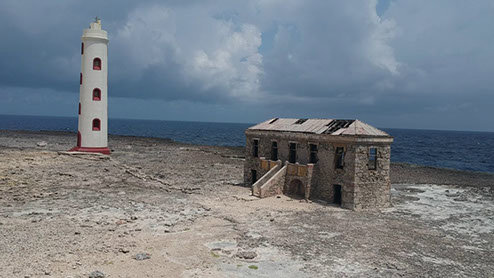
Klein Bonaire is a small, flat, uninhabited island about half a mile off the coast of Kralendijk. Designated as a protected nature reserve, it has no permanent structures, pristine beaches, and some of the most spectacular snorkeling and diving in the region. Boat transfers run regularly from the Kralendijk waterfront and take about 10 minutes each way. Multiple dive and snorkel operators include Klein Bonaire in their tour offerings. No facilities exist on the island, so bring water, food, and sunscreen. Day trips to Klein Bonaire are one of the most popular activities for cruise visitors.
Bonaire is consistently rated one of the safest islands in the Caribbean. Crime affecting tourists is rare, the Dutch administrative infrastructure is well-maintained, and the island's economy has long been built on welcoming and retaining repeat visitors. Solo exploration by bicycle, scooter, or rental car is common and without significant concern. Standard travel awareness — don't leave valuables visible in parked vehicles, secure dive equipment when unattended — applies as anywhere, but Bonaire presents minimal risk relative to most Caribbean destinations.
For certified divers visiting Bonaire for the first time, 1000 Steps (Piedra Haltu) offers an iconic introduction: a dramatic entry down a staircase cut into the cliff, followed by a spectacular wall dive beginning at about 20 feet and dropping well beyond sport diving depths. Those wanting easier entry often start at the more accessible sites near town like Bachelor's Beach or Bari Reef (in front of the Divi Flamingo resort). Dive shop staff will make personalized recommendations based on experience level, conditions, and what you most want to see.
The Bonaire National Marine Park encompasses the entire island coastline from the high-water mark to 200 feet depth and includes Klein Bonaire. Key rules: no anchoring on reef (mooring buoys are provided at all dive sites), no collecting of coral, shells, or marine life, no spearfishing, no touching or standing on coral, and no feeding of fish. All divers and snorkelers must purchase a nature tag (approximately $40 USD). Enforcement exists and fines apply. The rules are not bureaucratic formalities — they are the reason the reef is as healthy as it is.
Yes — Kralendijk's dining scene is genuinely good for a small island capital. The waterfront Kaya Grandi and surrounding streets have a solid concentration of restaurants ranging from casual lunch spots to more refined evening-style dining. Zeezicht (Sea View) is a local institution serving fresh fish and traditional Bonairean dishes. It's Raining Fishes is popular for lunch. Several beachside spots near the waterfront do good sandwiches and seafood. For a true local experience, ask at the pier for the current favorite among island residents — the answer changes but is always reliable.
Filters
Select a filter to refine results.
Tour Type
Tour Activity
 Cart
Cart
 USD
USD GBP
GBP AUD
AUD EUR
EUR CAD
CAD