



Tours in Roatan




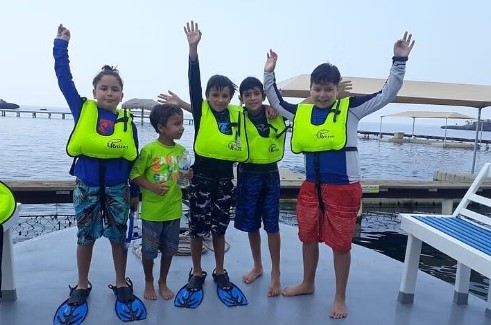





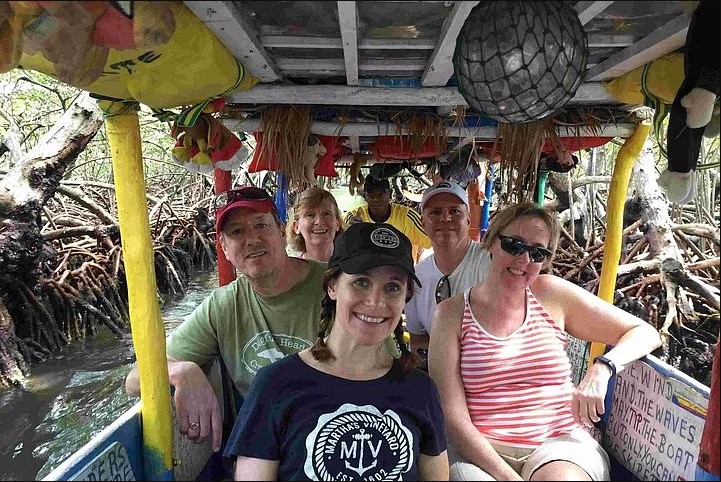
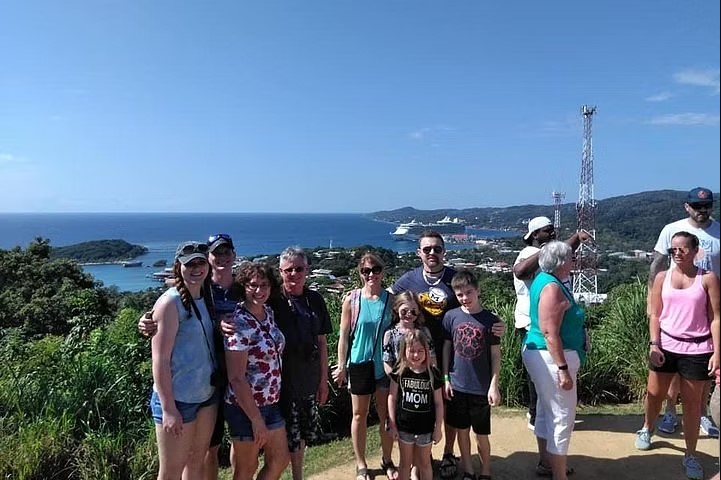
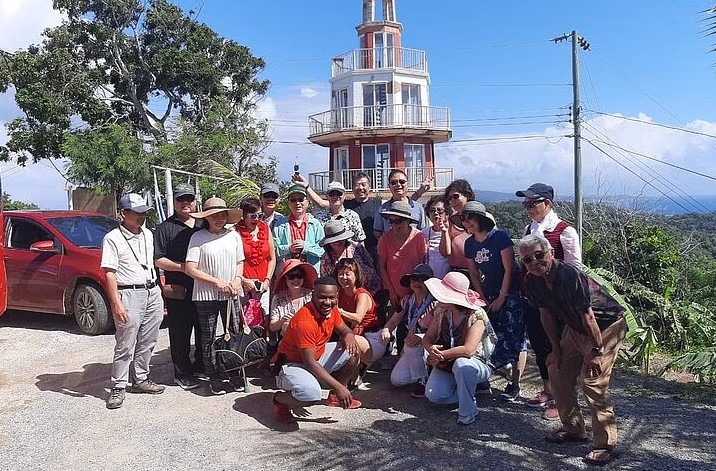
Cruising to Roatan in a group?
Skip the crowded ship excursion bus. One dedicated planner will design a private shore experience around exactly what your group wants — coordinated from first enquiry to the moment you're back on board. More memorable, more flexible, and more affordable than you might expect. Spend less time organising, more time enjoying.
Explore Group Travel →Cruising to Roatan
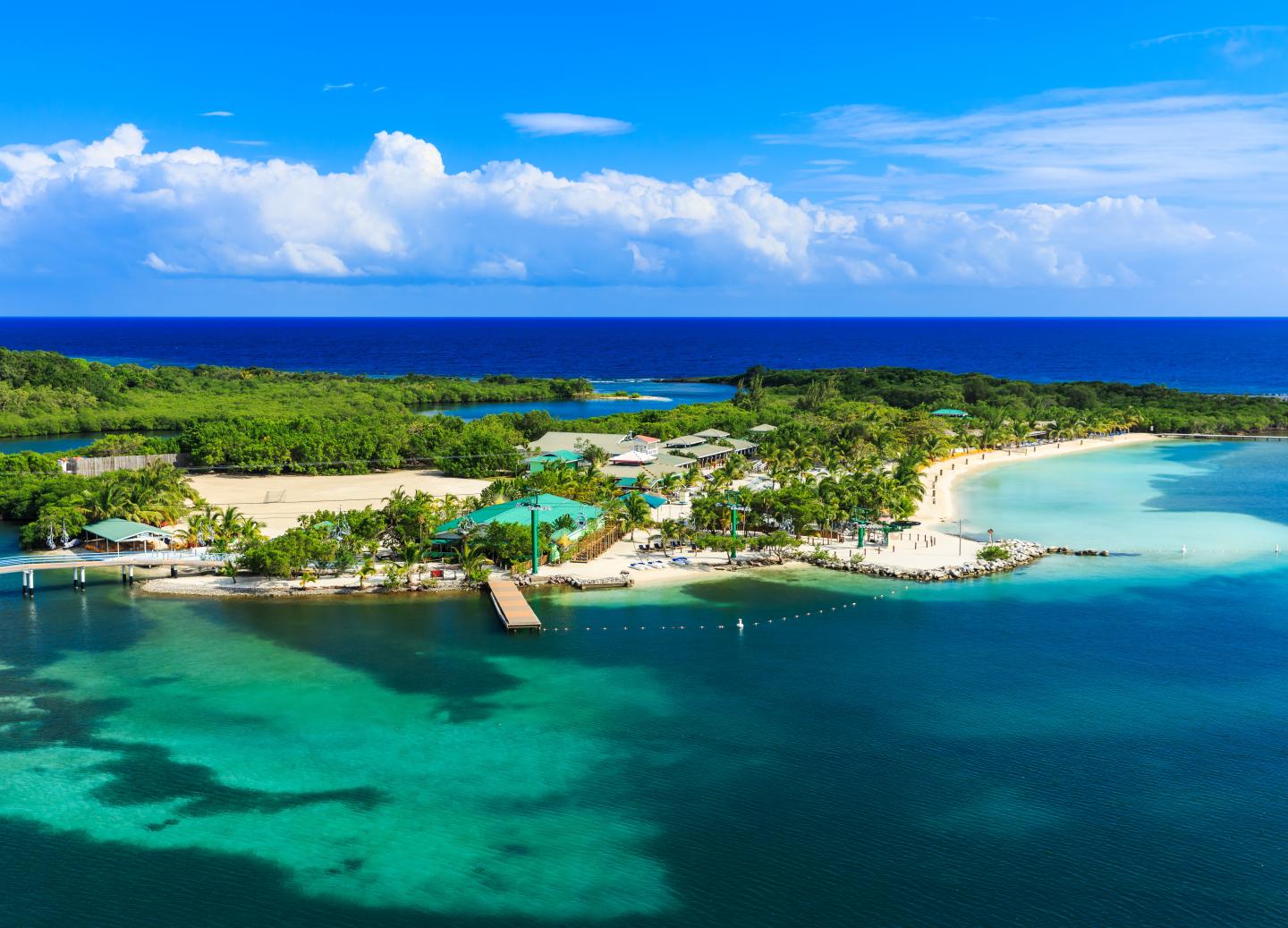
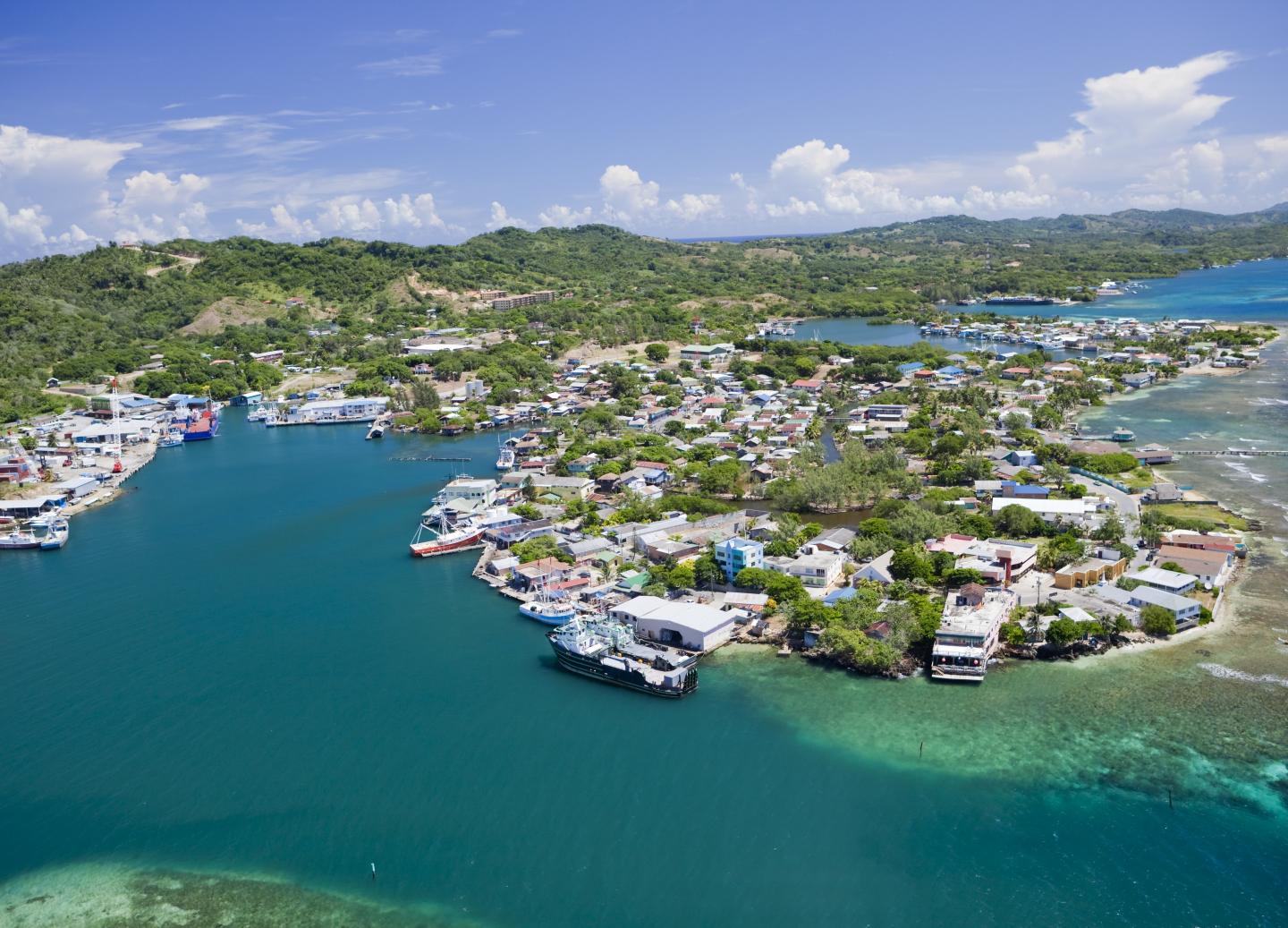
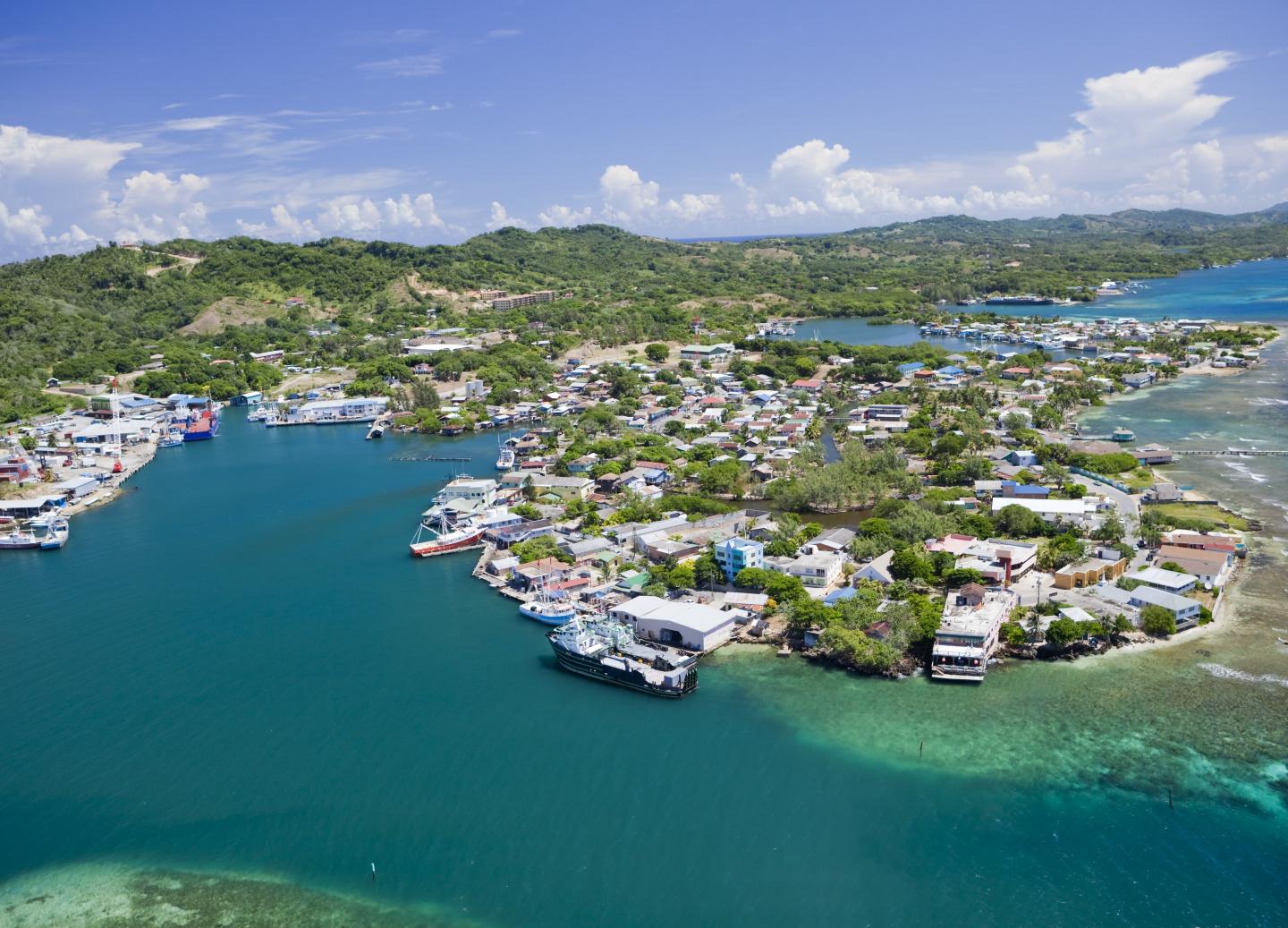
Roatan floats in the Western Caribbean Sea like a misplaced fragment of the Maldives — 77 kilometers of rugged, jungle-covered island ringed by the Mesoamerican Barrier Reef, the second-largest coral reef system on Earth. The island belongs to Honduras's Bay Islands chain, but in character, language, and atmosphere it feels far closer to the Caribbean than to Central America. English has been spoken here for generations in a lilting Bay Islands dialect, and the culture carries the easy, unrushed warmth of island life at its most genuine.
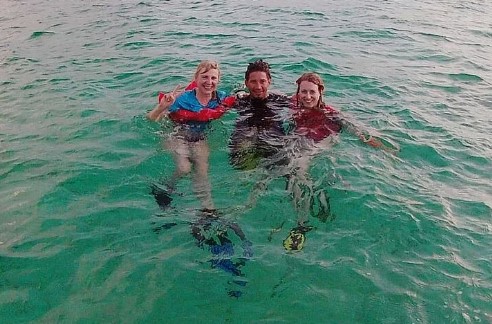
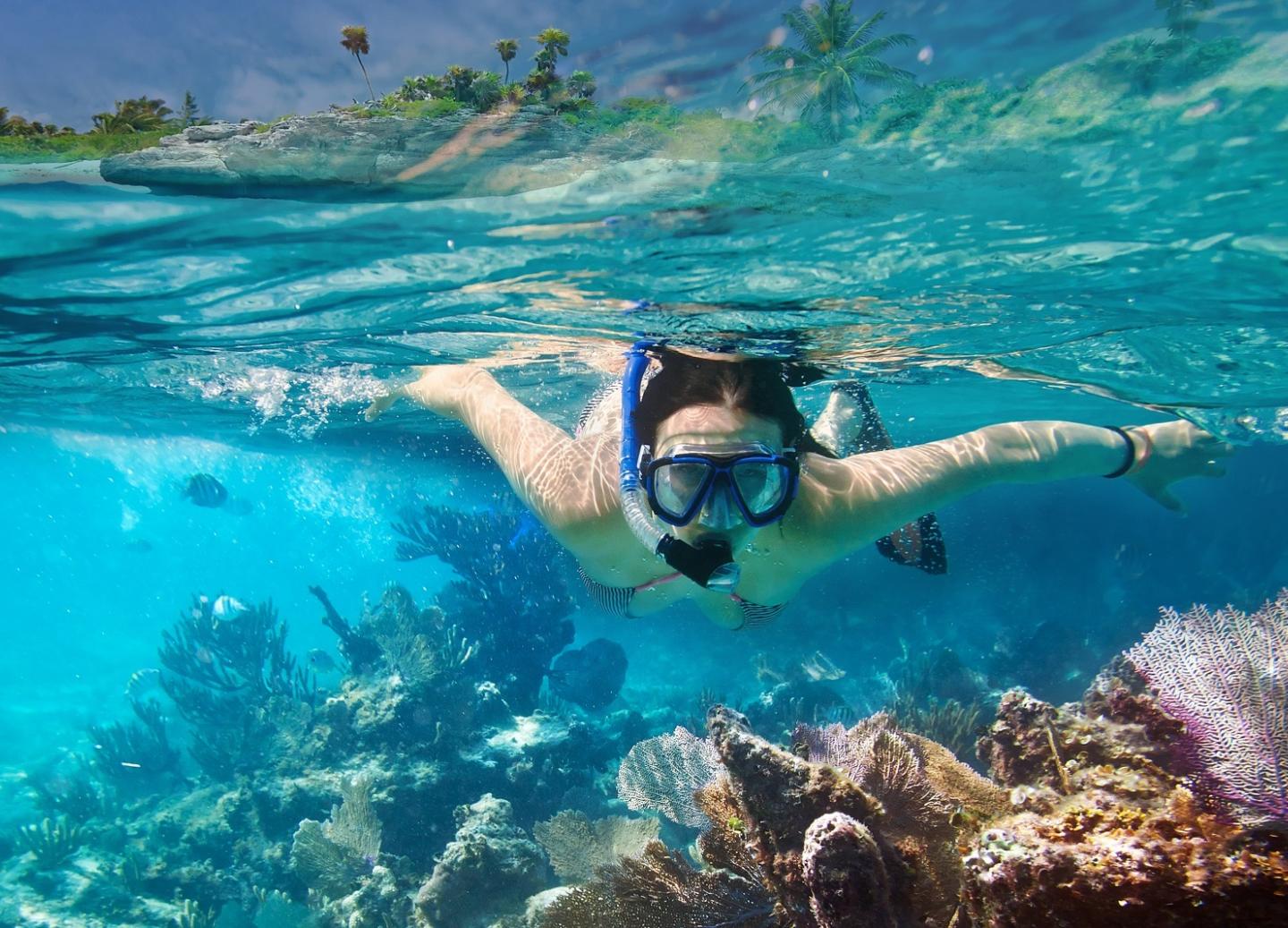
For cruise travelers, Roatan offers something rare: a port of call where the primary attraction is the water itself. The reef begins just meters from the shoreline in places, putting extraordinary coral gardens and marine life within snorkeling distance of the beach without a boat ride or special equipment. West Bay Beach, consistently ranked among the Caribbean's finest, combines powdery white sand and gently swaying palms with a house reef so abundant that sea turtles, reef sharks, and clouds of tropical fish are routine sightings. For certified divers, the reef wall diving here — with visibility regularly exceeding 30 meters — ranks among the best accessible diving anywhere in the world.
Beyond the water, Roatan is a place of surprising depth. Jungle trails wind through the island's interior past iguanas sunning on branches and troops of spider monkeys. Glass-bottom boat tours offer a window into the reef for non-swimmers. The island's villages — particularly West End, a short distance from the best beaches — are filled with seafood shacks, rum bars, and dive shops that give the place an authentic, unhurried Caribbean character that mass tourism has yet to fully homogenize. Prices remain genuinely low by Caribbean standards, making Roatan one of the most accessible and rewarding values in the entire cruise itinerary landscape.
Top things to do in Roatan on a cruise stopover
West Bay Beach — One of the Caribbean's Finest
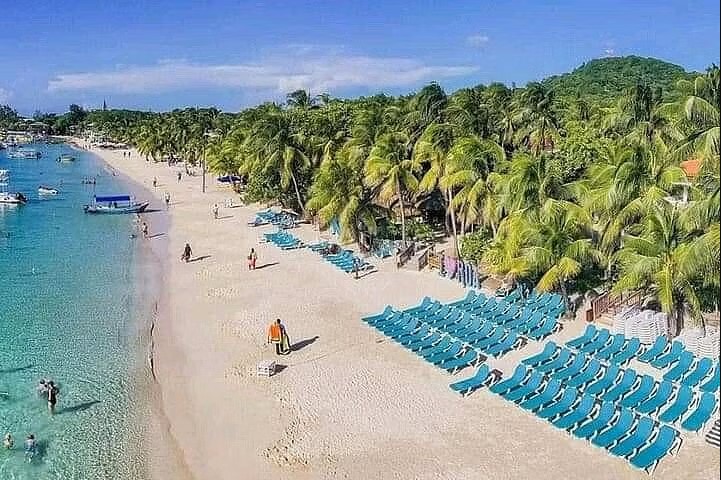
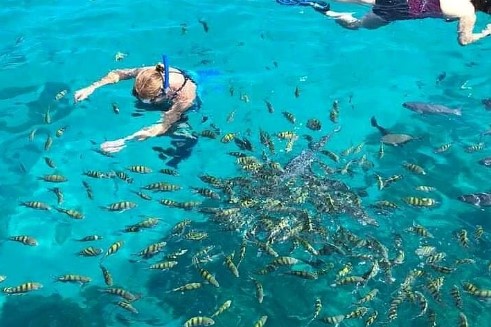
West Bay is the kind of beach that ends arguments about where to go. A long crescent of powdery white sand shaded by coconut palms, lapped by water in improbable shades of turquoise and aquamarine, it could grace any Caribbean fantasy — but what elevates it beyond scenery is what lies beneath the surface. The house reef begins within wading distance of the shoreline, and the snorkeling is immediately, almost absurdly rewarding: angelfish, parrotfish, trumpetfish, moray eels, spiny lobsters, and the occasional sea turtle move through the coral with the casual confidence of creatures who own the place. Snorkel equipment is available for rent along the beach for a few dollars. The beach itself has a handful of low-key bars and seafood restaurants serving cold drinks and fresh fish — the pace is unhurried, the atmosphere is genuinely Caribbean, and the whole experience is available for a fraction of what it would cost at a comparable beach elsewhere in the region.
Diving the Mesoamerican Barrier Reef
Roatan's diving reputation is global among those who know their reefs. The island sits along the Mesoamerican Barrier Reef — a 1,000-kilometer system second in size only to Australia's Great Barrier Reef — and the local sections offer some of the most accessible and rewarding wall diving in the Caribbean. The reef drops away dramatically in places, with walls plunging into deep blue water past barrel sponges, black coral trees, eagle rays, and reef sharks. Visibility regularly exceeds 30 meters in good conditions. Multiple dive shops operate along West End and West Bay, offering two-tank dives, discover scuba courses for beginners, and full certification programs. PADI open-water certification can be completed in a two-day course, making Roatan a popular destination for newly certified divers eager to log serious dives in world-class conditions.
West End Village — Authentic Island Life
A short taxi ride from the cruise piers, West End is the island's most characterful village — a single main road running along the water's edge, flanked by wooden Caribbean-style buildings housing dive shops, open-air restaurants, reggae bars, and small boutiques selling local crafts and hammocks. It feels like the Caribbean of twenty years ago: genuinely relaxed, genuinely affordable, and filled with the kind of mixed community — local Bay Islanders, expat divers, backpackers — that gives a place actual texture. The food is excellent value: freshly grilled fish, cold Salva Vida beer, rum cocktails made with island spirits. The walk along the main road is one of the more enjoyable ways to spend a Roatan afternoon, ducking into dive shops, chatting with locals, and eating your way from one end to the other.
Mahogany Bay — The All-Inclusive Beach Option
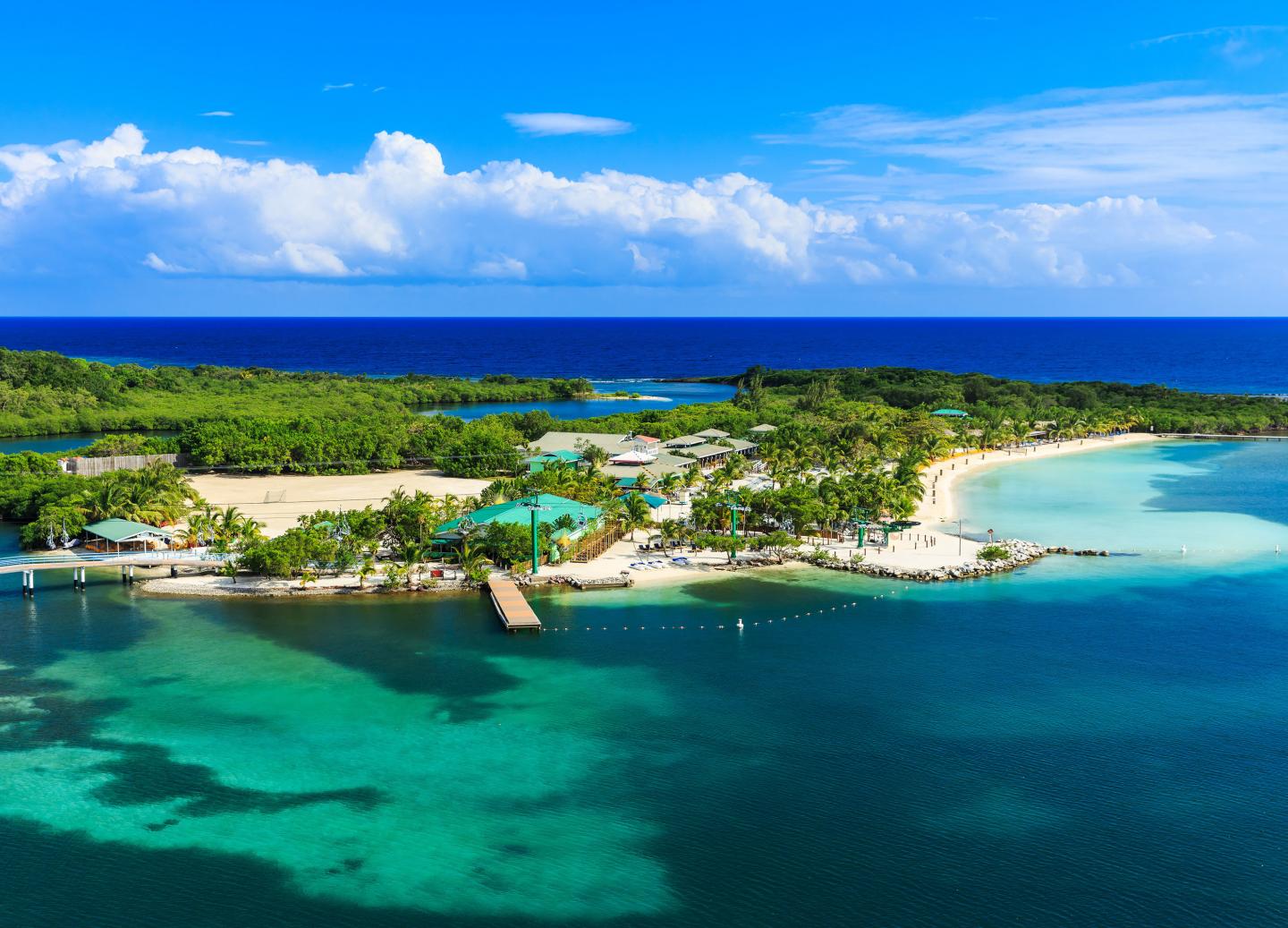
For cruise travelers who want maximum beach time with minimum logistics, Mahogany Bay offers a purpose-built but genuinely pleasant experience right at the dock. The Carnival-operated facility features a protected beach, a central plaza with shops and restaurants, a chair lift ride through the jungle canopy, and a zip line that delivers passengers directly onto the beach. It is polished and tourist-ready, lacking the authentic roughness of West End, but it delivers exactly what it promises: a good Caribbean beach, cold drinks, and a safe, comfortable environment within walking distance of the gangway. It's an especially good option for families with young children or travelers who want to stay close to the ship without sacrificing a quality beach day.
Glass-Bottom Boat Tours & Marine Wildlife
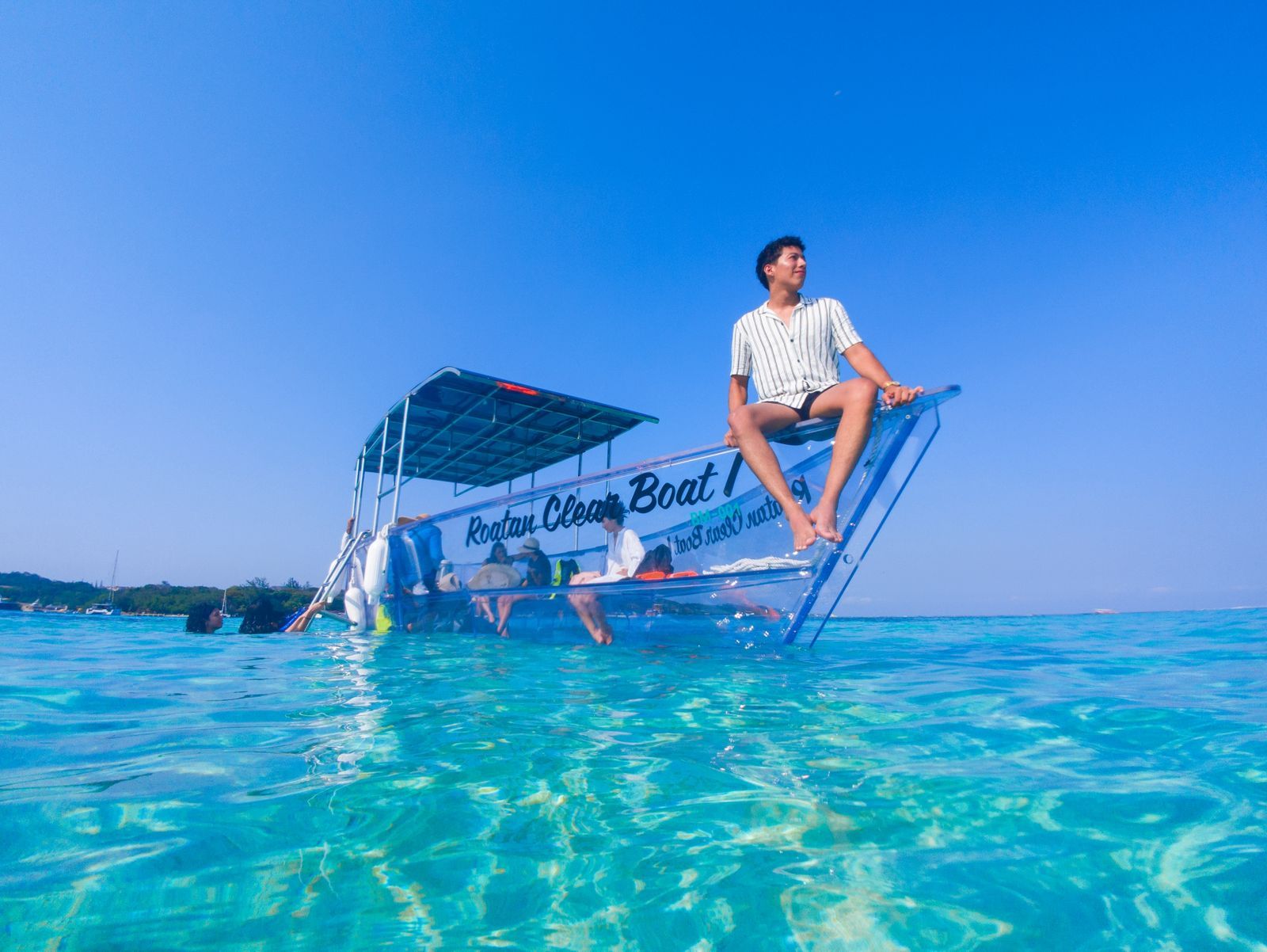
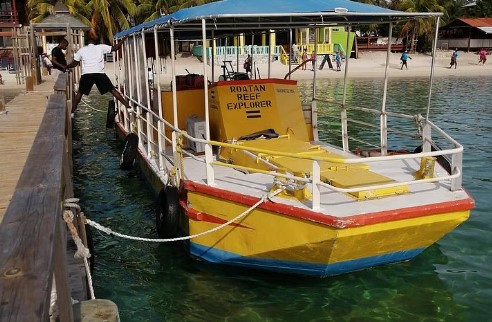
For travelers who want to experience Roatan's spectacular marine life without getting wet, glass-bottom boat tours offer a window into the reef's interior that is genuinely revelatory. Operators in West End and West Bay run regular tours over sections of healthy coral reef, and what appears below the glass hull — sea fans, brain coral, parrotfish, rays, nurse sharks, and the occasional sea turtle drifting through the frame — is vivid enough to impress even confirmed landlubbers. Many tours combine the glass-bottom view with snorkeling stops, allowing those who want to get in the water the chance to do so. The tours are inexpensive, relaxing, and among the best ways to understand why Roatan has earned its reputation as a world-class marine destination.
Jungle Canopy, Iguanas & Island Wildlife
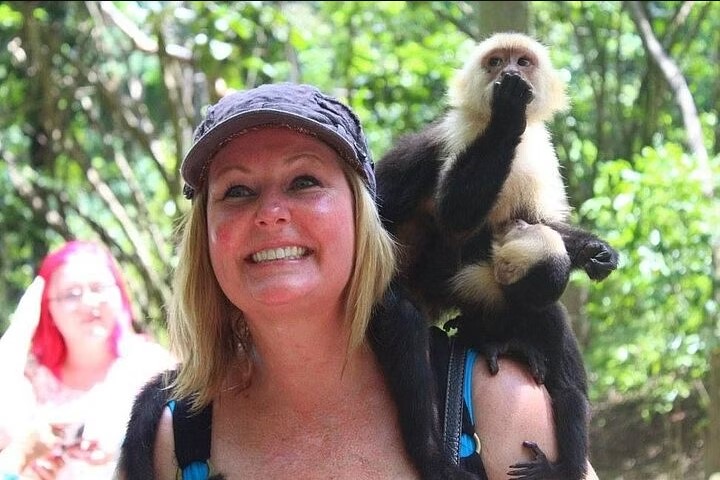
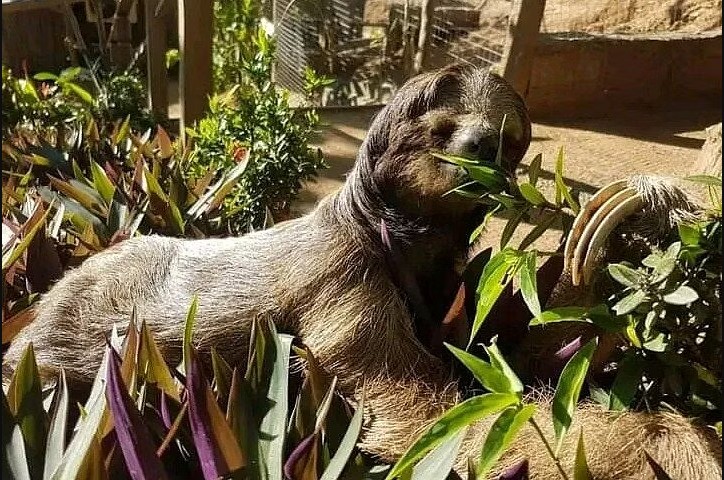
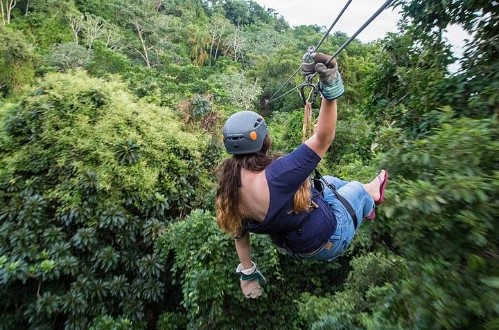
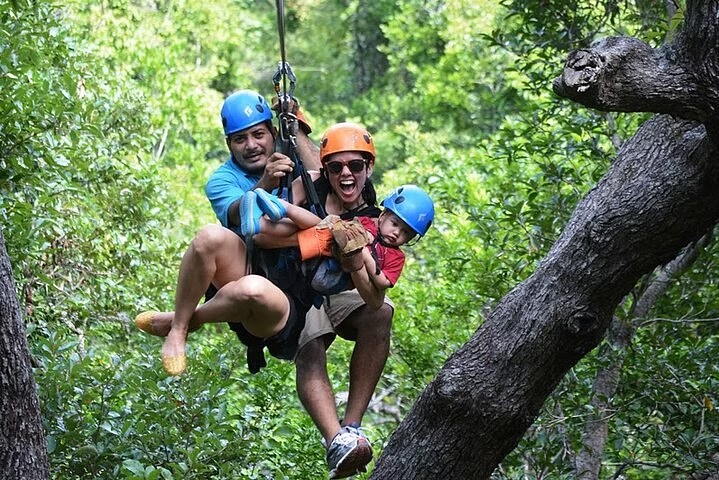
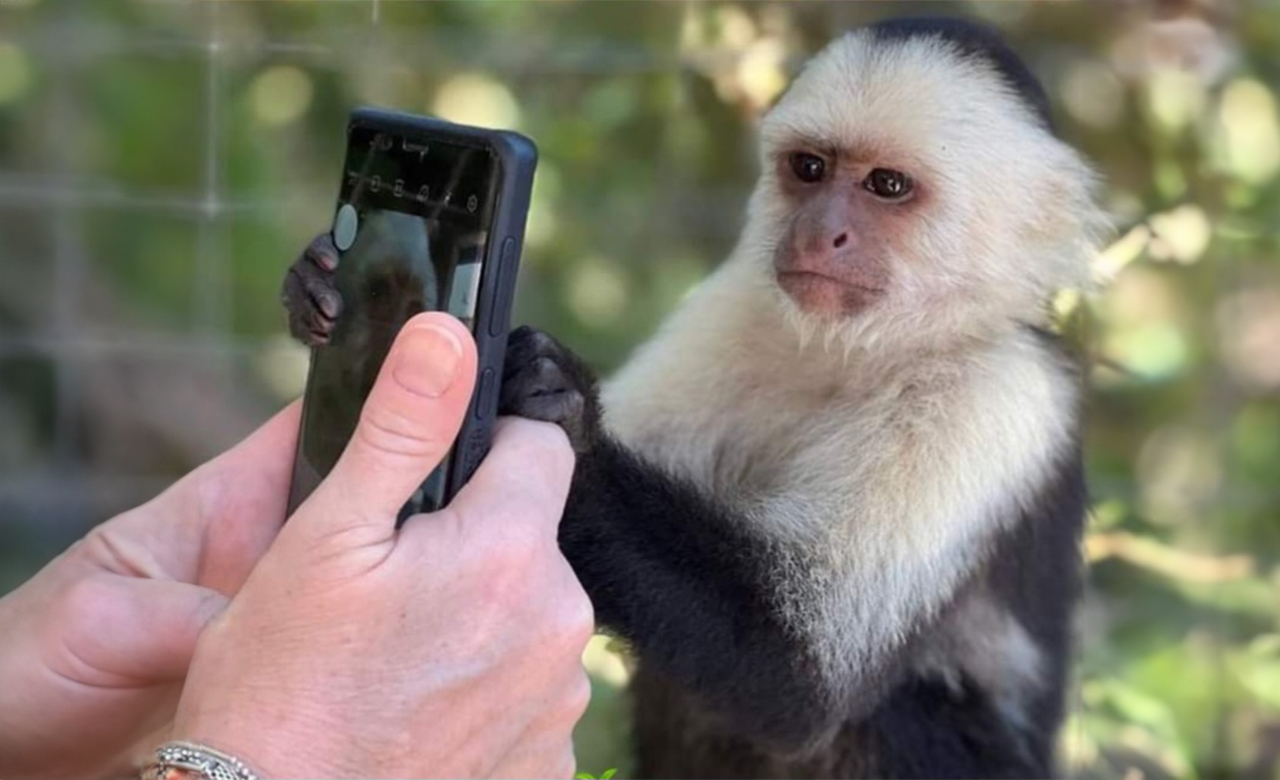
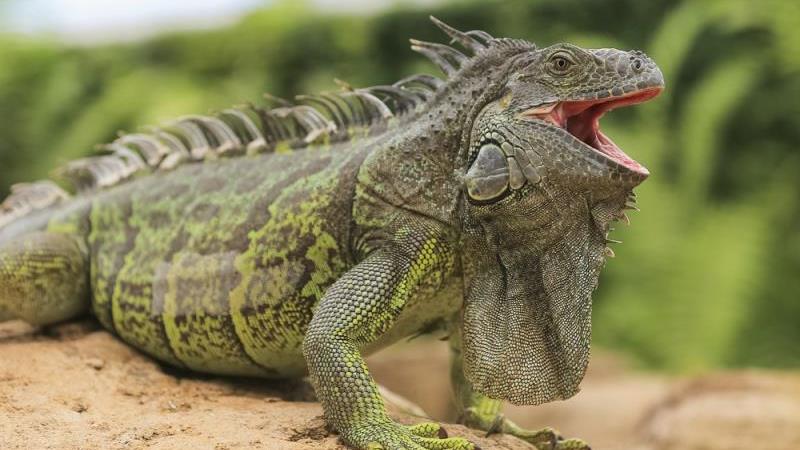
Roatan's interior is an underappreciated counterpart to its celebrated coastline. The island's ridge runs east to west through dense tropical jungle, home to green iguanas — often seen basking on roadside branches or moving in their prehistoric, unhurried way through the undergrowth — as well as white-faced monkeys, tropical birds, and butterflies in extraordinary variety. Several wildlife and nature operations offer iguana farms, monkey encounters, and canopy zip-line tours through the jungle that provide a completely different perspective on the island's ecosystem. The zip line at Mahogany Bay passes through jungle canopy on its way to the beach. For those who want a longer jungle immersion, guided nature hikes into the island's central ridge reveal a lush world far removed from the beach bars and dive shops below.
Roatan travel tips
Head Straight to West Bay Beach. West Bay is Roatan's crown jewel, and the earlier you arrive, the better — before the beach fills with fellow cruise visitors and the best snorkeling spots get crowded. Taxis from both the Mahogany Bay and Coxen Hole piers reach West Bay in 20–30 minutes and cost a few US dollars. Water taxis from West End to West Bay are a pleasant alternative and offer the bonus of passing along the coastline. Set up early, rent snorkel gear from one of the beach vendors, and spend the morning in the water while the reef is at its most tranquil.
Bring Cash in Small US Dollar Bills. US dollars are universally accepted and effectively function as local currency throughout Roatan. Prices for taxis, snorkel gear rental, beach food, and local tours are very low by any Caribbean standard — most transactions involve small amounts. Having a supply of $1, $5, and $10 bills makes life easier and prevents the awkward overpayment that comes from handing over a $20 for a $3 coconut water. ATMs are available in Coxen Hole and near the port, but the amounts dispensed are in Lempiras, requiring conversion.
Book Dive Trips for Early Morning. If diving is your reason for coming to Roatan, book a two-tank morning dive and be in the water by 8 or 9am. Morning dives consistently offer better visibility, calmer surface conditions, and more active marine life than afternoon dives. The island's dive shops are professional and well-equipped; West End in particular has multiple operators competing for business, which keeps prices competitive and quality high. Confirm that your dive shop is PADI-affiliated and that guides are certified divemasters or instructors. Non-certified travelers can arrange discover scuba sessions directly at the beach.
Agree on Taxi Fares Before You Ride. Roatan taxis do not use meters — fares are negotiated before departure and are fixed for the journey. Prices are genuinely cheap by any standard, but first quotes to tourists at the cruise pier can be inflated above the going rate. The general fare from Mahogany Bay or Coxen Hole to West Bay or West End runs a few US dollars per person; group taxis split costs further. Politely negotiate, agree on the round-trip price and any waiting fee upfront, and the transaction will be straightforward. Drivers are generally friendly and knowledgeable about the island.
Reef-Safe Sunscreen Only. Roatan's reef is a living ecosystem of international conservation significance, and the coral is genuinely vulnerable to chemical sunscreens containing oxybenzone and octinoxate. Use only mineral-based (zinc oxide or titanium dioxide) reef-safe sunscreen when swimming or snorkeling — this is both an ecological responsibility and, in some areas, beginning to be locally enforced. Apply 15–20 minutes before entering the water and reapply after extended time in the sea. A rash guard or UV-protective swim shirt is an excellent complement that reduces sunscreen dependence and extends comfortable time in the water.
Roatan is Safe — Stay Oriented. The tourist areas of Roatan — West Bay Beach, West End village, and the areas around both cruise piers — are considered safe and relaxed. The island has a fundamentally different security profile from mainland Honduras; it is a functioning tourist economy where visitor safety is a local priority. Normal travel awareness applies: don't leave valuables unattended on the beach, use established taxis rather than unmarked vehicles, and be aware of your surroundings in Coxen Hole town, which is more urban and working-class than the resort areas. The vast majority of cruise visitors explore freely and without incident.
Port Facts Every Cruiser Needs To Know
Roatan shore excursion FAQs
Roatan has two docking options, both requiring no tendering. Mahogany Bay is a Carnival-operated private pier with its own beach, amenities, and activities — ships dock here and passengers can walk off directly into the facility or arrange taxis to elsewhere on the island. Coxen Hole is the main commercial pier in Roatan's largest town, closer to local transport links. Neither is definitively better — Mahogany Bay is more polished and self-contained, while Coxen Hole puts you immediately in the working town and makes local exploration easier. Both provide easy access to West Bay and West End.
It genuinely is. The reef at West Bay begins in very shallow water — sometimes just a meter or two — within a short swim of the beach, and the coral health and fish diversity are exceptional by Caribbean standards. In a typical snorkel session, it is reasonable to encounter parrotfish, angelfish, trumpetfish, spotted eagle rays, moray eels, spiny lobsters, and sea turtles without venturing far from shore. The visibility is consistently good, the current is minimal, and the water is warm enough to stay in for hours. It is accessible to all swimmers, including children and beginners.
Not at all. The reef at West Bay Beach is fully accessible to snorkelers directly from shore — no boat, no certification, no special equipment beyond a mask, snorkel, and fins, all of which rent for a few dollars at the beach. For non-swimmers or those who prefer to stay dry, glass-bottom boat tours offer an excellent reef experience from above. For those who want a deeper encounter, discover scuba experiences are available for beginners directly at West Bay, allowing uncertified participants to dive with an instructor to a shallow depth under direct supervision.
Roatan should be understood as a separate context from mainland Honduras. The Bay Islands have historically had a fundamentally different safety profile — as a functioning dive and beach tourism economy, visitor safety is a genuine local priority and the resort areas operate with that in mind. The tourist zones of West Bay, West End, and the areas around both cruise piers are considered safe and are regularly visited by thousands of cruise passengers. Standard travel precautions apply, but the island does not share the security profile of some urban mainland areas.
From Mahogany Bay pier, West Bay is approximately 20–25 minutes by taxi along the island's main road, costing a few US dollars per person. From Coxen Hole pier, the journey is similar — roughly 20–30 minutes depending on traffic. Water taxis from West End village to West Bay are a popular alternative, running a short coastal route in about 10 minutes. The island is small and distances are short — there is no part of the main tourist circuit that requires a long or complicated journey.
Taxis from both Mahogany Bay and Coxen Hole reach West End in 15–20 minutes. Fares are negotiated in advance and are inexpensive — a group can often share a taxi and split the already-modest cost. Collectivo minivans also run routes along the main road and are the cheapest option, picking up multiple passengers heading in the same direction. Once in West End, the village is small enough to explore entirely on foot. The main street runs along the waterfront and everything of interest — restaurants, dive shops, bars, boutiques — is within easy walking distance.
Roatan is one of the most affordable Caribbean port calls on any Western Caribbean itinerary. Snorkel gear rental runs $5–10 USD. A taxi to West Bay or West End is $3–8 USD per person each way. A two-tank dive with a reputable operator runs $60–90 USD. A fresh grilled fish lunch with beer at a West End restaurant costs $10–15 USD. A glass-bottom boat tour runs $15–25 USD. A comfortable full day ashore — transportation, snorkeling, lunch, and a cold drink on the beach — can be accomplished for $30–50 USD per person without any sense of deprivation.
Roatan is excellent for families. The calm, warm, shallow water at West Bay Beach is ideal for children, and the snorkeling is immediate enough to capture kids' attention without requiring them to venture far from shore. Mahogany Bay's private beach facility is a particularly comfortable option for families with younger children who prefer a controlled, all-in-one environment. Iguana farms and wildlife encounters are reliably popular with children. The glass-bottom boat tour is perfect for kids who want to see marine life without getting in the water. The island's overall atmosphere is relaxed and family-friendly.
A full PADI open-water certification typically requires two to three days of instruction, making it impossible to complete in a single port day. However, if your ship visits Roatan multiple times on a longer itinerary, or if you want to begin coursework at home and complete your open-water dives in Roatan, that is feasible. Several West End dive shops offer accelerated programs. On a single port day, a PADI discover scuba session — where an instructor takes a non-certified participant through a supervised shallow dive — is the practical alternative and gives a genuine taste of diving the reef.
Roatan's terrestrial wildlife is diverse and accessible. Green iguanas are ubiquitous — large, prehistoric-looking reptiles that lounge on trees, fences, and rooftops with total indifference to human observers. White-faced capuchin monkeys inhabit the jungle interior and can be encountered on canopy tours. Tropical birds — hummingbirds, toucans, parrots — appear regularly in the island's vegetation. Several wildlife operations offer closer encounters with iguanas and monkeys in sanctuary settings. In the water, sea turtles, nurse sharks, spotted eagle rays, moray eels, and hundreds of reef fish species make the marine wildlife arguably the island's greatest natural asset.
Filters
Select a filter to refine results.
Tour Type
Tour Activity
 Cart
Cart
 USD
USD GBP
GBP AUD
AUD EUR
EUR CAD
CAD