



Tours in Palermo Sicily


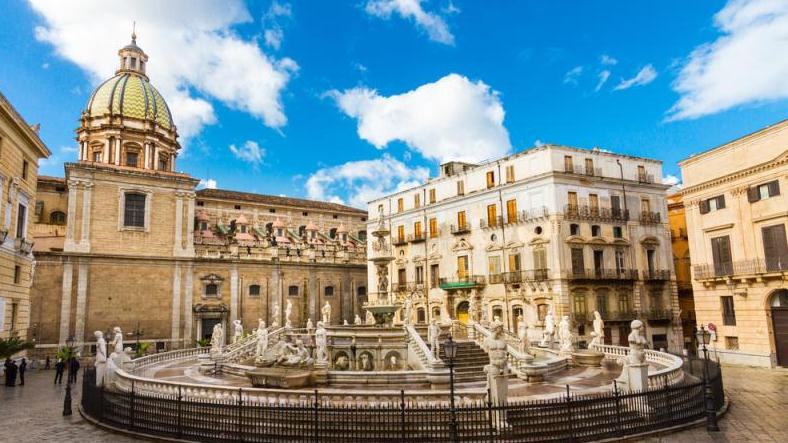
Cruising to Palermo Sicily in a group?
Skip the crowded ship excursion bus. One dedicated planner will design a private shore experience around exactly what your group wants — coordinated from first enquiry to the moment you're back on board. More memorable, more flexible, and more affordable than you might expect. Spend less time organising, more time enjoying.
Explore Group Travel →Cruising to Palermo Sicily
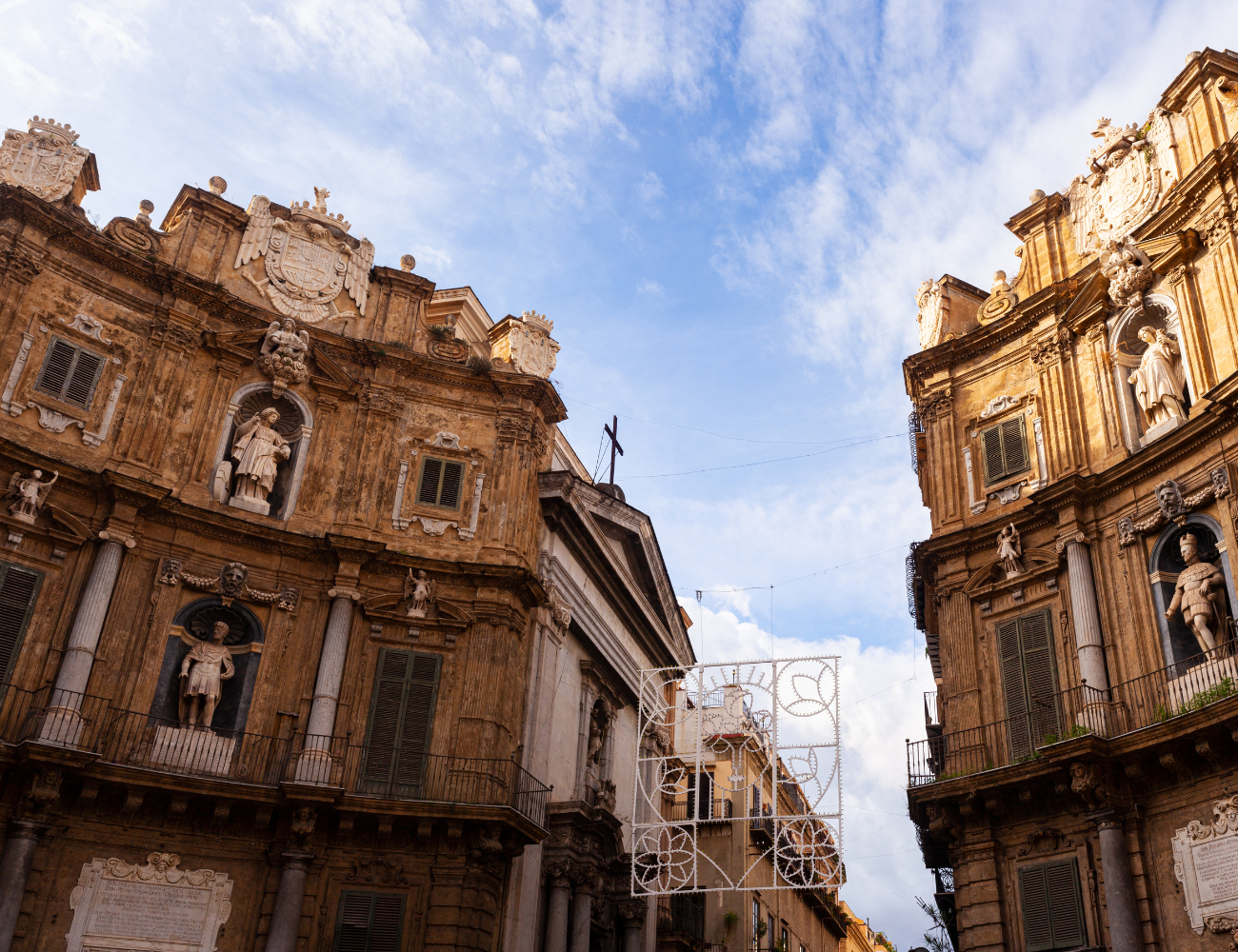
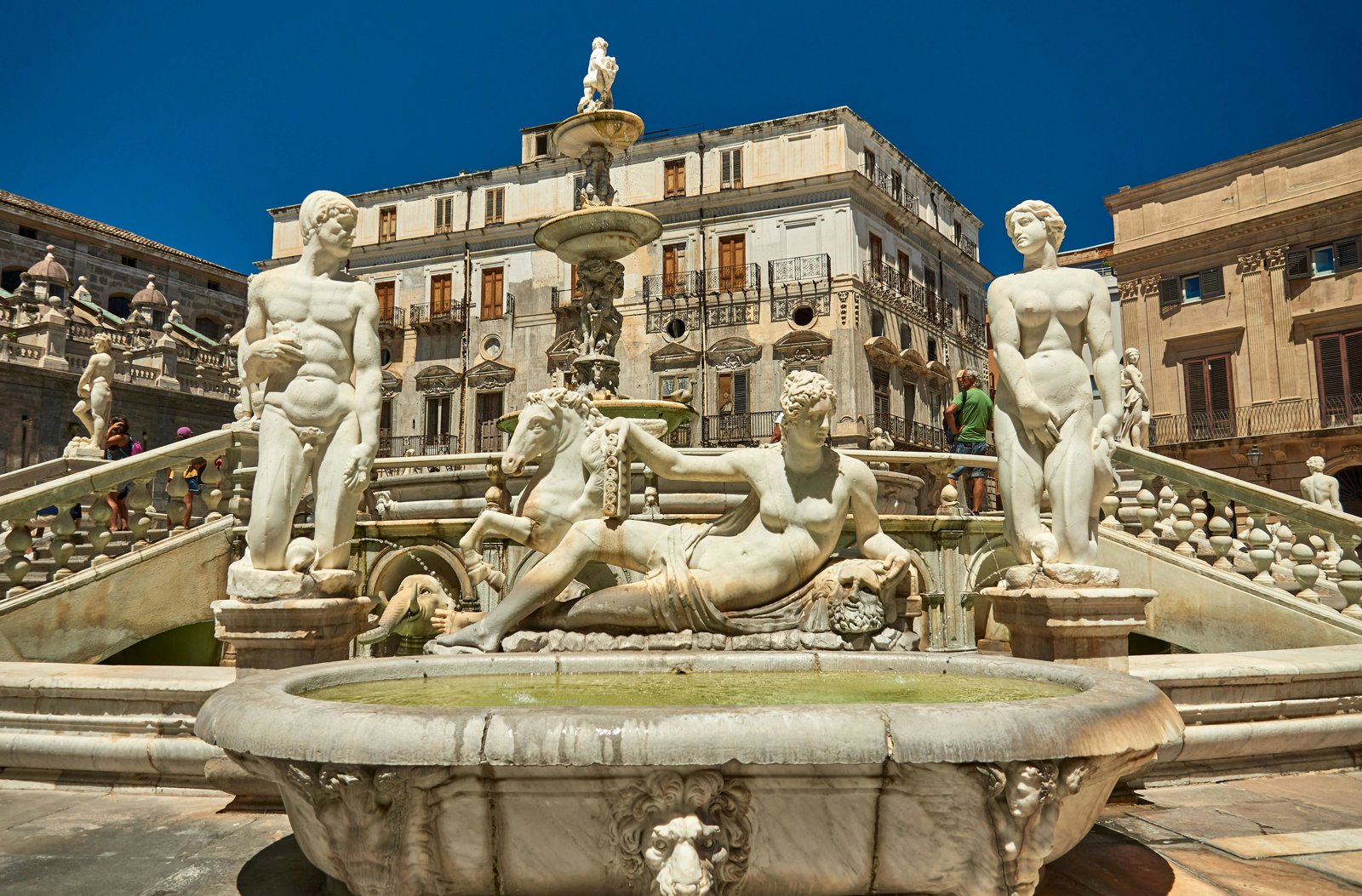
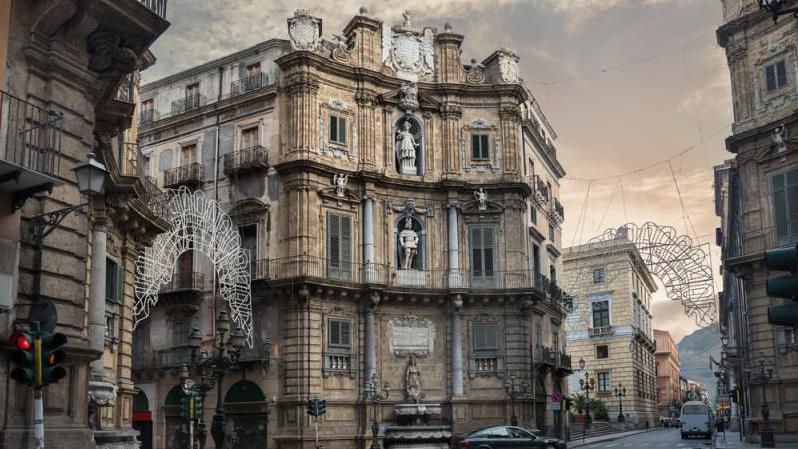
Palermo is a city of extraordinary, sometimes overwhelming density — of history layered upon history, of cultures that conquered and were absorbed, and of a street life so vibrant and ungoverned that it can feel, at first, like barely contained chaos. Sicily's capital has been ruled by Greeks, Romans, Arabs, Normans, Spanish, and Bourbons, and each left a permanent mark on the city's architecture, cuisine, and character. The result is one of southern Europe's most complex and rewarding urban destinations.
The Arab-Norman monuments at the city's core represent perhaps the most remarkable cultural synthesis in medieval European history. In the 12th century, Norman kings commissioned churches decorated by Byzantine mosaic masters using designs influenced by Islamic geometry, housed in structures that combined Romanesque, Arab, and Byzantine architectural forms. The Palatine Chapel, the Church of San Giovanni degli Eremiti with its distinctive red domes, and the nearby cathedral at Monreale — containing the largest expanse of Byzantine mosaics outside Istanbul — form a UNESCO World Heritage ensemble of global significance.
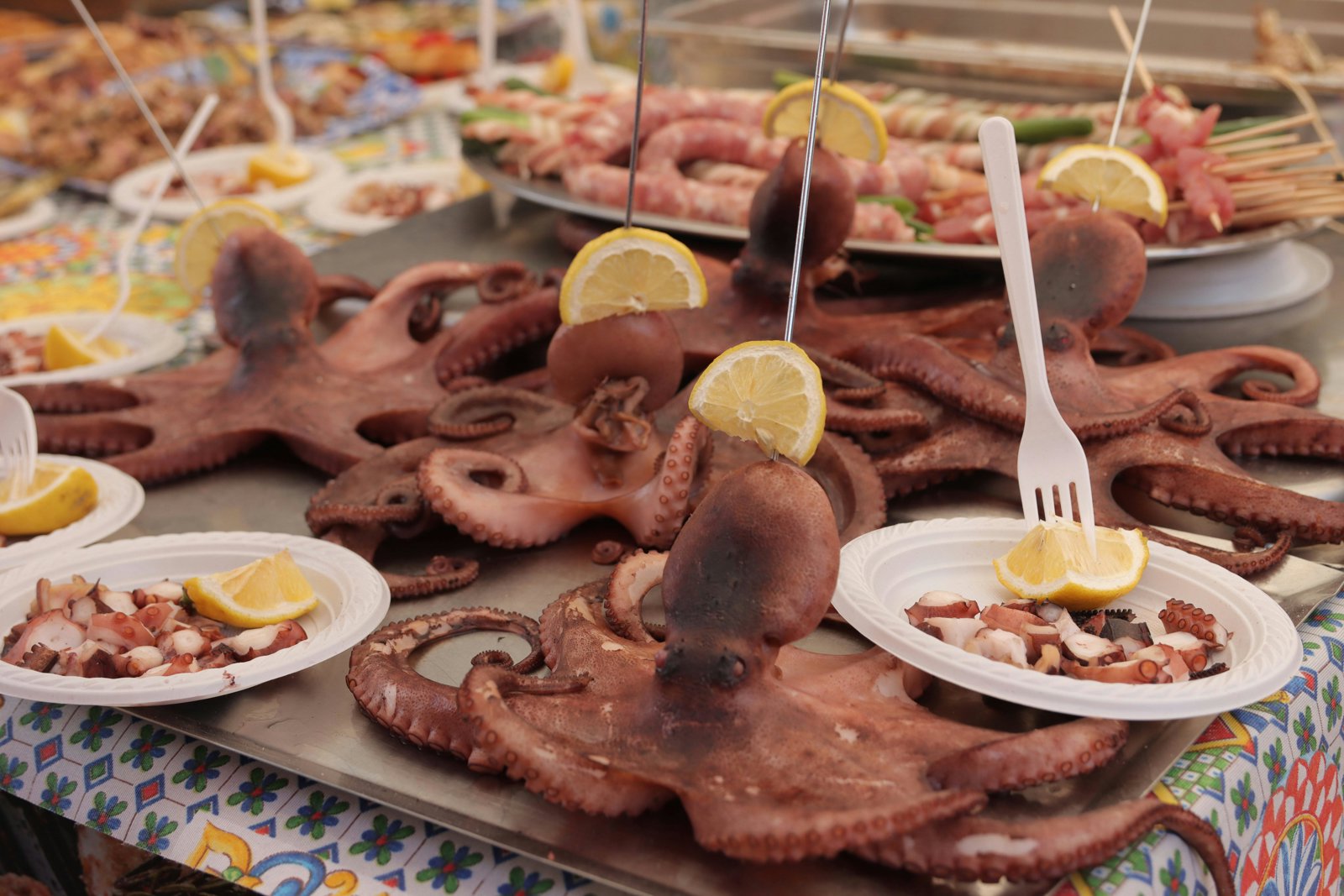
But Palermo is more than its monuments. Its street markets — Ballarò, Capo, and Vucciria — are among the oldest and most atmospheric in the Mediterranean, and they reveal a daily commerce and social life that feels genuinely ancient. The street food these markets produce has achieved international recognition: arancini, panelle, sfincione, and the extraordinary variety of Sicilian pastry and confectionery represent a culinary tradition as rich and layered as the city's architecture.
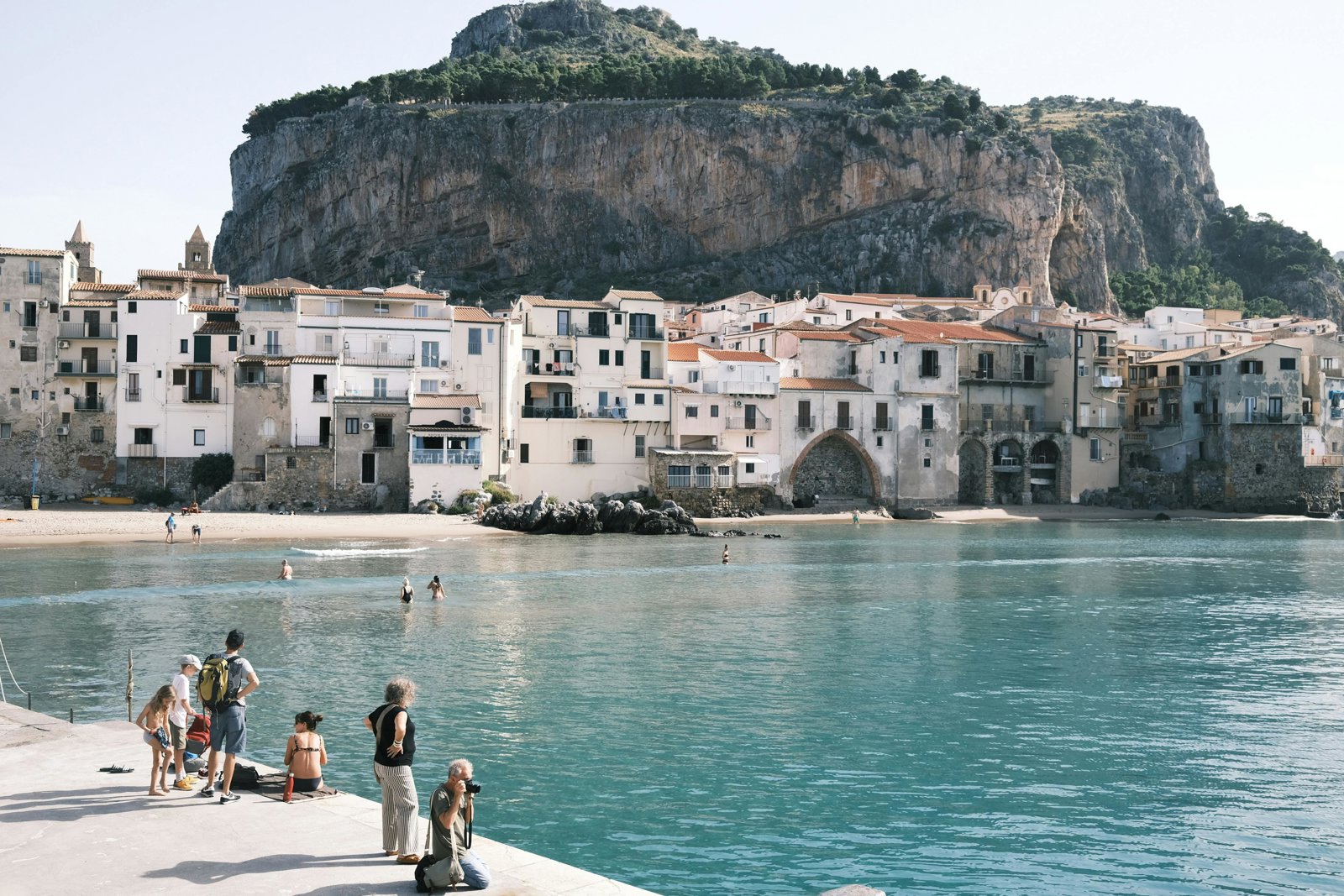
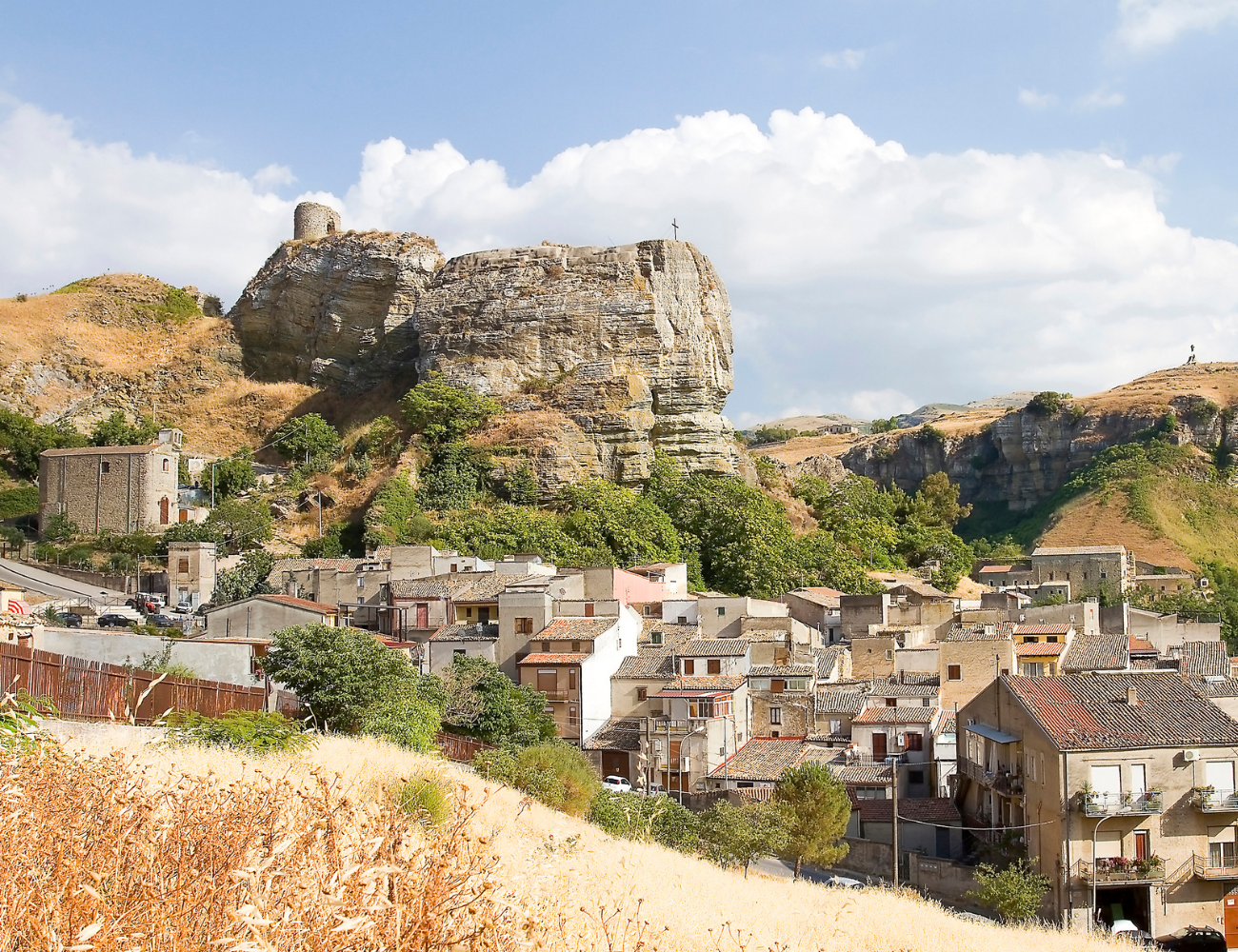
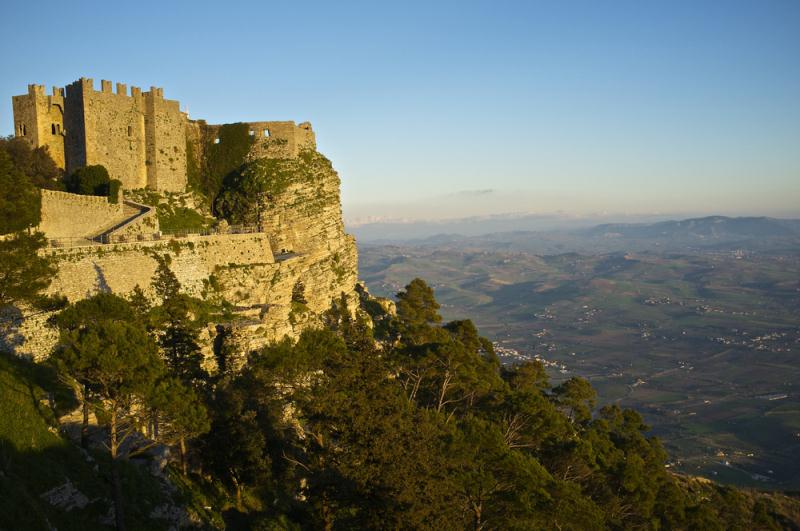
Beyond the city itself, the surrounding coast and countryside offer some of Sicily's finest day-trip destinations. Monreale sits on a hilltop above the city, its cathedral an essential complement to the Palatine Chapel. The medieval town of Cefalù, 70 kilometres to the east, combines a Norman cathedral of its own with a golden beach and a labyrinth of honey-stone lanes. Further afield, the ancient Greek temples of Segesta stand in magnificent isolation above a river valley, and the hilltop town of Erice looks out over the western tip of the island from nearly 800 metres above sea level.
Top things to do in Palermo Sicily on a cruise stopover
The Palatine Chapel (Cappella Palatina)
Housed within the Norman Palace at the heart of Palermo's historic center, the Palatine Chapel is perhaps the most stunning interior in all of Sicily — and a serious rival for that distinction across the whole of southern Europe. Built by the Norman King Roger II between 1132 and 1143, it represents the apex of the Arab-Norman cultural synthesis that defined 12th-century Palermo: a Byzantine mosaic program of extraordinary refinement, covering virtually every surface of the walls and apse, set beneath a muqarnas ceiling of Arabic stalactite carving that belongs to an entirely different architectural tradition. The combination is unique in the world. The Christ Pantocrator in the central apse — mosaic-gold against a blue ground — is one of the most arresting images in medieval art. Queues can be long; pre-booked tickets are essential.
Monreale Cathedral
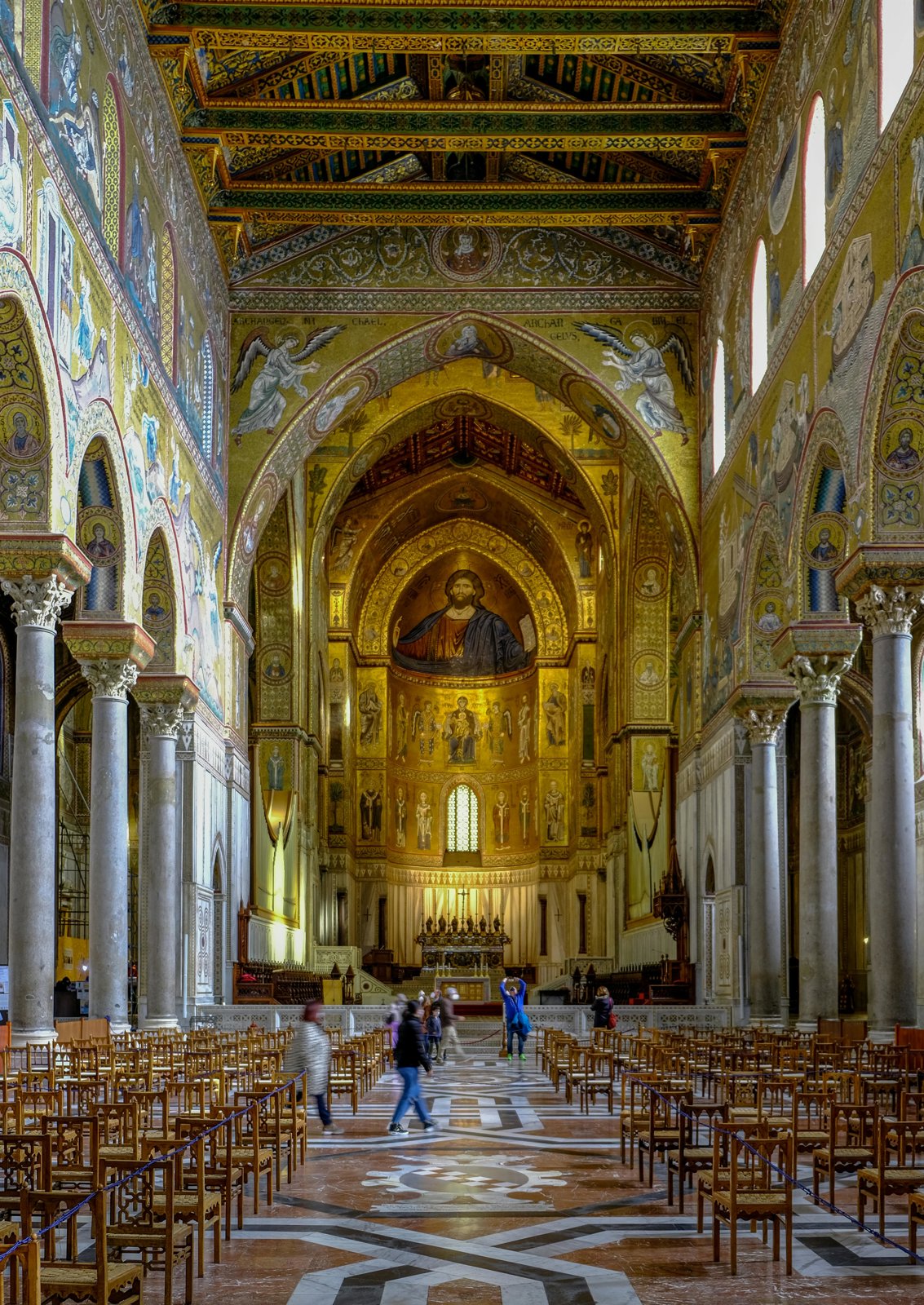
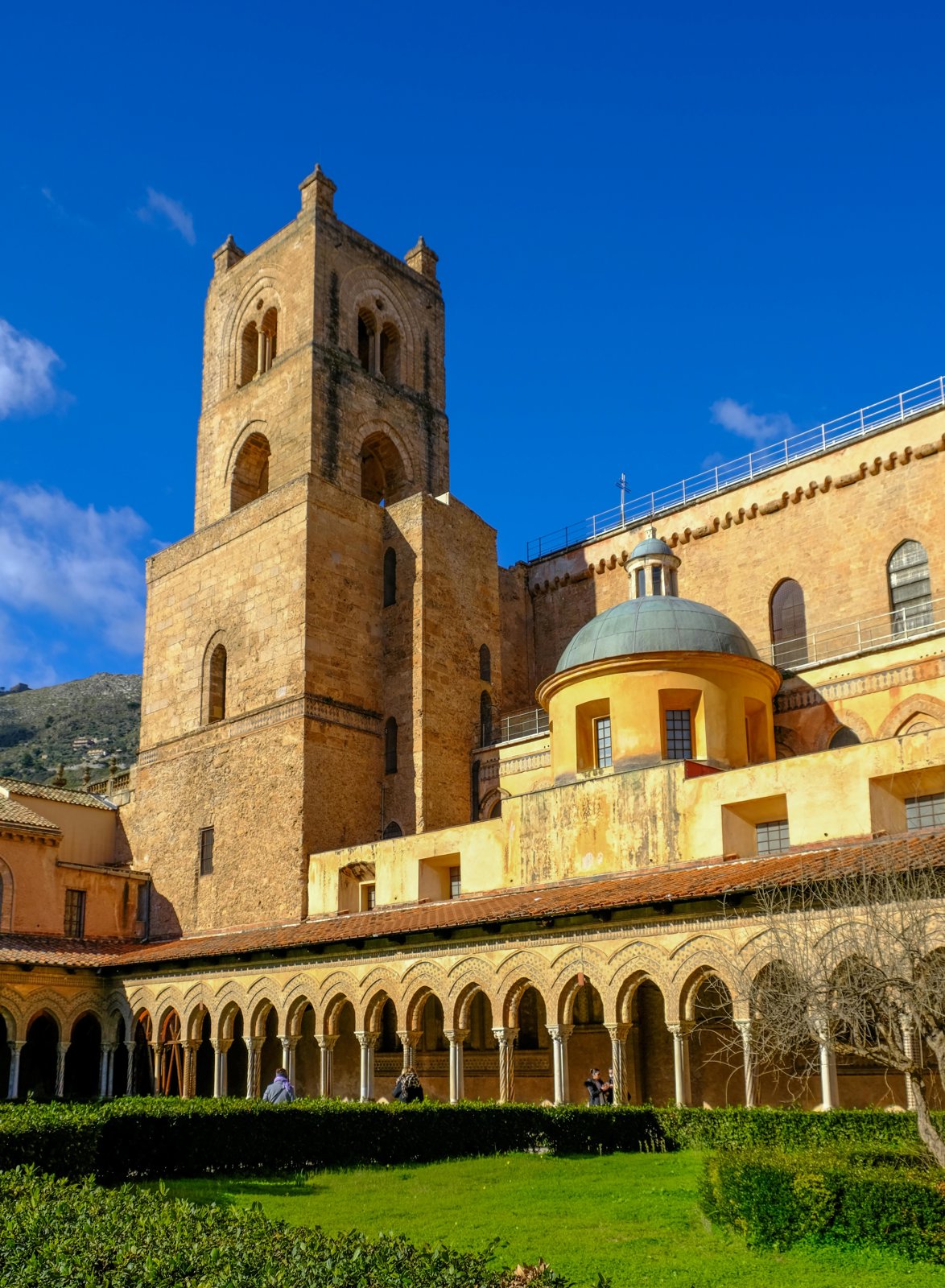
Set on a hilltop above Palermo with views down across the Conca d'Oro valley toward the sea, the Cathedral of Monreale is one of the most ambitious works of sacred architecture in the medieval Mediterranean. Commissioned by William II of Sicily in 1172, its interior is sheathed almost entirely in Byzantine mosaics — 6,340 square metres of glittering gold-ground imagery covering the nave, transepts, and apse in a complete illustrated Bible for an age when most worshippers could not read. The quality is extraordinary, and the scale is overwhelming. The cloister alongside — its 228 pairs of columns each uniquely carved with inlaid stonework — is a masterpiece in its own right. Monreale is a 30-minute drive or bus journey from central Palermo and forms a natural pairing with the Palatine Chapel as a full Arab-Norman heritage day.
Ballarò and Capo Markets
Palermo's historic street markets are not tourist attractions — they are still functioning daily markets where residents buy their fish, vegetables, meat, and street food much as they have for centuries, and the theatricality that accompanies this commerce is entirely organic rather than performed. Ballarò, near the Norman Palace, is the oldest and most intense: a narrow canyon of stalls where vendors in rapid-fire Sicilian dialect hawk swordfish heads, sea urchins, whole octopus, blood oranges, and every species of agricultural produce the island grows. The street food stands embedded within it — offering panelle, arancini, stigghiola (grilled offal), and sfincione — represent some of the most authentic eating in Italy. Arrive in the morning for the freshest produce and most animated atmosphere.
The Capuchin Catacombs
Among the most extraordinary and unsettling sights in all of Italy, the Capuchin Catacombs beneath the Convento dei Cappuccini on the western edge of Palermo's historic center contain approximately 8,000 mummified and skeletal human remains, displayed in the vaulted underground corridors where they were interred between the late 16th and early 19th centuries. Palermitan society — clergy, nobles, professionals, and children — preserved their dead here as a statement of status, and the bodies are arranged in galleries, niches, and coffins according to social category. The experience is unlike anything else in European travel: profoundly strange, historically fascinating, and affecting in ways that visitors rarely anticipate. Not suitable for young children or those sensitive to such imagery.
Palermo Cathedral
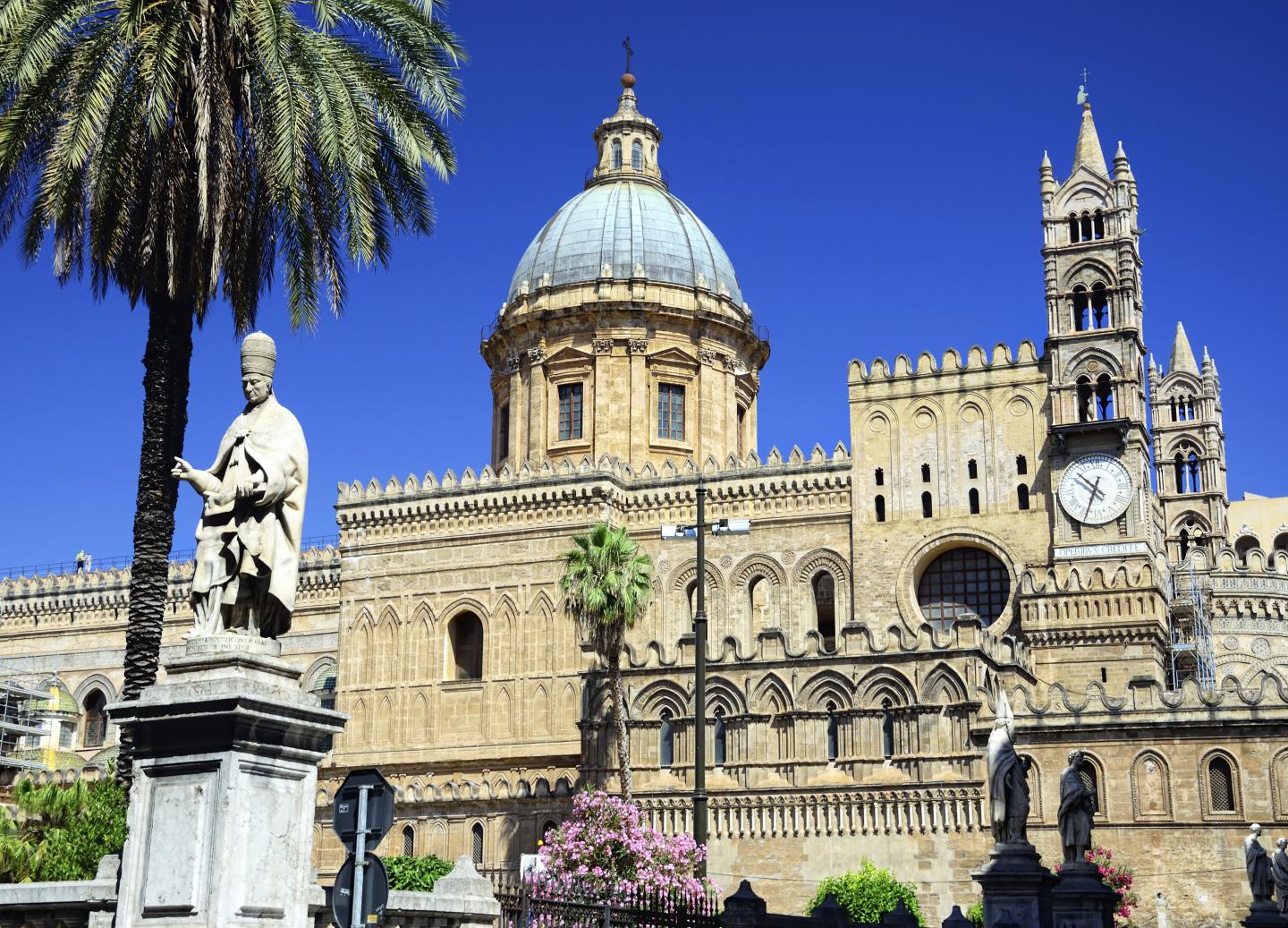
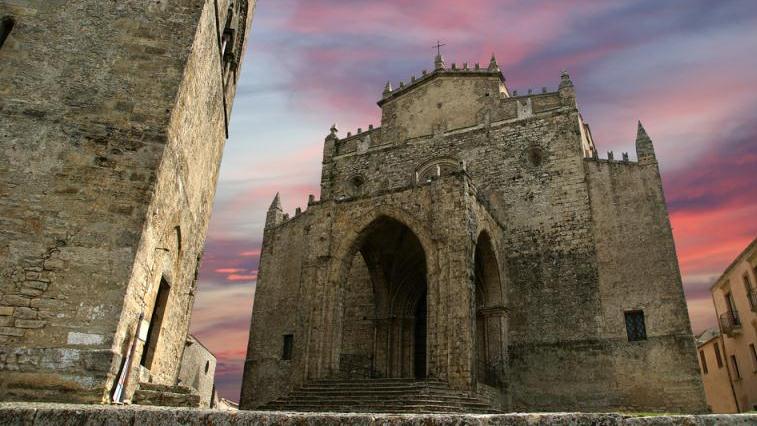
Palermo Cathedral is a compendium of architectural history rather than a single unified design — and all the more fascinating for it. Founded in 1185 on the site of an earlier mosque (itself built on a Byzantine church), it has been extended, altered, and added to by Arab, Norman, Gothic, Renaissance, and Baroque hands across eight centuries, producing a façade that juxtaposes Norman arches with Gothic ornament, Arabic geometric detail, and an 18th-century Baroque dome that would horrify a strict architectural purist and delight anyone with an eye for accumulated history. The interior houses the tombs of the Norman and Hohenstaufen kings of Sicily, including Emperor Frederick II. A rooftop terrace, accessed separately, offers sweeping views across the city to Monte Pellegrino.
Cefalù
Seventy kilometres east of Palermo along the Tyrrhenian coast, the medieval town of Cefalù offers a compelling contrast to the capital's density and noise. A great limestone crag — La Rocca — drops almost vertically to the sea above a compact historic center of golden-stone lanes, a broad sandy beach, and a Norman cathedral that many architectural historians regard as finer than Monreale's in the purity of its apse mosaic. The town is small enough to explore entirely on foot, relaxed enough to sit at a harbourfront café for an hour without feeling pressed, and beautiful enough to justify the journey many times over. As a full-day excursion from Palermo's port it is genuinely outstanding, combining the cathedral, the beach, the rock climb (for the adventurous), and a long lunch in the lanes.
Palermo Sicily travel tips
Dress Appropriately for Churches. Palermo's finest interiors — the Palatine Chapel, San Giovanni degli Eremiti, and Monreale Cathedral — all require covered shoulders and knees for entry. This rule is enforced, not merely suggested. Carry a lightweight scarf or pashmina that can be draped over shoulders and doubled as a lap covering as needed. In summer, the requirement to cover up also provides welcome relief from the sun on the walk between monuments.
Pre-Book the Palatine Chapel. The Palatine Chapel inside the Norman Palace is Palermo's single most visited monument, and entry is timed — meaning that on busy cruise days, walk-up tickets can be unavailable. Book your entry time online before your cruise arrives in port. The palace complex also contains several other rooms worth visiting, so allocate at least 90 minutes for the full experience.
Hit the Markets Early. Ballarò and Capo markets operate from early morning and are at their authentic best before noon, when produce is freshest, vendors are at their most energetic, and the light through the narrow alleys is at its most photogenic. By early afternoon many stalls begin to wind down. Plan market exploration for the start of your day and save the air-conditioned church interiors for the heat of early afternoon.
Manage the Summer Heat. In July and August, Palermo's midday temperatures can reach 36–38°C, and the dense historic center, with its narrow lanes and heat-retaining stone, intensifies this. Structure your day accordingly: outdoor exploration and markets in the morning, a long lunch and museum or church visits during the peak heat of 1–4 pm, then a return to the streets in the cooler late afternoon. Carry water and drink frequently — the heat is deceptively draining.
Carry Small Euro Notes for Street Food. Palermo's street food vendors, market traders, and some of the older bar-cafés around the historic center still operate predominantly in cash and may not carry change for large notes. Stocking up on small euro denominations — €5 and €10 notes — before leaving the ship or port area will prevent the frustrating situation of being unable to buy a €2 arancino because you only have a €50 note.
Combine Monreale with the Catacombs Efficiently. Monreale and the Capuchin Catacombs sit on opposite sides of the historic center — Monreale to the southwest on a hillside, the Catacombs to the west near Piazza Indipendenza. A logical route combines both in a single half-day excursion: visit Monreale in the morning when the light in the cathedral apse is best, return through the historic center for a street food lunch, then walk to the Catacombs in the early afternoon. This pairing covers two of Palermo's most compelling sights without excessive backtracking.
Port Facts Every Cruiser Needs To Know
Palermo Sicily shore excursion FAQs
The cruise terminal at the Port of Palermo is very centrally located on the city's northern waterfront. The historic district — including the Via Vittorio Emanuele, the Norman Palace, and Ballarò market — is approximately 1–1.5 kilometres from the passenger terminal, or about 15–20 minutes on foot. The walk takes you through the edge of the modern port area before arriving in the city's older commercial streets. Alternatively, local buses run from near the port entrance into the heart of the historic center in under 10 minutes.
Arab-Norman architecture refers to the remarkable synthesis of architectural and decorative traditions that emerged in 12th-century Sicily under the Norman kings, particularly Roger II and William II. Rather than imposing a single European style on the island they had conquered from Arab rulers, the Normans employed Arab craftsmen, Byzantine mosaic artists, and Norman masons simultaneously, producing buildings that combined Romanesque structure with Islamic geometric ornament and Byzantine iconographic programs. The result — best represented by the Palatine Chapel, Monreale Cathedral, and several Palermo churches — is unique in the world and was inscribed on the UNESCO World Heritage List in 2015.
Palermo is safe for visitors and receives millions of tourists annually without significant incident. As in any major city with bustling markets and crowded areas, normal precautions apply: keep bags closed and worn in front in crowded market areas, avoid displaying expensive items conspicuously, and be aware of your surroundings in less-trafficked backstreets at night. The historic center, markets, and major monuments are all well-frequented during the day. Palermo has undergone considerable urban regeneration and renewed civic investment over the past decade.
Palermo's street food is among the most celebrated in Italy. The essentials are: arancini (golden fried rice balls stuffed with meat ragù, mozzarella, or spinach and ricotta), panelle (flat chickpea flour fritters, often served in a soft roll), sfincione (thick Sicilian pizza topped with onion, tomato, and caciocavallo cheese), and stigghiola (grilled lamb intestines, an acquired taste but deeply traditional). For something sweet, a cannolo filled with fresh sheep's milk ricotta is essential. All of these are available from stalls in Ballarò and Capo markets.
Monreale is approximately 8 kilometres southwest of Palermo's city centre, on a hillside above the city. City bus 389 departs from Piazza Indipendenza (near the Norman Palace) and runs regularly to Monreale, taking about 30 minutes. Alternatively, organized shore excursions from the port include Monreale as part of a guided half or full-day itinerary, which is the most straightforward option for those unfamiliar with Palermo's bus network.
The Capuchin Catacombs (Catacombe dei Cappuccini) are underground burial galleries beneath a Franciscan convent on the western edge of Palermo's historic center. They contain approximately 8,000 preserved human remains — mummified and skeletal bodies of Palermitans interred between roughly 1600 and 1920, arranged by category (clergy, nobility, women, children, professionals) in a remarkable display that was originally intended as a statement of prestige rather than a macabre spectacle. The experience is genuinely unusual and historically fascinating, but is not appropriate for young children or those sensitive to the sight of human remains.
Cefalù is approximately 70 kilometres east of Palermo, along the Tyrrhenian coast. By road, the journey takes around 60–75 minutes depending on traffic. Trains also run regularly between Palermo Centrale station and Cefalù (journey time approximately 45–60 minutes), making it one of the more accessible day-trip destinations by public transport. As a full-day excursion from Palermo's cruise port, allow around 5–6 hours to do Cefalù justice — including the cathedral, the old town, the beach, and lunch.
For the most comfortable experience, spring (April–May) and early autumn (September–October) are ideal. Temperatures are warm but not extreme, crowds at the major monuments are smaller than in high summer, and the city's outdoor life is at its most appealing. Summer visits (July–August) are feasible but require heat management — start early, rest during peak afternoon temperatures, and plan accordingly. The markets and street food scene are equally excellent year-round.
English is spoken in most hotels, the major tourist monuments (Palatine Chapel, Monreale, the Cathedral), and a good number of restaurants and cafés in the tourist-facing parts of the historic center. However, English proficiency is lower in Palermo than in Rome, Florence, or northern Italian cities, and in the markets and more local neighborhoods, Italian — or even Sicilian dialect — is the primary language. A translation app, a few basic Italian phrases, and good-natured patience will serve you well in situations where direct communication is limited.
Venture Ashore offers an extensive range of Palermo excursions. City options include a guided walking tour with panoramic bus ride, a hop-on hop-off bus tour, a private walking tour of the historic center, and a private street food culinary adventure through Palermo's markets. Day trips cover Monreale Cathedral combined with the Capuchin Catacombs, the coastal town of Cefalù, Mondello beach and Monte Pellegrino, the ancient Greek temple at Segesta with wine tasting, and the hilltop town of Erice with an olive oil factory. A full-day private tour combining Cefalù and Palermo is also available for those wanting maximum coverage of both city and coast.
Filters
Select a filter to refine results.
Tour Type
Tour Activity
 Cart
Cart
 USD
USD GBP
GBP AUD
AUD EUR
EUR CAD
CAD