



Tours in Barcelona


Cruising to Barcelona in a group?
Skip the crowded ship excursion bus. One dedicated planner will design a private shore experience around exactly what your group wants — coordinated from first enquiry to the moment you're back on board. More memorable, more flexible, and more affordable than you might expect. Spend less time organising, more time enjoying.
Explore Group Travel →Cruising to Barcelona
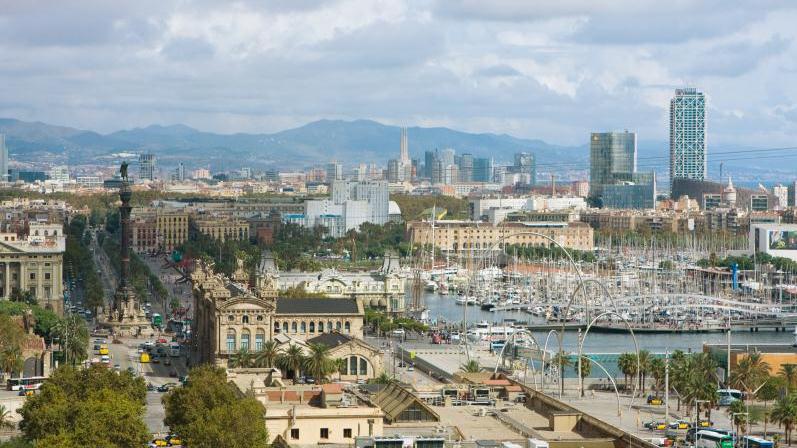
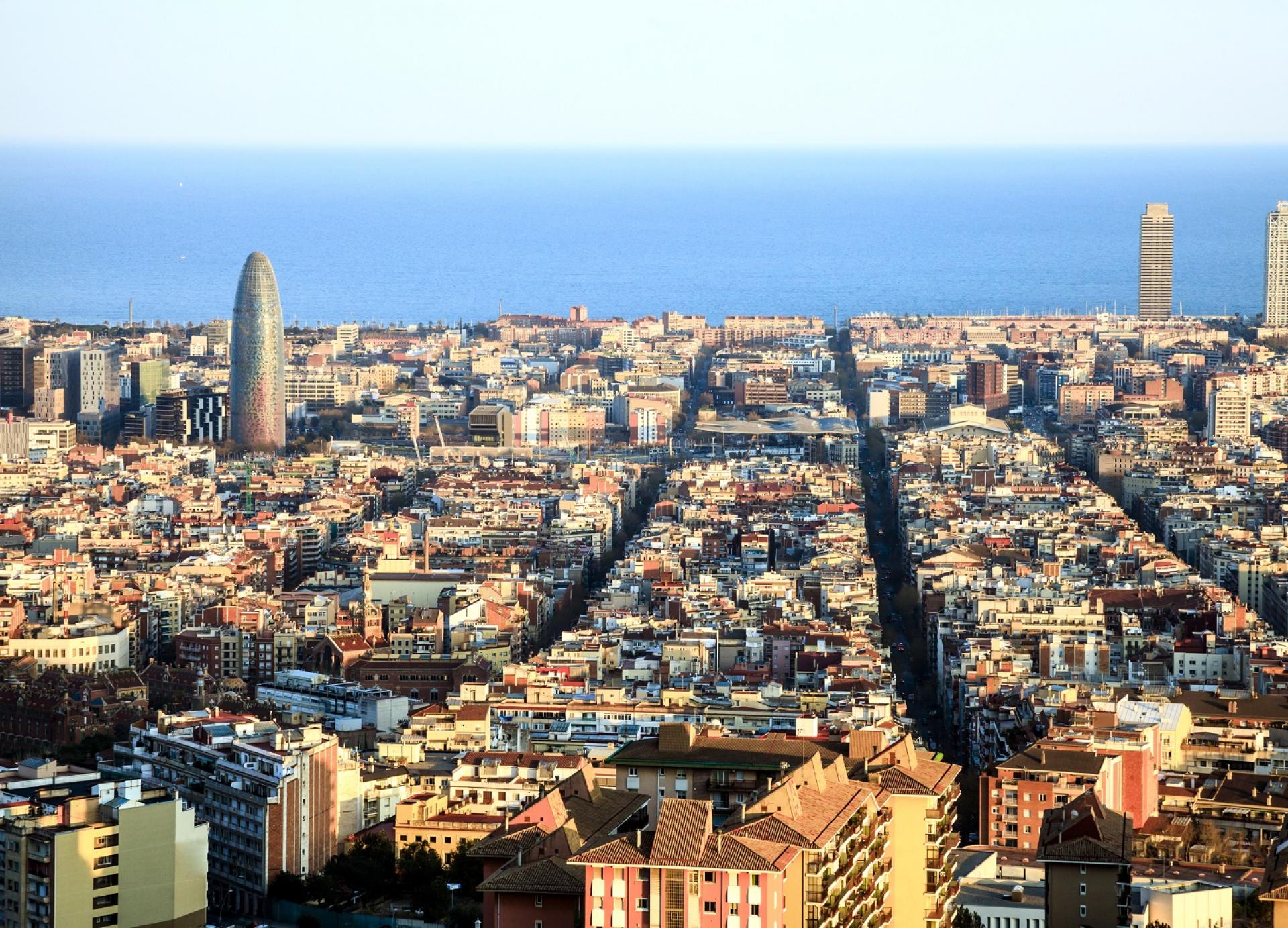
Barcelona rewards curious travelers at every turn. The Catalan capital stretches from its historic port — one of the Mediterranean's great maritime hubs — up through layers of history to the heights of Tibidabo. The city's identity is distinctly Catalan, with its own language, cuisine, and artistic traditions that differ meaningfully from the rest of Spain. A single day ashore can take in Roman ruins and a medieval Jewish quarter in El Call, a flamenco performance, a tapas crawl through centuries-old bodegas, and the sweep of the city from a double-decker sightseeing bus. Beyond Barcelona itself, day trips reach the monastery and mountain of Montserrat or the vineyards of the Penedès wine region — both accessible within a typical port call window.
Top things to do in Barcelona on a cruise stopover
Barcelona by Hop-On Hop-Off: The City from Every Angle
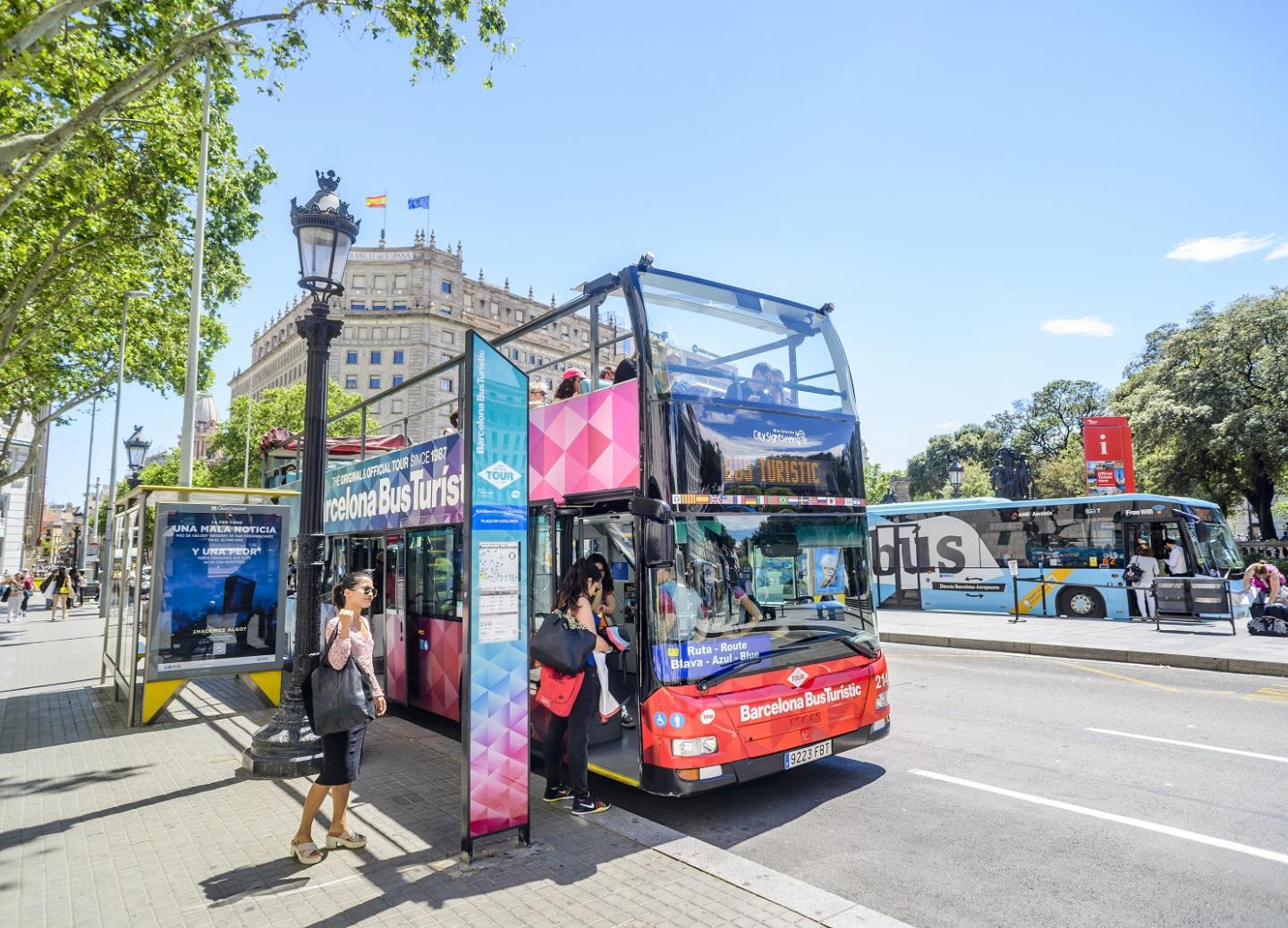
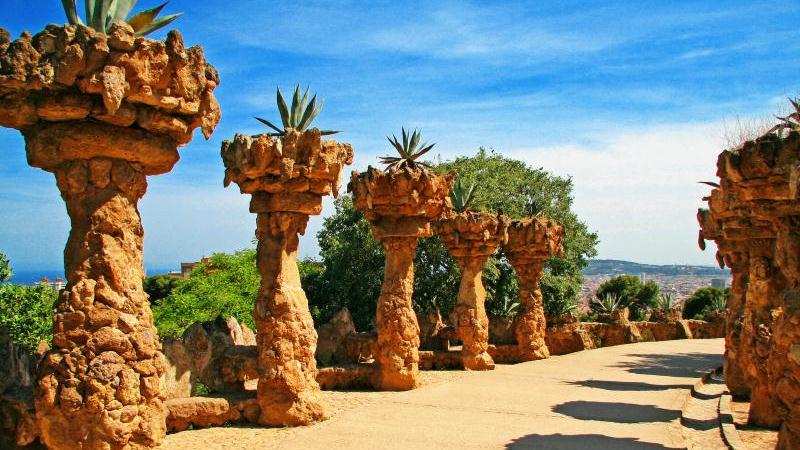
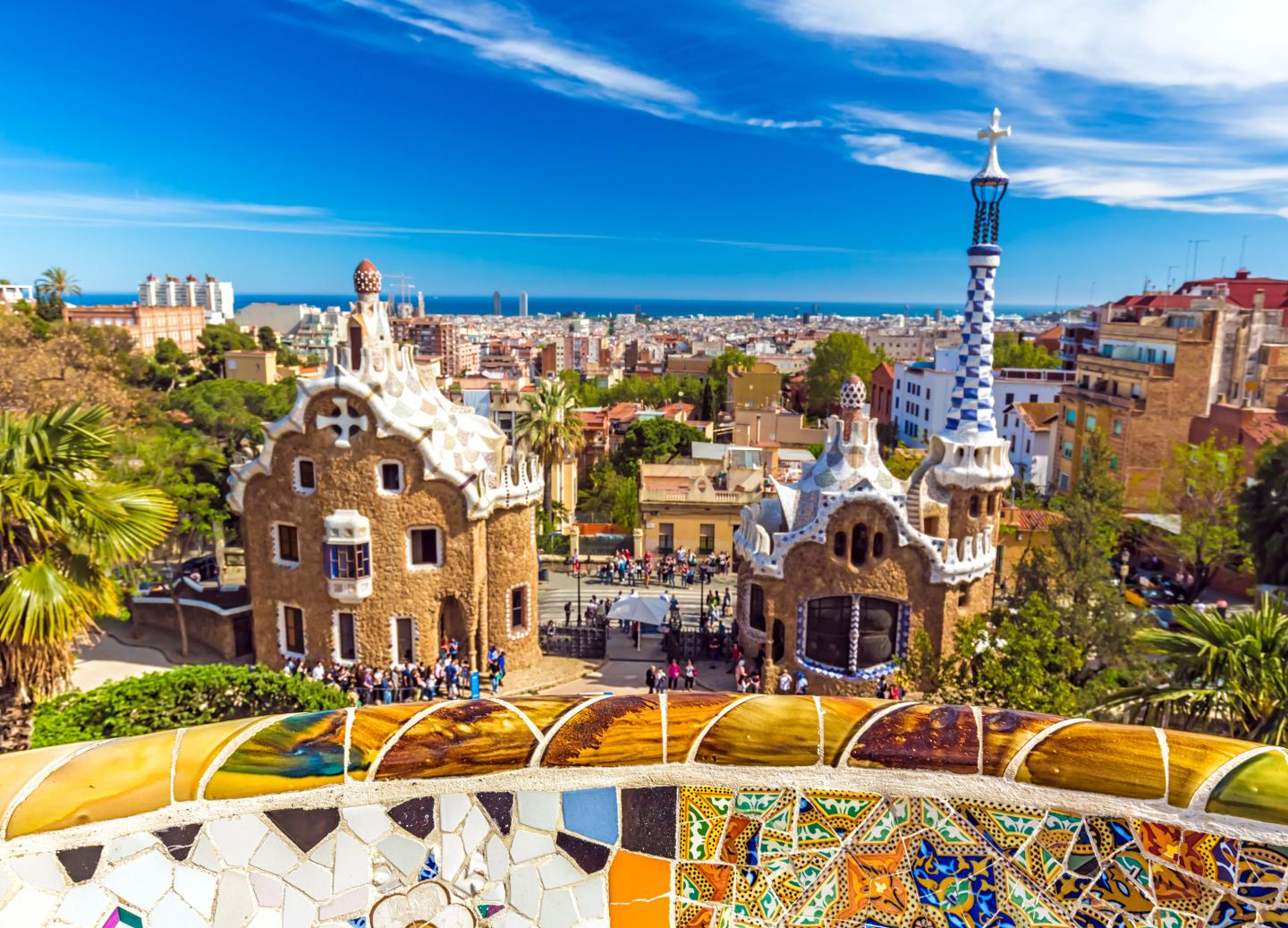
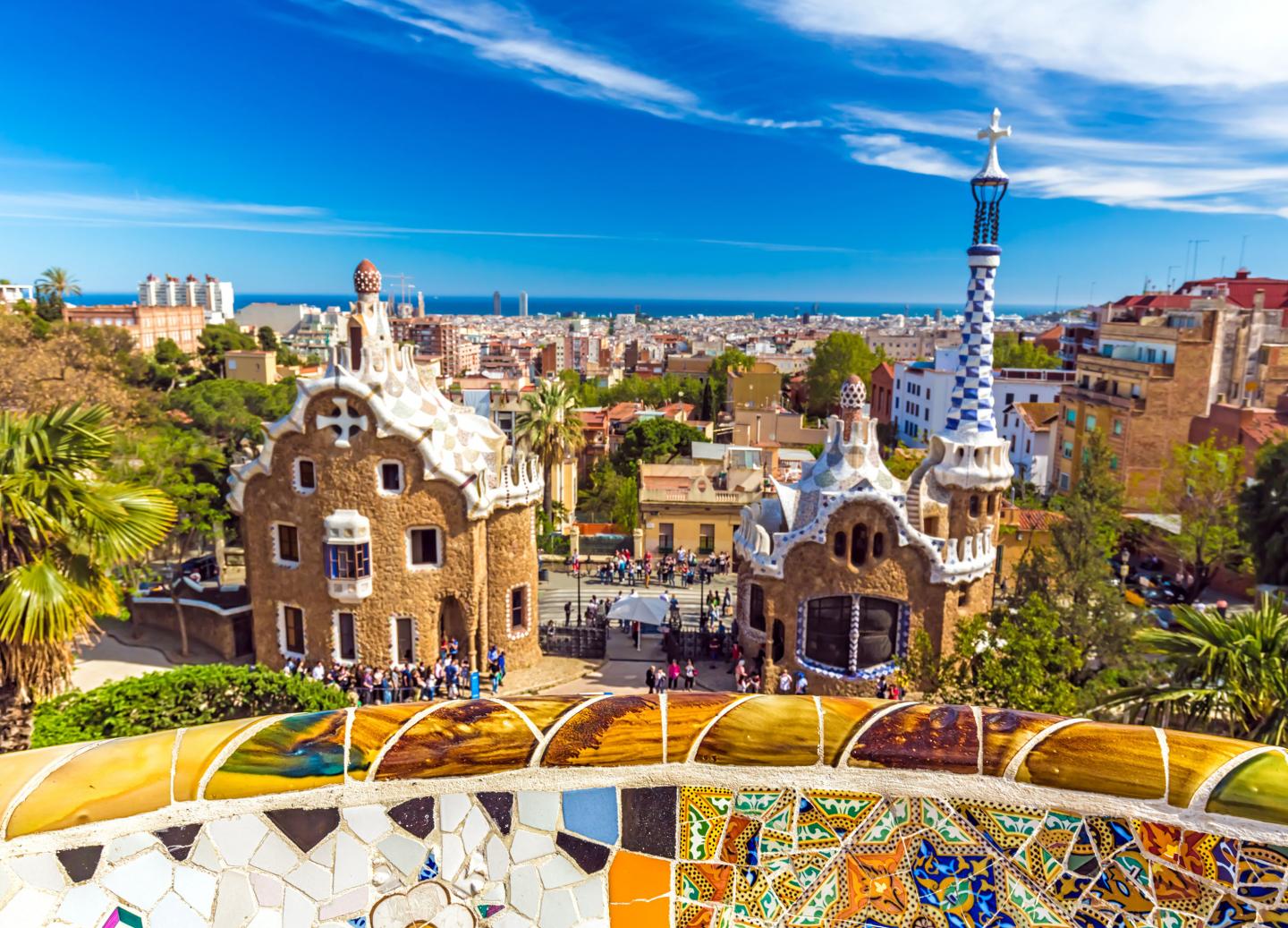
A double-decker hop-on hop-off circuit remains one of the most practical introductions to Barcelona's sprawl. The route covers the old port area, La Barceloneta beach, the tree-lined Passeig de Gràcia with its famous Modernista apartment blocks, and the heights of Park Güell. Recorded commentary in multiple languages provides architectural and historical context as the bus winds through neighbourhoods that would take half a day to walk. The format suits first-time visitors wanting orientation as much as those who simply want to move efficiently between widely spaced sights without navigating metro transfers. Stops cluster around the city's principal landmarks, letting passengers tailor their day to interests and energy levels.
El Call: Barcelona's Medieval Jewish Quarter
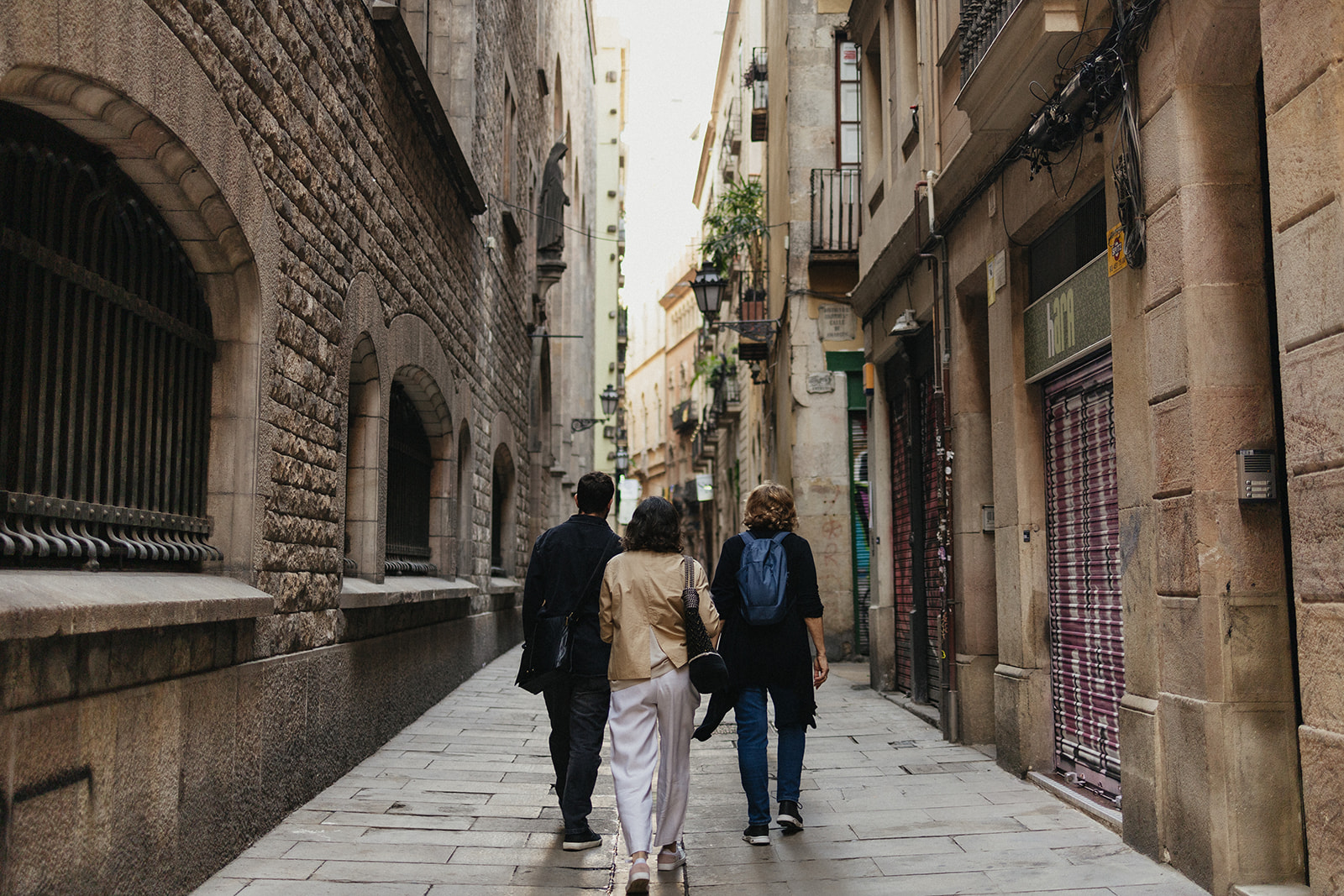
Tucked within the Gothic Quarter's tangle of narrow lanes, El Call was Barcelona's Jewish community for over four centuries until the 15th-century expulsion. Today the quarter retains its medieval street pattern, with passageways so narrow that sunlight barely reaches the cobblestones at street level. Fragments of Hebrew inscriptions survive on old stones, and the remains of a medieval synagogue — one of the oldest in Europe — stand quietly in a courtyard off Carrer Marlet. The neighbourhood's story connects Barcelona to a wider European Jewish heritage that extends from the Iberian Peninsula to communities across the Mediterranean, a history rarely covered by standard city tours but revealed in depth through dedicated cultural walks.
Flamenco: Southern Passion in a Catalan Setting
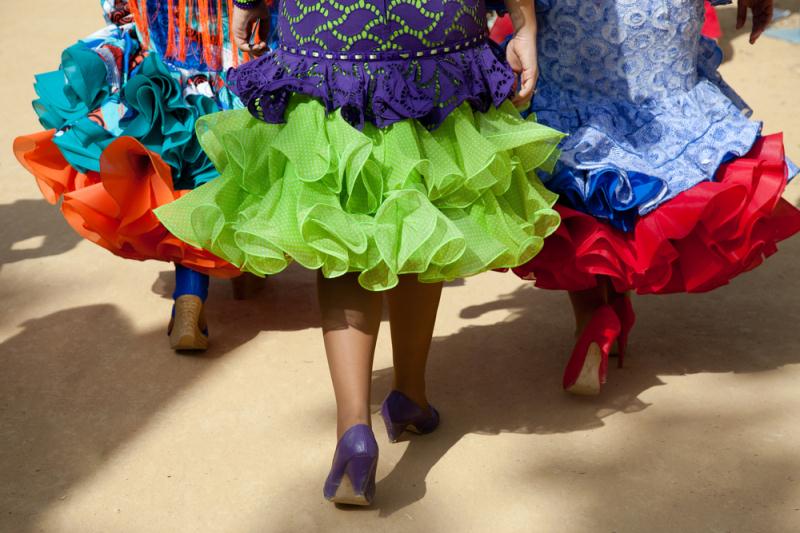
Flamenco is not native to Catalonia — its roots lie in Andalusia, far to the south — yet Barcelona has hosted some of Spain's finest flamenco performances for generations, drawing top artists to intimate tablaos where the audience sits close enough to feel the impact of stamping feet. A flamenco show in Barcelona offers something different from tourist-heavy venues elsewhere: professional performers in a theatrical setting, where the interplay of guitar, song, and dance unfolds as a complete artistic statement. The passionate intensity of the form contrasts vividly with Barcelona's characteristically measured Catalan personality, making the experience all the more striking for the juxtaposition.
Tapas and Wine: Barcelona's Culinary Soul
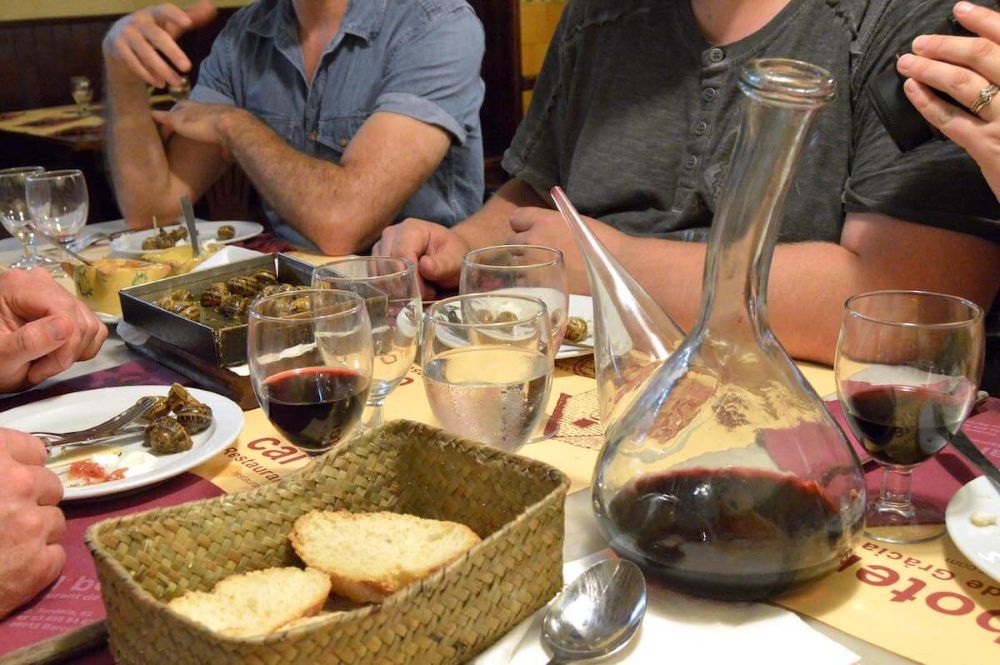
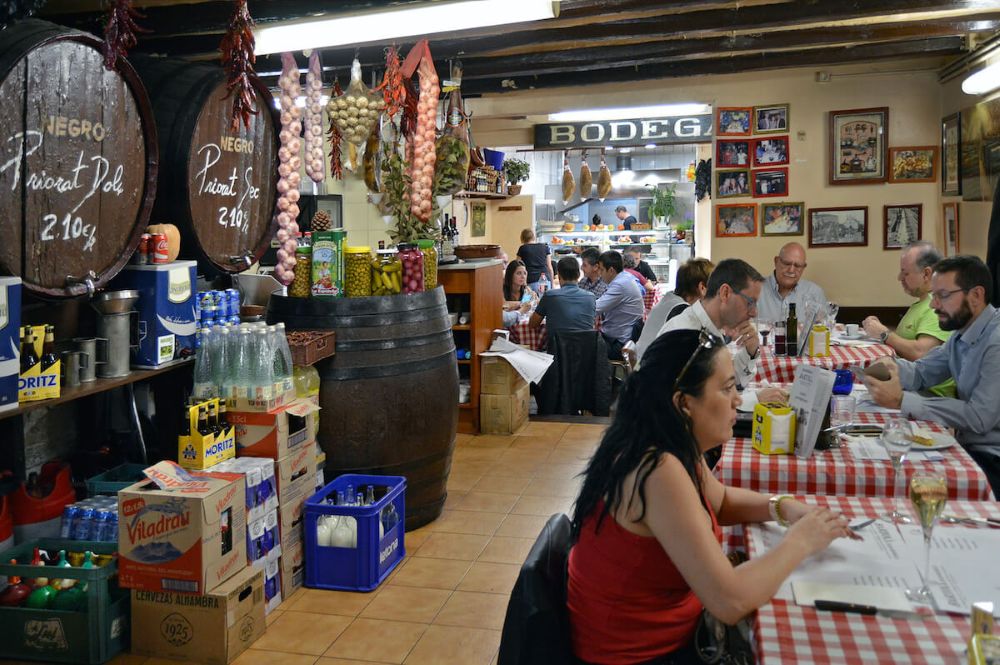
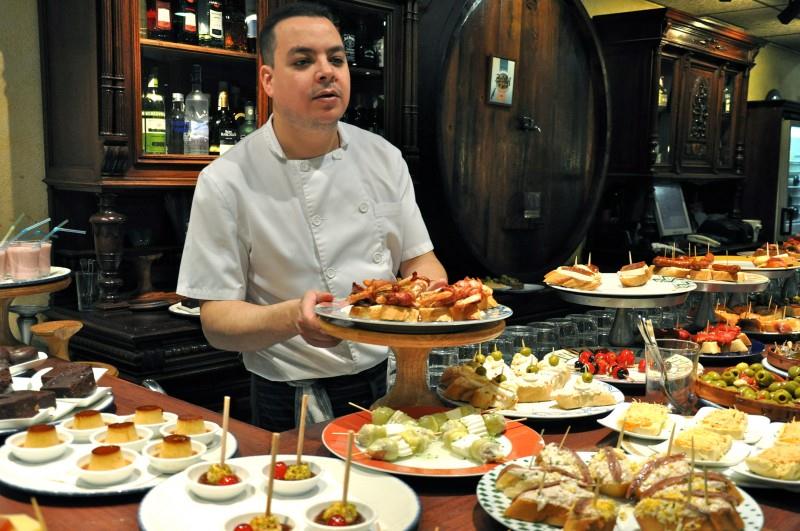
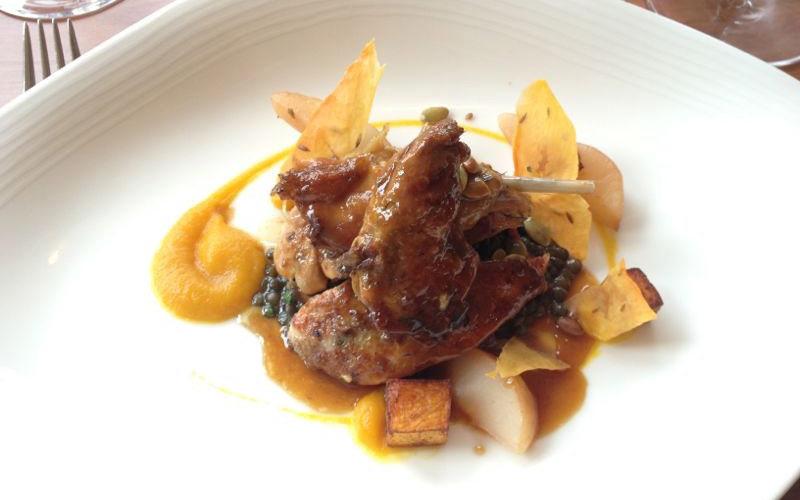
Barcelona's tapas culture differs from Madrid's in subtle but important ways. Catalan cuisine leans towards olive oil, fresh vegetables, salt cod, and seafood from the Mediterranean, brought together in small plates that encourage exploration rather than commitment to a single dish. A guided tapas and wine tour moves through the city's market halls, traditional bodegas, and neighbourhood bars, pairing local wines from Catalonia — cavas, Priorat reds, and Penedès whites — with the rhythms of a city that eats late and lingers over meals. The experience reveals a Barcelona beyond architecture: a city with a genuine food identity shaped by Catalan, Mediterranean, and Spanish influences in equal measure.
Montserrat: Sacred Mountain Above Barcelona
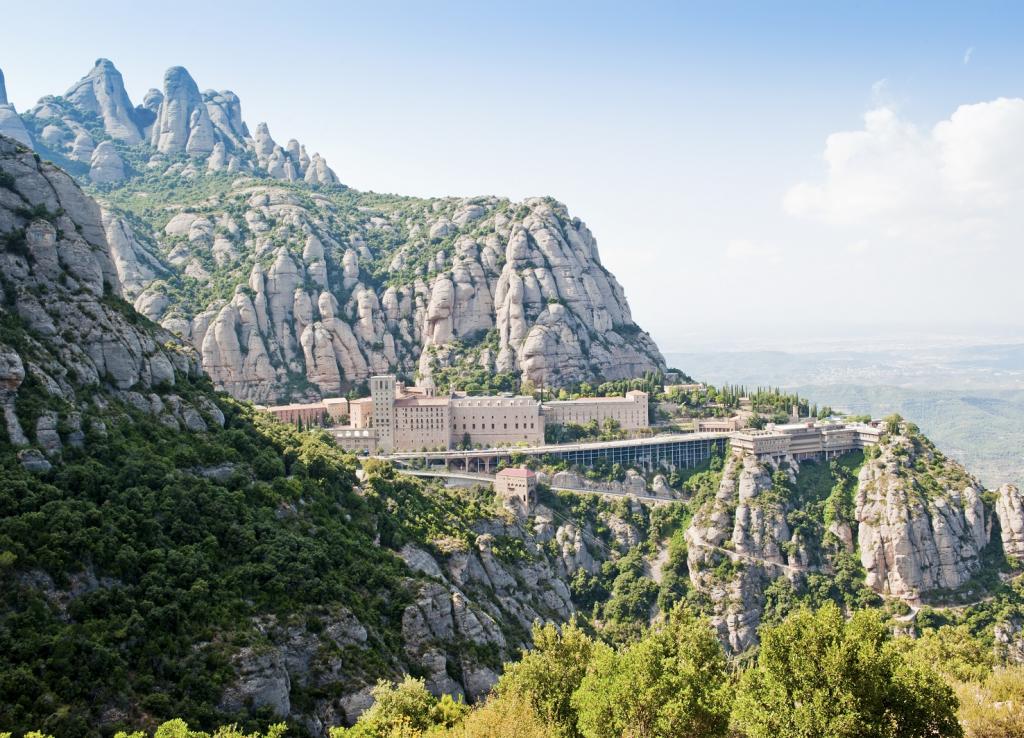
Rising dramatically from the Catalan plain 50 kilometres northwest of Barcelona, the jagged limestone massif of Montserrat has drawn pilgrims, artists, and curious travelers for centuries. A Benedictine monastery clings to the mountain's lower slopes, home to the venerated Black Madonna — La Moreneta — one of Catalonia's most important religious symbols. The mountain itself is threaded with hiking paths that climb past hermit caves and rocky outcrops to viewpoints stretching as far as the Pyrenees on clear days. The combination of spiritual history, dramatic geology, and panoramic scenery makes Montserrat one of the most compelling excursions available from Barcelona's cruise port.
Penedès Wine Country: Catalonia's Vineyard Heartland
Sixty kilometres southwest of Barcelona, the Penedès wine region produces some of Spain's most distinctive bottles, from the sparkling cavas that fill glasses across the country to elegant still whites and increasingly respected reds. The landscape rolls across gentle hills planted with Xarel·lo, Macabeu, and Parellada vines, interspersed with stone-walled estates producing wine for centuries. A day trip into Penedès moves at the unhurried pace of wine country: visiting family-run bodegas, learning the traditional méthode champenoise process behind Catalan cava, and tasting wines that rarely appear on export lists outside Spain. The excursion offers a counterpoint to Barcelona's urban energy — rural, aromatic, and distinctly Catalan.
Barcelona travel tips
Plan Around the Heat in Summer Months. July and August temperatures in Barcelona regularly exceed 30°C with high Mediterranean humidity. Midday heat between noon and 4pm makes outdoor sightseeing uncomfortable; this is when locals retreat indoors. Structure morning hours for walking tours and outdoor attractions, use the afternoon for shaded markets or museum visits, then return outside as temperatures ease in the evening. Loose, breathable clothing and sun protection are essential. Barcelona's tap water is safe to drink — carrying a refillable bottle avoids unnecessary expense.
Align with Catalan Eating Times. Barcelona eats late by northern European standards. Lunch is the main meal, typically served between 1:30pm and 3:30pm; dinner rarely begins before 9pm. For cruise passengers ashore during the day, this creates an opportunity: lunch at a proper restaurant rather than a rushed tourist-menu spot delivers better value and a more authentic experience. Many tapas bars open from midday and offer small plates throughout the afternoon — ideal for flexible grazing between sights. Arriving at a restaurant before 1pm often means it has barely opened.
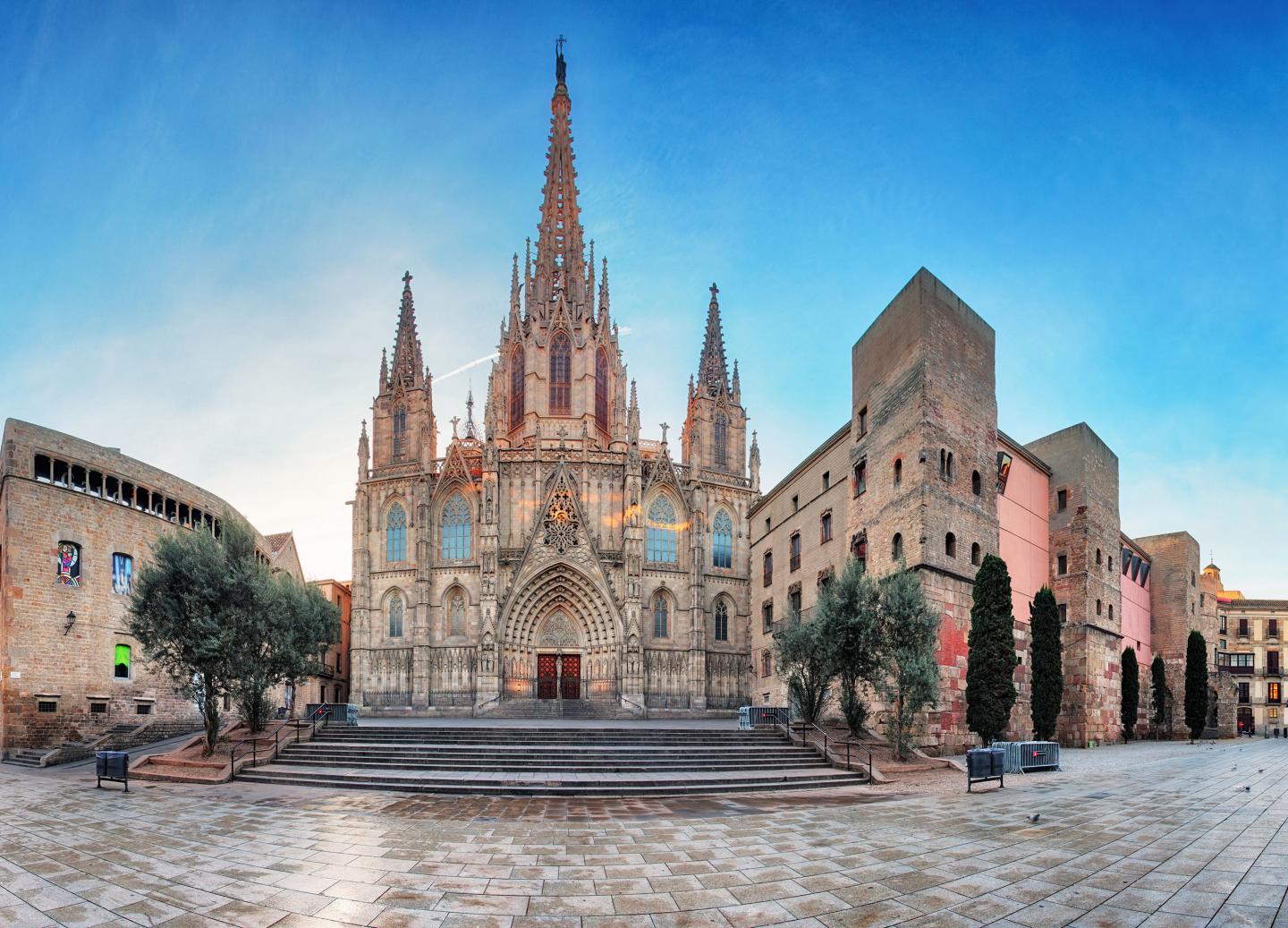
Navigate the Gothic Quarter Without a Fixed Plan. The Gothic Quarter (Barri Gòtic) is best explored without a rigid itinerary. The neighbourhood's medieval street plan predates maps and logic — lanes curve unexpectedly, open into small plazas, and loop back on themselves. Getting deliberately lost here is one of Barcelona's genuine pleasures. Key anchors include the Cathedral of Barcelona, the Plaça Reial, and the entrance to El Call. A morning on foot through these streets, following sound and curiosity rather than a checklist, often yields more memorable discoveries than a scheduled tour of named sights.
Carry Some Cash for Traditional Establishments. While Barcelona is broadly card-friendly, traditional tapas bars, market stalls, and some small family restaurants in the Gothic Quarter and El Born operate on a cash-only basis or have minimum card payment thresholds. Drawing cash from a bank ATM on a main street typically offers better exchange terms than tourist-area machines. Having €50–€80 in small notes covers most spontaneous purchases without difficulty and avoids the awkwardness of being turned away at a characterful but card-averse bar.
Visit La Boqueria Market Early. La Boqueria market on Las Ramblas is one of Barcelona's most visited attractions and, consequently, one of its most crowded. By 11am on busy days the central aisles become difficult to move through, and stalls near the entrance cater primarily to tourists. Arriving before 10am reveals a different market: vendors setting up, local buyers negotiating over fish and vegetables, and the genuine commercial energy of a working city market. The rear of the hall typically retains its local character longest through the morning.
Understand Catalan Identity Before You Arrive. Barcelona is emphatically Catalan before it is Spanish. This distinction matters to residents in ways visitors sometimes underestimate. Signs, menus, and announcements appear first in Catalan; speaking a few words — bon dia (good morning), gràcies (thank you) — is invariably met with warmth. Referring to Catalan cuisine or culture simply as 'Spanish' is technically accurate but locally sensitive. The city has a distinct political and cultural identity; engaging with it respectfully makes interactions considerably warmer.
Port Facts Every Cruiser Needs To Know
Barcelona shore excursion FAQs
The cruise terminals at Moll Adossat are roughly 3–4 kilometres from Las Ramblas and the Gothic Quarter. Metro Line L3 (Drassanes station) is the most efficient public connection, with the journey from the terminal gate taking around 20 minutes including walking and the metro ride. A shuttle bus sometimes operates between the ship and the terminal gate. The Barceloneta neighbourhood is also reachable on foot in around 20 minutes from the port gate.
Barcelona is one of the more visitor-friendly ports in the Mediterranean for independent exploration. The city has a reliable metro system, clear street signage in both Catalan and Spanish, and a historic core compact enough to cover largely on foot. The Gothic Quarter, El Call, La Barceloneta, and the Eixample are all connected by metro from the port area. Day trips to Montserrat or Penedès require more careful planning to complete within a typical port call window.
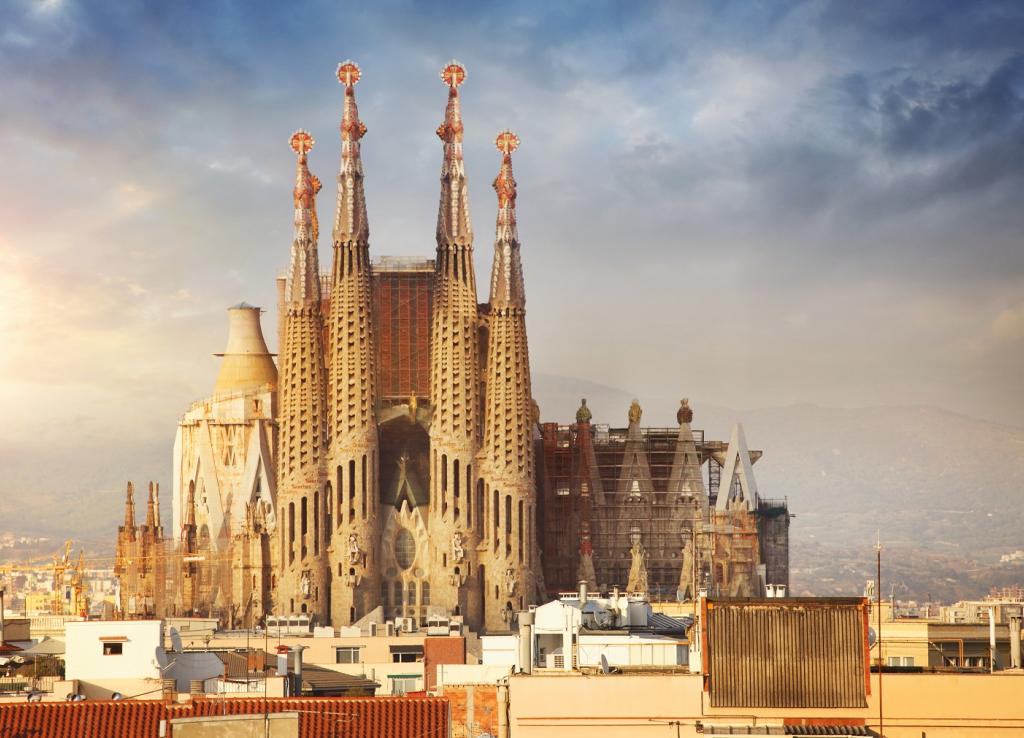
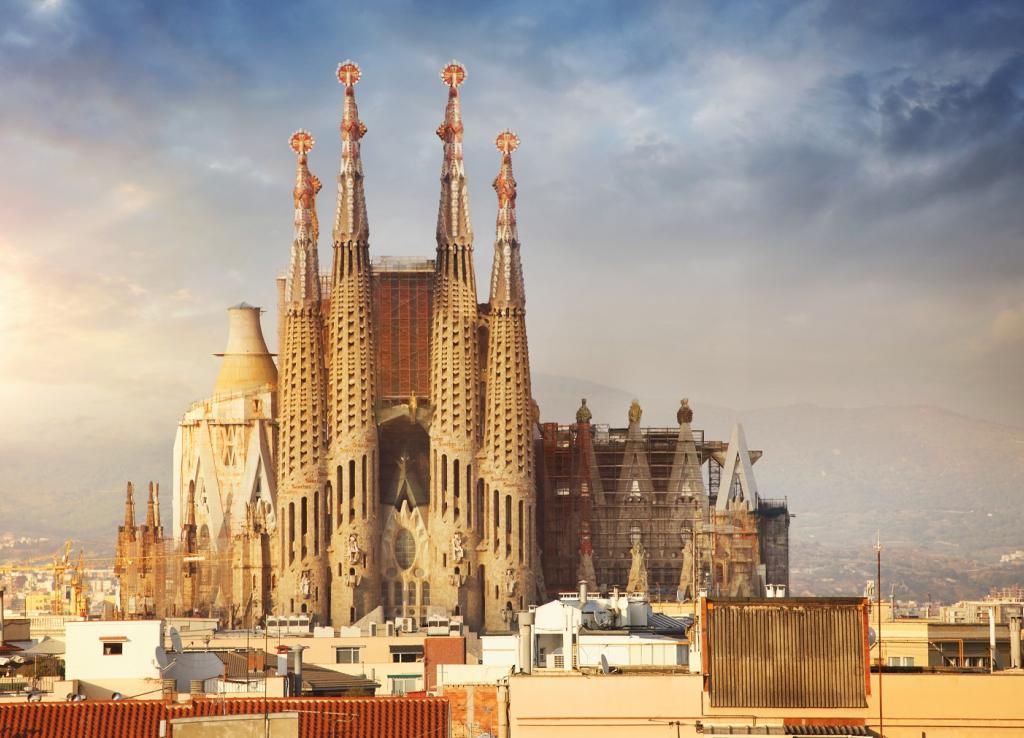
La Sagrada Família operates on timed-entry tickets that sell out weeks in advance during peak summer months. Walk-up entry is rarely available between June and September. Anyone planning to visit should check availability before the cruise departs — last-minute tickets during busy periods are unlikely to materialise. The building's exterior is striking from the street, but the interior is where Gaudí's design reveals its full architectural complexity.
El Call is Barcelona's medieval Jewish quarter, one of the most significant in the Iberian Peninsula. Jewish communities lived here from at least the 11th century, developing a distinct intellectual and cultural life before being expelled in 1401 — decades before the wider Spanish expulsion of 1492. The physical fabric of the neighbourhood survives almost intact: narrow lanes, small courtyards, and fragments of a medieval synagogue that was converted to other uses after the community was dispersed.
Montserrat is one of the most rewarding excursions available from Barcelona but requires realistic time management. The journey by road takes around 45–60 minutes each way; once on the mountain, two to four hours allows visits to the monastery, the Black Madonna, and basic walking paths. A full round trip with meaningful time on the mountain takes most of a port call day. Guests with only a few hours ashore are better served exploring Barcelona's city centre.
Dedicated flamenco venues in Barcelona offer daytime and early afternoon performances catering specifically to visitors whose evenings are spent aboard ship. Matinée shows typically run from approximately midday to 3pm depending on the venue, with ticket availability varying by season. The performances are professional productions in intimate theatres; quality and atmosphere differ meaningfully from tourist-aimed shows found in some other Spanish cities.
Wine bars in Barcelona's El Born and Eixample neighbourhoods stock regional Catalan labels — cava, Penedès whites, and Priorat reds — rarely seen on export lists. For those wanting to see vineyards and visit bodegas in person, a Penedès day trip covers around 60 kilometres of countryside and includes visits to working estates with tastings. The region is the origin of Catalan cava and produces wines that are substantially different in character from the better-known Rioja and Ribera del Duero styles.
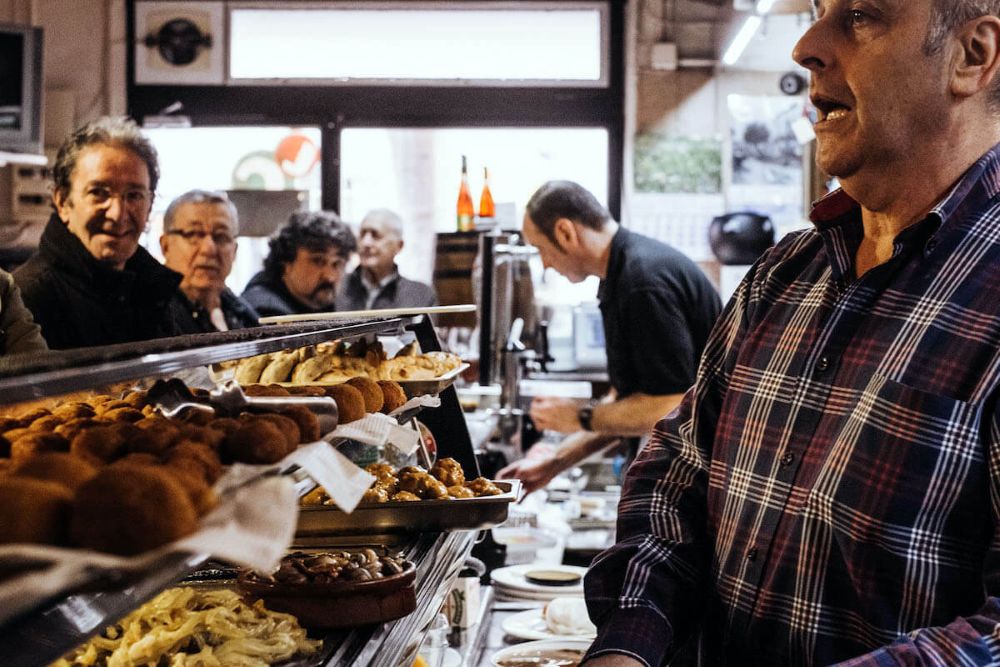
Barcelona's tapas bars operate on an informal system. Most bars display food at the counter; diners indicate what they want rather than ordering from a formal menu. Prices appear on chalkboards or small signs. Service at busy bars is generally brisk rather than attentive. The culture around eating is relaxed — lingering over drinks between plates is entirely normal. Rushing through a meal is something locals find slightly puzzling.
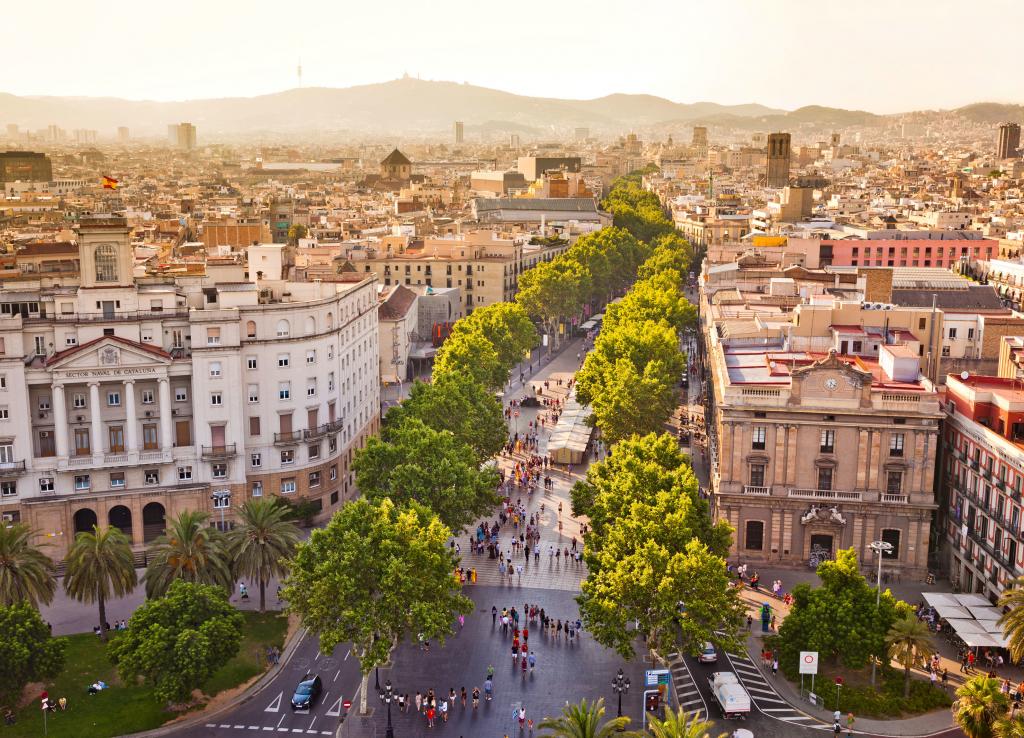
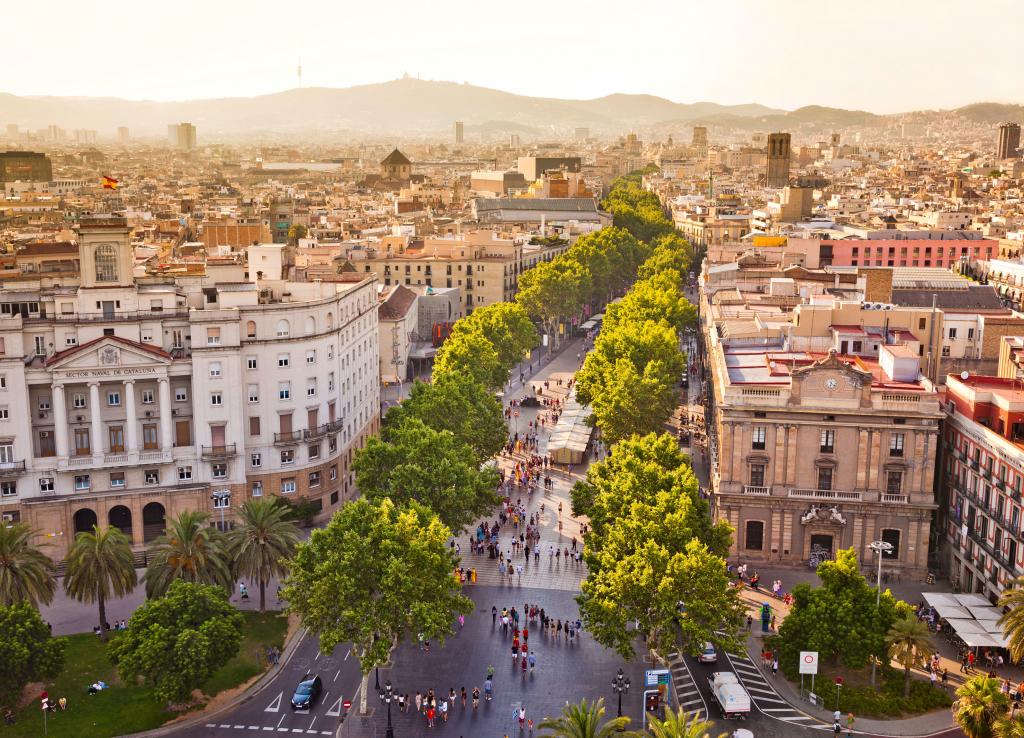
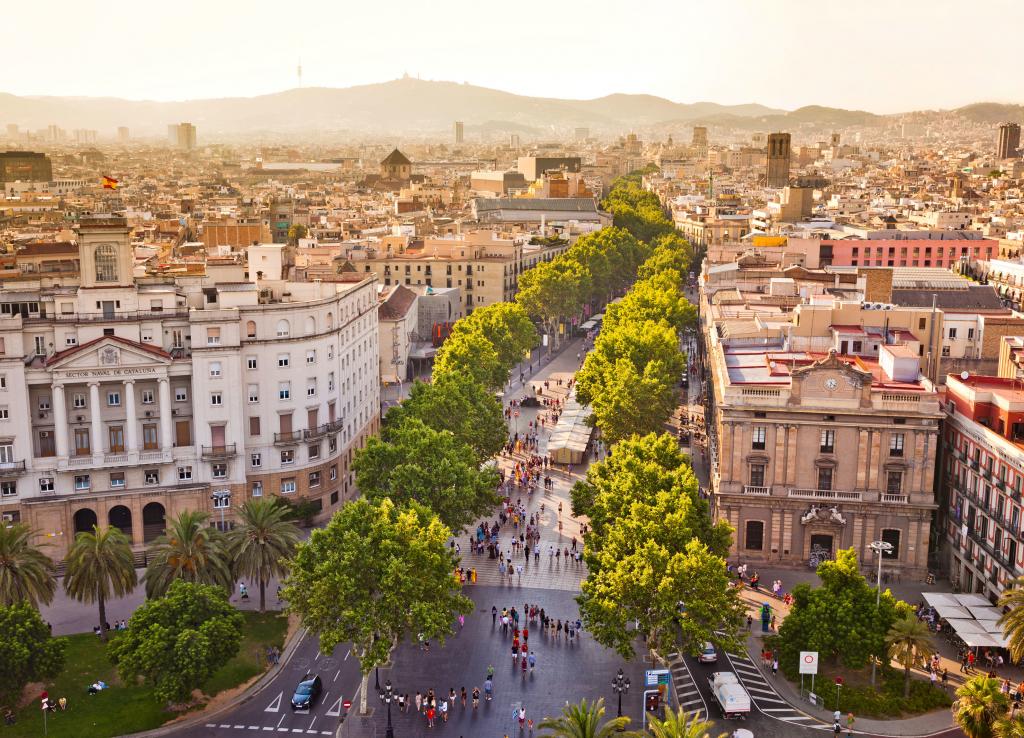
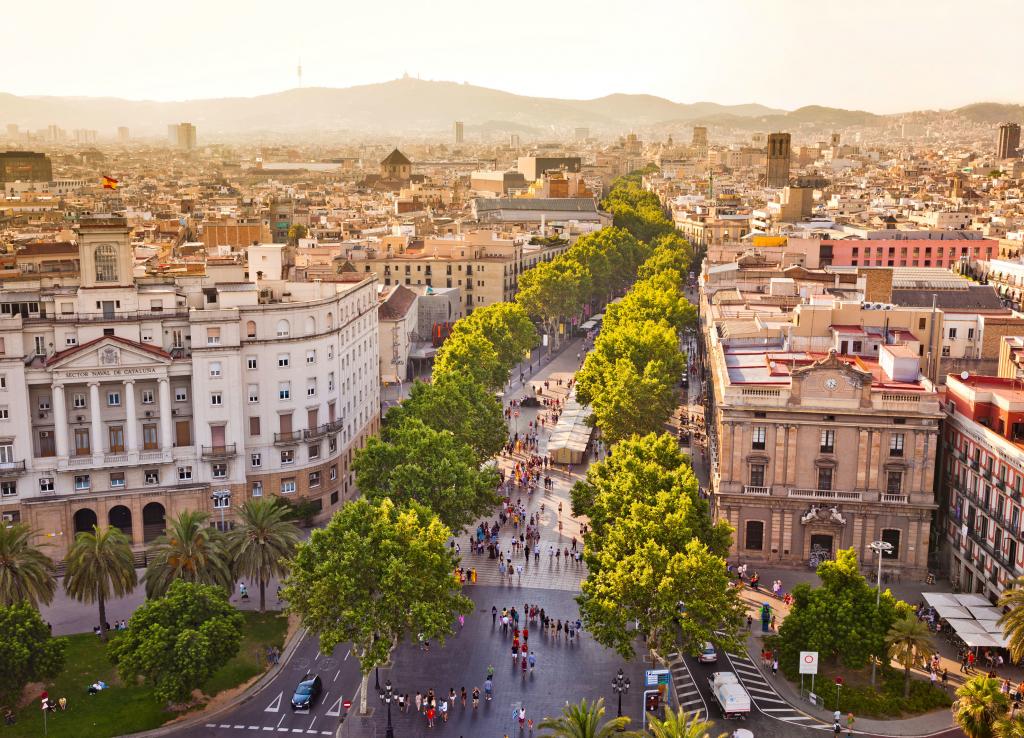
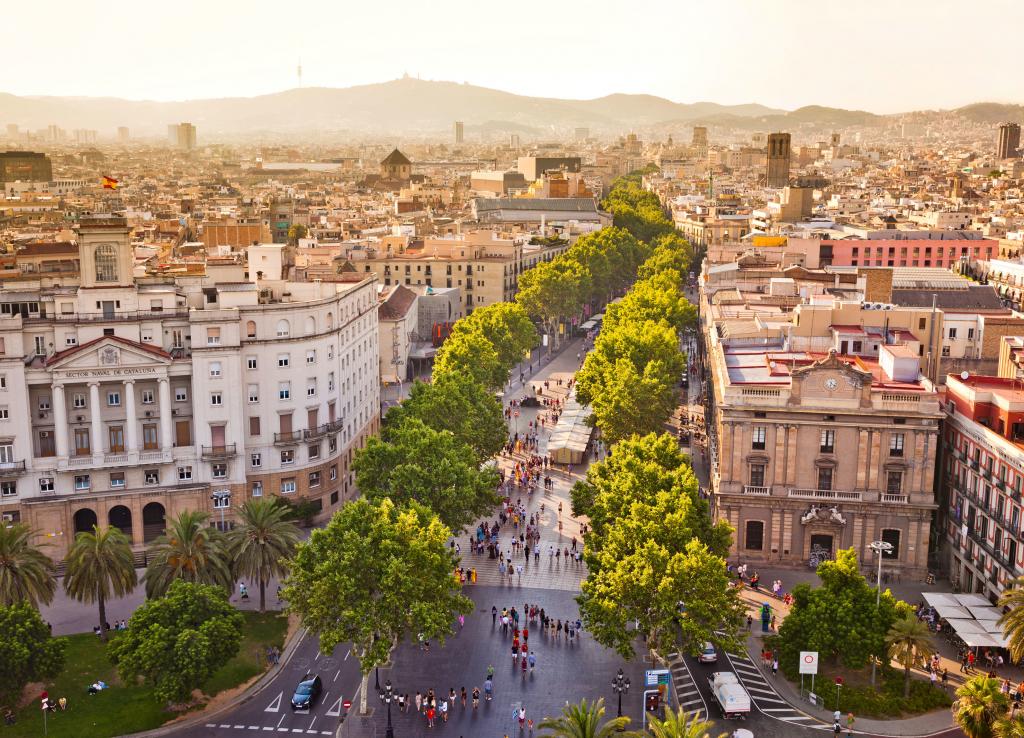
Las Ramblas is safe to walk during daylight hours and is one of Barcelona's most famous streets with good reason — wide, tree-lined, and connecting the city centre to the waterfront. It is also one of the city's highest-traffic tourist areas and attracts pickpockets working the crowds. Keeping bags in front, remaining aware of distraction techniques, and avoiding displaying valuable items reduces risk significantly. The Gothic Quarter and El Raval, immediately east and west, are similarly navigable with normal urban awareness.
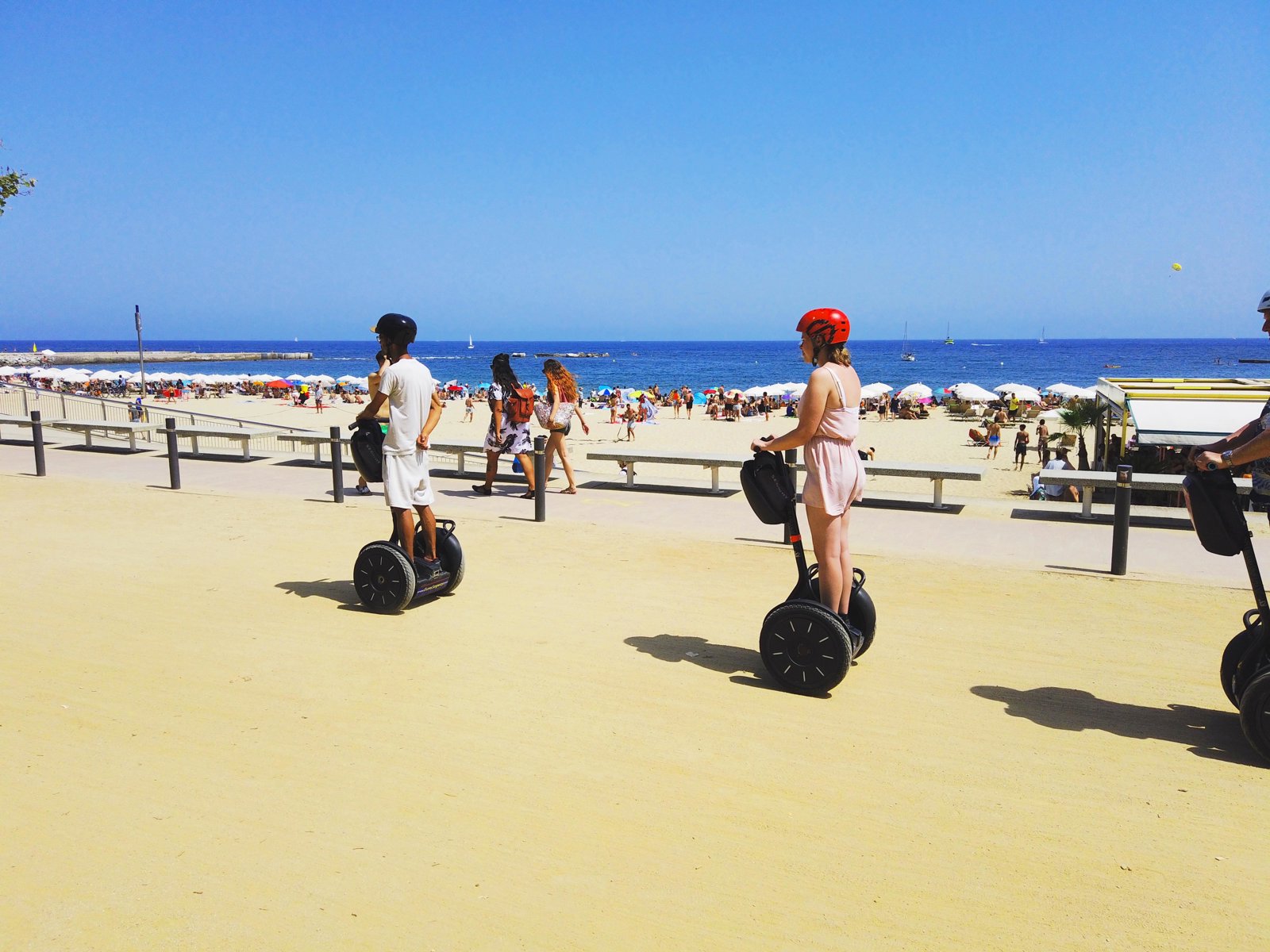
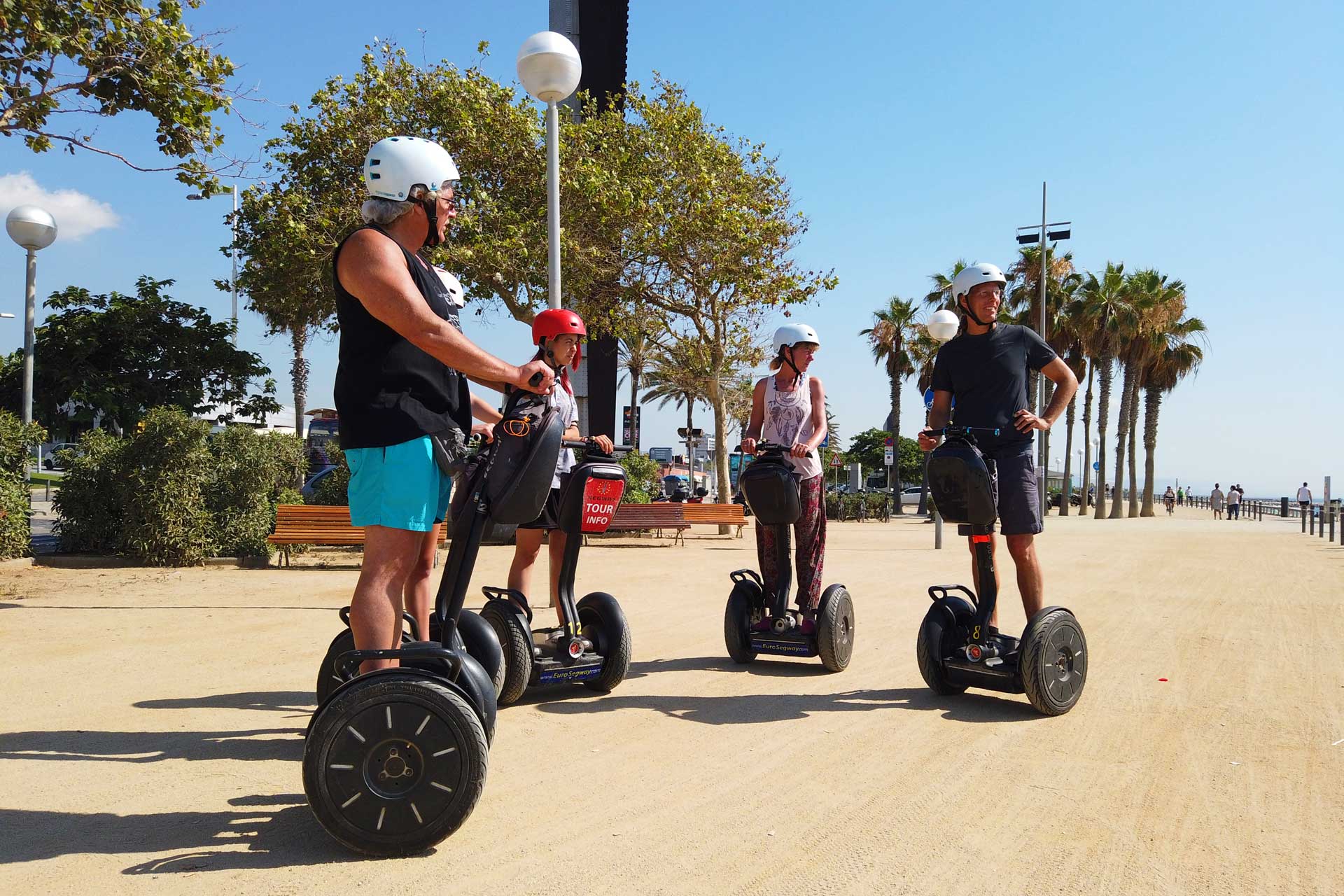
Segway tours in Barcelona run through the city's principal neighbourhoods on dedicated routes that avoid pedestrianised areas and heavy traffic. The format covers more ground than walking while moving slowly enough to take in architectural details. Routes typically include the waterfront, Barceloneta beach, and sections of the Eixample grid. A brief familiarisation period precedes every tour; most participants find the learning curve manageable within minutes, and no prior experience is required.
Filters
Select a filter to refine results.
Tour Type
Tour Activity
 Cart
Cart
 USD
USD GBP
GBP AUD
AUD EUR
EUR CAD
CAD