



Tours in Funchal (Madeira)


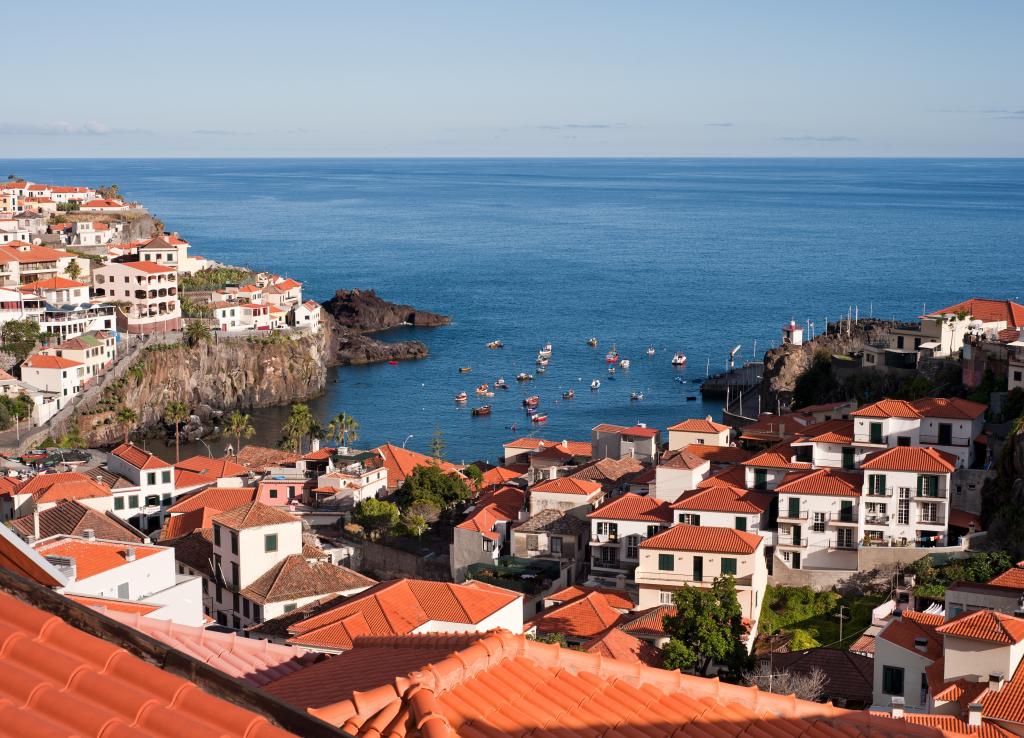
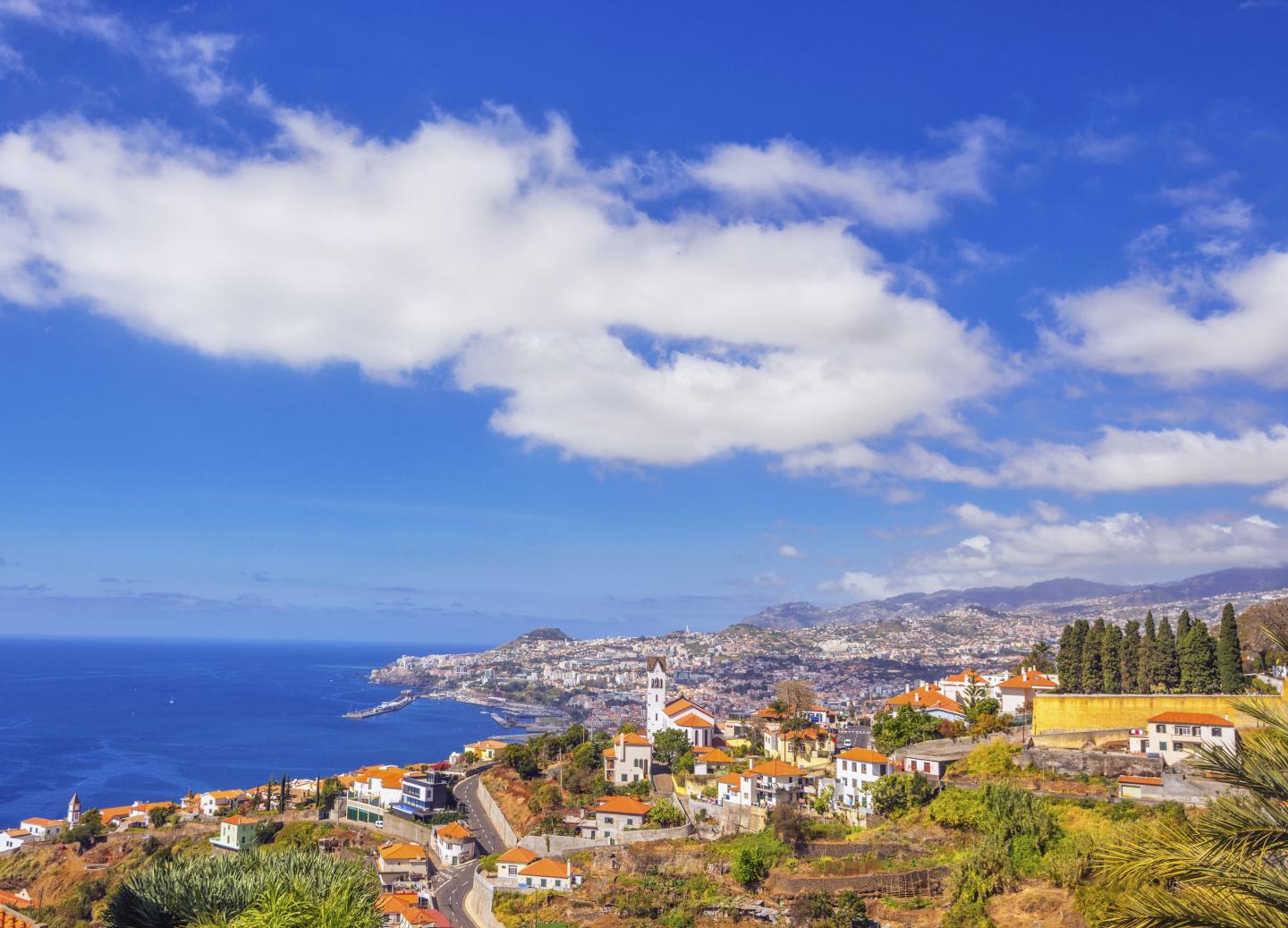
Cruising to Funchal (Madeira) in a group?
Skip the crowded ship excursion bus. One dedicated planner will design a private shore experience around exactly what your group wants — coordinated from first enquiry to the moment you're back on board. More memorable, more flexible, and more affordable than you might expect. Spend less time organising, more time enjoying.
Explore Group Travel →Cruising to Funchal (Madeira)
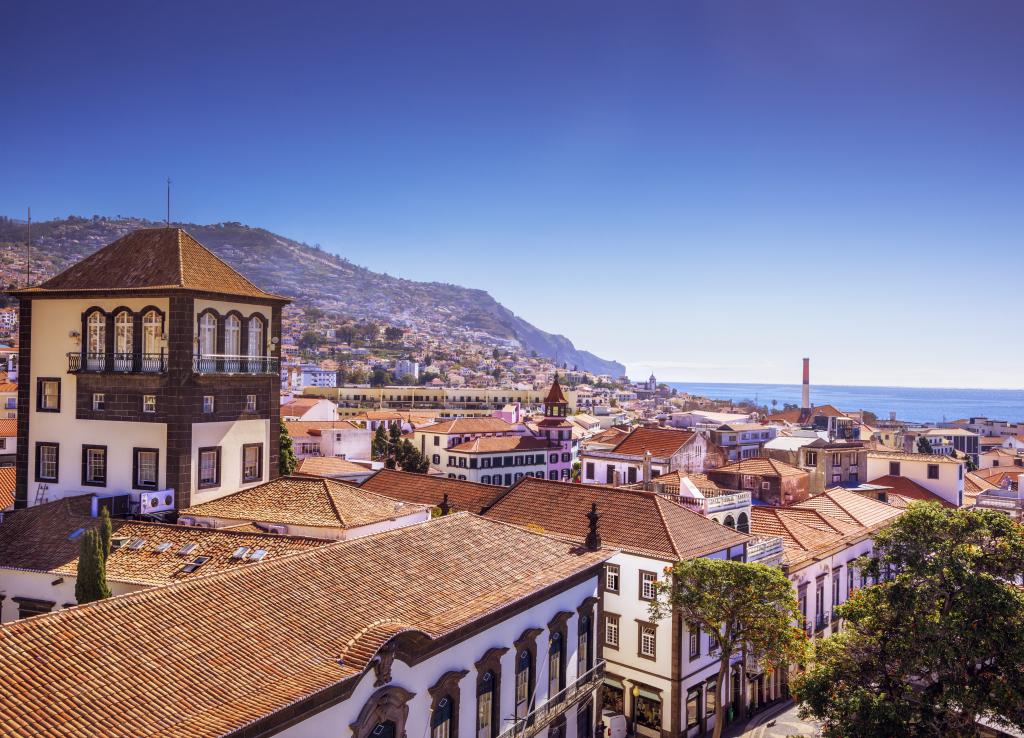
Funchal sits in a wide natural amphitheatre on Madeira's southern coast, its terracotta rooftops climbing from the harbour toward forested ridges that vanish into cloud. The island's volcanic origins are everywhere — in the black basalt cobblestones of the old town, in the steaming crater landscapes of the interior, and in the natural rock pools carved by lava at Porto Moniz on the northwest coast. Despite being a Portuguese territory more than 1,000 kilometres from the mainland, Madeira has developed a distinct identity: warm, unhurried, and shaped by centuries of wine trade, Atlantic seafaring, and subtropical horticulture.
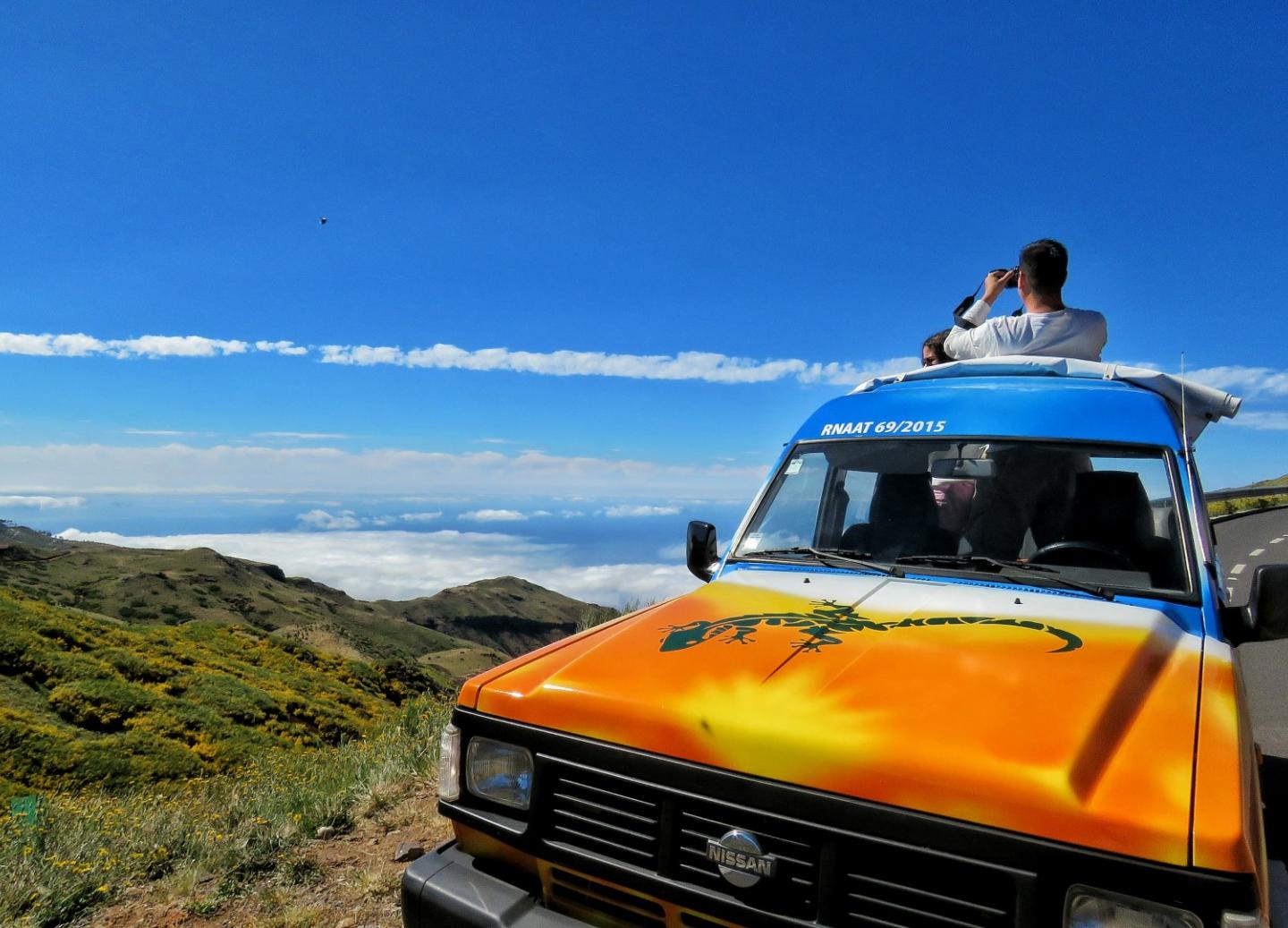
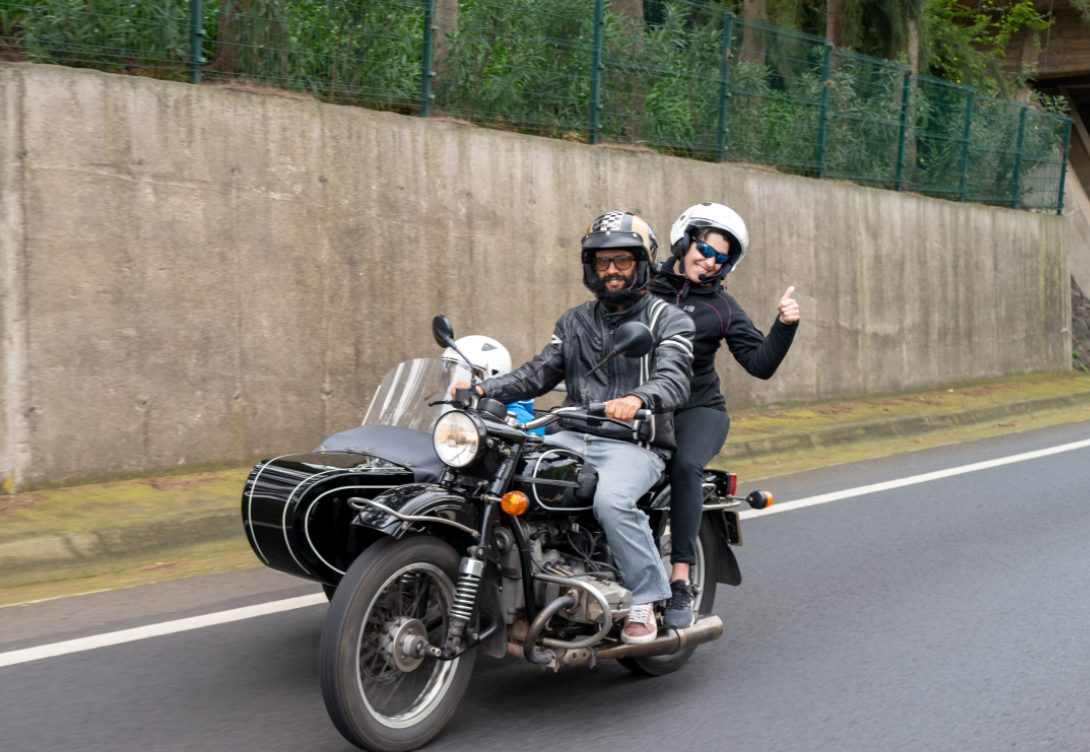
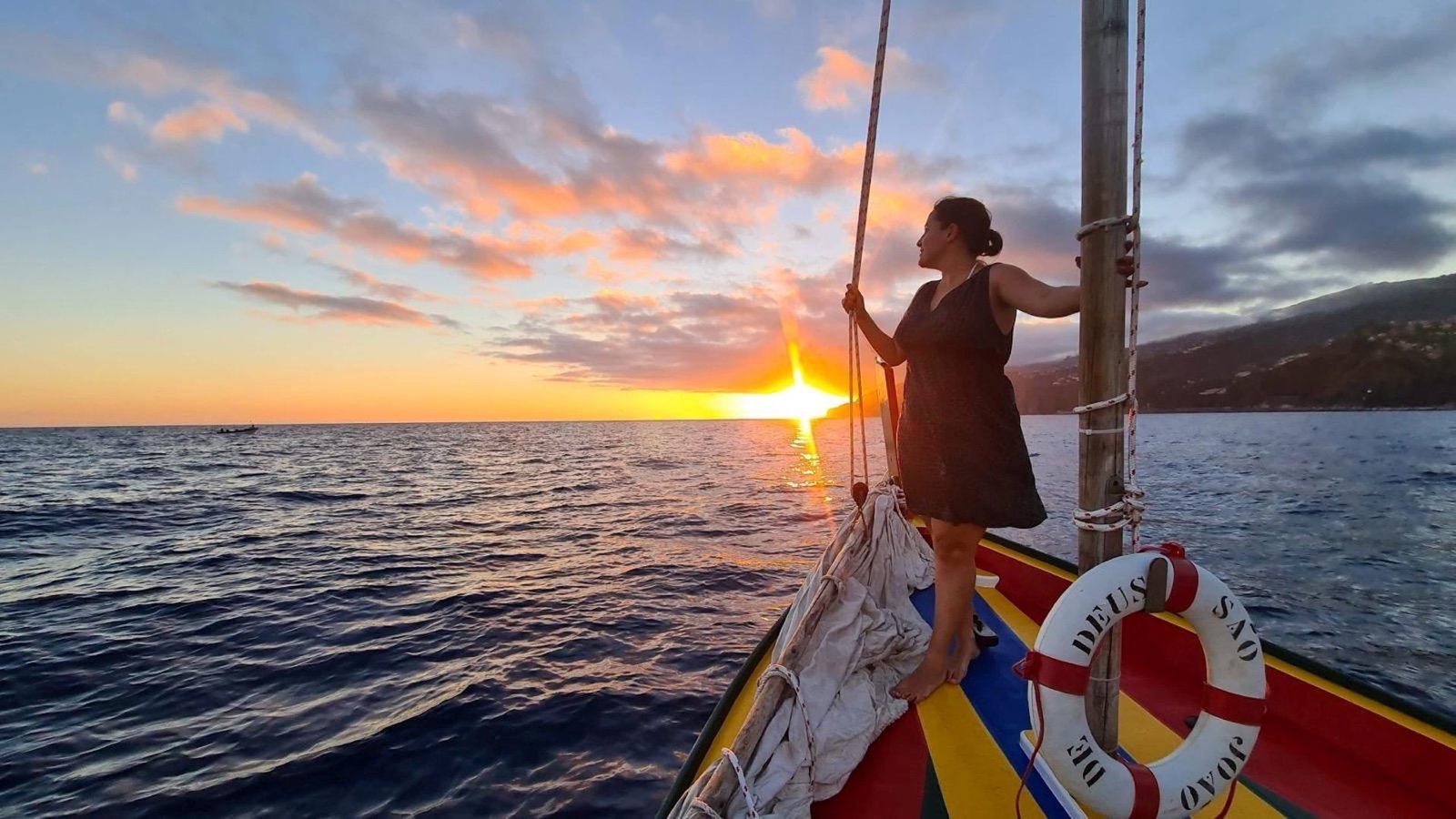
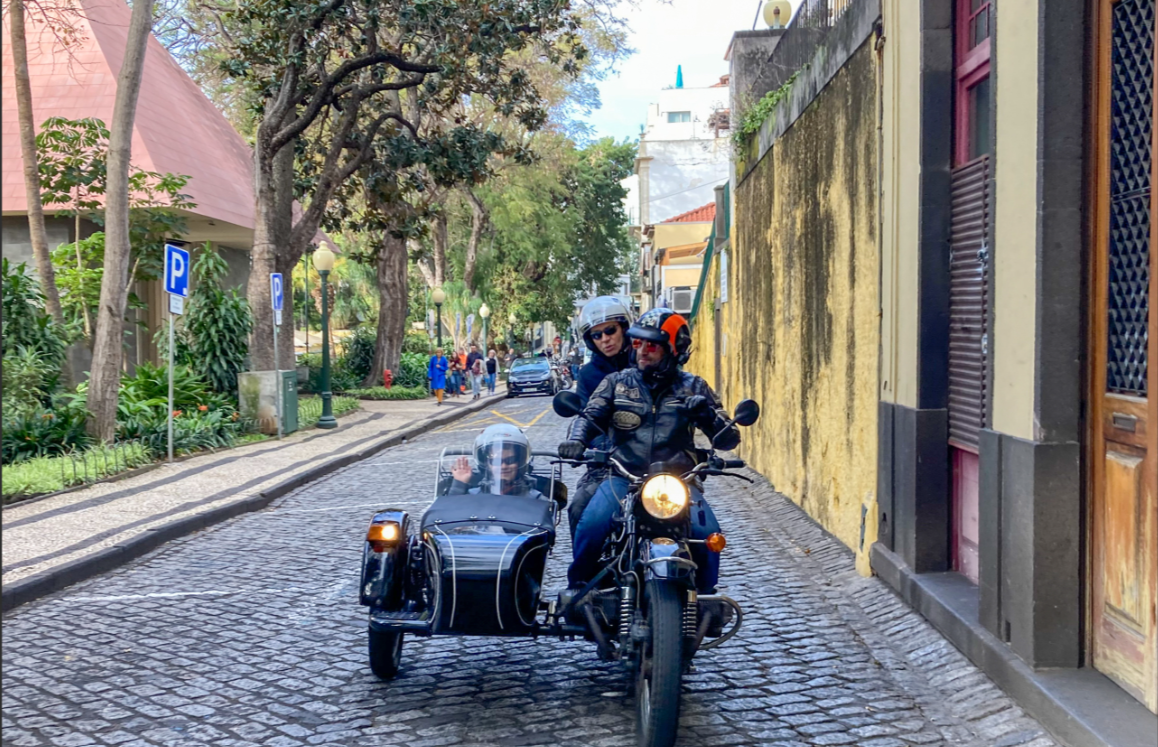
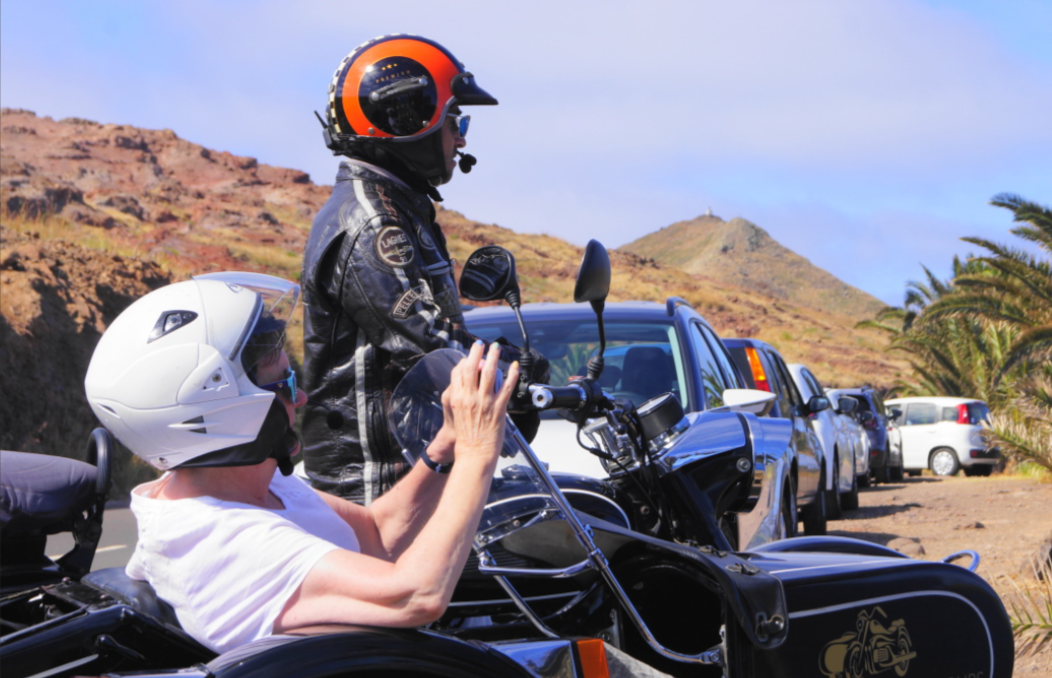
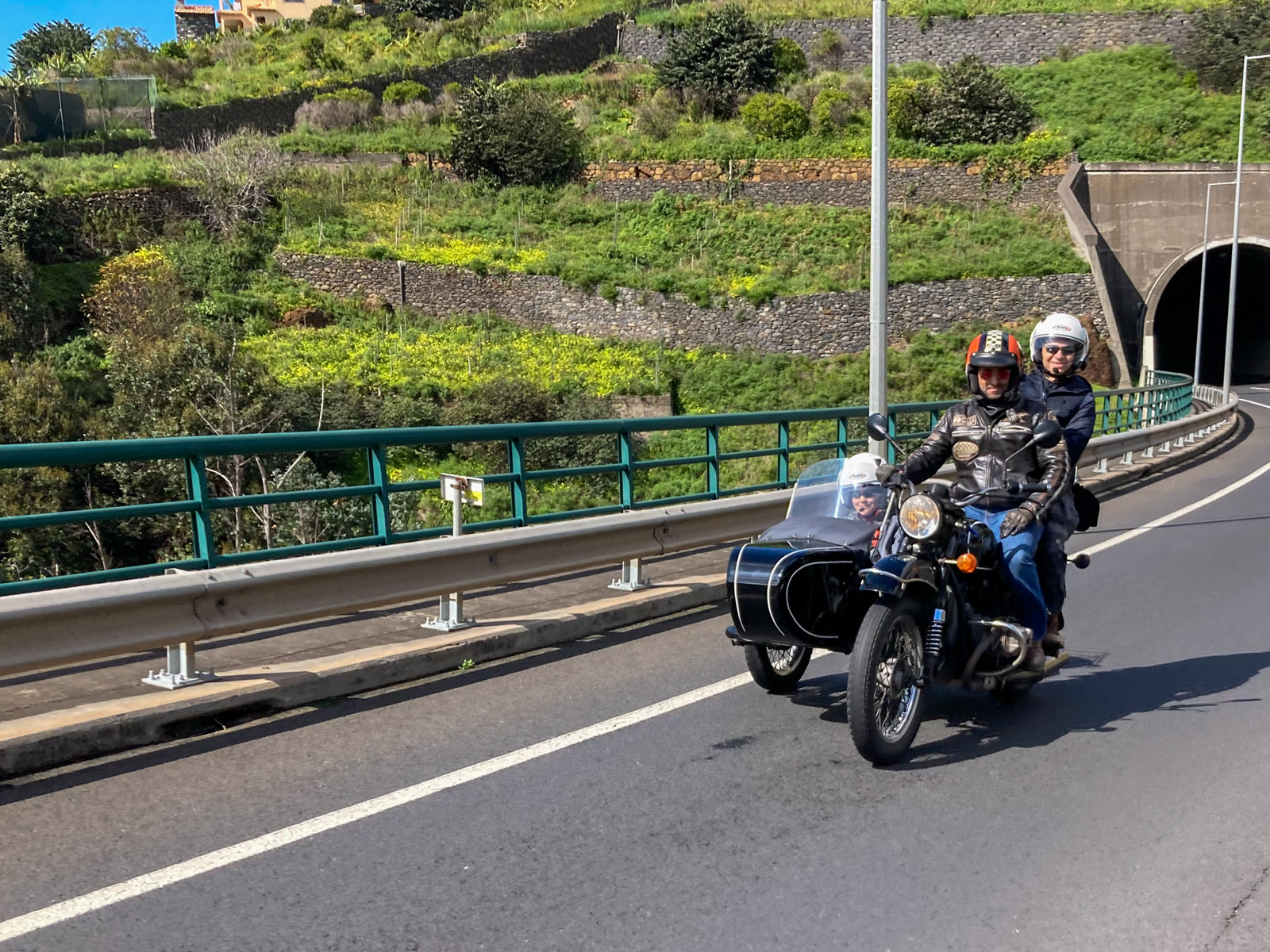
For cruise visitors, the island offers an unusual range of terrain within a compact area. The city itself rewards wandering — the painted-door murals of the Zona Velha (Old Town), the extraordinary produce market, the seafront promenade, and the hillside neighbourhood of Monte are all accessible within the port day. Venture further and the island opens into high mountain passes, ancient laurisilva forest recognised as a UNESCO World Heritage Site, and the exhilarating glass-floored platform at Cabo Girao, one of Europe's highest sea cliffs. Whether the draw is scenery, gastronomy, vintage sidecars, or a sunset on the Atlantic, Funchal is a port day that tends to exceed expectations.
Top things to do in Funchal (Madeira) on a cruise stopover
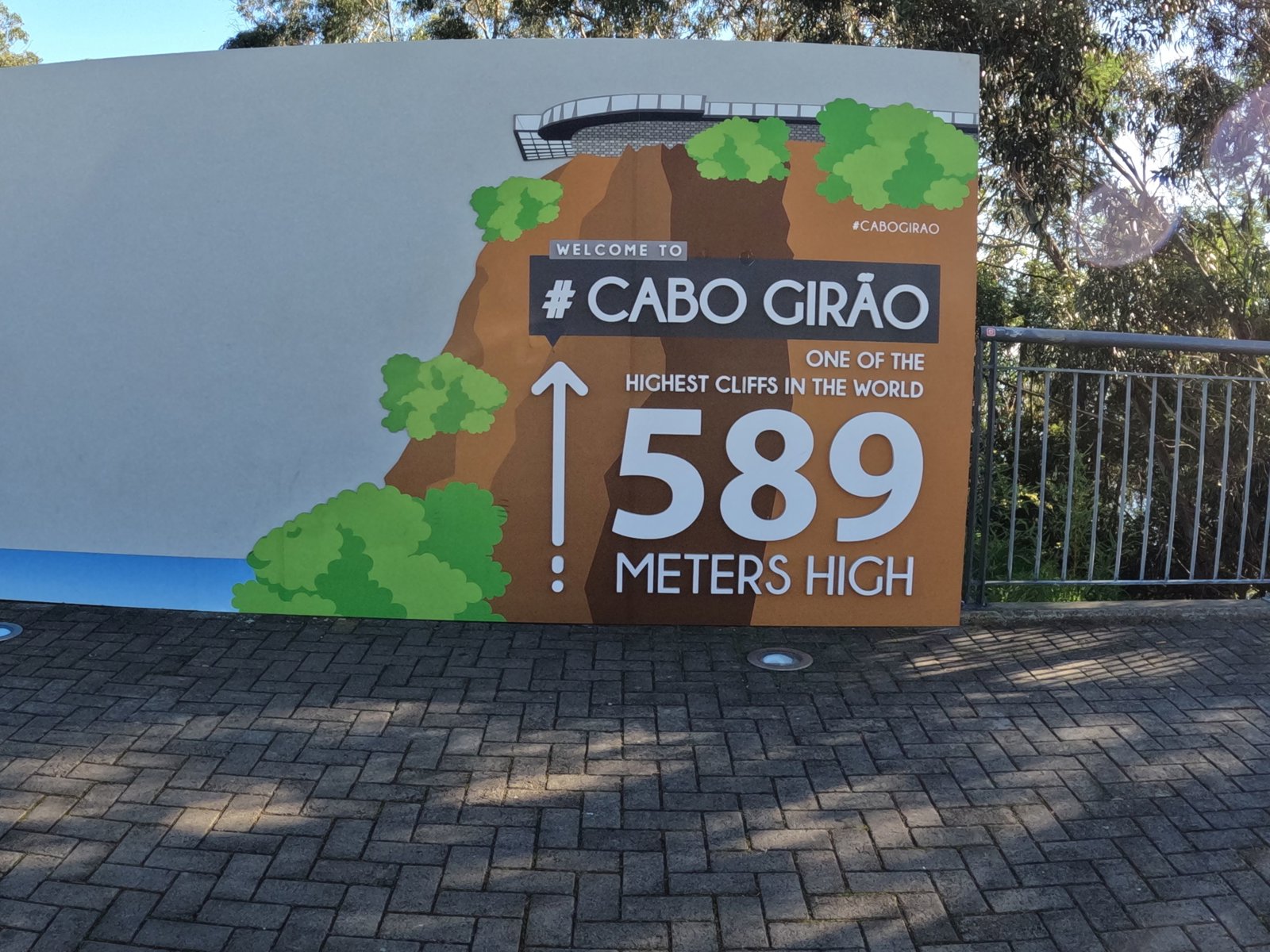
Cabo Girao Skywalk: Europe's Highest Glass-Floored Cliff Platform
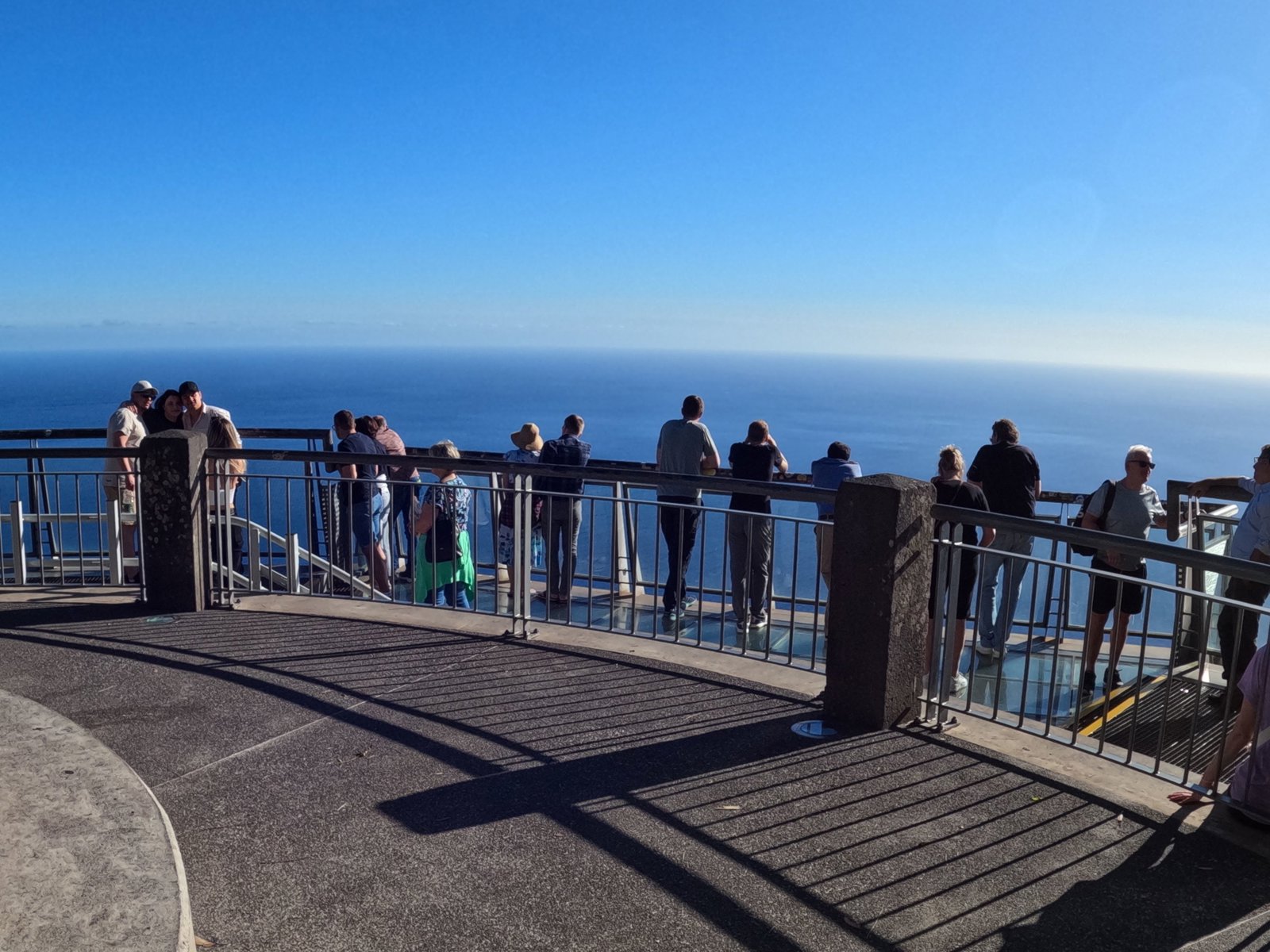
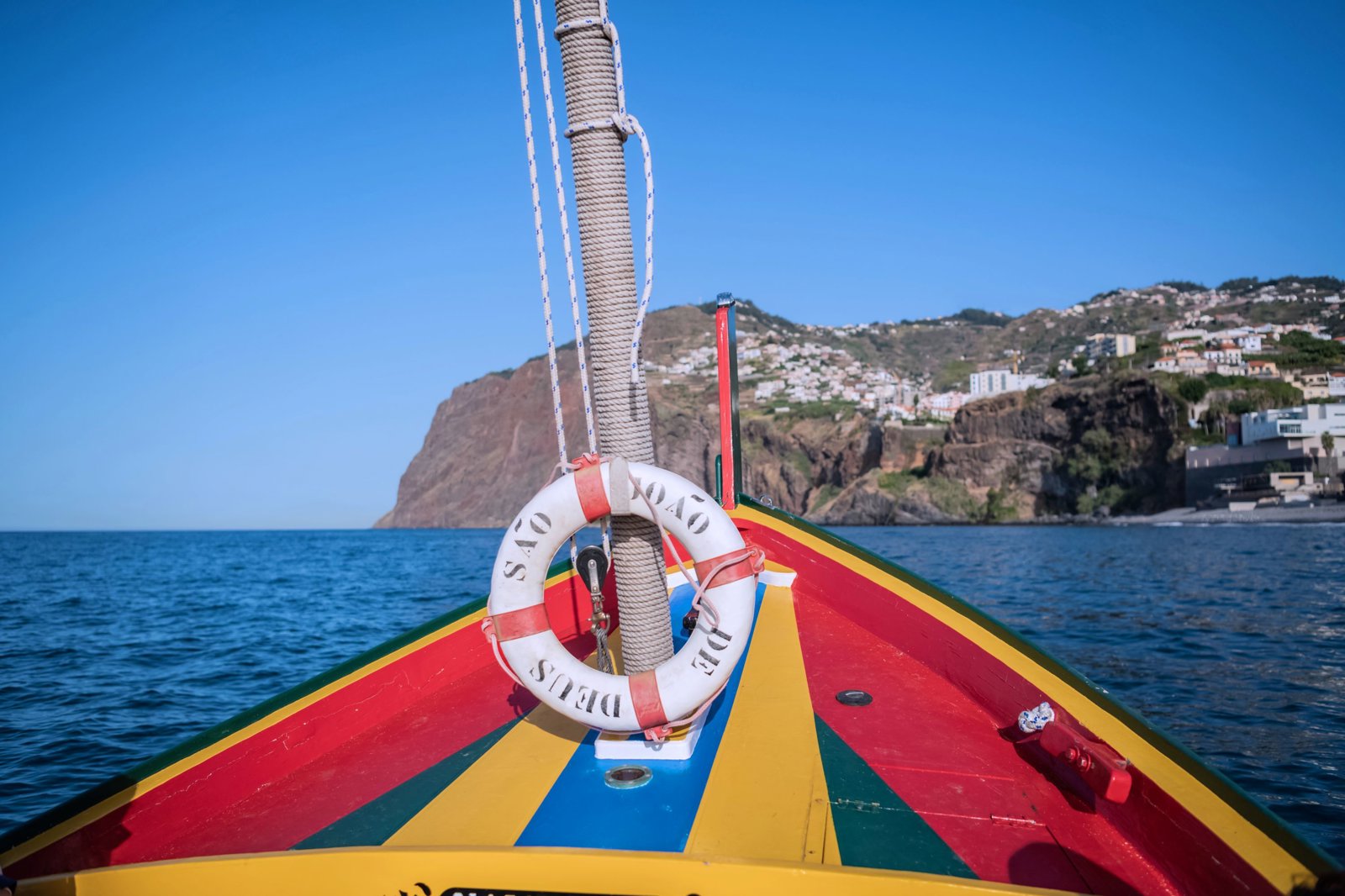
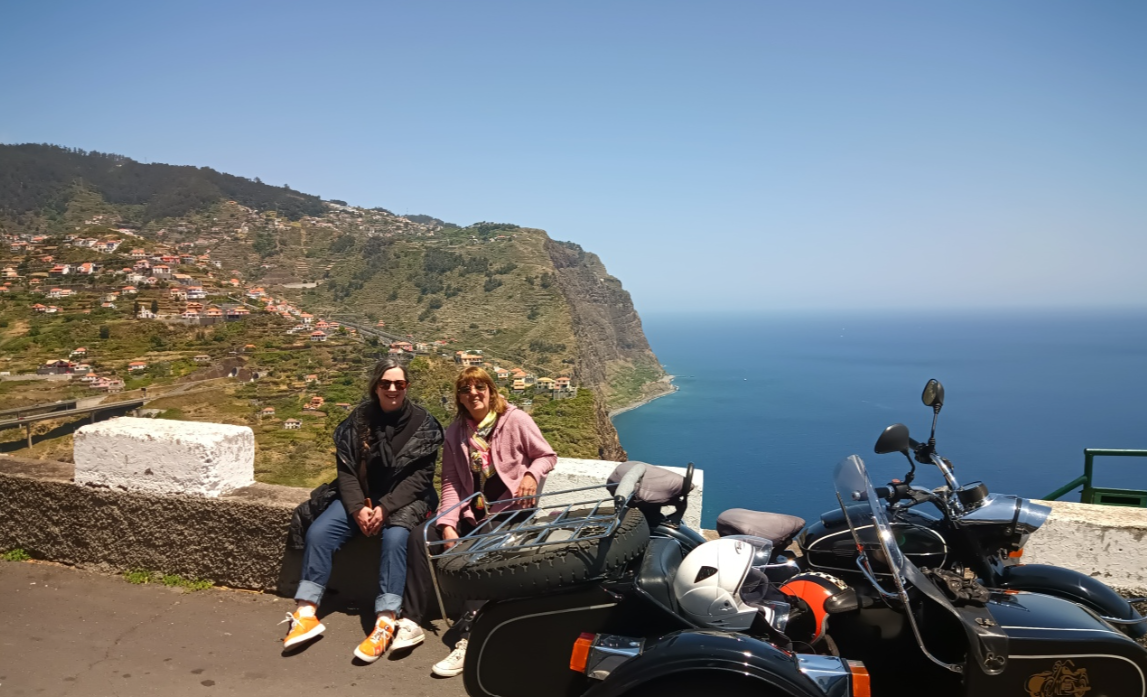
Standing 580 metres above the Atlantic on a transparent glass platform, Cabo Girao is one of the most dramatic viewpoints in all of Europe. The cliff drops almost vertically to terraced farmland far below — a landscape that farmers still work by hand, lowered down by basket-lifts. The Skywalk extends out over the void, offering a perspective that is equal parts thrilling and humbling. On clear days, the view stretches west along Madeira's southern coastline with the ocean glittering beyond. The site includes a café and viewing area, and the sheer scale of the cliff face becomes apparent only once you're standing at the edge. This highlight connects to the island's geology — the entire coastline was formed by volcanic eruptions, and Cabo Girao represents one of the most exposed and ancient sections of that volcanic architecture.
Curral das Freiras: Nun's Valley Hidden in a Volcanic Crater
Curral das Freiras — literally 'Enclosure of the Nuns' — sits at the bottom of a dramatic natural caldera ringed by jagged peaks that rise to nearly 1,800 metres. The village was established by nuns fleeing pirate raids in the 16th century, and it remained so isolated that it had no road connection to the outside world until the 1950s. Today, the approach winds through tunnels blasted through the mountain rock, emerging to reveal one of the most extraordinary village settings in the Atlantic. The valley floor is planted with chestnut trees, and local specialities — chestnut soup, chestnut liqueur, chestnut bread — are sold at small market stalls in the square. The viewpoint above the village at Eira do Serrado offers an aerial perspective of the entire caldera that photographers and travellers consistently describe as one of Madeira's finest vistas.
Porto Moniz Volcanic Rock Pools: Swimming in Natural Lava Basins
At the far northwest tip of Madeira, ancient lava flows cooled into a series of irregular basins at sea level — and those basins, filled by the Atlantic and warmed by the Madeiran sun, have become one of the island's most celebrated swimming destinations. Porto Moniz's natural pools are partly enclosed by volcanic rock walls, creating sheltered areas where the water is calm and clear even when the open sea beyond is choppy. The pools are managed and have changing facilities, and the surrounding village offers restaurants serving freshly grilled fish with views across the water. The drive from Funchal crosses the island's dramatic northern coastline, passing through tunnels, levada channels, and viewpoints that are destinations in themselves. The volcanic landscape at Porto Moniz also includes an aquarium and geological interpretation centre for those who want context beyond the swim.
Monte Cable Car and Toboggan Ride: Funchal's Iconic Hillside Journey
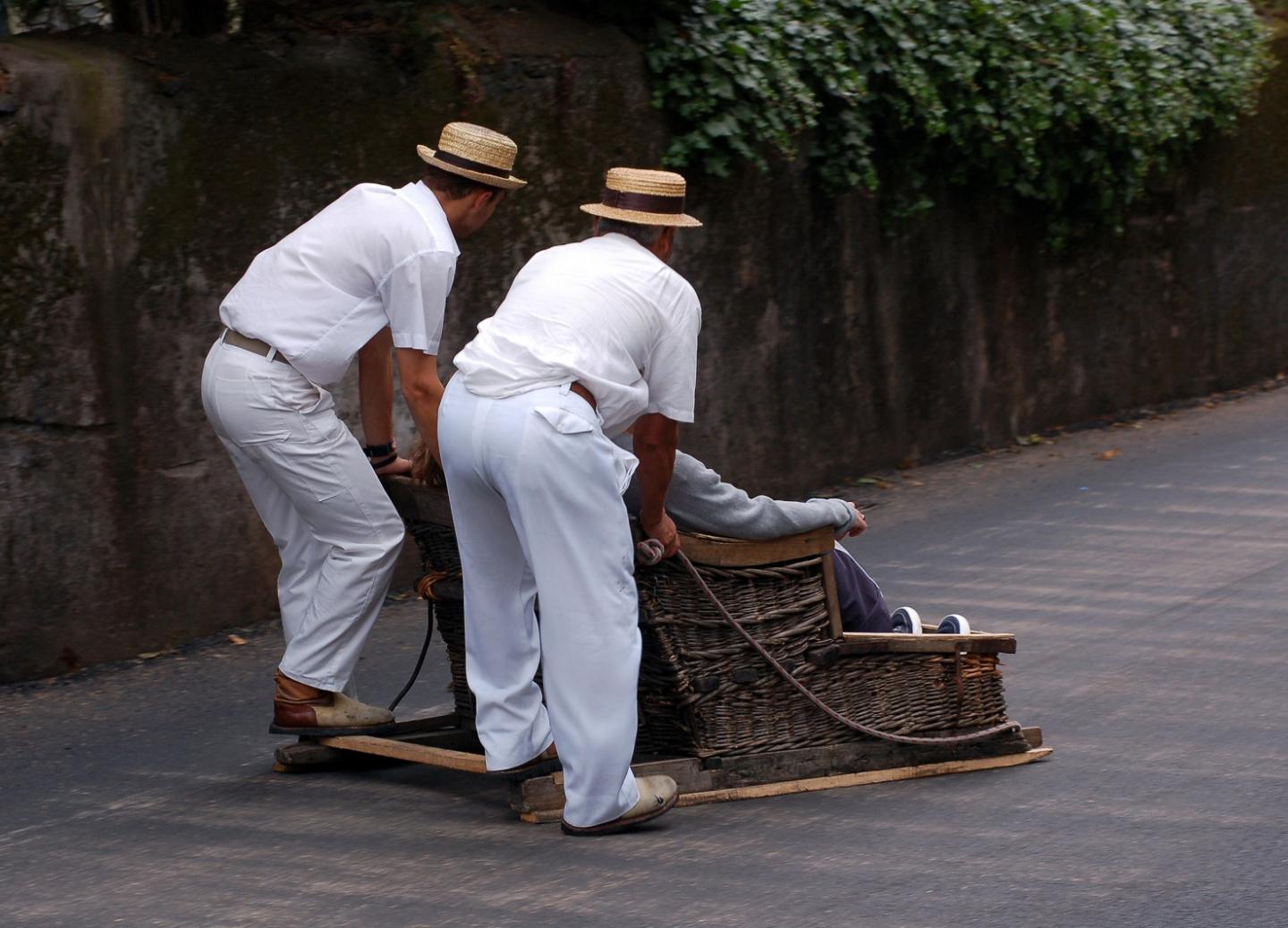
The cable car from Funchal's seafront to the hilltop neighbourhood of Monte is a 15-minute ride that climbs over flower-filled quintas, terracotta rooftops, and forested ravines to an elevation of around 560 metres. Monte itself is a refined retreat — cool, leafy, and home to the Church of Nossa Senhora do Monte (where Emperor Karl I of Austria-Hungary is buried) and beautifully maintained Monte Palace Tropical Garden. The descent by toboggan is entirely unlike any other city transport in Europe: two men in traditional white linen suits navigate a two-person wicker basket sled down steep cobbled streets, guiding with their feet and controlling speed with rubber-soled boots. The ride covers about two kilometres and takes ten to fifteen minutes — an experience rooted in 19th-century tradition that remains genuinely thrilling on the way down.
Craters of Fire: Volcanic Landscapes of the Island Interior
Madeira's volcanic origins are most dramatically displayed in the high interior, where ancient calderas, lava tubes, and crater formations create a landscape unlike anything else in the North Atlantic. The island sits on a hotspot that pushed a massive volcanic shield above sea level millions of years ago, and the subsequent collapse of eruption chambers formed the dramatic caldera valleys visible throughout the centre and northwest. Excursions to volcanic sites cross the island's highest peaks — the Pico do Arieiro (1,818 m) and Pico Ruivo (1,862 m) — where cloud formations roll through rocky ridgelines at eye level. The contrast between the lush, green, flower-filled southern coast and the raw, barren volcanic rock of the mountain tops captures the geological violence that created the island and continues to define its dramatic character.
Madeira Wine, Rum, and Island Flavours: A Tasting Journey
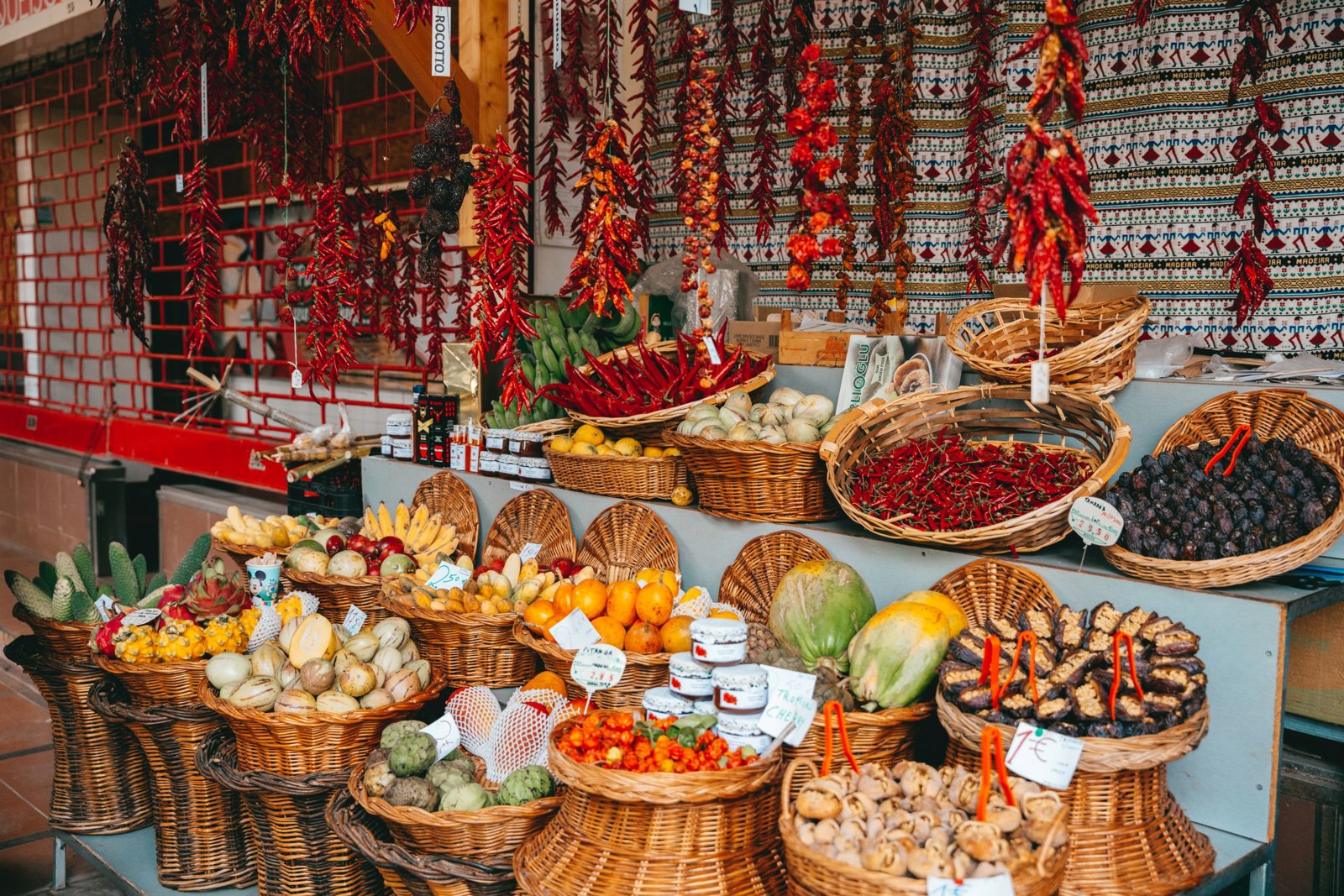
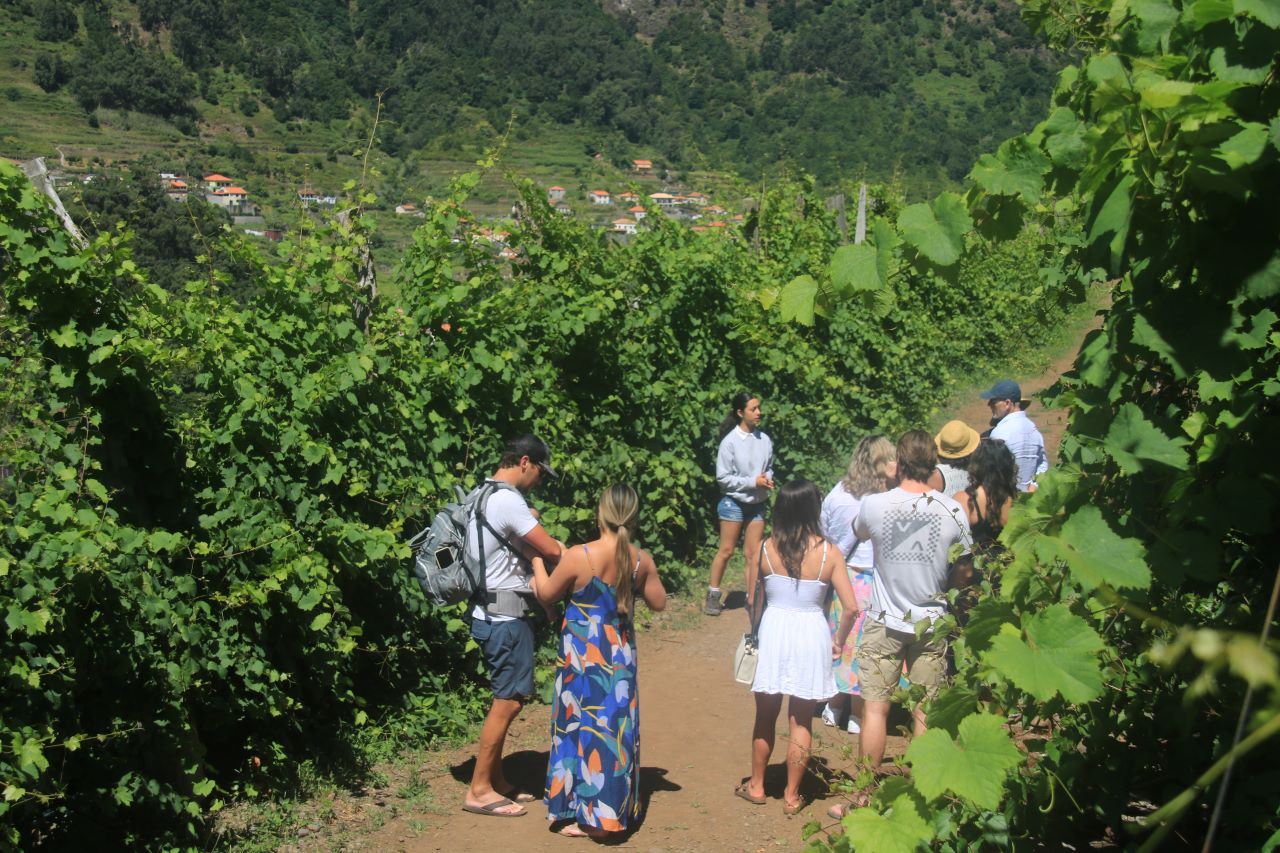
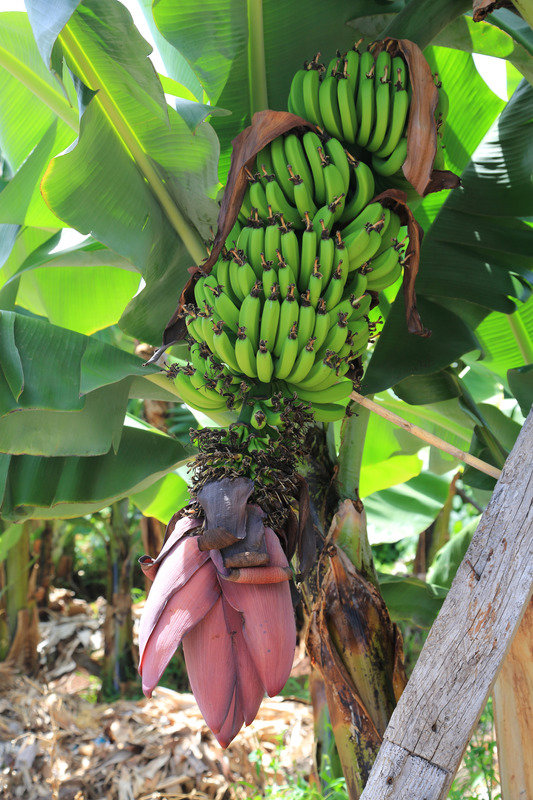
Madeira wine is one of the world's great fortified wines — aged in a unique process that uses controlled heating to develop extraordinary complexity and longevity. Bottles from the 19th century are still considered drinkable, and the island's wine lodges offer structured tastings that trace the wine's history from its accidental discovery (barrels left on ships crossing the tropics emerged transformed) to the present day. The island also produces aguardente, the sugarcane spirit that forms the basis of poncha, mixed tableside with lemon, honey, and orange. Food tours visit the covered market to taste passionfruit, custard apples, baby bananas, and local cheeses before moving to fishmongers displaying the deep-sea espada (scabbardfish) that appears on almost every Madeiran restaurant menu. The banana museum and rum factory visits round out an experience that connects island agriculture to Atlantic trade history.
Funchal (Madeira) travel tips
Dress in Layers for Madeira's Microclimate. Madeira's terrain creates striking microclimates across short distances. The southern coast and Funchal city can be warm and sunny while the mountain interior is cool, misty, and occasionally cold — sometimes simultaneously. A light waterproof jacket is worthwhile even on a sunny day, particularly if any excursion reaches altitude. The north coast tends to be cloudier and cooler than the south. Comfortable walking shoes with grip are useful for cobblestone streets in Funchal and for any levada or coastal path walking.
Visit the Mercado dos Lavradores Early. Funchal's covered market — the Mercado dos Lavradores — is one of the most atmospheric markets in the Atlantic islands. The lower level is a working fish market where espada (scabbardfish) and tuna are displayed in traditional style; the upper levels hold fruit, flowers, and local produce. Arrive before 11am for the best atmosphere and full stalls. Vendors may invite aggressive tastings — it's perfectly acceptable to taste and move on without purchasing. The flower sellers in traditional Madeiran costumes are most visible on weekday mornings.
Explore the Zona Velha Painted Doors. The Zona Velha (Old Town) neighbourhood east of the port was once a modest fishing district and has since become a canvas for an ongoing street art project. Nearly every door in the area has been painted by a different artist, creating an open-air gallery that changes over time. The area is compact and easy to walk, with good restaurant options opening from lunchtime. The Black Basalt Promenade running along the seafront connects the old town to the port and makes for a pleasant early morning or late afternoon stroll.
Know Your Madeira Wine Styles Before Tasting. Madeira wine comes in four main styles, ranging from dry to sweet: Sercial (driest, good as aperitif), Verdelho (medium-dry), Bual (medium-rich), and Malmsey (sweet, often served with dessert). Age categories — Finest, Reserve, Special Reserve, Extra Reserve, and vintage — indicate how long the wine has been aged. Wine lodge visits in Funchal include free or low-cost tastings, and guides can help navigate the range. Purchasing a bottle for home is practical — Madeira wine has near-indefinite shelf life once opened.
Allow Realistic Journey Times for Mountain Roads. Maps can be misleading in Madeira. Porto Moniz on the northwest coast is only about 45 kilometres from Funchal, but the drive — whether via the north coast road or through the mountain tunnels — typically takes 1 hour 15 minutes to 1 hour 30 minutes each way. The roads are well-maintained but involve tight hairpin bends, tunnels, and mountain passes. Cabo Girao is closer — around 20 minutes from Funchal — and Nun's Valley (Curral das Freiras) is about 30–40 minutes. Build in extra time at each destination and always factor in the return journey before your ship's all-aboard time.
Try Bolo do Caco at a Local Bakery or Market Stall. Bolo do caco — a flat round bread made from sweet potato and wheat flour, cooked on a basalt griddle — is Madeira's most distinctive everyday food. It's commonly served split and spread with garlic and herb butter as a side dish or snack, and the best versions are eaten warm, straight from the griddle. Found at market stalls, local bakeries, and virtually every traditional restaurant on the island, it costs very little and gives a genuine taste of everyday Madeiran food culture. Many visitors rate it as an unexpected highlight of the entire stop.
Port Facts Every Cruiser Needs To Know
Funchal (Madeira) shore excursion FAQs
The cruise terminal at the Port of Funchal sits directly on the city's seafront, making it one of the more convenient ports in the Atlantic. The Zona Velha (Old Town) is a short walk east along the promenade, and the main commercial centre of Funchal — including the Mercado dos Lavradores market, wine lodges, and historic centre — is within 15–20 minutes on foot. No transport is needed to explore the city itself.
Funchal has a dedicated cruise terminal with dockside berths, and most vessels dock directly. However, berth allocation depends on ship size and port scheduling, and tendering can occur when multiple large ships are in port simultaneously. Check with your ship's information desk on arrival morning for confirmed docking arrangements and whether a tender service will be in operation.
Cabo Girao is a glass-floored viewing platform extending over one of Europe's highest sea cliffs — approximately 580 metres above the Atlantic. The transparent floor allows visitors to look straight down the cliff face to the ocean and terraced farmland below. For those with a significant fear of heights, the experience can be intense. The platform is entirely safe and well-maintained, but there is no obligation to walk onto the glass section — the surrounding solid viewing area still offers spectacular coastal views. Most visitors find the experience manageable and memorable.
The Monte toboggan — officially known as the carro de cesto — is a wicker basket sled steered by two traditionally dressed carreiros (drivers) down steep cobbled streets from Monte toward the lower neighbourhood of Livramento. The ride covers approximately two kilometres and takes around 10–15 minutes, reaching modest speeds that feel faster given the narrow streets and basket seating. The tradition dates to the 19th century when locals used the sleds for practical downhill transport. It remains a genuine cultural institution rather than a theme park attraction, and the drivers' skill and composure are part of the spectacle.
Yes. The natural volcanic rock pools at Porto Moniz are open to swimmers and managed with entry fees, changing facilities, and lifeguard presence during peak season. The pools are filled by the sea and sheltered from strong Atlantic currents by the surrounding lava rock formations, making them generally safe for swimming. Water temperature depends on season — warmer in summer, cooler in winter and spring. Some smaller natural pools are free to access. The pools are busiest in July and August; spring and autumn visits are quieter. Always check current conditions locally, as rough Atlantic weather can close some sections.
Poncha is Madeira's traditional alcoholic drink, made from aguardente de cana (sugarcane spirit), honey, and freshly squeezed lemon or orange juice. It is mixed by hand using a wooden tool called a mexedor and served in small ceramic cups. The drink is strong — typically around 20–30% ABV when mixed — and deceptively easy to drink. It is found at virtually every traditional Madeiran bar and restaurant, and some bars specialise exclusively in poncha, offering versions with different fruit combinations. Tasting it is considered an essential part of any Funchal visit.
Madeira's laurisilva (laurel forest) is a UNESCO World Heritage Site covering roughly 15,000 hectares of the island's interior and northwestern highlands. It is one of the world's largest remaining areas of ancient laurel forest, a type of subtropical woodland that covered much of southern Europe before the Ice Age. The forest is threaded by a network of levadas — traditional irrigation channels with walking paths alongside them — that provide some of the most popular hiking routes on the island. Several levada walks are accessible to cruise visitors as part of guided excursions, though the best routes require a drive into the island's interior and comfortable walking footwear.
Madeira wine is a fortified wine produced exclusively on the island of Madeira under protected designation of origin rules. What makes it uniquely distinctive is the estufagem process — the wine is deliberately subjected to controlled heat (either through warm rooms called estufas or by storing in barrels in warm attic spaces). This process, accidentally discovered when barrels on long sea voyages were transformed by tropical heat, gives Madeira wine its characteristic caramelised, nutty, and oxidised flavour profile. Crucially, this process also makes Madeira virtually indestructible — properly stored bottles can remain excellent for over a century, and open bottles stay stable for weeks.
Funchal's seafront and main commercial streets are relatively flat and accessible, but the city climbs steeply away from the harbour and many areas involve hills and steps. The Zona Velha (Old Town) has uneven cobblestones that can challenge wheelchairs and those with mobility difficulties. The cable car to Monte is accessible and offers a practical alternative to climbing the hill on foot. Several island excursion options are specifically designed for visitors using wheelchair-adapted vehicles, covering key viewpoints and highlights with accessible transport. The port terminal itself is flat and accessible.
Madeira is a traditionally Catholic island and its churches — including the Cathedral (Sé) in central Funchal and the Church of Nossa Senhora do Monte — are active places of worship. Visitors should dress modestly (shoulders and knees covered) when entering churches, particularly during or between services. Noise should be kept low inside. In local restaurants, dress is casual and relaxed — there is no formal dress code at most establishments. Tipping is appreciated but not obligatory; rounding up the bill or leaving 5–10% is standard practice. Greeting staff with 'bom dia' (good morning) or 'boa tarde' (good afternoon) is warmly received.
Filters
Select a filter to refine results.
Tour Type
Tour Activity
 Cart
Cart
 USD
USD GBP
GBP AUD
AUD EUR
EUR CAD
CAD