



Tours in Ketchikan Alaska




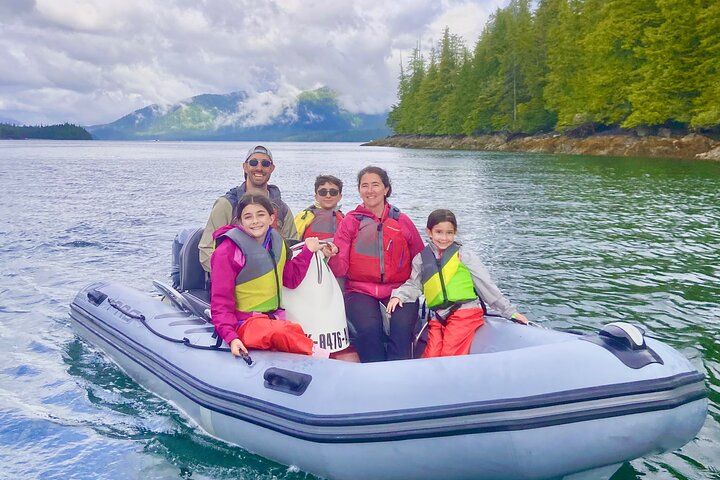
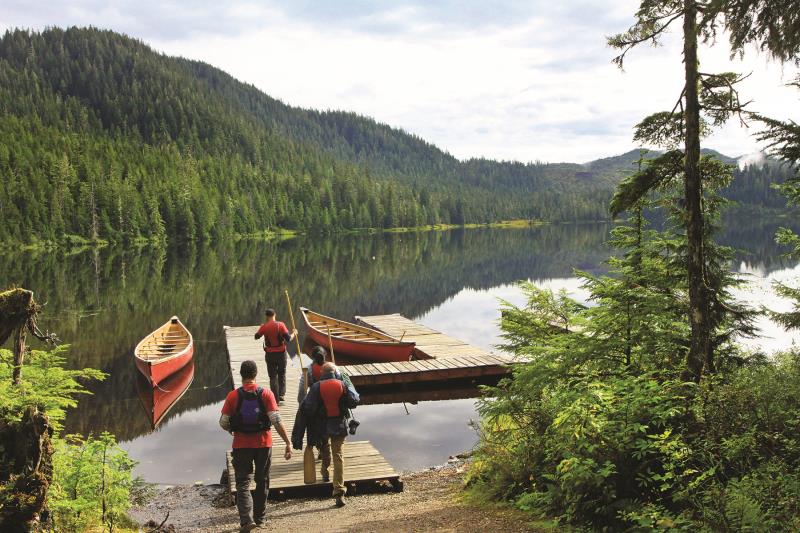
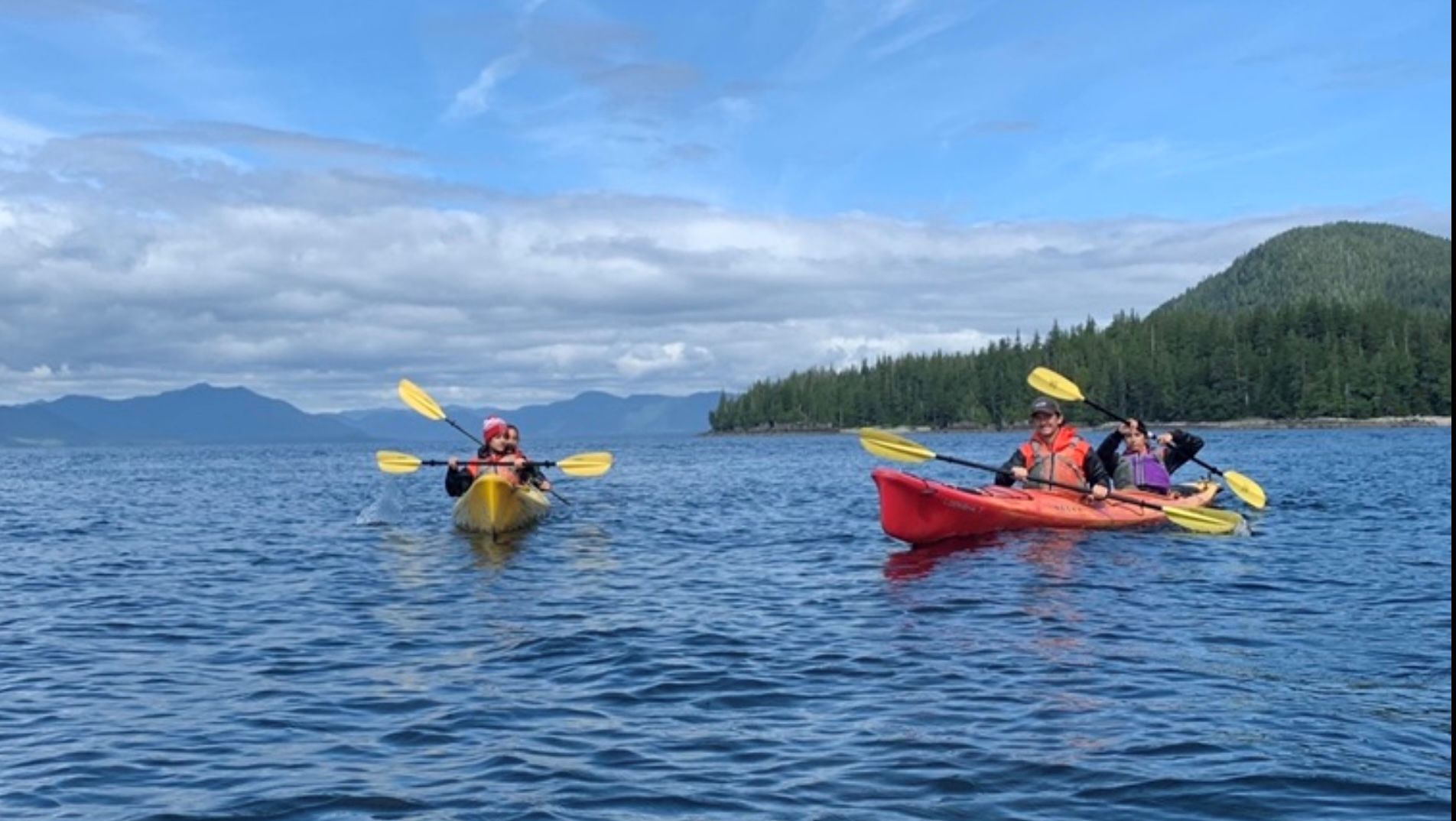
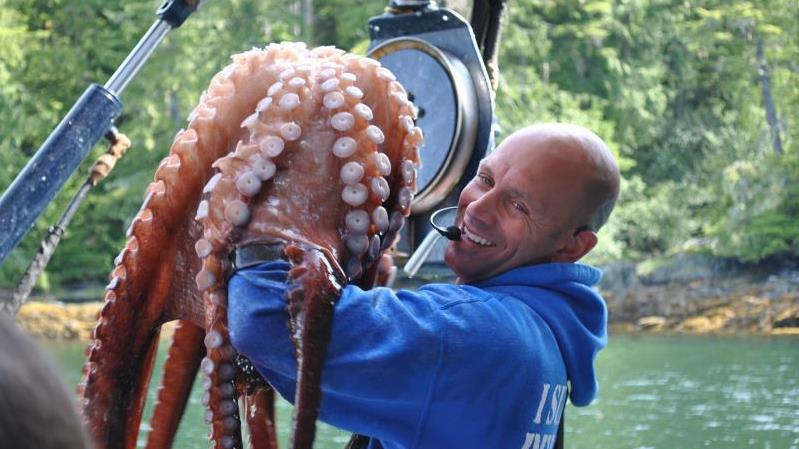
Cruising to Ketchikan Alaska in a group?
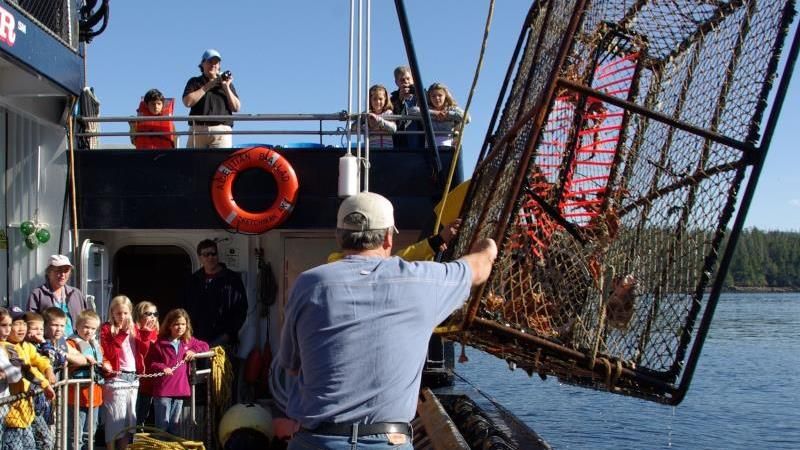
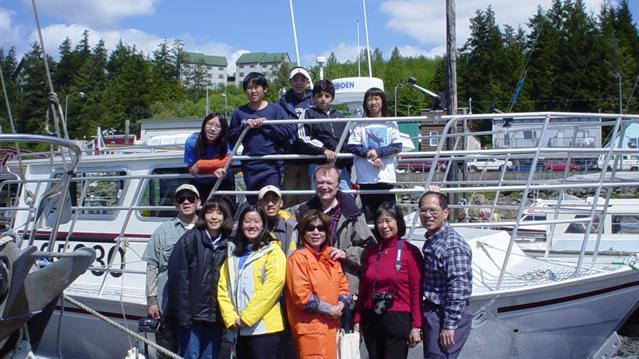
Skip the crowded ship excursion bus. One dedicated planner will design a private shore experience around exactly what your group wants — coordinated from first enquiry to the moment you're back on board. More memorable, more flexible, and more affordable than you might expect. Spend less time organising, more time enjoying.
Explore Group Travel →Cruising to Ketchikan Alaska
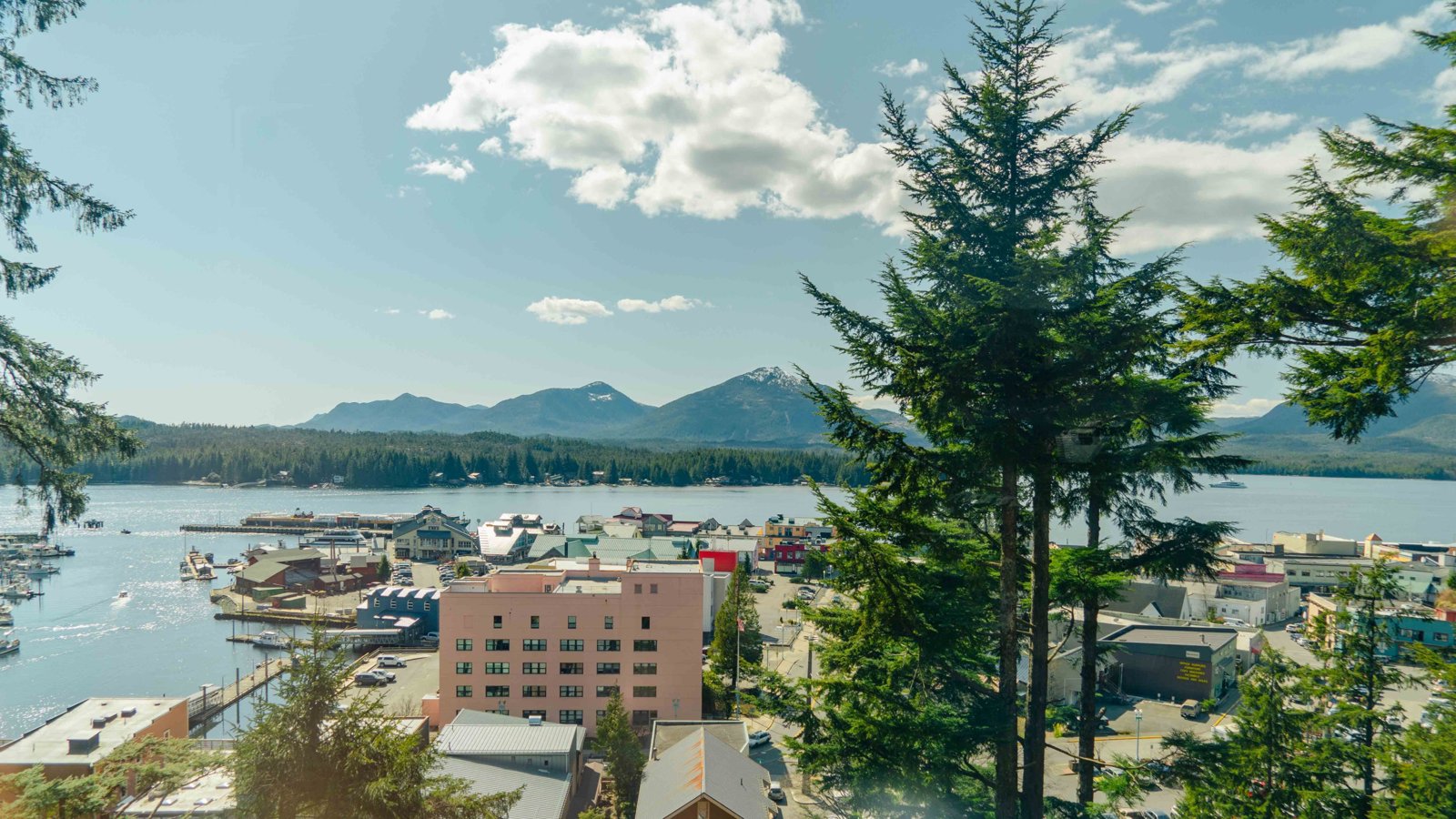
Ketchikan announces itself with color. Cruise ships dock mere steps from downtown, and the first sight ashore is a town that clings dramatically to steep hillsides above Tongass Narrows — bright painted buildings stacked on pilings over the water, floatplanes banking low over the channel, fishing vessels working the current below. As the self-proclaimed Salmon Capital of the World, Ketchikan has built its identity around the cycles of the sea, and the evidence is everywhere: in the fish markets along the dock, in the commercial fleet moored at Bar Harbor, and in Ketchikan Creek, which runs through the heart of downtown and fills each August with returning salmon so dense you can practically walk across them.
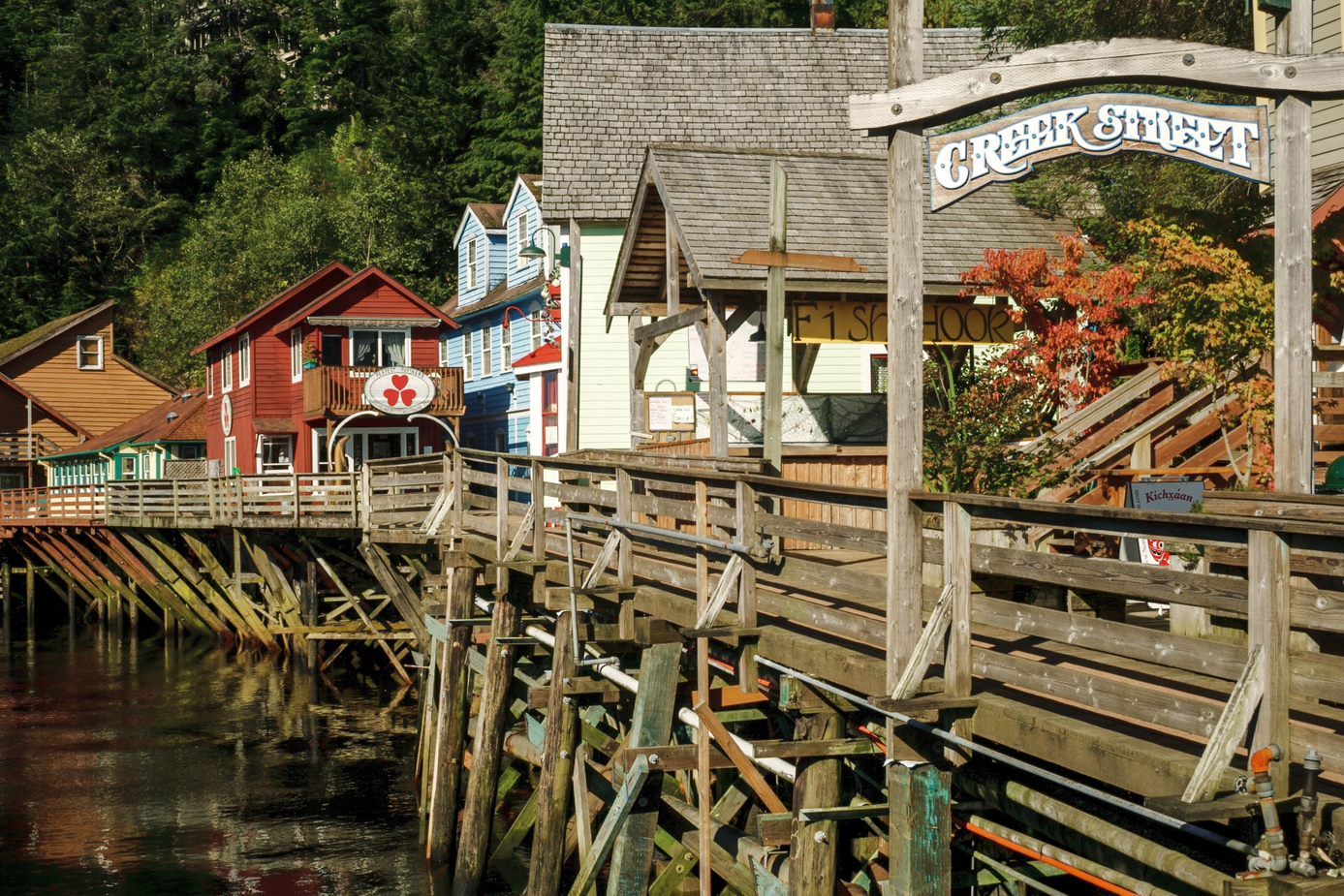
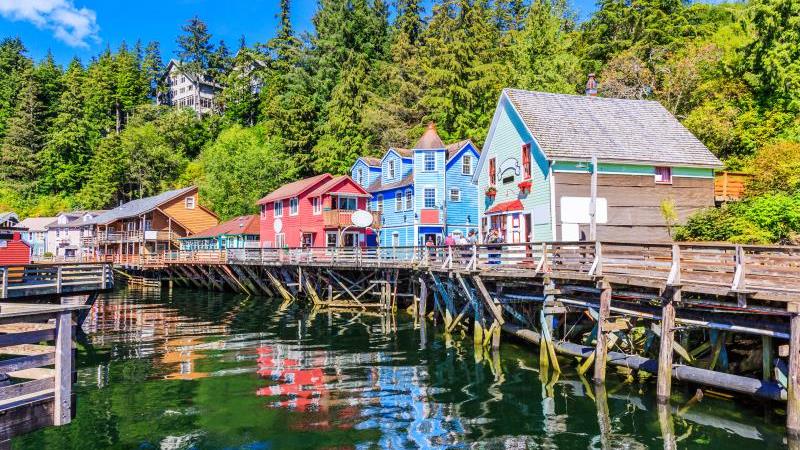
The town's most distinctive landmark is Creek Street, a row of brightly painted wooden buildings on stilts above Ketchikan Creek, reached by a boardwalk that once served as the city's notoriously busy red-light district. Now a collection of boutiques, galleries, and the Dolly's House Museum — a preserved brothel frozen in the 1950s — Creek Street offers a slice of Ketchikan's uninhibited past alongside a picturesque setting that photographers instinctively seek out. The surrounding hillside neighborhoods, connected by staircases and steep lanes, reward those willing to climb above the immediate tourist corridor.
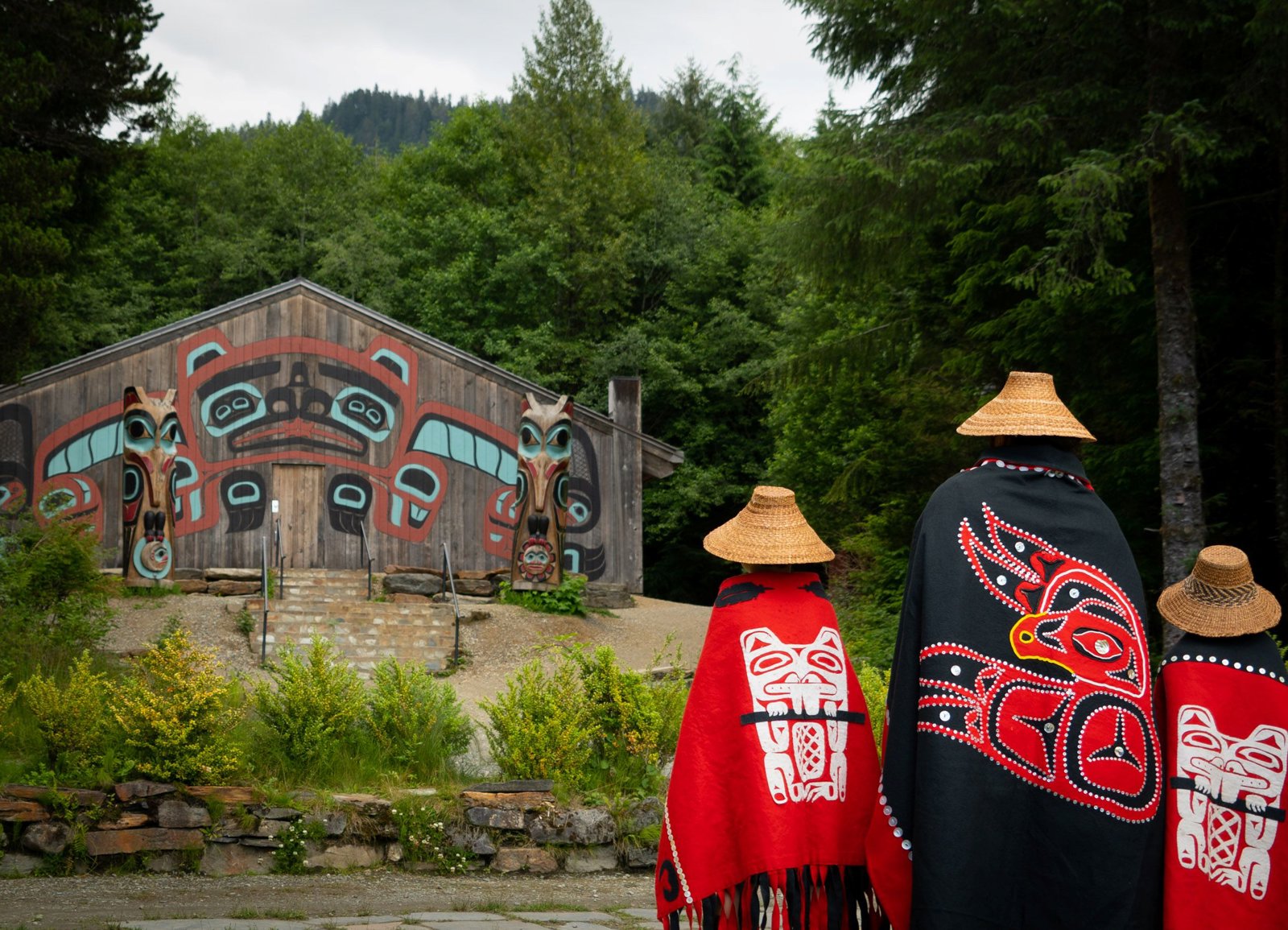
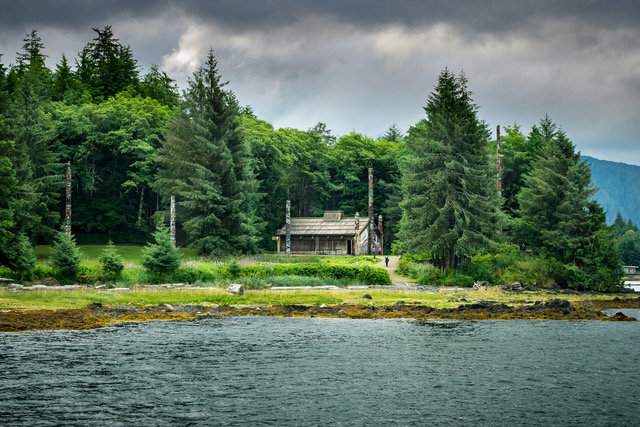
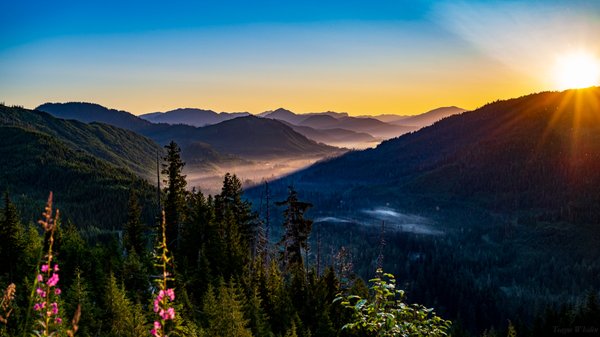
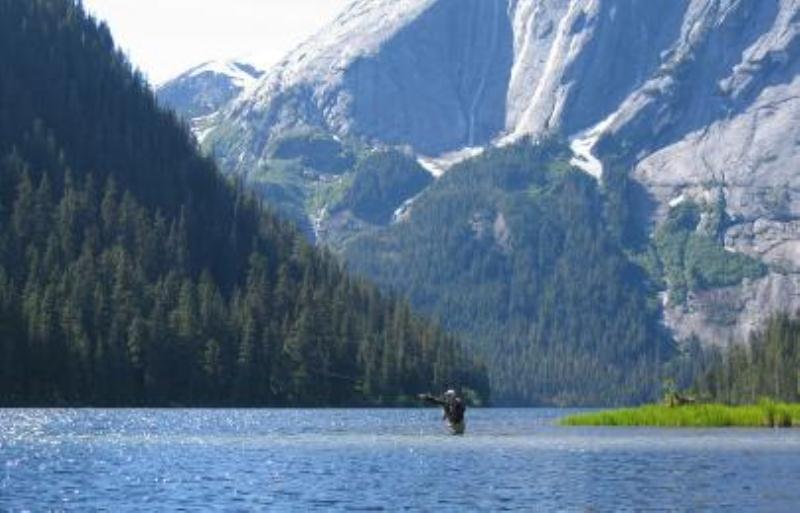
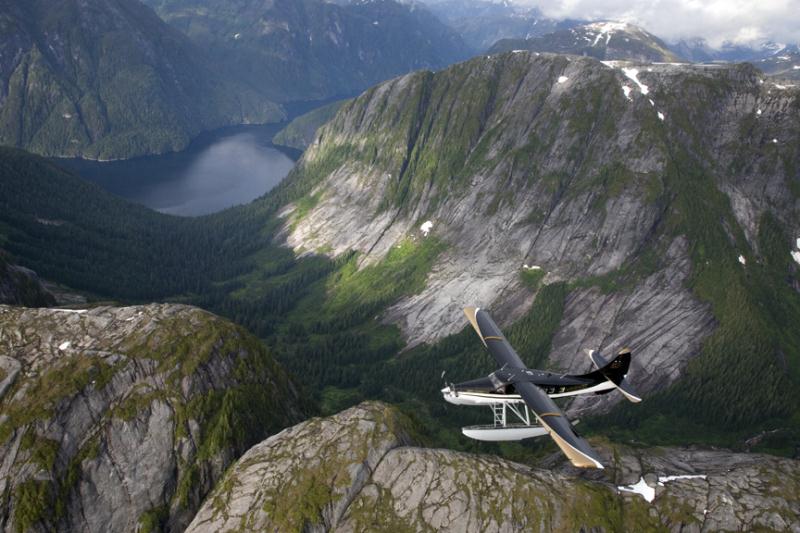
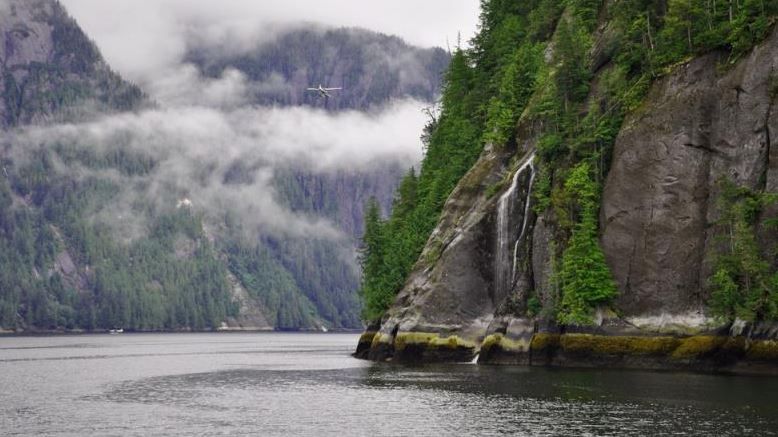
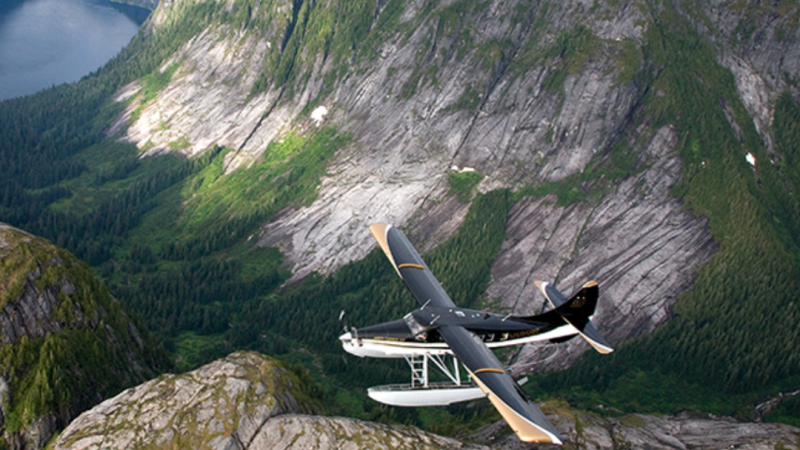
Ketchikan holds the world's largest collection of standing totem poles, and the region's Tlingit, Haida, and Tsimshian cultural heritage is woven into every corner of the visitor experience. Totem Bight State Historical Park and Saxman Native Village preserve remarkable assemblages of these carved narratives in authentic outdoor settings, while the Totem Heritage Center downtown houses 33 original poles removed from abandoned 19th-century village sites for preservation. Beyond the town itself, the surrounding wilderness is staggering: Misty Fjords National Monument, accessible by floatplane or boat, presents a landscape of sheer granite walls, glacial lakes, and waterfall-laced fjords that ranks among the most spectacular in North America.
Top things to do in Ketchikan Alaska on a cruise stopover
Creek Street: Alaska's Most Storied Boardwalk
Spanning Ketchikan Creek on a series of wooden pilings, Creek Street is unlike anywhere else in Alaska — a row of colorful, slightly listing buildings connected by a narrow boardwalk above the rushing, salmon-filled creek below. In its heyday, Creek Street was the commercial heart of Ketchikan's red-light district, legally operating from 1903 until 1954 and serving the fishing and mining crews that flowed through the port. Today, Dolly's House Museum preserves the parlor, bedroom, and working spaces of Ketchikan's most famous madam exactly as they appeared in the 1950s — a surprisingly fascinating window into the social history of a remote frontier town. The surrounding buildings now house galleries, gift shops, and a salmon hatchery visitor center. When the creek runs with salmon in late summer, the spectacle directly beneath the boardwalk boards is remarkable.
World's Largest Collection of Standing Totem Poles
No destination in North America can match Ketchikan's concentration of totem poles, and understanding what you're looking at deepens the experience enormously. Totem poles are not religious objects but rather narrative monuments — clan histories, memorial records, and story-telling devices carved in red and yellow cedar by master carvers of the Tlingit, Haida, and Tsimshian peoples. Ketchikan's three primary totem sites each offer a distinct experience: the Totem Heritage Center downtown preserves 33 original 19th-century poles in a climate-controlled facility with exceptional interpretive material; Totem Bight State Historical Park presents a reconstructed Tlingit clan house and 14 poles in a forested coastal setting 10 miles from town; and Saxman Native Village, 2.5 miles south, features an active carving center where visitors can observe master carvers at work alongside an impressive outdoor pole collection.
Misty Fjords National Monument: Wilderness on a Grand Scale
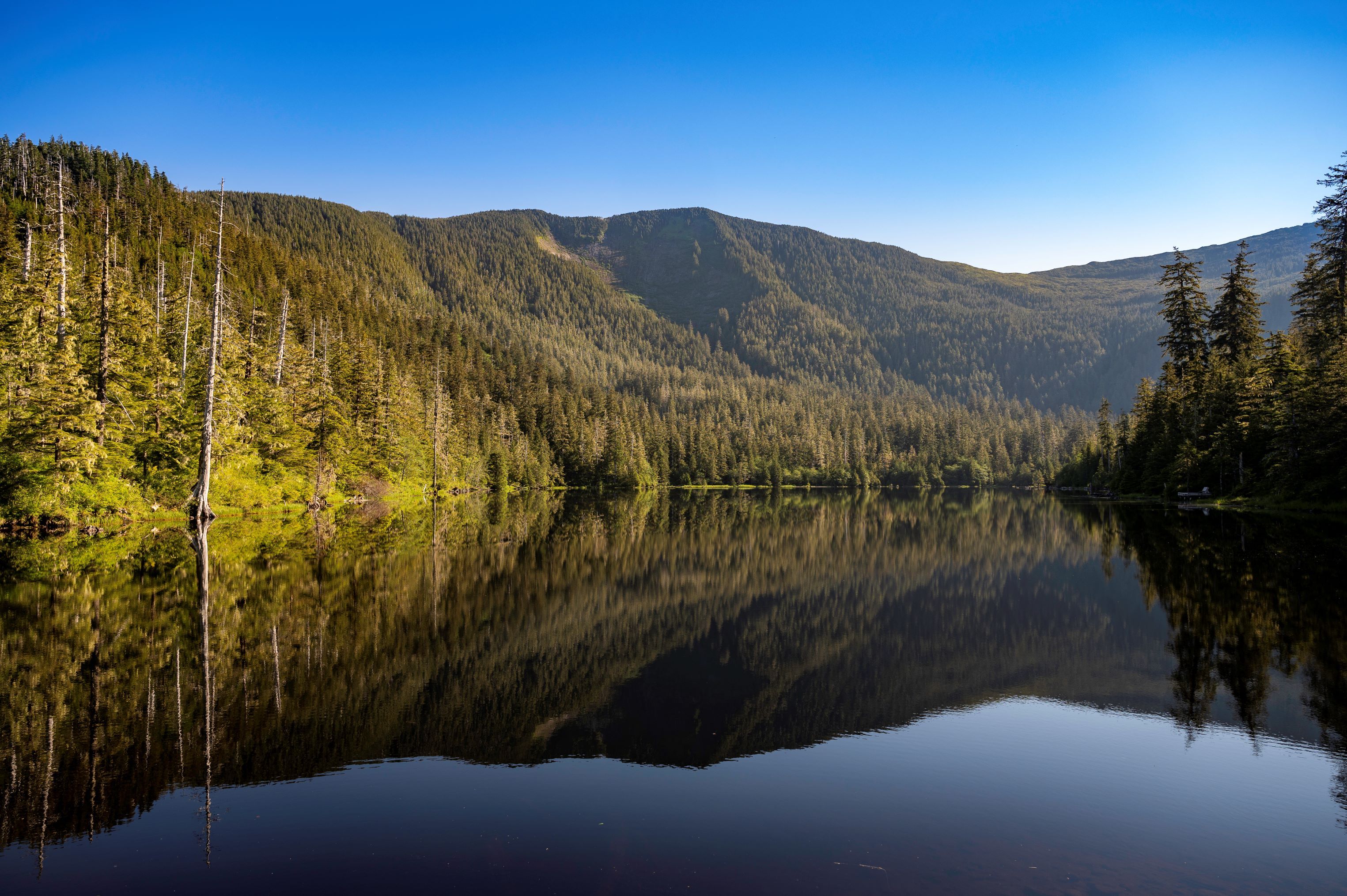
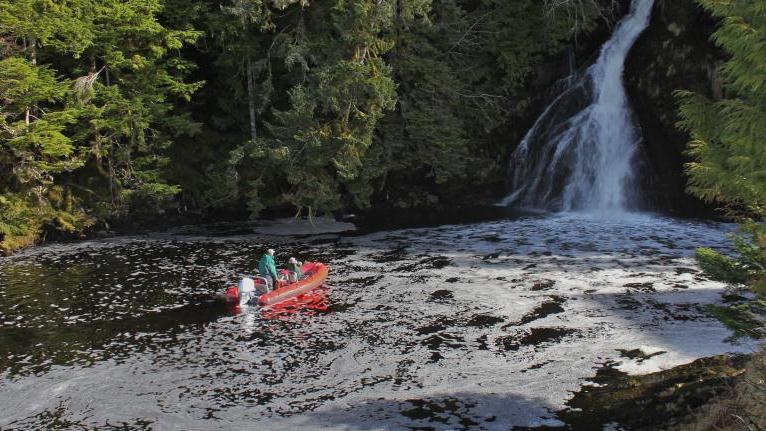
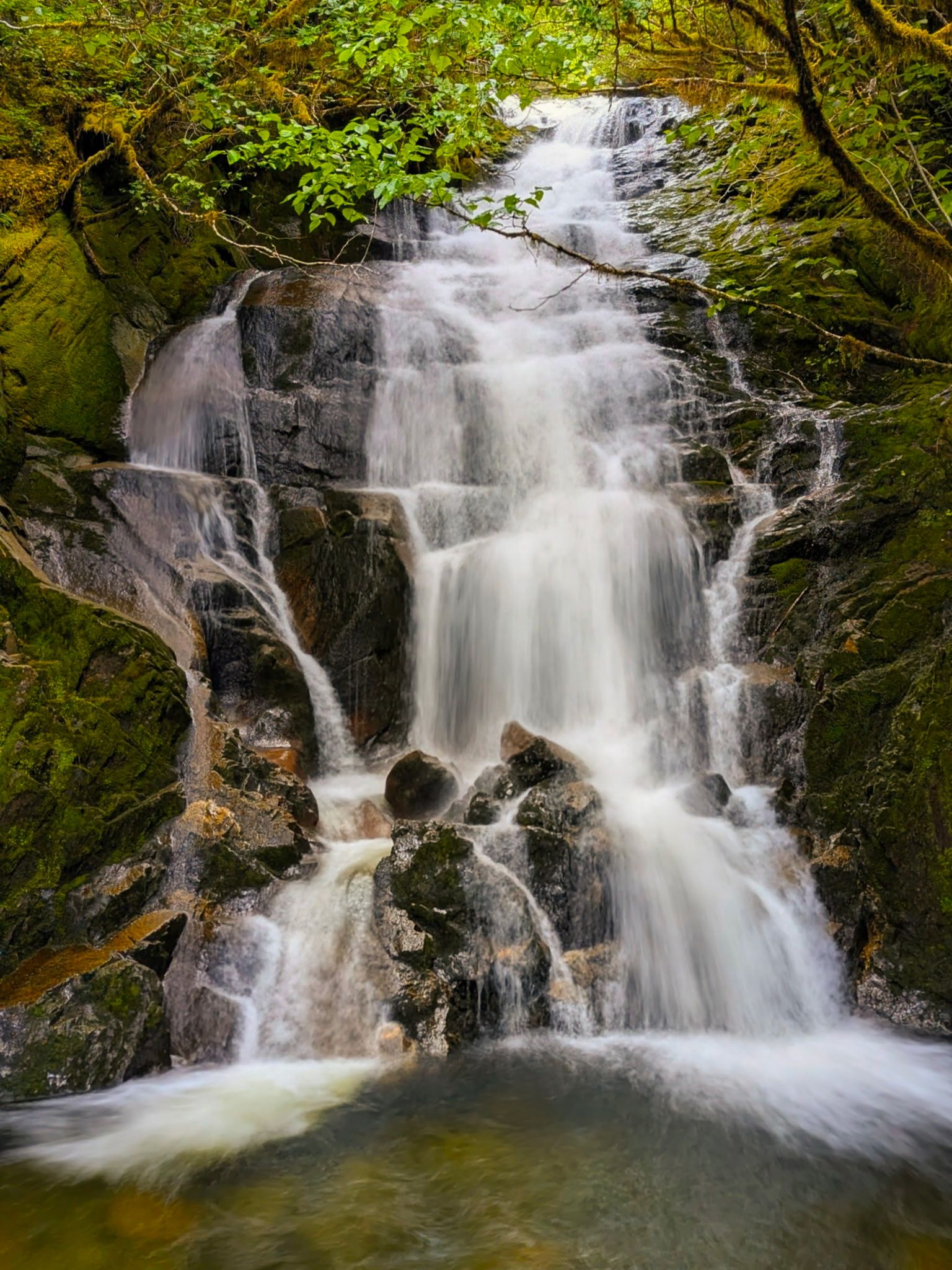
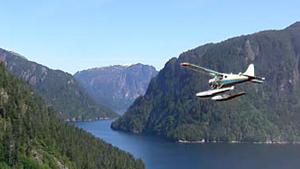
Designated a National Monument in 1978 and encompassing 2.2 million acres of the Tongass National Forest, Misty Fjords is among the most breathtaking wilderness landscapes in North America — and the majority of cruise travelers never see it. The monument is accessible only by floatplane or boat, which is precisely what keeps it extraordinary. Granite cliffs rise 3,000 feet directly from tidewater fjords, waterfalls cascade from hanging valleys hidden above the treeline, and glacially carved lakes reflect forest and sky in a silence broken only by birdsong and the occasional splash of a fish. Floatplane tours from the Ketchikan waterfront typically land on one of the monument's pristine lakes, allowing passengers to step out and absorb the stillness before returning by air — an experience that crystallizes everything Alaska promises. High-speed catamaran trips offer an alternative for those who prefer to remain on water.
Saxman Native Village: Living Tlingit Culture
Located 2.5 miles south of downtown Ketchikan, Saxman is a Tlingit village established in the 1890s and today home to the Cape Fox Corporation, which manages cultural tourism with a community-forward approach. The outdoor totem park — one of the largest in the world — is freely accessible and features poles spanning multiple artistic traditions and clan histories. The village's carving center is the highlight for many visitors: master carvers and apprentices work in a large open workshop, and the process of transforming raw cedar into narrative sculpture over months and years is both meditative and awe-inspiring to witness. Guided tours of the clan house and interpretive presentations on Tlingit history, governance, and art forms are available when tours are operating. The journey south by taxi or shuttle takes roughly 10 minutes.
Ketchikan Creek: Salmon Spectacle in the Heart of Town
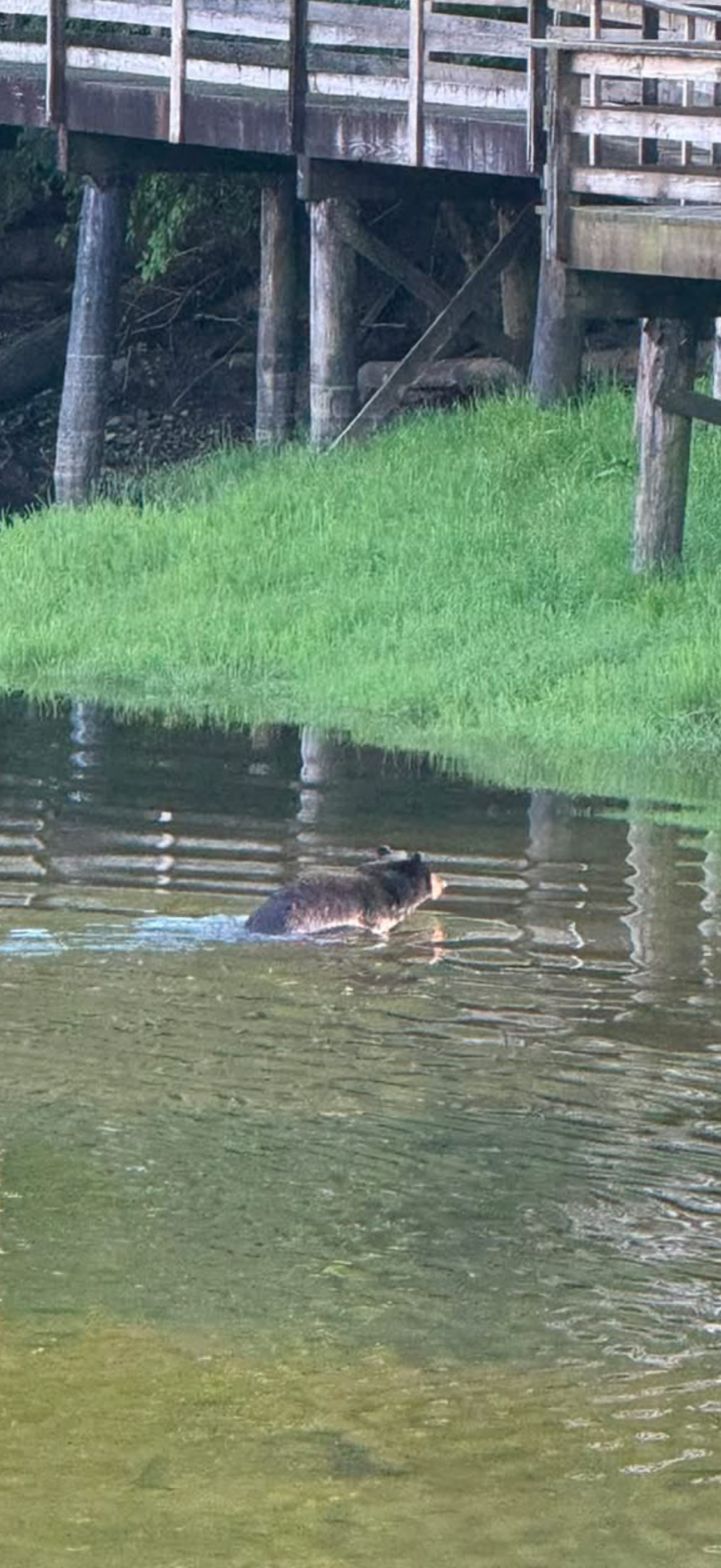
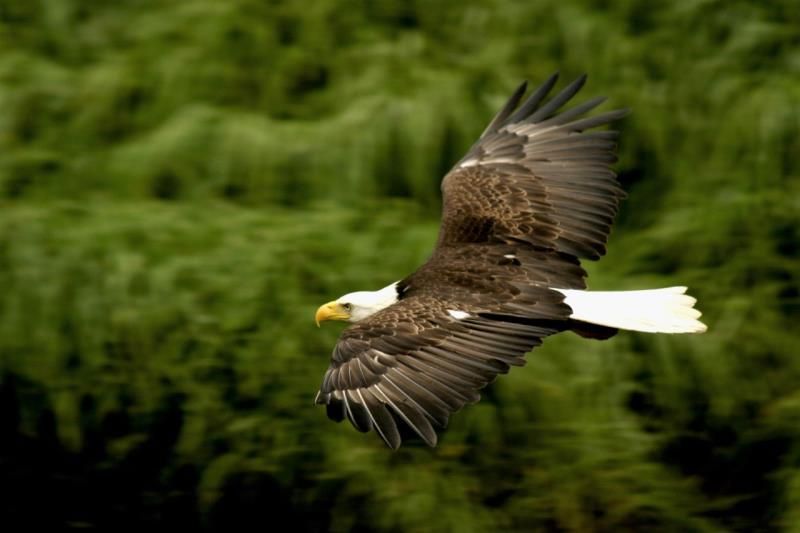
Ketchikan Creek runs directly through the center of downtown, passing beneath Creek Street and through Stedman Street before emptying into the harbor — and from mid-July through September, it transforms into one of the most astonishing natural spectacles a visitor can witness in any city. Pink and coho salmon, returning from years at sea to spawn in the precise stream where they were born, fill the creek in numbers that strain the imagination. The salmon can be viewed from street-level bridges and from Creek Street's boardwalk directly above the water. The Deer Mountain Tribal Hatchery and Eagle Center, adjacent to the creek, offers educational displays explaining the salmon life cycle and operates a bald eagle rehabilitation center. Bears occasionally fish the creek in the very early morning — a genuinely wild moment minutes from the cruise terminal.
Tongass National Forest Rainforest Trails
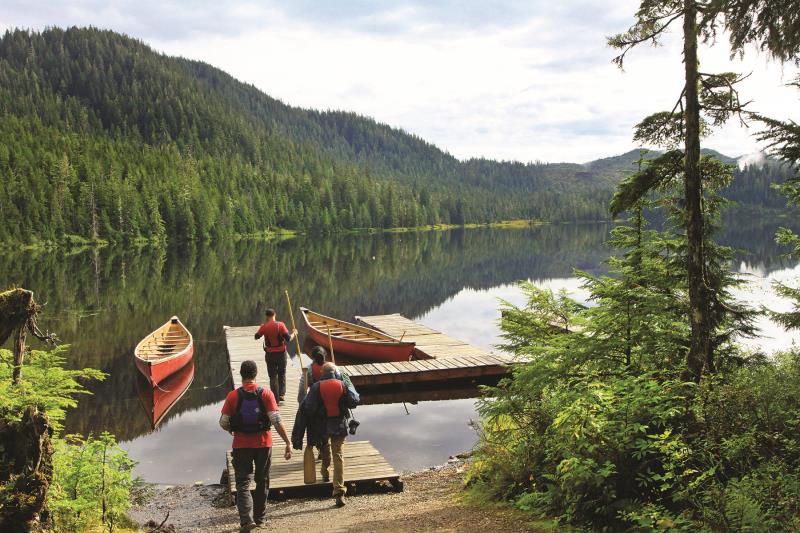
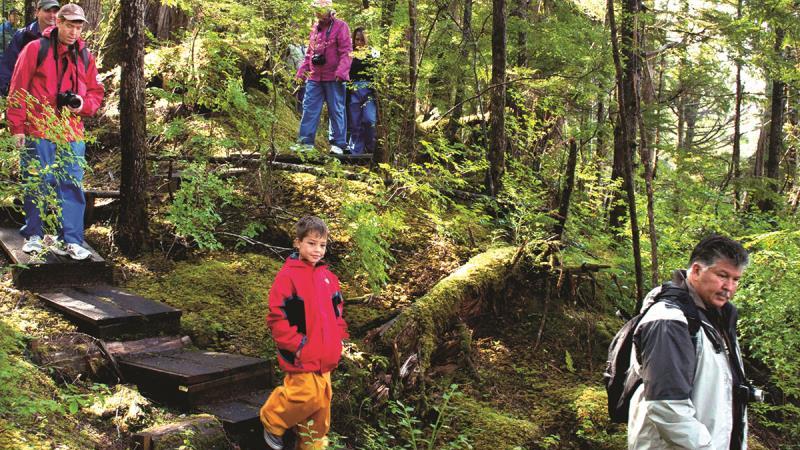
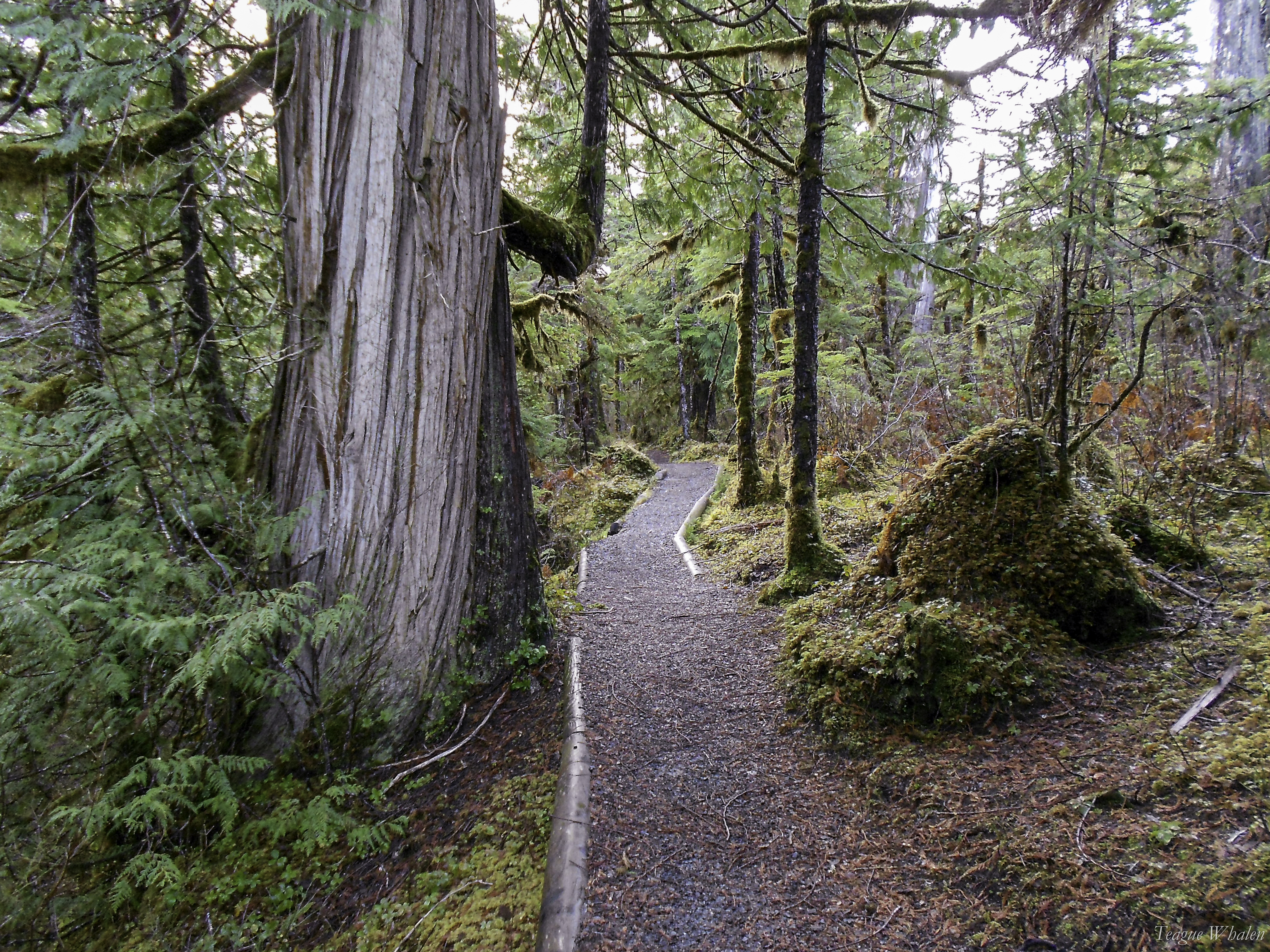
Ketchikan sits within the heart of the Tongass National Forest, and the temperate rainforest begins where the pavement ends — sometimes sooner. Trails close to town provide immediate immersion in one of the world's rarest ecosystems: old-growth Sitka spruce and western hemlock forests where moss carpets every surface, ferns grow chest-high, and the air carries the mineral clarity of constant rain and decomposing cedar. The Ward Lake Recreation Area, just 6 miles from downtown, offers maintained trails through forest to a tranquil lake ideal for birdwatching and quiet reflection. The Deer Mountain Trail climbs more steeply above town to ridgeline views over Tongass Narrows and the offshore islands — a more demanding but highly rewarding half-day hike for those with energy and proper footwear.
Ketchikan Alaska travel tips
Embrace the Rain — It's Part of Ketchikan's Identity. Ketchikan receives more than 150 inches of rain per year, making it the wettest city in Alaska and one of the wettest in North America. Rain can arrive any time of year, any time of day, often without warning. The practical response is to dress accordingly — waterproof shell jacket, waterproof footwear, and a willingness to laugh at the weather. The payoff is the landscape: nowhere in Southeast Alaska is the rainforest as lushly green, as dramatically alive, as Ketchikan's. Locals consider the rain a source of civic pride, and visitors who lean into it tend to have a considerably better time than those who spend the day fighting it.
Book Misty Fjords Floatplane Tours Well in Advance. Floatplane tours to Misty Fjords National Monument are justifiably among the most sought-after activities available from any Alaska port, and they sell out far in advance on busy summer ship days. If this is a priority, book directly with operators such as Taquan Air or Promech Air weeks or months before your cruise. Weight limits apply on floatplane aircraft — operators will ask for passenger weights at booking, and this affects seating arrangements. Misty Fjords tours are also highly weather-dependent; operators will typically reschedule due to low visibility or unsafe conditions, so confirm cancellation and rebooking policies at the time of reservation.
Prioritize the Totem Heritage Center for Depth, Saxman for Living Culture. Ketchikan's three totem sites offer genuinely different experiences, and choosing wisely based on your interests saves time. The Totem Heritage Center downtown is the best choice for understanding the historical and artistic context of totem carving — its preserved 19th-century originals and interpretive exhibits are excellent, and it's a short walk from the docks. Saxman Native Village is the best choice for witnessing carving as a living practice — the carving center, when active, is extraordinary. Totem Bight State Historical Park offers a scenic natural setting with a reconstructed clan house but requires the most travel time. If you can do only one, match it to what matters most to you.
Creek Street Is Most Interesting in the Morning. Creek Street transforms dramatically as the cruise day progresses. Early in the morning, the boardwalk has an unhurried quality — the creek sounds, the forest backdrop, the historic buildings are easy to absorb at leisure. By midday and early afternoon, when multiple ship loads of passengers arrive simultaneously, the narrow boardwalk becomes congested and the experience shifts considerably. Visit Creek Street early, explore Dolly's House Museum (admission is modest), watch for salmon in the creek below, and then move on to other areas. Return in the afternoon if you want photos without crowds — some ship days see a lull between group tour returns and individual explorer departures.
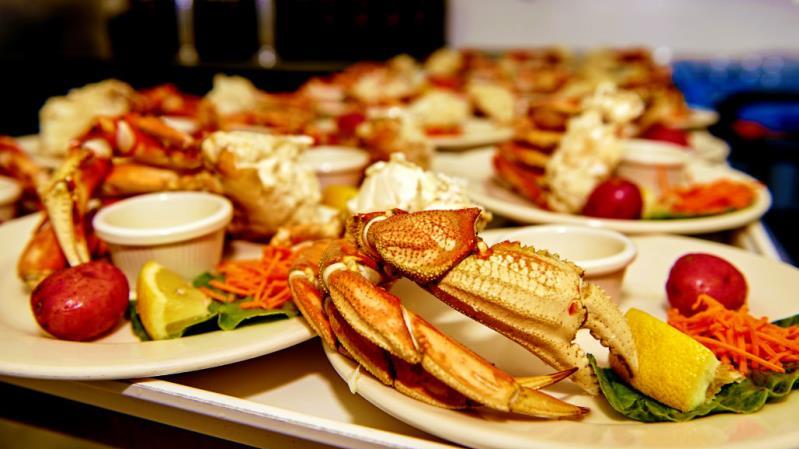
Smoked Salmon Is the Best Edible Souvenir — Buy from Local Processors. Ketchikan's fishing industry produces some of the finest wild salmon in the world, and vacuum-sealed smoked salmon is the one edible souvenir that survives the journey home in excellent condition. Several local processors sell directly to cruise visitors near the terminal and on the main shopping streets — look for operations that specify their salmon is wild-caught in Alaskan waters and smoked locally. Prices vary but quality differences are real; asking staff where their fish comes from is a reasonable approach. Smoked king salmon is the premium choice; sockeye is excellent and more accessible in price. Most products are carry-on safe for air travel when properly sealed.
Watch the All-Aboard Time Carefully — Traffic Can Build. Ketchikan's dock location directly downtown means the ship is never far away, which encourages a relaxed attitude toward timing. However, the two-lane roads leading to Totem Bight (10 miles north) and the floatplane terminal can develop significant congestion when several ships are in port simultaneously. Floatplane tours have strict departure windows and should be treated like a flight — arrive at the terminal at least 15 minutes early. Taxis and rideshares can be slow to arrive on peak days; consider arranging return transport before leaving rather than trying to hail something at the last moment. Build at least 30 minutes of buffer before all-aboard for any activity that requires travel outside the immediate downtown area.
Port Facts Every Cruiser Needs To Know
Ketchikan Alaska shore excursion FAQs
Ketchikan's cruise ship berths are located right at the edge of downtown, making it one of the most walkable port arrivals in Southeast Alaska. From the main terminal, Creek Street is approximately a 5–10-minute walk along the waterfront. The Totem Heritage Center, most shops on Mission Street and Dock Street, and the majority of restaurants are equally accessible on foot. No transportation is needed to reach the core downtown attractions — simply walk off the ship and into the town.
Totem poles are monumental carvings in red or yellow cedar, created by Northwest Coast Indigenous peoples — primarily Tlingit, Haida, and Tsimshian — to commemorate clan histories, memorialize significant events, honor ancestors, or tell traditional stories. They are not idols or religious objects. Ketchikan's extraordinary concentration reflects the fact that the area has long been home to all three of these artistic traditions, and the city made deliberate efforts in the 20th century to recover and preserve poles from abandoned village sites. Today, Ketchikan holds the world's largest collection of standing totem poles distributed across three major sites, each with its own character and historical context.
For most travelers, yes — emphatically so, if wilderness scenery is a priority and weather cooperates. Misty Fjords encompasses 2.2 million acres of pristine fjord landscape with cliffs rising thousands of feet from tidewater, glacial lakes, and waterfalls accessible by floatplane in roughly 2–2.5 hours total. The experience is qualitatively different from anything available on a typical port day walk. The main considerations are cost (floatplane tours are a significant investment), advance booking requirements (they sell out early), and weather dependency. High-speed catamaran tours offer a less expensive alternative that trades the aerial perspective for more time on the water.
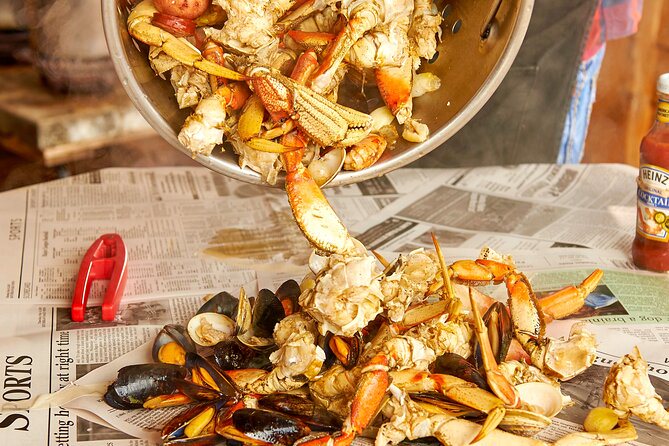
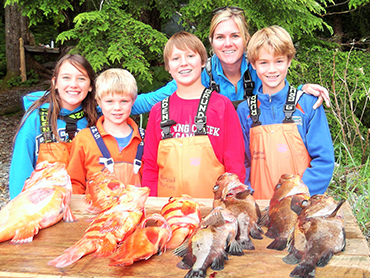
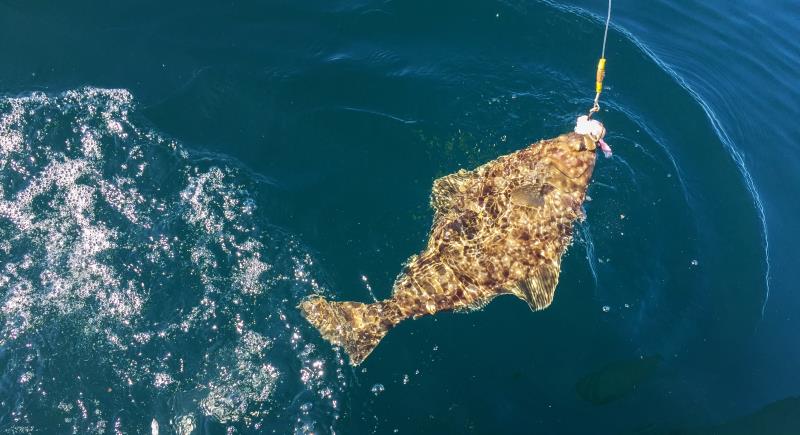
The title reflects both the extraordinary abundance of wild salmon in the surrounding waters and Ketchikan's long identity as a commercial fishing hub. Five species of Pacific salmon — king (chinook), sockeye (red), coho (silver), pink (humped back), and chum (dog) — all run in the Ketchikan area at various points during the summer. Commercial salmon canning was the economic foundation of Ketchikan for much of the 20th century; at its peak, the city hosted more salmon canneries than any comparable Alaska port. Sport fishing for these species remains a major draw, and the salmon runs through Ketchikan Creek — visible right in the center of town — make the connection between city and fish uniquely direct.
Ketchikan receives an average of 152–160 inches of rain annually, the highest of any city in Alaska and one of the highest in the United States. Rain is genuinely possible on any day, at any time, in any season. That said, summer days frequently include breaks of sunshine, and many days in July and August are partially or fully clear. The rain should shape your packing decisions — waterproof jacket, waterproof footwear, and a rain cover for any camera or bag you bring. It should not cause you to avoid Ketchikan or reschedule activities; the rainforest landscape that makes the area so spectacular is entirely a product of that precipitation.
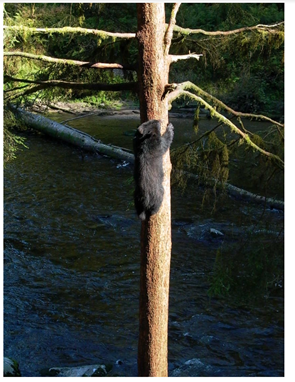
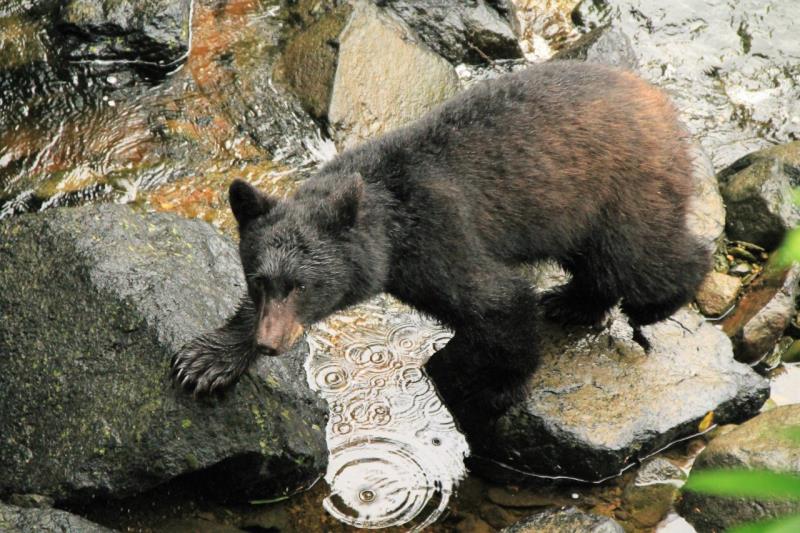
Black bears are common in the forests surrounding Ketchikan and are occasionally spotted near Ketchikan Creek, particularly during the salmon run in late July through September when they come to feed. Very early morning sightings near the creek are reported by locals. The Ward Lake area and forest trails outside of town also have regular bear activity. Encountering a bear is possible but not the norm for a typical port day in the main tourist areas. Travelers venturing onto more remote trails should carry bear spray and follow standard bear safety practices. Bears in the Ketchikan area are generally non-aggressive toward humans when given appropriate space.
Dolly's House is the best-preserved example of what Creek Street once represented — a working brothel from the era when Ketchikan's red-light district operated legally from 1903 to 1954. The museum preserves the parlor, private rooms, and personal effects of Dorothy Copus, known as Dolly, who operated the establishment for decades and became one of Ketchikan's most colorful historical figures. The exhibits are candid, well-curated, and presented without excessive sensationalism — the story of Creek Street is told as the social and economic history it genuinely was. Admission is modest, the visit takes 20–30 minutes, and the insight it provides into frontier Alaska social history is surprisingly substantive.
Ketchikan's shopping scene is more concentrated on authentic Alaska Native art and regional products than some other ports. The area around Creek Street and the downtown blocks features several galleries carrying certified Tlingit, Haida, and Tsimshian artwork — look for the silver hand seal indicating Alaska Native-made work. Locally produced smoked salmon and seafood products are high-quality souvenirs that travel well. The shops immediately adjacent to the cruise terminal tend toward mass-produced tourist merchandise; a short walk into the downtown streets and up toward Creek Street leads to more interesting and authentic options. Prices on authentic Native art reflect genuine craftsmanship and are not negotiable.
Many of Ketchikan's best experiences cost little or nothing. Walking Creek Street boardwalk and watching salmon in the creek below is free. Totem Bight State Historical Park charges no admission for the outdoor totem pole collection and clan house exterior — a compelling stop for those with transport to get there. Ketchikan Creek salmon viewing from the bridges in town is free and extraordinary in season. The Saxman totem park grounds are freely accessible; guided tours cost extra. The Ketchikan Public Library offers free Wi-Fi and a local perspective. The Totem Heritage Center charges a modest admission but is one of the best cultural values available at any Alaska port.
Totem Bight State Historical Park is located approximately 10 miles north of the cruise terminal along North Tongass Highway. It is not walkable from downtown. The most common independent transport options are taxi (approximately 15–20 minutes each way, arrange the return before the driver leaves), rental car (available from agencies near the terminal), or shuttle services that run on schedules timed to ship arrivals. The park itself is small and easily explored in 45–60 minutes; allow 1.5–2 hours total including transit from the ship. The park features 14 restored totem poles and a reconstructed Tlingit clan house in a forested coastal setting — a quieter, more contemplative experience than the busier downtown totem sites.
Filters
Select a filter to refine results.
Tour Type
Tour Activity
 Cart
Cart
 USD
USD GBP
GBP AUD
AUD EUR
EUR CAD
CAD