



Tours in Juneau Alaska



Cruising to Juneau Alaska in a group?
Skip the crowded ship excursion bus. One dedicated planner will design a private shore experience around exactly what your group wants — coordinated from first enquiry to the moment you're back on board. More memorable, more flexible, and more affordable than you might expect. Spend less time organising, more time enjoying.
Explore Group Travel →Cruising to Juneau Alaska
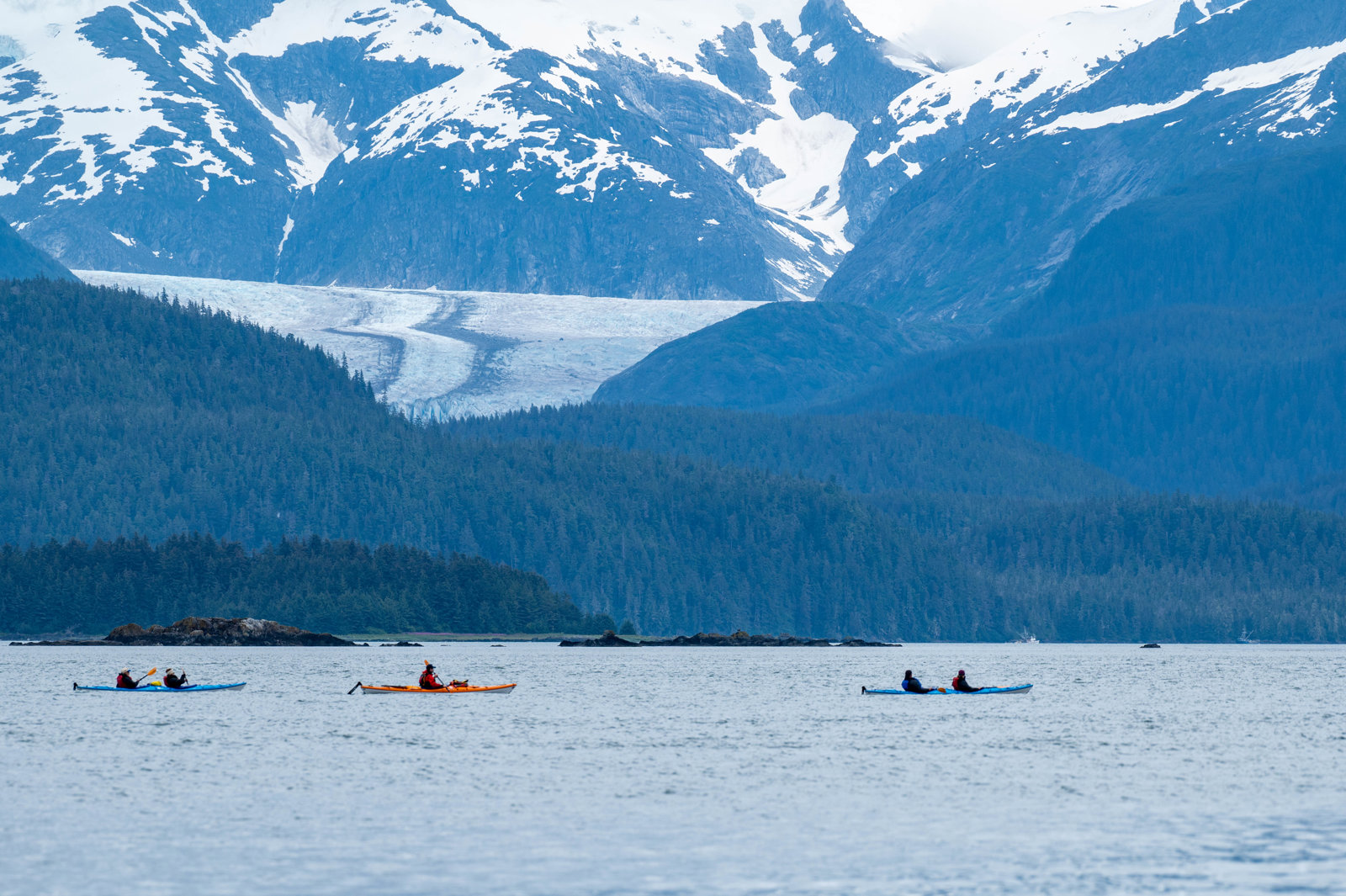
Juneau occupies one of the most dramatic settings of any capital city on earth — hemmed in by the Coast Mountains on three sides and Gastineau Channel on the fourth, with no roads connecting it to the outside world. That geographic isolation is not a flaw but a feature, preserving a landscape where tidewater glaciers still calve into saltwater and humpback whales surface within sight of the cruise ship terminal. For travelers arriving by sea, the approach alone — mountains rising thousands of feet straight from the channel, snowfields glinting above the treeline — sets an unmistakable tone.
At street level, downtown Juneau is compact and entirely walkable from the ship berths. Historic storefronts along South Franklin Street and the Franklin Street corridor mix genuine Alaskan character with excellent galleries, outfitters, and the legendary Red Dog Saloon, a sawdust-floor institution that has been pouring drinks since the Gold Rush era. The Alaska State Museum and the Southeast Alaska Discovery Center provide rich context for the region's indigenous Tlingit culture, Russian colonial history, and the 1880s gold strike that put Juneau on the map. The city is small enough to explore on foot yet layered enough to reward every hour ashore.
Venture beyond the downtown core and the wilderness asserts itself immediately. The Mount Roberts Tramway climbs 1,800 feet above the channel to panoramic views and alpine meadows in under ten minutes. A short drive or bus ride reaches Mendenhall Glacier, a National Recreation Area where a 13-mile-long river of ancient ice terminates in a glacial lake just steps from a world-class visitor center. Whether you spend your day chasing breaching whales in Stephens Passage, hiking through old-growth Sitka spruce, or simply absorbing the singular spectacle of a glacier in a temperate rainforest, Juneau consistently delivers experiences that stay with travelers long after the ship has sailed.
Top things to do in Juneau Alaska on a cruise stopover
Mendenhall Glacier: A River of Ice at the Edge of Town
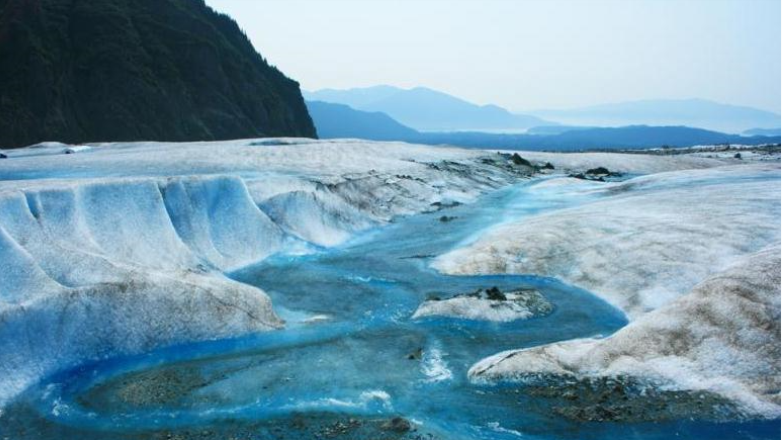
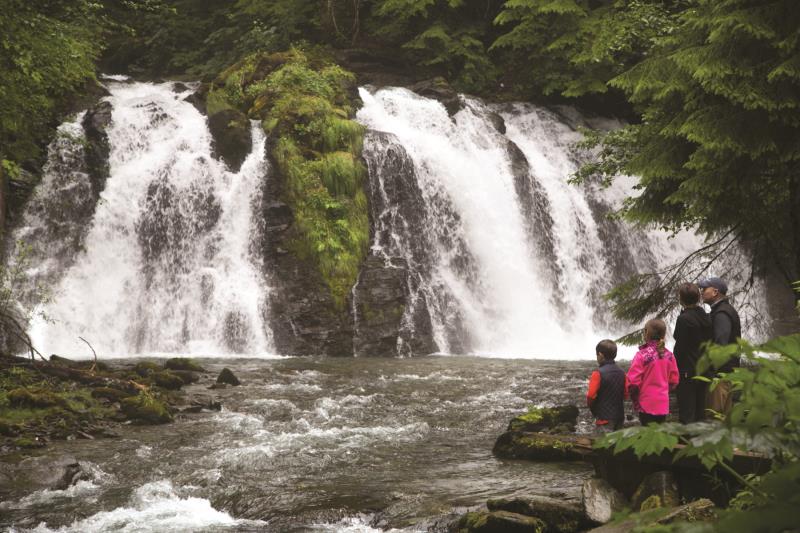
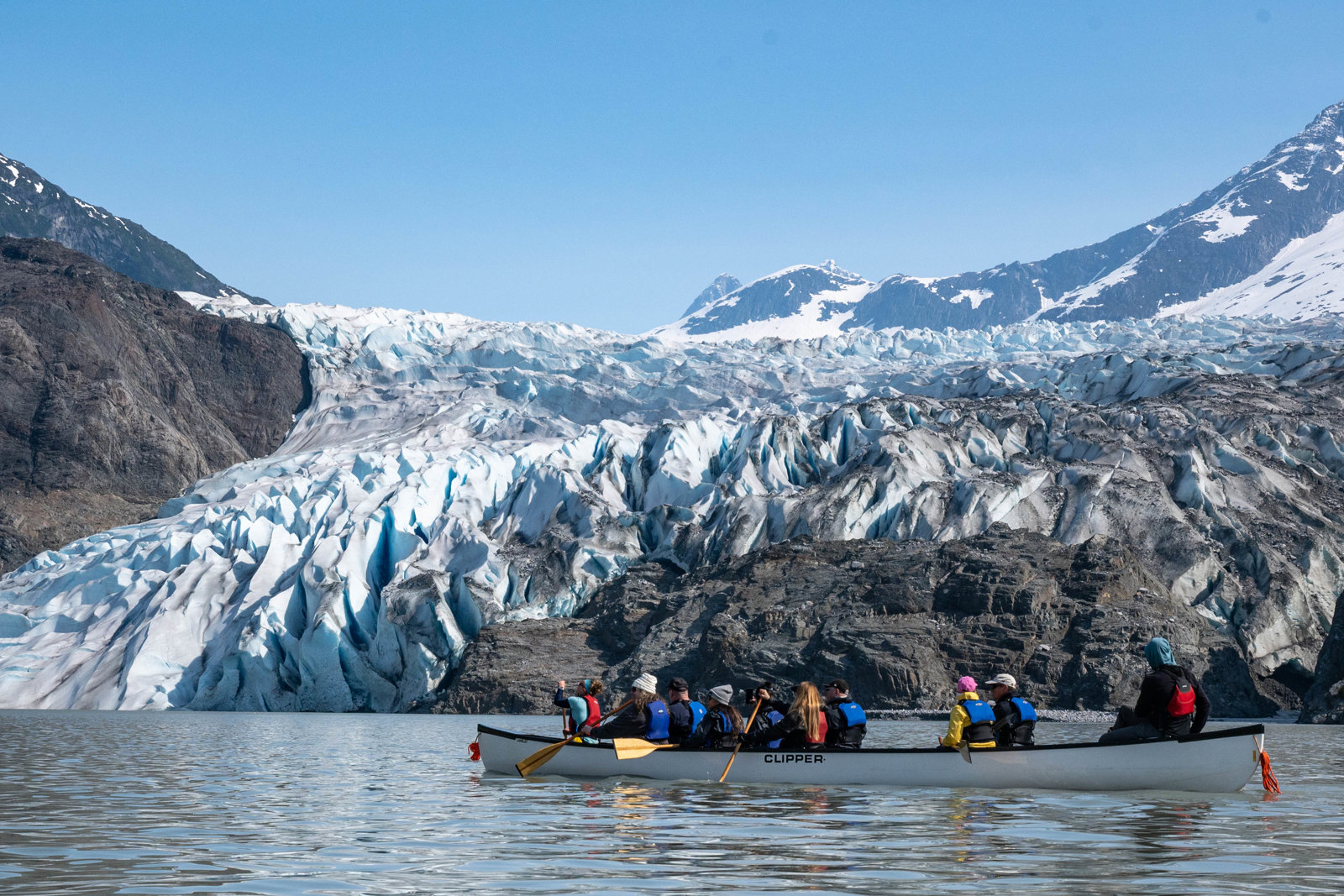
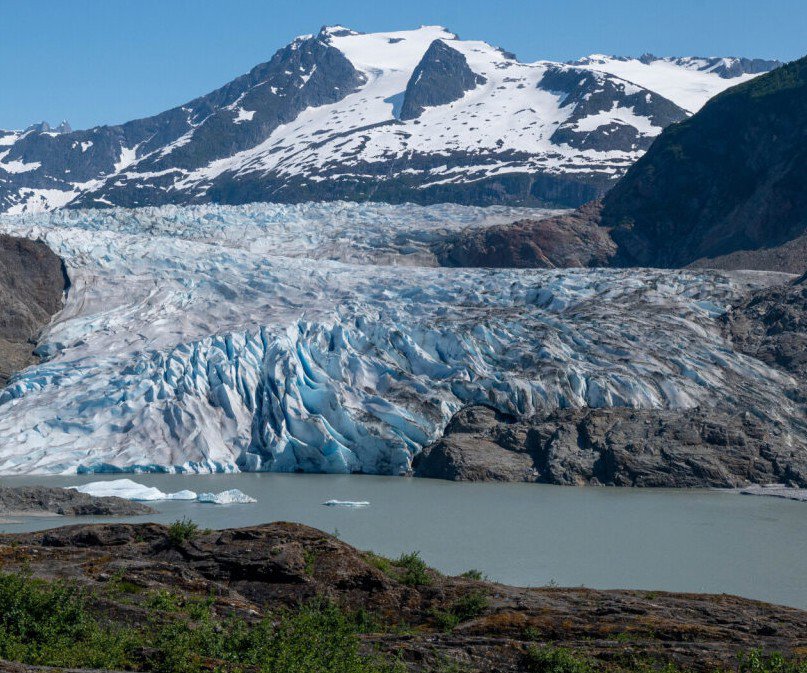
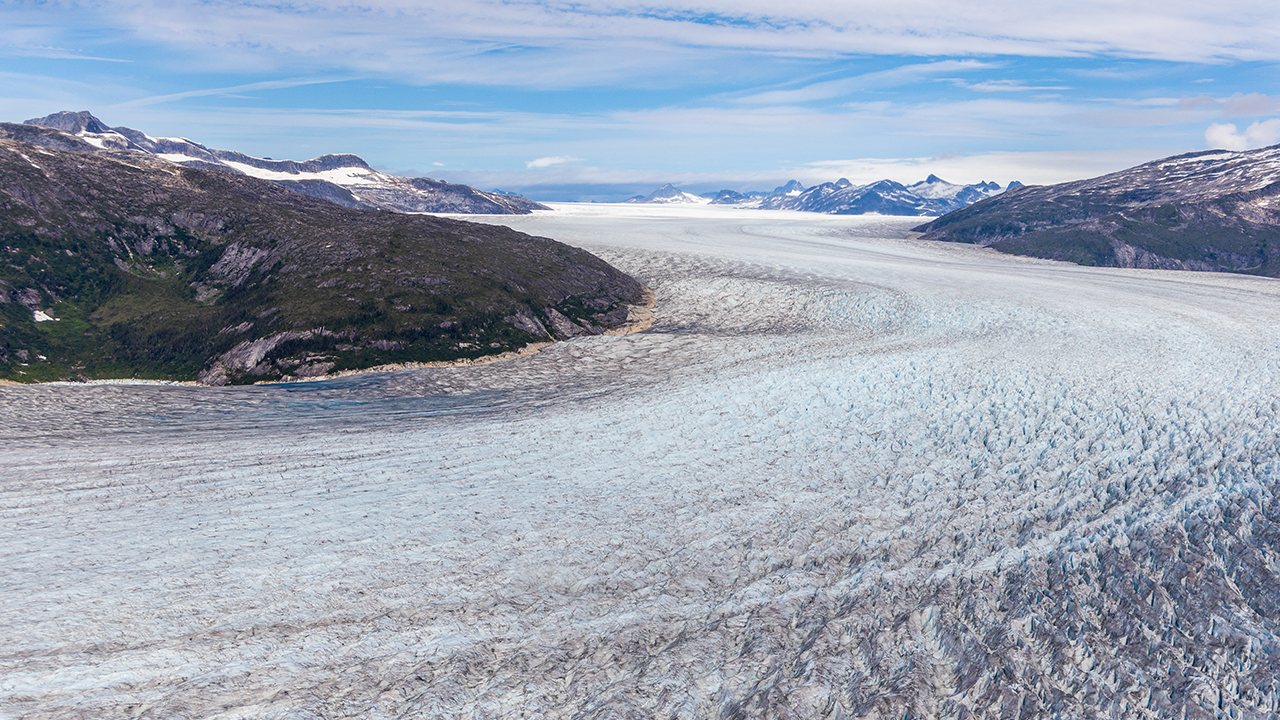
Few glaciers on earth are as accessible as Mendenhall. Part of the vast Juneau Icefield — one of the largest non-polar ice masses in the world — this 13-mile tongue of ancient glacial ice terminates in a milky-green lake just 13 miles from the cruise terminal. The Mendenhall Glacier Visitor Center, run by the US Forest Service, offers exceptional interpretive displays explaining how glaciers move, calve, and respond to climate. Outside, multiple trails range from a flat lakeside stroll to the more demanding East Glacier Loop, which takes hikers close to the ice face. Nugget Falls, a dramatic cascade that tumbles directly adjacent to the glacier, is a short, easy walk from the visitor center and one of the most photographed spots in Alaska. Come early if you can — the site draws large crowds by midday during peak summer months.
Whale Watching in Stephens Passage
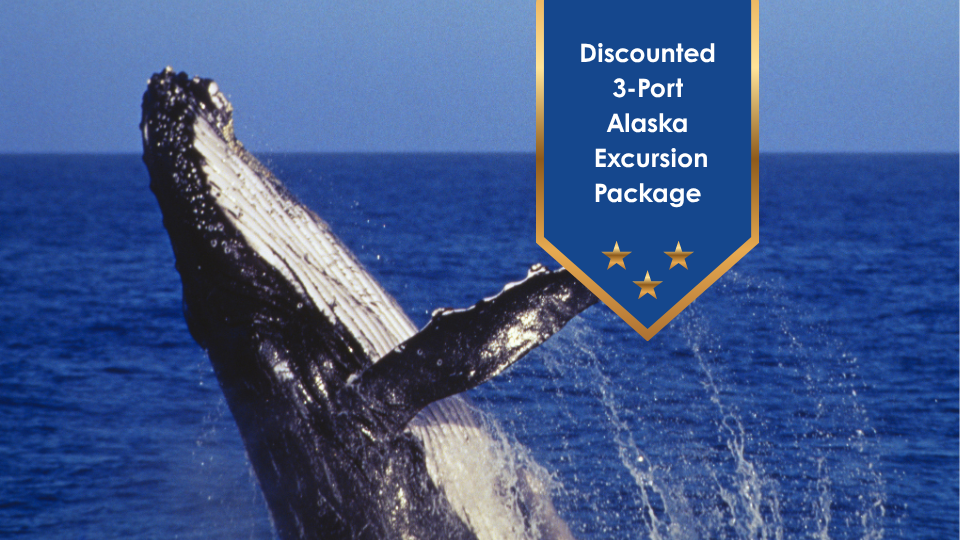
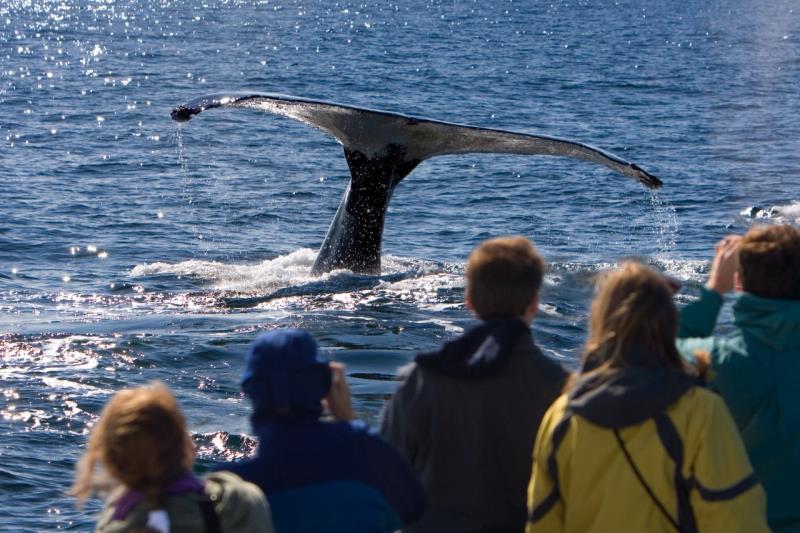
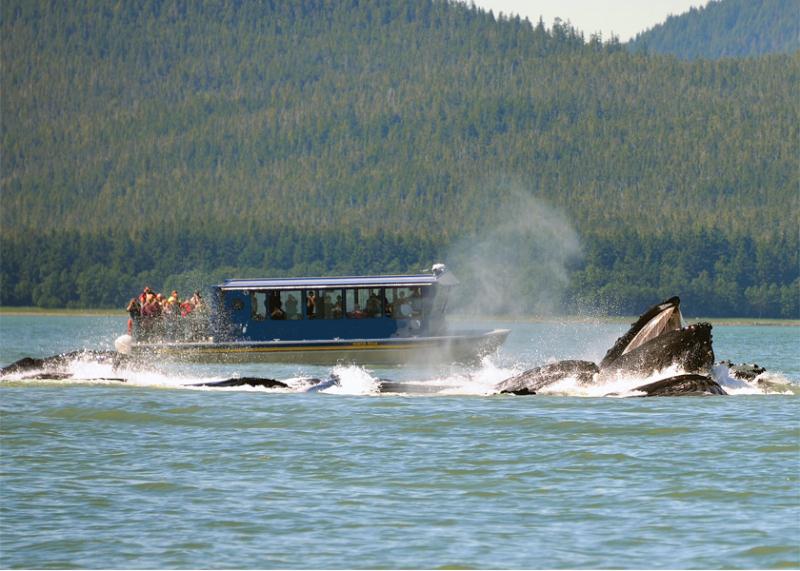
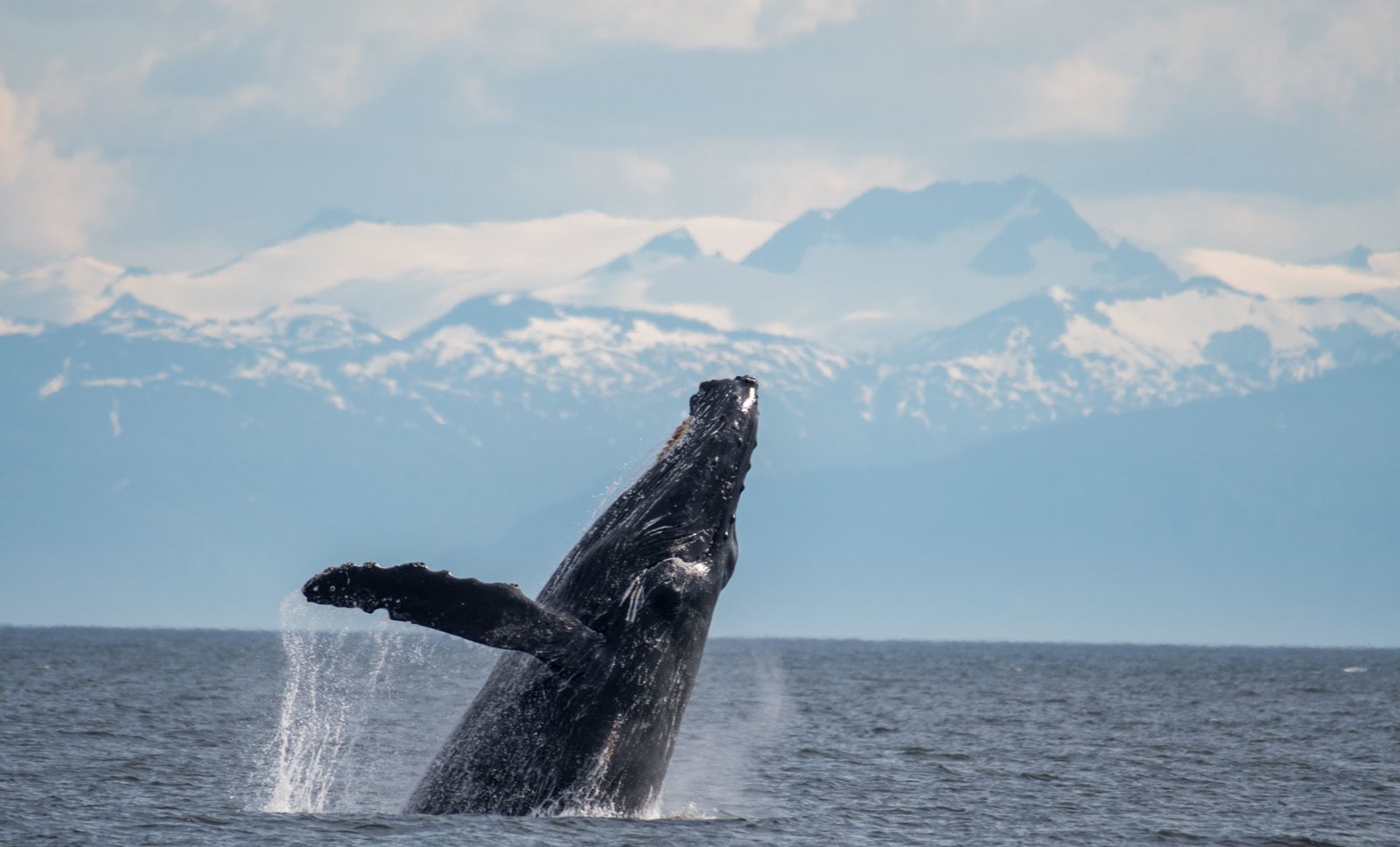
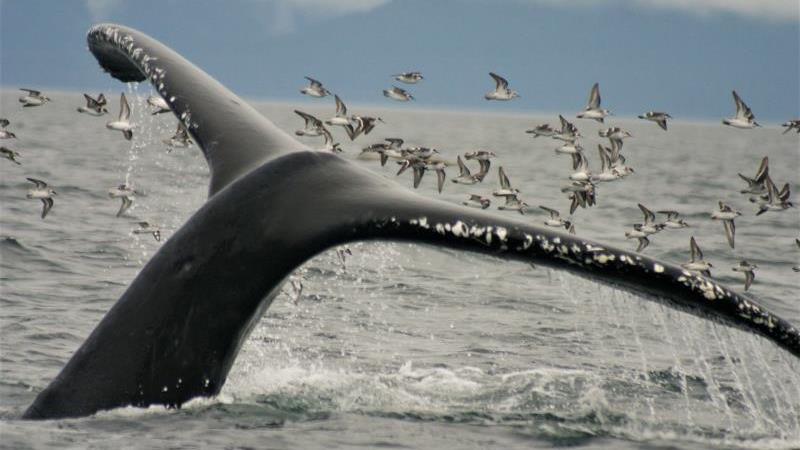
The nutrient-rich waters of Stephens Passage and Lynn Canal, which funnel past Juneau, support some of the densest concentrations of humpback whales found anywhere in the North Pacific. Between May and September, these 40-ton giants surface, breach, and slap their massive tails in a behavior biologists call lobtailing — a spectacle that genuinely defies description. Orca sightings are also common, as are Steller sea lions, Dall's porpoises, and the occasional minke whale. Wildlife naturalists aboard tour vessels provide context drawn from current research, and the proximity to the ship terminal means most whale-watching trips run about three to four hours — a manageable commitment within a typical port call. Binoculars and a telephoto lens will reward the effort.
Mount Roberts Tramway: An Eagle's View in Minutes
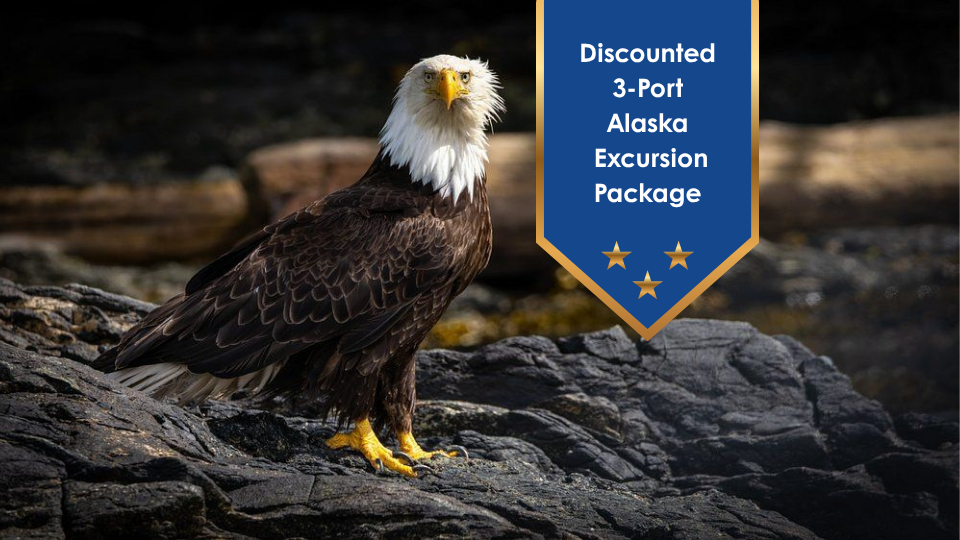
Ascending 1,800 feet in just six minutes, the Mount Roberts Tramway whisks visitors from the cruise dock to the subalpine zone above Juneau, delivering one of the most dramatic above-treeline panoramas in Southeast Alaska. At the top, a network of maintained trails winds through alpine meadow and old-growth Sitka spruce, offering varying levels of exertion from a gentle boardwalk stroll to a more ambitious ridge hike with views extending across Gastineau Channel to Douglas Island. The summit complex includes a nature center, a resident bald eagle named Lady Baltimore, and a restaurant with floor-to-ceiling windows framing the channel and city below. On clear days, the scene is genuinely breathtaking; on misty days, the mountaintop fog rolls through in cinematic waves. The tram operates rain or shine.
Historic Downtown and Franklin Street
Juneau's compact historic core is a pleasure to explore on foot, with architecture and atmosphere that reflect the city's layered identity as a Gold Rush boomtown, a territorial capital, and a modern Alaskan city. South Franklin Street anchors the visitor experience with a mix of jewelry shops, Alaska Native art galleries, outfitters, and the iconic Red Dog Saloon — a deliberately theatrical Gold Rush-era bar complete with sawdust floors, mounted wildlife, and live music that somehow manages to feel authentically Alaskan despite the tourist traffic. The Governor's Mansion, St. Nicholas Russian Orthodox Church (one of the oldest in Alaska), and the Juneau-Douglas City Museum add historical depth. The Alaska State Capitol building is open for self-guided tours when the legislature is not in session.
Southeast Alaska Discovery Center
For travelers who want to understand the land and cultures they're sailing through, the Southeast Alaska Discovery Center on South Franklin Street is among the finest interpretive facilities in the state. Operated by the US Forest Service, the center presents the ecological, cultural, and historical narrative of the entire Southeast Alaska region through thoughtfully curated exhibits, large-format photography, and hands-on displays. Tlingit culture receives particular attention, with clan history, traditional art forms, and contemporary Alaska Native perspectives represented with nuance and respect. Admission is modest, the air-conditioned interior offers welcome shelter on warmer days, and the knowledgeable staff can provide maps and trail advice for independent explorers. It is a worthwhile first stop before venturing out.
Rainforest Hiking in the Tongass National Forest
Juneau sits within the Tongass National Forest, the largest national forest in the United States and one of the last intact temperate rainforests on earth. Trails begin practically at the edge of town and plunge immediately into cathedral groves of Sitka spruce and western hemlock, their bark draped in moss and their roots threaded through rich, dark soil. The Perseverance Trail follows a historic Gold Rush-era wagon road into the mountains above downtown — a moderately challenging but highly rewarding route that gains elevation quickly and rewards hikers with views back over the city and channel. The Herbert Glacier Trail and the Cropley Lake Trail offer quieter alternatives for those who want distance from the crowds. Wildlife is ever-present: black bears, Sitka black-tailed deer, and countless seabirds inhabit these forests.
Juneau Alaska travel tips
Layer Up — Rain is Part of the Experience. Juneau receives around 60 inches of precipitation annually, and summer days can shift from sunshine to drizzle and back within an hour. The key is not to avoid rain but to dress for it. A waterproof shell jacket, moisture-wicking base layer, and waterproof footwear will keep you comfortable whether you're hiking near Mendenhall or walking the downtown streets. Umbrellas are less practical on trails. Most gear shops downtown carry quality rain gear if you need to supplement what you packed.
Head to Mendenhall Early to Beat the Crowds. Mendenhall Glacier is the single most popular attraction in Juneau, and the visitor center parking area reaches capacity by late morning on busy ship days. If you're traveling independently, aim to arrive by 8:30–9:00 AM. The Capital Transit bus system offers a reliable, inexpensive alternative to driving — check the schedule in advance. Alternatively, consider timing your Mendenhall visit for mid-afternoon, when many group tours have already returned to the ships, and enjoy a quieter, more contemplative experience.
Know Your Ship's All-Aboard Time and Build in Buffer. Juneau's main terminal is conveniently central, but the glacier road can develop significant traffic congestion when multiple ships are in port simultaneously. Always allow at least 45 minutes to return from Mendenhall before your all-aboard time — more in peak season. Whale-watching vessels coordinate their return times with the cruise schedule, but confirm this with the operator before departure. The tramway operates close to the terminal and rarely causes timing issues.
The Red Dog Saloon Is Worth Seeing — But Skip the Peak Hours. The Red Dog Saloon on South Franklin Street is a Juneau institution with genuine history, and it delivers exactly the Gold Rush atmosphere it promises. The food is secondary to the experience. Visit early in the day (it opens before noon) for shorter waits and a more relaxed atmosphere. By early afternoon on peak ship days, it becomes extremely crowded. A brief stop for a local brew and a look around is worthwhile; camping out for a full meal during peak hours tests patience unnecessarily.
Alaska Native Art: Know What You're Buying. Juneau has excellent galleries carrying authentic Alaska Native artwork — carved totems, woven regalia, silver jewelry, and beadwork created by Tlingit, Haida, and Tsimshian artists. Seek out pieces tagged with the silver hand seal, a state-certified mark indicating authentic Native-made work. The distinction matters both ethically and in terms of quality and lasting value. The Southeast Alaska Discovery Center can help orient you toward reputable galleries. Mass-produced tourist items are ubiquitous on Franklin Street — authentic work is typically found in dedicated art galleries.
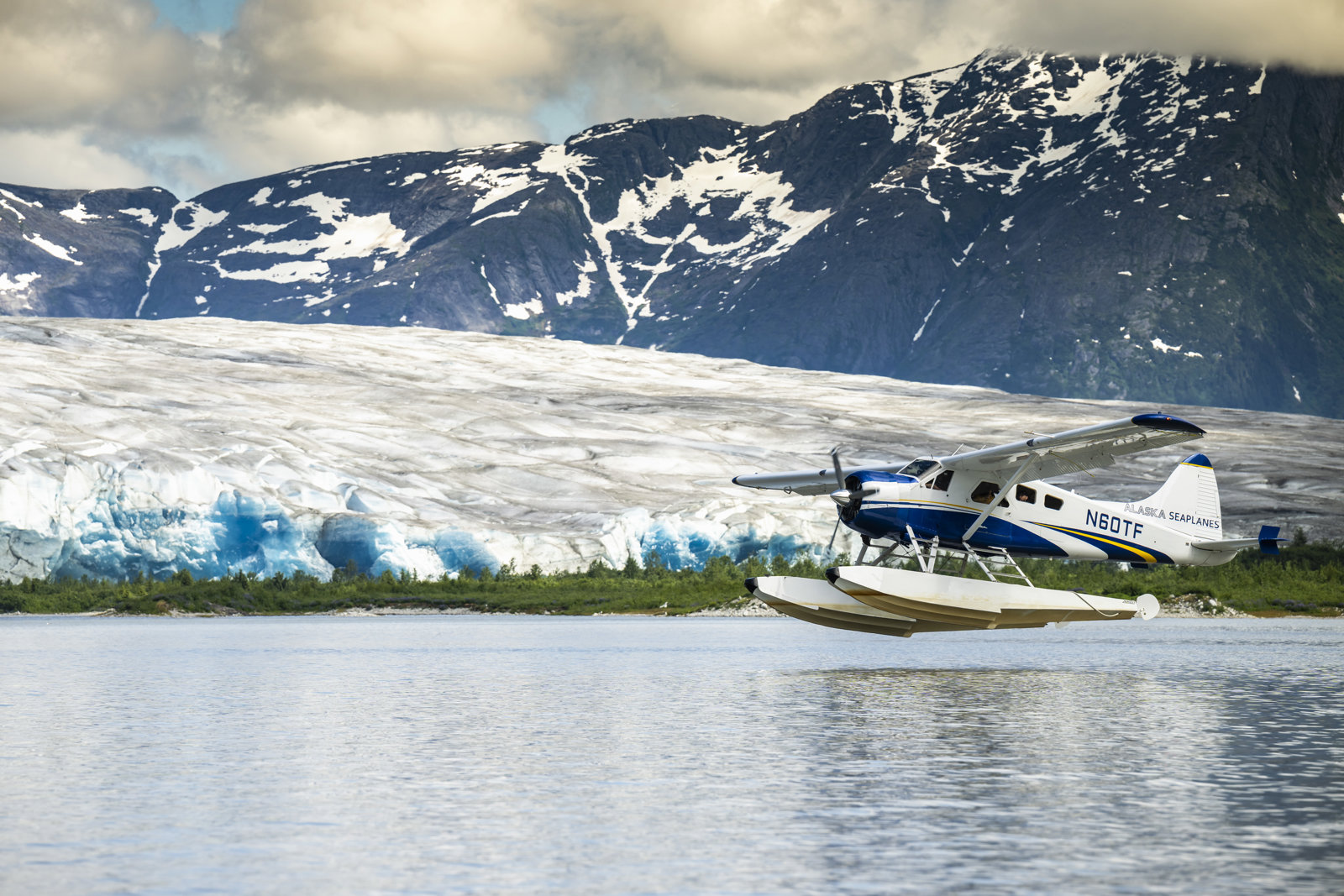
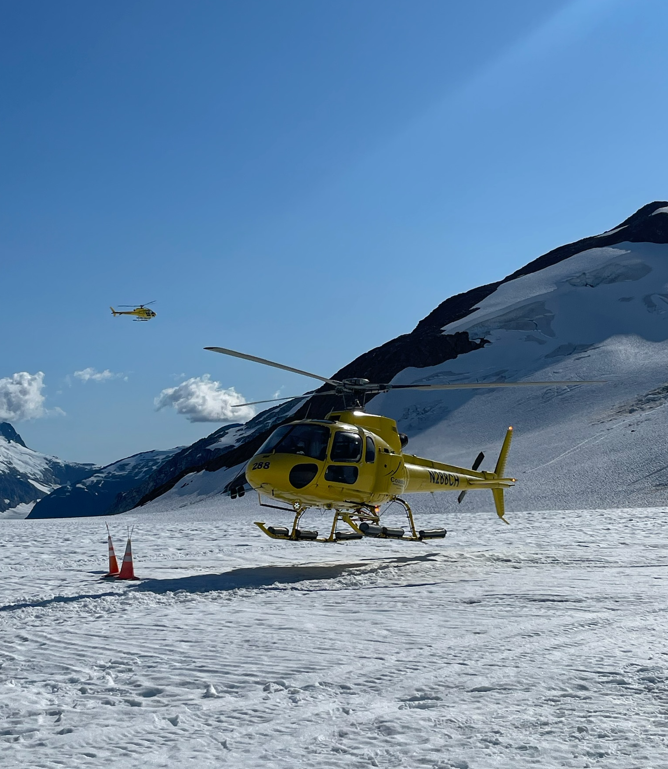
Consider a Floatplane Flightseeing Trip Over the Juneau Icefield. The Juneau Icefield covers nearly 1,500 square miles and feeds no fewer than 38 glaciers. Seeing it from street level gives only a partial picture; a floatplane flightseeing trip transforms the experience entirely. Small aircraft depart from a waterfront terminal near the cruise docks, and even a 30–45-minute glacier tour places passengers above a landscape of crevassed ice, meltwater rivers, and mountain peaks that extends beyond the horizon. Weather permitting, this ranks among the most memorable activities available in all of Southeast Alaska. Book well in advance — floatplane seats sell quickly on busy port days.
Port Facts Every Cruiser Needs To Know
Juneau Alaska shore excursion FAQs
Mendenhall Glacier is approximately 13 miles from the downtown cruise terminals — about a 25-minute drive in light traffic. Independent travelers can take Capital Transit Bus Route 4 (the Mendenhall Valley route) from downtown for a modest fare; the ride takes roughly 30 minutes. Taxis and rideshare apps (Uber and Lyft have limited but available service in Juneau) are another option. The visitor center, maintained trails, and Nugget Falls are all accessible once you arrive. Allow a minimum of 2 hours at the site to see the glacier lake and falls comfortably, plus transit time.
Absolutely. Juneau is one of the most independent-traveler-friendly ports in Alaska. The downtown area is compact, well-signed, and entirely walkable from the docks. The Mount Roberts Tramway is a five-minute walk from the terminal. Mendenhall Glacier is reachable by public bus. Most whale-watching operators sell direct to individual travelers from booths near the terminal. The city is safe, English-speaking, and accustomed to cruise visitors. A basic plan and awareness of your all-aboard time is all that's required.
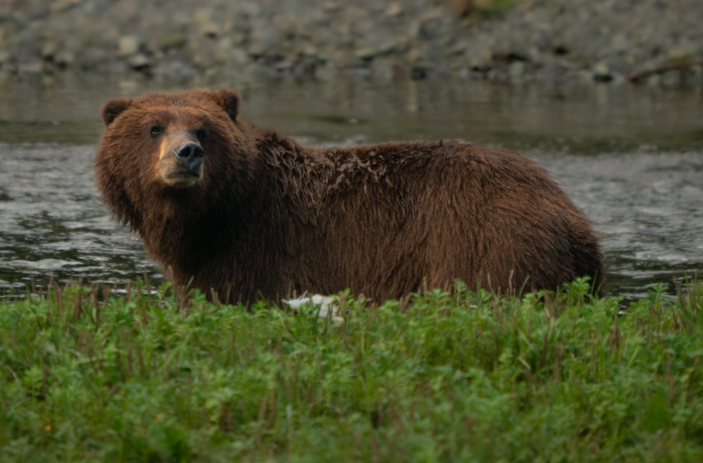
Juneau offers exceptional wildlife viewing across multiple environments. Humpback whales are the headline species in Stephens Passage and Lynn Canal, with sightings nearly guaranteed from May through September. Steller sea lions, harbor seals, Dall's porpoises, and orca are also commonly encountered on the water. Bald eagles are abundant — expect to see them perched in spruce trees and soaring above the channel throughout the day. In forested areas and along trails, Sitka black-tailed deer are frequently seen. Black bears inhabit the forests around Mendenhall and occasionally appear near the glacier trails, particularly later in summer when salmon are running.
Dress in layers designed for cool, potentially wet weather. A waterproof outer shell is the single most important item. Underneath, moisture-wicking mid-layers (fleece or a light down jacket) handle temperature swings. Temperatures typically range from 50–65°F in summer. Waterproof footwear is strongly recommended for anyone planning to hike near the glacier or on forest trails. If you're heading out on the water for whale watching, bring an extra layer — it can feel significantly cooler on the water. Sunscreen and sunglasses are useful on clear days, as light reflects intensely off the glacier and channel.
Black bears are present in the Juneau area, particularly in forested corridors and near salmon streams in late summer. Hiking in the Tongass is generally safe when practiced with standard bear awareness: make noise on the trail, hike in groups, carry bear spray (available for rent or purchase at local outfitters), and know how to use it. The trails near Mendenhall Glacier and at the base of Mount Roberts are well-traveled and maintained. Encountering a bear is possible but not the norm; conflicts are extremely rare when hikers follow basic protocols. Rangers at the Mendenhall Visitor Center can advise on current bear activity.
Downtown Juneau offers a full day of activity without leaving the core. The Mount Roberts Tramway departs steps from the terminal for alpine views. The Southeast Alaska Discovery Center on South Franklin Street provides outstanding interpretive exhibits on the region's ecology and cultures. The Alaska State Museum (a short walk uphill) houses the state's finest collection of Alaska Native and Russian colonial artifacts. The historic district rewards wandering — St. Nicholas Russian Orthodox Church, the Governor's Mansion, and several blocks of well-preserved Gold Rush-era buildings create a genuine sense of place. Seafood restaurants and craft beer taprooms round out the options.
Humpback whales are present in the waters around Juneau from approximately late April through October, with peak activity and the highest density of whales occurring in July and August when herring and small forage fish are most abundant. Orca (killer whales) are seen year-round but most reliably in late spring and early fall. Most cruise ships calling at Juneau arrive during the July–August peak, which coincides with excellent whale activity. Morning and afternoon trips both produce good results; weather patterns and tidal activity influence whale behavior more than time of day.
Cell coverage from major US carriers (AT&T, Verizon, T-Mobile) is reliable throughout downtown Juneau and in the main tourist corridors including the Mendenhall Valley. Coverage becomes inconsistent on more remote hiking trails and in the backcountry. Wi-Fi is available at most cafes, restaurants, the public library on South Franklin Street, and some retail establishments downtown. International visitors should check roaming rates with their carrier in advance, as rates in Alaska can differ from the contiguous United States on some plans.
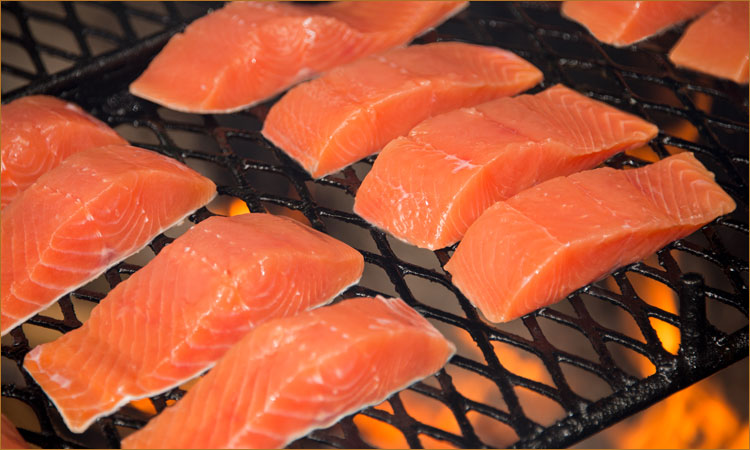
South Franklin Street and the surrounding blocks offer a range of shopping experiences. For authentic souvenirs, seek galleries carrying Alaska Native artwork certified with the silver hand seal — pieces by Tlingit, Haida, and other Southeast Alaska artists represent both artistic excellence and genuine regional heritage. Local smoked salmon and seafood products (vacuum-sealed for travel) make excellent gifts and are widely available. Juneau has several quality outfitters for gear. Be discerning on Franklin Street — much of the merchandise in high-traffic souvenir shops is imported mass-produced goods with little connection to Alaska.
Juneau is one of the busiest cruise ports in Alaska, hosting up to five large ships simultaneously on peak days in July and August — potentially bringing 10,000 or more visitors into a city of roughly 32,000 residents. Downtown Franklin Street can feel quite crowded during these peak windows. Mendenhall Glacier also experiences significant congestion. To manage the crowds: arrive at popular sites early in the morning, consider visiting the glacier in mid-to-late afternoon when group tours have departed, explore the quieter uphill neighborhoods away from the terminal, or plan hiking trails that see less foot traffic than the immediate glacier overlooks.
Filters
Select a filter to refine results.
Tour Type
Tour Activity
 Cart
Cart
 USD
USD GBP
GBP AUD
AUD EUR
EUR CAD
CAD